

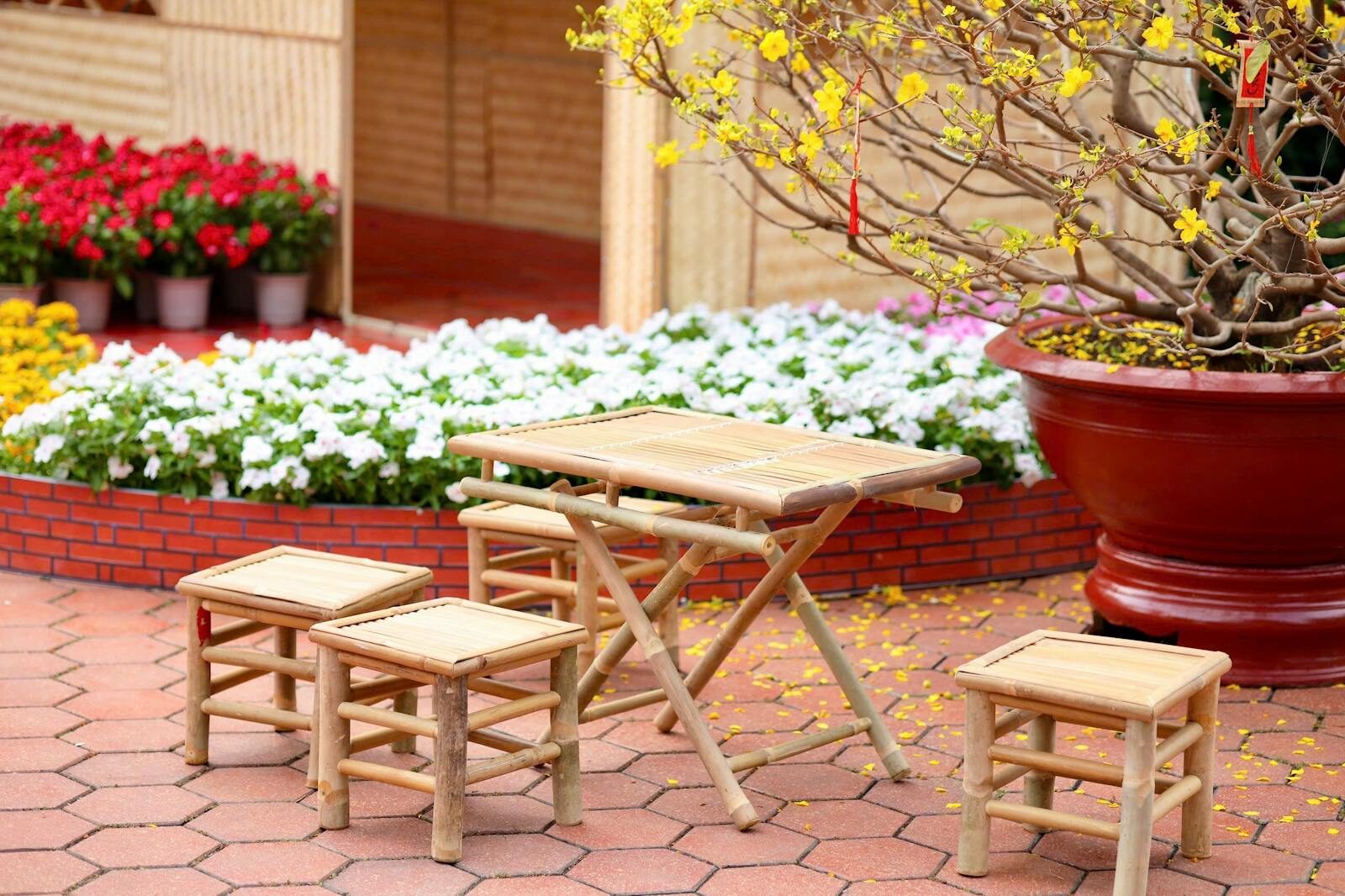
If you’ve been shopping for a new dining table, coffee table, or accent piece lately, you’ve probably noticed bamboo popping up everywhere — from West Elm’s eco-conscious collections to boutique furniture shops in Brooklyn and Portland. And it’s not just a trend. Bamboo furniture has earned its place in American homes for very real reasons: it’s beautiful, durable, surprisingly affordable, and one of the most environmentally responsible choices you can make.
But buying bamboo furniture isn’t as simple as picking the prettiest piece. There’s a lot to know about construction quality, finish types, sustainability certifications, and how to match a bamboo table to your interior style. This guide covers everything you need to shop with confidence.
What Is Bamboo Furniture, Really?
Bamboo is technically a grass, not a wood — and that distinction matters. It grows to harvestable size in three to five years, compared to the decades hardwoods like oak or walnut require. This makes it one of the fastest-renewing natural building materials on Earth.
The bamboo used in furniture isn’t the round hollow poles you’d see in a garden. Manufacturers process it into one of three main structural forms:
Solid (Laminated)
Strips glued under pressure into dense planks. Most common tabletop form. Stable and smooth-grained.
Strand-Woven
Fibers compressed under extreme heat. Harder than hickory. Takes stains beautifully. Best durability.
Bamboo Veneer
Thin bamboo layer over MDF or plywood core. Lower cost, but less resistant to moisture and heavy use.
Pro tipWhen shopping, always check the product description or ask directly which construction type you’re getting. Strand-woven or solid laminated = lasting quality. Veneer = budget piece.
Why Bamboo Tables Make Sense in 2026
The sustainable home goods market has matured considerably. American consumers — particularly millennials and Gen Z homeowners — are making purchasing decisions based on environmental impact, and the furniture industry has responded. But beyond the eco-friendly appeal, bamboo holds its own on purely practical grounds.
3–5
years to harvest vs. decades for hardwoods
30%
lower price than comparable solid hardwood
#1
hardness rank among renewable materials
Strand-woven bamboo consistently scores higher than red oak on hardness tests — critical for a dining table that takes daily punishment from plates, glasses, and homework sessions. It’s also naturally more moisture-resistant than many hardwoods, which is a genuine functional advantage in humid climates like Houston, Miami, or coastal North Carolina.
“Bamboo’s rapid renewability, combined with structural performance that rivals hardwood, makes it one of the most compelling natural building materials available today.”
The lightweight nature of bamboo is another underrated advantage. A solid bamboo dining table typically weighs noticeably less than a comparable solid wood piece — welcomed by apartment dwellers hauling furniture up stairs or anyone who rearranges rooms seasonally.
Understanding Sustainability Certifications
Not every “eco-friendly” label means the same thing. Greenwashing is still common in the furniture industry. When evaluating bamboo tables, here are the specific certifications that carry real weight:
FSC Certified
Gold standard. Verified responsible sourcing. Check at fsc.org.
CARB Phase 2
Limits formaldehyde in adhesives. Safer indoor air quality, especially for families.
GREENGUARD Gold
Strict chemical emission limits. Ideal for homes with children or air-quality sensitivity.
Be skeptical of vague claims like “sustainably sourced” or “eco-friendly” without third-party backing. Any of the three certifications above means someone independent has verified the claim.
Popular Bamboo Table Styles for Modern American Homes
Bamboo is remarkably versatile as a design material. Its natural grain and warm honey or caramel tones blend well with a wide variety of interior aesthetics. Here are the styles dominating American interiors in 2026:
Modern Minimalist
Clean lines, natural grain, tapered steel or bamboo legs. Pairs with Scandinavian chairs.
Farmhouse Rustic
Wide plank top with hand-rubbed oil finish. Wrought iron legs. Popular in the American South.
Mid-Century Modern
Low-profile coffee tables with angled legs. Shelf storage below. Still dominant in 2026.
Biophilic / Organic
Natural finish, live-edge details, mixed with plants and natural textiles. Very 2026.
Console & Entryway
Narrow, lightweight. Adds warmth without overwhelming. Ideal behind a sofa or in hallways.
A note on outdoor bamboo
Bamboo can work outdoors, but it requires thermally modified bamboo or exterior-grade sealant finishes. In warmer climates like Southern California, Florida, and Arizona, outdoor bamboo tables thrive for many years with basic care. If you’re in the Midwest or Northeast, plan to cover or bring pieces inside during harsh winters.
How to Choose the Right Bamboo Table
Before you buy, work through these practical considerations:
Measure first
A dining table needs at least 36 inches of clearance on all sides. Coffee tables work best with 14–18 inches between the table and sofa.
Match the finish
Natural/honey reads casual and warm. Carbonized (darker caramel) reads sophisticated. Stained bamboo can mimic walnut, espresso, or gray.
Check the joinery
Quality pieces use mortise-and-tenon or dowel joinery. Avoid pieces relying primarily on metal cam locks — they loosen over time.
Read wobble reviews
The top complaint with bamboo tables. A quality piece should have zero wobble out of the box — if reviews flag it post-assembly, move on.
Consider your climate
In dry inland cities (Denver, Salt Lake City), prioritize oiled finishes. In humid coastal climates, moisture resistance matters most.
Think about your floor
On hardwood floors, bamboo with felt pads works beautifully. On tile or concrete, bamboo adds visual warmth that stone surfaces lack.
Caring for Your Bamboo Table
Bamboo is durable, but it’s not indestructible. These habits will keep your table looking its best for many years:
Clean spills immediately
Standing water is bamboo’s primary enemy. Wipe spills with a dry or slightly damp cloth right away — don’t let moisture sit.
Always use coasters & trivets
Both moisture rings and heat from hot dishes damage bamboo’s finish faster than sealed hardwoods. This is non-negotiable.
Oil annually
Use food-safe mineral oil or a bamboo-specific conditioning oil once a year to prevent drying and cracking, especially in low-humidity climates.
Avoid harsh cleaners
No bleach, no ammonia-based products. Mild dish soap diluted in water is all you need for regular cleaning.
Sunlight tipProlonged UV exposure causes bamboo to fade and can dry out the finish. Use window treatments if your table sits near south-facing windows — this is especially important in sunbelt states like Arizona and Texas.
Bamboo vs. Other Sustainable Materials
| Material | Renewability | Durability | Price (dining table) | Best for |
|---|---|---|---|---|
| Strand-woven Bamboo | ✓3–5 yr harvest | ✓Excellent | $500–$1,400 | Best overall value |
| Reclaimed Wood | ~Upcycled, finite | ✓Very high | $1,200–$3,500 | Character & history |
| FSC-Certified Hardwood | ~30–80 yr cycle | ✓Generational | $900–$3,000 | Long-term heirloom |
| Acacia | ~15–20 yr cycle | ~Good | $300–$1,000 | Budget-friendly style |
For a deeper look at material lifecycle environmental impact, the Environmental Product Declaration database maintained by the American Institute of Architects is an authoritative reference when comparing materials for your home.
Where to Buy in the US & What to Pay
Budget coffee table
$80 – $200
Mid-tier solid dining table
$400 – $900
Strand-woven dining table
$900 – $1,600
Custom / artisanal
$2,000+
The sweet spot for most American homeowners is the $500–$1,000 range, where you get solid construction, meaningful certifications, and design quality that lasts. Going significantly below $300 for a dining table usually means veneer construction, lower-grade adhesives, and a shorter useful life.
Where to shop
Specialty sustainable brands like Cali Bamboo and Bambu offer strong certifications and are best for verified sourcing. National retailers including West Elm and Crate & Barrel carry certified bamboo collections — West Elm in particular has made significant commitments to FSC materials. On Wayfair and Amazon, vetting certifications is harder; read reviews carefully, look for specific certification claims in product descriptions, and check brand reputation before committing.
Don’t overlook local vintage and consignment stores. Bamboo furniture from the 1980s–90s can be remarkably well-made and adds character unavailable in new production pieces.
Final Thoughts
If you’re looking for furniture that’s genuinely beautiful, holds up to daily life, doesn’t cost a fortune, and aligns with values around environmental responsibility — bamboo is one of the strongest choices available in 2026. It’s not a compromise material. Done well, a quality bamboo table is a piece you’ll use comfortably for fifteen to twenty years.
The key is knowing what to look for: strand-woven or solid construction, legitimate third-party certifications, and a brand transparent about its sourcing. Do that homework once, and you’ll have a table you’re genuinely glad you bought.
For more guidance on building a sustainable, intentional home — from flooring selection to cabinetry and textiles — explore our complete guide to eco-friendly home design, which covers every material category room by room.