

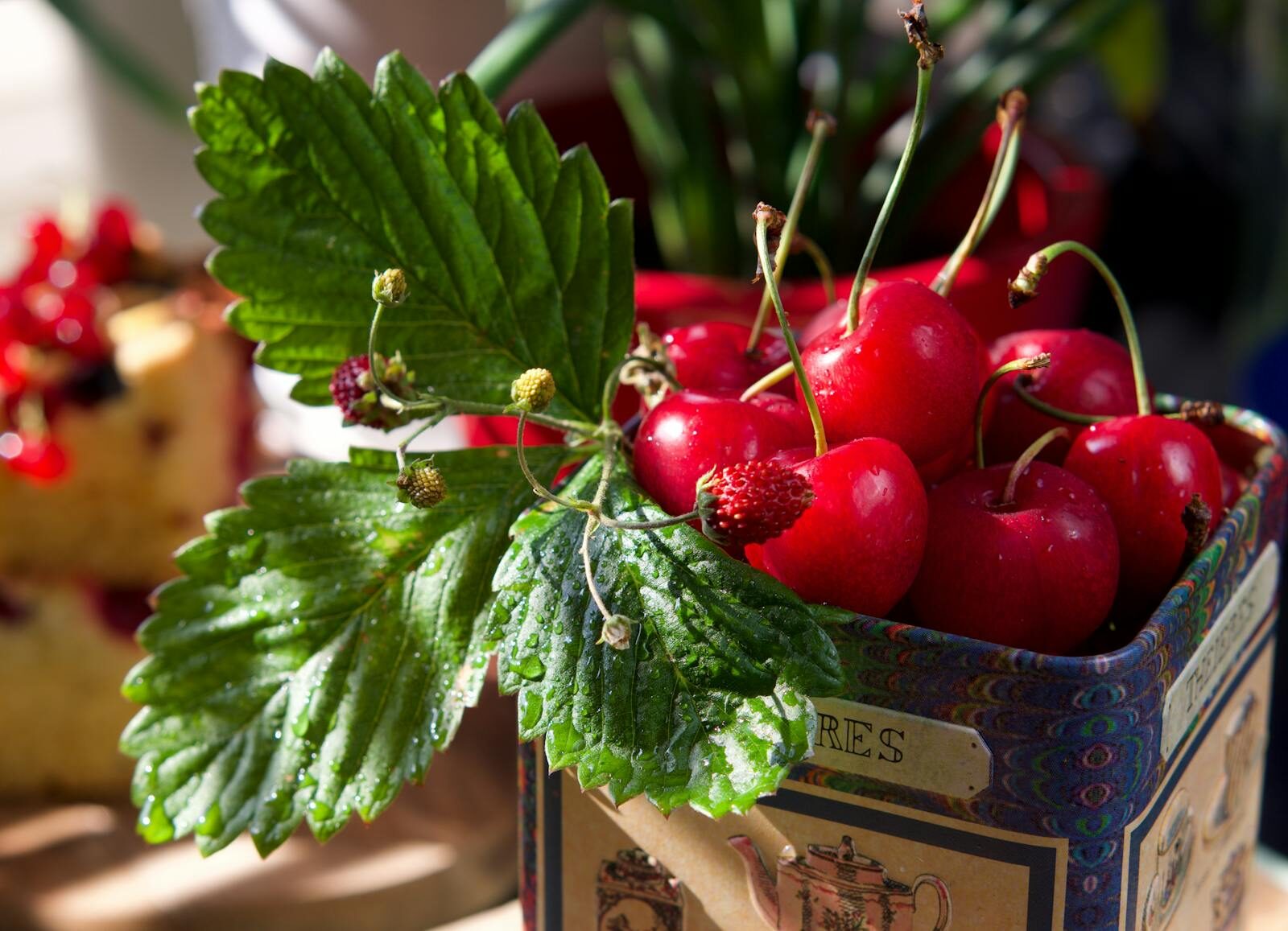
Growing your own fruit at home is one of those things that sounds complicated until you actually try it. And if space is the reason you’ve been putting it off, a cherry tree in a pot might just change your mind completely. Yes — a real, fruit-producing cherry tree, growing in a container on your patio, balcony, or backyard. It’s more achievable than most people think, and in the right conditions, a well-tended potted cherry tree can produce a generous harvest year after year.
Whether you’re gardening in a townhouse backyard in the Pacific Northwest, a condo balcony in Chicago, or a sunny patio in Georgia, this guide will walk you through everything you need to know — from picking the right variety to harvesting your first crop.
Can You Really Grow a Cherry Tree in a Pot?
The short answer is yes, absolutely. The slightly longer answer is: yes, but variety selection matters enormously.
Full-sized cherry trees grow 30 to 35 feet tall and are clearly not candidates for container growing. But dwarf and semi-dwarf varieties — bred specifically for compact growth — thrive in large containers and can be kept at a manageable 6 to 8 feet with regular pruning. These trees produce the same quality fruit as their full-sized cousins, just in a form that works for smaller spaces.
Container growing also gives you a real advantage in many US climates: you can move the tree indoors or to a sheltered spot during extreme cold snaps, protect it from late spring frosts that damage blossoms, and control the soil quality precisely — something that’s harder to do in open ground.
Choosing the Right Cherry Tree Variety for Container Growing
This is the most important decision you’ll make, and it’s worth taking seriously. Not every cherry variety is suited to pot life.
Best Dwarf Cherry Varieties for Pots
Stella Cherry One of the most popular choices for home growers across the US. Stella is self-fertile — meaning it doesn’t need another tree nearby to produce fruit — which makes it ideal for container growing where space for multiple trees is limited. It produces large, dark red, sweet cherries and adapts well to containers.
Compact Stella A smaller version of Stella, growing to around 6 feet. It’s become increasingly popular in American nurseries and garden centers since 2023, particularly among urban gardeners looking for productive patio trees.
North Star A semi-dwarf sour cherry variety that’s exceptionally cold-hardy — a great pick for gardeners in the Midwest and upper Northeast where winters are harsh. It’s also self-fertile and reliably productive in containers.
Lapins Another self-fertile sweet cherry, similar to Stella but with slightly firmer flesh. It handles heat reasonably well, making it a decent option for growers in the mid-South.
Carmine Jewel A bush-type dwarf cherry that stays under 7 feet and is one of the hardiest options available — rated to USDA hardiness zone 3. If you’re in Minnesota, Wisconsin, or the Dakotas, this one is worth seeking out.
A Quick Note on Self-Fertile vs. Cross-Pollinating Varieties
When you’re growing in a container, self-fertile varieties are strongly recommended. Trees that require a pollination partner need a second tree of a compatible variety nearby — which doubles your space commitment. Stella, Compact Stella, North Star, Lapins, and Carmine Jewel are all self-fertile, which makes your life considerably simpler.
What Size Pot Do You Need?
Pot size is one of the areas where new growers most commonly make mistakes. Too small a pot stunts root development, limits fruit production, and causes the tree to dry out too quickly between waterings.
For a young dwarf cherry tree (1 to 2 years old), start with a pot that’s at least 15 gallons in capacity — roughly 18 inches in diameter and 18 inches deep. As the tree matures, graduate it to a 20 to 25 gallon container.
Material matters too:
- Terra cotta pots: Attractive and breathable, but heavy and prone to cracking in freeze-thaw cycles common in northern US states. Not ideal if you need to move the tree seasonally.
- Resin or heavy-duty plastic pots: Lightweight, durable, and frost-resistant. They retain moisture slightly better than terra cotta, which reduces how often you need to water.
- Fabric grow bags: Increasingly popular among American container gardeners. They promote “air pruning” of roots, which prevents the rootbound problems that stunt growth. Brands like Root Pouch and Smart Pots are widely available online and at garden centers.
Whatever material you choose, drainage holes are non-negotiable. Cherry trees are highly susceptible to root rot in waterlogged soil.
The Right Soil Mix for a Potted Cherry Tree
Standard garden soil is too dense and compacted for container fruit trees — it doesn’t drain well and becomes brick-like over time. You need a mix that balances drainage, aeration, and moisture retention.
A reliable mix for potted cherry trees:
- 60% high-quality potting mix (look for one labeled for trees or fruiting plants)
- 20% perlite (improves drainage and aeration)
- 20% aged compost or worm castings (adds slow-release nutrition)
Avoid mixes with added moisture crystals or water-retaining gels — they can cause the over-saturation that cherry roots hate.
Soil pH matters more than most container gardeners realize. Cherry trees prefer a slightly acidic to neutral soil — ideally between pH 6.0 and 7.0. Pick up an inexpensive soil pH testing kit from any Home Depot, Lowe’s, or Amazon and test before you plant. If your mix is too acidic, a light application of garden lime will bring it up. If it’s too alkaline, work in a small amount of sulfur. If you’re curious how this compares to other acid-loving container plants, see our guide to acid-loving plants for US gardens.
Sunlight: The Single Biggest Factor in Fruit Production
Cherry trees are sun lovers. Full sun — a minimum of six to eight hours of direct sunlight per day — is essential for healthy growth and a meaningful fruit harvest. This isn’t a tree that will tolerate a shady corner of your patio and still reward you with cherries.
If you’re gardening in a region with intense summer heat, such as Arizona, Southern California, or Texas, position the pot where the tree gets morning sun and some light afternoon shade. The fruit benefits from full sun, but prolonged afternoon temperatures above 95°F can stress the tree and cause premature fruit drop.
For gardeners in cloudy northern regions like the Pacific Northwest or Great Lakes area, place the pot in the sunniest available spot and consider reflective surfaces nearby (a light-colored wall or fence) to maximize light exposure.
Watering a Container Cherry Tree: Getting It Right
Overwatering is one of the leading causes of potted cherry tree failure. The rule of thumb is simple: water deeply, but only when the top 2 inches of soil feel dry to the touch.
During the growing season (spring through early fall), this typically means watering every two to four days, depending on your climate and pot material. In the height of summer in hotter states, you may need to water daily. In cooler, overcast periods, you might go five or six days between waterings.
When you do water, water slowly and thoroughly until you see water draining freely from the bottom of the pot. This ensures the entire root zone is hydrated — not just the surface layer.
Signs you’re overwatering: yellowing leaves, soft or mushy stem base, waterlogged soil that never fully dries out.
Signs you’re underwatering: wilting leaves, dry and pulling-away soil at the edges, leaf scorch on tips.
In winter, reduce watering significantly — the tree is dormant and its water needs drop dramatically.
Feeding Your Cherry Tree Through the Season
Container-grown trees need regular feeding because nutrients leach out of pots much faster than they do from garden soil.
- Early spring (bud break): Apply a balanced slow-release granular fertilizer — something in the 10-10-10 or 14-14-14 NPK range. Work it gently into the top inch of soil.
- Late spring to early summer: Switch to a fertilizer with slightly higher potassium (the third number in the NPK ratio). Potassium supports flower and fruit development. A tomato fertilizer works well for this phase.
- After harvest: A light application of balanced fertilizer helps the tree recover and build energy for the following year.
- Late summer onward: Stop fertilizing. Feeding too late in the season pushes new growth that won’t harden off before winter and is vulnerable to cold damage.
Organic options like fish emulsion, seaweed extract, and worm casting tea are excellent for container cherry trees and reduce the risk of over-fertilizing.
Pruning: Keeping Your Tree Healthy and the Right Size
Pruning is what keeps a container cherry tree manageable, productive, and healthy over the long term. Without it, the tree quickly outgrows its pot and becomes difficult to manage.
When to prune: Late winter to early spring, just before bud break, is the ideal window. Avoid pruning in fall or early winter — open cuts in cold weather are more susceptible to disease.
What to remove:
- Dead, damaged, or crossing branches
- Any growth pointing inward toward the center of the tree (you want an open, vase-like shape that allows light and airflow through the canopy)
- Vigorous upright shoots (called “water shoots”) that emerge from the main branches — these drain energy without producing fruit
- Any suckers growing from the base of the trunk
How much to take off: Never remove more than one-third of the canopy in a single pruning session. Cherry trees are moderately sensitive to heavy pruning and can respond poorly if cut back too aggressively at once.
According to the University of California Agriculture and Natural Resources extension program, proper pruning not only shapes the tree but directly improves fruit size and quality by directing the tree’s energy into fewer, better-developed fruits rather than a large number of small ones.
Pollination and Getting Your Tree to Fruit
If you’ve chosen a self-fertile variety (as recommended earlier), your tree should set fruit without any additional help. That said, hand pollination can noticeably increase your yield, especially if you’re growing on a high-rise balcony where pollinating insects are scarce.
When the tree is in full bloom (typically late March to early May depending on your region), use a small, soft artist’s paintbrush or a cotton swab to gently transfer pollen between open flowers. Work through the tree every two to three days during the bloom period. It takes about 90 seconds and can meaningfully improve your fruit set.
Overwintering Your Potted Cherry Tree
One of the genuine advantages of container growing is the ability to protect your tree from the worst winter conditions. Most dwarf cherry varieties need a cold dormancy period of several hundred “chill hours” (temperatures between 32°F and 45°F) to bloom and fruit properly the following year — so you don’t want to eliminate cold exposure entirely. But there’s a difference between healthy dormancy and root damage from deep freezes.
- In USDA zones 6 and above (most of the continental US), potted cherry trees can typically overwinter outdoors with some protection — wrapping the pot in burlap or bubble wrap insulates the roots without preventing the cold dormancy the tree needs.
- In zones 5 and colder (upper Midwest, parts of New England), move the pot to an unheated garage or shed where temperatures stay between 25°F and 40°F. The tree doesn’t need light during dormancy — just cold and minimal moisture.
- Don’t bring the tree into a heated indoor space for winter. The warmth will break dormancy prematurely and leave the tree exhausted and unable to fruit properly.
For a broader pre-winter routine covering the rest of your garden, see our guide to winterizing your garden.
Common Problems and How to Fix Them
Brown or curling leaves: Usually a watering issue — either too much or too little. Check the soil moisture at root level before adjusting.
No fruit despite healthy growth: Most commonly caused by insufficient chill hours (the tree didn’t experience enough cold to trigger proper flowering), poor pollination, or too much nitrogen fertilizer pushing leafy growth at the expense of fruit.
Black or oozing patches on bark: This is likely bacterial canker or brown rot — two of the most common cherry tree diseases in North America. Remove and dispose of affected branches immediately (don’t compost them), and treat with a copper-based fungicide available at most US garden centers.
Aphids or spider mites: Common on container trees in hot, dry conditions. A strong spray of water dislodges most infestations. For persistent cases, insecticidal soap spray is effective and safe for fruit trees.
Fruit cracking before harvest: Caused by uneven watering — typically a sudden heavy watering after a dry spell. Consistent soil moisture through the fruit development period reduces cracking significantly.
When and How to Harvest
Cherry trees typically begin producing fruit in their second or third year in a container, with harvests increasing each year as the tree matures. Depending on variety and location, harvest season falls between late May and early August.
Don’t go by color alone — cherries that look ripe can still be firm and under-flavored. The best test is taste. Sample a fruit from different parts of the canopy and harvest when the sweetness and texture are where you want them. Pick with the stem attached to extend shelf life — cherries picked without stems deteriorate much faster.
A well-established dwarf cherry tree in a container can realistically yield 10 to 15 pounds of fruit per season. It won’t stock your freezer for winter, but it’s more than enough to enjoy fresh and share with neighbors.
Quick-Reference Growing Summary
Best varieties: Stella, Compact Stella, North Star, Lapins, Carmine Jewel Pot size: 15–25 gallons minimum Soil pH: 6.0–7.0 Sunlight: 6–8 hours direct sun daily Watering: When top 2 inches of soil are dry; water deeply Feeding: Balanced fertilizer spring through midsummer only Pruning: Late winter, open vase shape, no more than one-third at a time Hardiness zones: Most dwarf varieties suit zones 4–9
Final Thoughts
Growing a cherry tree in a pot at home is genuinely one of the most satisfying things a home gardener can do. The combination of spring blossom, summer fruit, and autumn leaf color makes it a tree that earns its space in all four seasons. With the right variety, a big enough container, and some consistency around watering and feeding, there’s no reason you can’t be picking your own homegrown cherries within two to three years of planting.
Start small, pay attention to what your tree tells you, and don’t be discouraged by a slow first season. Most potted cherry trees hit their productive stride in year three, and from then on, the harvest only gets better.
Looking to round out your container garden beyond fruit trees? Our Coral Bark Japanese Maple growing guide covers another compact, container-friendly tree that adds year-round interest to patios and small backyards.
Sources & Further Reading
- University of California Agriculture and Natural Resources – Home Orchard: Growing Fruit and Nut Trees
[…] their collection without additional cost. If you’re growing other trees in containers, our guide to growing a cherry tree in a pot covers many of the same container-care […]