

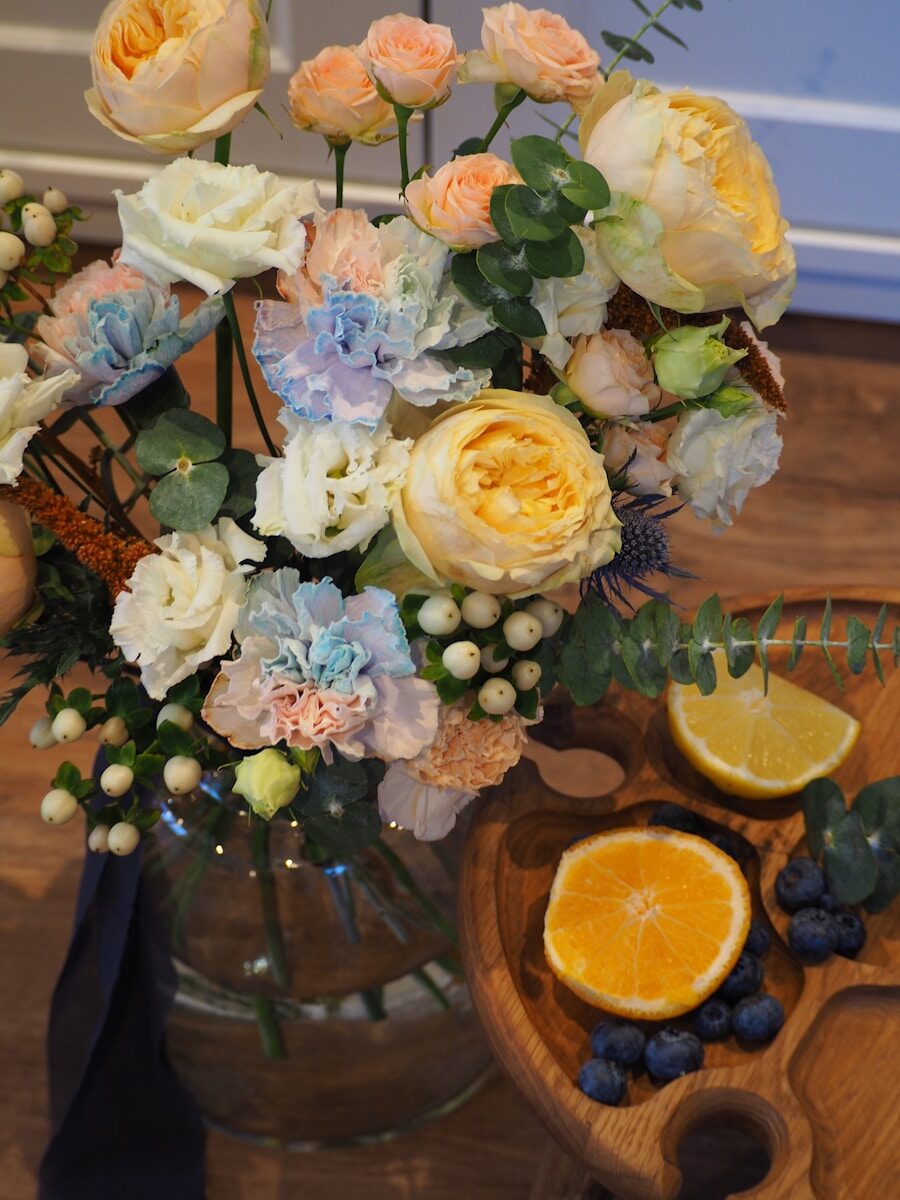
You just got home from the grocery store with a gorgeous bouquet of tulips or maybe a bundle of sunflowers from your local farmer’s market. You trim the stems, fill your vase, and then — wait. Someone told you to add lemonade to the water. Or maybe you saw it on a gardening forum. Either way, you’re standing at the kitchen counter wondering: does lemonade actually keep cut flowers fresh longer, or is this just another kitchen myth?
The short answer is: sort of — and the reason why is genuinely interesting.
The Science Behind Cut Flower Freshness
Before diving into lemonade specifically, it helps to understand why cut flowers wilt in the first place.
When a flower is cut from its plant, it loses access to the root system that was pulling water and nutrients from the soil. The stem is now essentially a straw. Bacteria begin colonizing the cut end almost immediately, clogging the vascular tissue and blocking water uptake. At the same time, the flower continues to respire and metabolize sugars — but without a fresh supply coming in.
That is why most commercial flower preservatives — the little powder packets you get at florists — contain three things: a sugar source for energy, an acidifier to lower the pH of the water, and a biocide to slow bacterial growth. Keep those three points in mind, because they are exactly what we need to evaluate the lemonade claim.
What Is Actually in Lemonade?
Store-bought lemonade — especially a classic brand like Country Time or Simply Lemonade — contains:
- Sugar (sucrose or high-fructose corn syrup): Provides carbohydrate energy to the flower.
- Citric acid: A natural acidifier that lowers water pH.
- Water: The base the flower draws up through its stem.
- Preservatives (in some brands): Usually sodium benzoate or potassium sorbate, which have mild antimicrobial properties.
Sound familiar? That is three out of three ingredients that commercial preservatives also target. This is why the lemonade trick is not pure folk wisdom — there is legitimate chemistry behind it.
Does Lemonade Actually Work? What the Evidence Says
Informal tests and home experiments shared by gardening communities across the United States consistently show that cut flowers in a diluted lemonade solution last noticeably longer than flowers in plain tap water — sometimes by two to four days. The sugar feeds the flower, the citric acid drops the water pH to around 3.5–4.5 (a range that slows bacterial growth), and certain preservatives in commercial lemonade add a small but meaningful antimicrobial boost.
Penn State Extension and similar university horticultural programs have long confirmed that acidified sugar water prolongs vase life, which is the scientific grounding behind why this works. The lemonade method is essentially a homemade approximation of that principle.
That said, it is not a perfect solution, and results vary by flower type, lemonade brand, and how you prepare the mixture.
How to Use Lemonade for Cut Flowers the Right Way
If you want to try this at home, here is the method that tends to produce the best results:
What You Will Need
- 1 clear glass or ceramic vase (avoid metal, which can react with citric acid)
- Fresh-cut flowers with stems trimmed at a 45-degree angle
- Store-bought lemonade — regular, not diet
- Clean tap or filtered water
The Ratio That Works
Do not pour lemonade straight into the vase. The sugar concentration is too high and will actually encourage faster bacterial growth.
Use this ratio:
- 1 part lemonade
- 3 parts water
For a standard 12-inch vase, that means about 2 cups of water and ½ cup of lemonade.
Step-by-Step Instructions
- Clean your vase thoroughly with hot soapy water before use. Residual bacteria from a previous bouquet will undermine everything else you do.
- Mix the lemonade and water in the vase before adding flowers.
- Trim stems at a 45-degree angle under running water or while submerged in water to prevent air bubbles from entering the vascular tissue.
- Remove any leaves that would sit below the waterline — submerged foliage rots quickly and spikes bacterial counts.
- Place the vase in a cool spot, away from direct sunlight, heating vents, and ripening fruit (which releases ethylene gas and accelerates petal drop).
- Change the solution every two days, re-trimming stems each time.
Which Flowers Respond Best to This Method?
Not all flowers react equally. In general, flowers with thick, woody stems or those that are heavy feeders tend to respond more noticeably to the sugar boost. If orange varieties are part of your bouquet, our guide to orange flowers has more on which types hold up best after cutting.
Flowers that typically do well:
- Roses
- Carnations
- Chrysanthemums
- Gerbera daisies
- Snapdragons
- Sunflowers
Flowers that are more sensitive:
- Tulips (they can absorb too much sugar and droop)
- Daffodils (they release a sap toxic to other flowers — keep them separate)
- Hydrangeas (respond better to stem re-cutting in boiling water than to additives)
If you are working with tulips specifically, halve the lemonade ratio or skip it entirely and focus on cold water and frequent changes instead.
Lemonade vs. Commercial Flower Preservatives: Which Wins?
This is a fair question. The honest answer is that commercial preservatives like Chrysal or Floralife are optimized specifically for this purpose and will generally outperform lemonade in controlled comparisons. They contain precise concentrations of each ingredient, and some formulas include more effective biocides than the preservatives in commercial lemonade.
However, lemonade holds its own admirably as a free or low-cost alternative when you do not have a packet on hand. For everyday home bouquets, the real-world difference may be one to two days of additional vase life — meaningful but not dramatic.
The takeaway: if you have a florist packet, use it. If you do not, the diluted lemonade method is a genuinely useful backup, not a placebo.
Other DIY Flower Preservation Methods (and How They Compare)
Since you are already experimenting, here are a few other popular home remedies and how they stack up:
Apple cider vinegar + sugar: Works on the same principle as lemonade — acid plus sugar. Mix 2 tablespoons of ACV and 2 tablespoons of sugar per quart of water. Comparable to the lemonade method, though the smell may be less pleasant.
Aspirin: One crushed aspirin per vase lowers water pH but provides no sugar source. Works moderately well, especially for roses.
Bleach: A tiny amount — just ¼ teaspoon per quart — is a powerful antibacterial agent. No sugar source, but paired with a pinch of sugar, it is one of the most effective homemade solutions available. Be precise; too much will burn the stems.
Copper pennies: A persistent myth. Pre-1982 pennies do contain copper, which has some antimicrobial properties, but the amount that leaches into water is negligible. This one does not make a measurable difference.
Vodka: A few drops slow ethylene production and have mild antimicrobial effects, but the research is thin and the benefit is minimal compared to other methods.
For a deep dive into the evidence behind each of these methods, the American Society of Horticultural Science has published peer-reviewed studies on post-harvest flower physiology — a great resource if you want to go further down the rabbit hole.
Pro Tips From Floral Designers Across the U.S.
Flower shop owners and floral designers from Nashville to Portland consistently emphasize a few habits that matter more than any additive:
Temperature is everything. Flowers kept in a room around 65°F (18°C) last significantly longer than those in warm rooms. If you want to extend vase life over a long weekend, put the vase in the refrigerator overnight — away from fruits and vegetables.
Re-cut stems every two days. This is probably the single most impactful thing you can do. A fresh cut reopens the vascular channels. Many people skip this step and wonder why their flowers still wilt despite the additives.
Water quality matters. Hard tap water — common in cities like Phoenix, Las Vegas, and Dallas — has high mineral content that can interfere with water uptake. If you notice your flowers wilting faster than expected, try switching to filtered or distilled water.
Buy local and buy fresh. Supermarket flowers often travel thousands of miles. Sourcing from a local farmers market or farm-direct CSA means your flowers arrive fresher with more vase life potential built in.
A Quick Note on Diet Lemonade
If you are wondering whether sugar-free or diet lemonade works — it does not, for this purpose. The sugar is not incidental; it is a primary mechanism. Without it, you get the acidifying effect of the citric acid but none of the nutritional benefit to the flower. You are better off using plain water with a drop of bleach than diet lemonade.
Frequently Asked Questions
How much lemonade should I put in a vase of flowers?
Mix 1 part lemonade with 3 parts water. For a standard vase, that is roughly ½ cup of lemonade and 2 cups of water.
Can I use homemade lemonade instead of store-bought?
Yes. Homemade lemonade with fresh lemon juice and sugar works well — and because you control the ratio, you can be more precise. Aim for about 1 tablespoon of lemon juice and 1 tablespoon of sugar per cup of water.
How often should I change the water when using lemonade?
Every two days. Refresh the solution, clean the vase, and re-trim the stems each time.
Does lemonade work for all flower types?
It works best for roses, carnations, sunflowers, and chrysanthemums. Use with caution for tulips, and skip it for daffodils.
Is lemonade better than commercial flower food?
Commercial flower food packets are optimized and slightly more effective, but lemonade is a solid alternative when no packet is available.
The Bottom Line
Lemonade is not a gimmick when it comes to keeping cut flowers fresh — it works, and the chemistry backs it up. The sugar feeds the blooms, the citric acid acidifies the water, and the preservatives in commercial lemonade slow bacterial growth. Used at the right dilution, it can add two to four days of vase life compared to plain water.
That said, it works best as part of a complete approach: a clean vase, a fresh stem cut every two days, cool temperatures, and good placement in the home. No additive — lemonade or otherwise — will save flowers from bad habits around vase hygiene and temperature management.
If you want to learn more about caring for specific flower varieties after bringing them home, check out our guide to flower food for tulips for variety-specific tips that go beyond the basics — tulips, as covered above, actually need a different approach than most cut flowers.
And if you want to go straight to the source on flower post-harvest science, the American Society of Horticultural Science at ashs.org publishes accessible research on exactly this topic — it is a surprisingly good read for anyone serious about getting the most from their blooms.