

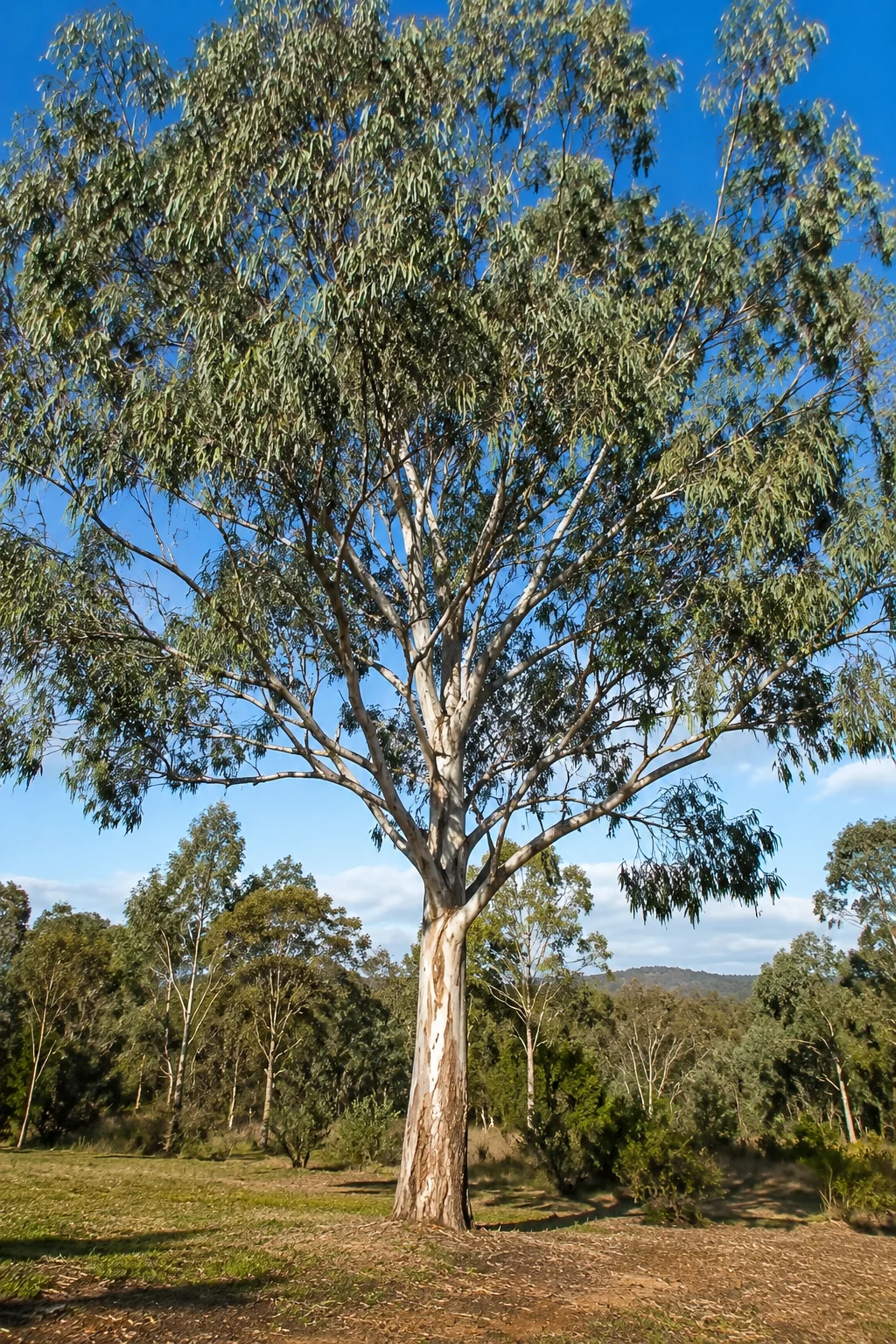
Few trees change a landscape as quickly as eucalyptus. Plant a young sapling, and within a couple of years, you’ll have a striking, fast-growing tree. It comes with silvery-blue foliage and that unmistakable fresh, medicinal scent. It’s dramatic, fast, and genuinely rewarding to grow. It’s also a tree that demands a bit of planning before you put a shovel in the ground.
I planted my first eucalyptus in a coastal California garden years ago. I was drawn in by how quickly it filled an empty corner of the yard. What I didn’t fully appreciate at the time was how much that fast growth meant. It meant ongoing pruning, careful placement away from structures, and real awareness of local fire regulations. Eucalyptus rewards attentive owners. It can also become a headache for anyone who plants it without understanding its habits first.
This guide walks through everything you need to plant and care for eucalyptus successfully in 2026. That includes where it grows best across the U.S., practical care tips, and the safety considerations every homeowner should know before planting one.
What Is a Eucalyptus Tree?
Eucalyptus is a large genus of evergreen trees and shrubs, with more than 700 species native primarily to Australia. Most varieties share a few recognizable traits. Aromatic, silvery-green or blue-green leaves. Smooth, often peeling bark. And notably fast growth once established.
In the U.S., eucalyptus has become especially popular in California, where it was widely planted throughout the 1800s and 1900s. It’s also grown in parts of Florida, Arizona, and other warm-climate regions. Depending on the species and your local conditions, mature height can range dramatically. Smaller varieties stay around a manageable 15 feet. Larger species, like blue gum, can grow well over 100 feet.
Where Eucalyptus Grows Best in the U.S.
Eucalyptus generally thrives in USDA hardiness zones 8 through 11. That range covers much of California, the Gulf Coast, southern Arizona, and Florida. A few cold-hardy varieties, like snow gum, can tolerate conditions down into zone 7. Careful site selection still matters in those cooler regions, though.
Before planting, it’s worth checking local regulations in your area. Some California municipalities restrict or discourage new eucalyptus planting. The concerns center on wildfire risk and its tendency to spread aggressively in certain ecosystems. A quick call to your local extension office or city planning department can save you headaches down the road.
Choosing the Right Eucalyptus Variety
Not all eucalyptus species behave the same way, so choosing the right one for your space matters quite a bit.
Silver dollar eucalyptus (Eucalyptus cinerea) stays relatively compact, generally reaching 20 to 50 feet depending on care and conditions. Its round, silvery leaves make it a popular choice for cut flower arrangements too.
Blue gum eucalyptus (Eucalyptus globulus) is one of the most commonly seen varieties in California. It also grows extremely large, sometimes exceeding 100 feet. It’s best suited for large properties with plenty of space, well away from structures and power lines.
Snow gum (Eucalyptus pauciflora) offers better cold tolerance than most species, along with attractive mottled bark. It’s a solid choice for gardeners in slightly cooler zones who still want that classic eucalyptus look.
Gimlet tree (Eucalyptus salubris) stays on the smaller side, typically reaching 15 to 50 feet. It works well as a residential landscape or patio tree, thanks to its more open, refined canopy.
How to Plant a Eucalyptus Tree
Timing matters. Fall or early spring generally offers the best planting window in most U.S. climates, giving roots time to establish before extreme summer heat or winter cold sets in.
Choose a location with full sun. Most eucalyptus varieties need at least six to eight hours of direct sunlight daily to thrive. Well-drained soil matters just as much, since eucalyptus roots are genuinely intolerant of consistently soggy conditions.
Dig a hole roughly twice as wide as the root ball, but no deeper than the root ball itself. Planting too deep is a common mistake, and it can lead to poor establishment or even rot at the base of the trunk.
Space matters more with eucalyptus than with most trees, given how large many varieties eventually become. If you’re planting multiple trees, most experts recommend spacing them at least 8 feet apart at minimum. Considerably more room is needed for larger species like blue gum.
After planting, water deeply to help settle the soil and eliminate air pockets. Add a two- to three-inch layer of mulch around the base. Keep it a few inches away from the trunk itself to prevent moisture buildup against the bark.
Watering Eucalyptus Trees
Young eucalyptus trees need consistent, regular watering during their first one to two years. This establishment period is critical, since underdeveloped root systems can’t yet pull moisture efficiently from deeper soil layers.
Water new plantings two to three times per week initially, adjusting based on rainfall and your local climate. As the tree matures, you can gradually reduce watering frequency.
Once established, most eucalyptus varieties become fairly drought-tolerant, particularly in their native-adjacent climates like California and the Southwest. Still, occasional deep watering during extended dry spells helps maintain healthy foliage and overall vigor, even in mature trees.
Fertilizing and Soil Requirements
Outdoor eucalyptus trees generally need very little fertilizer once established. In fact, over-fertilizing can push out excessive, weak growth that becomes more prone to wind damage or breakage.
If you’re growing eucalyptus in a container, a diluted liquid fertilizer every few weeks during spring and summer can support healthy growth. Container plants rely entirely on the nutrients available in their potting mix, so periodic feeding matters more indoors than it does outdoors.
Soil pH isn’t usually a major concern, since eucalyptus adapts to a fairly wide range. That said, good drainage remains the single most important soil factor, regardless of pH or texture.
Pruning Eucalyptus Trees
Given how quickly eucalyptus grows, pruning becomes an essential, ongoing part of care rather than an occasional task. Left unpruned, many varieties develop weak branch structure or grow well beyond a manageable size within just a few years.
Late winter or early spring, during cooler months, is generally the best time to prune. This timing minimizes stress on the tree and encourages clean, healthy new growth once the growing season begins.
Focus on removing dead, damaged, or crossing branches first. After that, thin out overly dense areas to improve airflow and reduce wind resistance, which lowers the risk of storm damage in larger, mature trees.
For younger trees, structural pruning in the first few years helps establish a strong central form. This early investment of time pays off considerably later, reducing the need for more drastic corrective pruning once the tree reaches full size.
If you’re managing a larger or particularly tall eucalyptus, it’s often worth hiring a certified arborist. Cuts on large limbs require proper technique to avoid damaging the tree, and working at height always carries real safety risk for untrained homeowners.
Common Problems With Eucalyptus Trees
Eucalyptus is relatively low-maintenance, but a few issues are worth watching for.
Pests, including certain borers and psyllids, can occasionally affect stressed or weakened trees. Keeping your eucalyptus properly watered and avoiding unnecessary damage to the bark generally reduces vulnerability significantly.
Root rot develops in poorly drained soil, particularly after periods of heavy rain. If you notice yellowing leaves combined with soggy soil conditions, improving drainage should be your first priority.
Storm damage is a real concern with larger, fast-growing varieties, since rapid growth can sometimes outpace structural strength. Regular pruning and periodic professional inspections help catch weak limbs before they become a hazard.
A Critical Safety Note: Fire Risk
This is genuinely one of the most important things to understand before planting eucalyptus, especially in California and other fire-prone regions. Eucalyptus leaves and bark contain volatile, flammable oils, and the trees are known for being highly combustible.
Because of this, many fire-conscious homeowners choose to plant eucalyptus well away from structures. They also maintain generous defensible space around the tree and keep up with regular pruning to remove dead material that could fuel a fire. According to SavATree’s guide to eucalyptus trees, the tree’s volatile oils are exactly what elevate its fire risk, though eucalyptus can also resprout from buds beneath its bark after a fire. Bark, leaves, and sap are also toxic to people and pets if ingested, which is worth factoring in if you have curious kids or animals at home.
If you live in a designated wildfire-risk zone, it’s worth checking with your local fire department or extension office before planting. Some areas actively discourage or restrict eucalyptus for exactly this reason.
Growing Eucalyptus in Containers
If you’re outside the ideal hardiness range, or simply don’t have space for a full-sized tree, container growing is a practical alternative. Choose a pot with strong drainage and place it near a bright, south-facing window if grown indoors, or in a sunny outdoor spot during warmer months.
Container-grown eucalyptus stays considerably smaller than trees planted in the ground. This makes it a popular option for patios, balconies, or colder climates where outdoor planting isn’t realistic. Keep in mind that potted eucalyptus needs more frequent watering than in-ground trees, since containers dry out faster, especially during hot summer months.
For more general guidance on matching trees and shrubs to your specific yard conditions, check out our Green Velvet Boxwood planting and care guide. It covers similar site-selection principles for a very different, slower-growing landscape plant.
What Eucalyptus Trees Typically Cost
Pricing depends on size and species. Small starter trees in 1- to 5-gallon containers generally run $20 to $50 at most nurseries and garden centers in 2026. These young trees establish quickly once planted, thanks to eucalyptus’s naturally fast growth rate.
Larger, more established specimens cost considerably more. A 15-gallon tree, often several feet tall already, can run $80 to $150 or higher depending on your region and the specific variety. Rare or ornamental species, like certain flowering eucalyptus types, sometimes command premium prices at specialty nurseries.
Given how quickly eucalyptus grows once established, many gardeners find it more cost-effective to start with smaller, younger trees rather than paying extra for size. Within just a couple of growing seasons, a small starter tree can often catch up significantly to a larger, pricier specimen.
Final Thoughts
Eucalyptus offers a genuinely striking, fast-growing addition to the right landscape, but it rewards a bit of upfront planning. Choose a variety suited to your space and climate, plant it somewhere with excellent drainage and full sun, and stay consistent with pruning as it grows. Handled thoughtfully, especially with fire safety in mind, eucalyptus can become one of the most distinctive, fragrant trees in your entire yard.
Take time before planting to think honestly about long-term size and placement. A tree that looks perfectly proportioned as a young sapling can transform your landscape dramatically within just a few short years.
Frequently Asked Questions
How fast does eucalyptus grow? Eucalyptus is known for exceptionally fast growth, with some varieties gaining up to six feet in height per year under good conditions. Growth rate varies by species, climate, and how well the tree is established.
What hardiness zones are best for eucalyptus trees? Most eucalyptus varieties thrive in USDA hardiness zones 8 through 11. A few cold-hardy species, like snow gum, can tolerate conditions in zone 7 with careful site selection.
Is eucalyptus safe to plant near my house? Given its flammable oils and fast growth, most experts recommend planting eucalyptus well away from structures. Maintaining defensible space and regular pruning helps reduce fire risk, particularly in drought-prone regions like California.
Is eucalyptus toxic to pets? Yes, the bark, leaves, and sap contain compounds that are toxic to both pets and people if ingested. It’s best to keep curious animals and small children away from fallen leaves and bark.
How often should I water a newly planted eucalyptus tree? Water new plantings two to three times per week during the first one to two years to support root establishment. Once mature, most eucalyptus varieties become fairly drought-tolerant and need only occasional deep watering.
Can eucalyptus grow in containers? Yes, container growing works well for smaller spaces or colder climates. Potted eucalyptus needs more frequent watering than in-ground trees, and it stays considerably smaller overall.
When should I prune my eucalyptus tree? Late winter or early spring, during cooler months, is generally the best time for structural pruning. This timing reduces stress on the tree and supports clean, healthy growth once the season begins.
Why is eucalyptus considered invasive in some areas? In parts of California and other Mediterranean-like climates, eucalyptus can spread aggressively and outcompete native vegetation. Some municipalities restrict new plantings for this reason, so it’s worth checking local regulations before planting.