

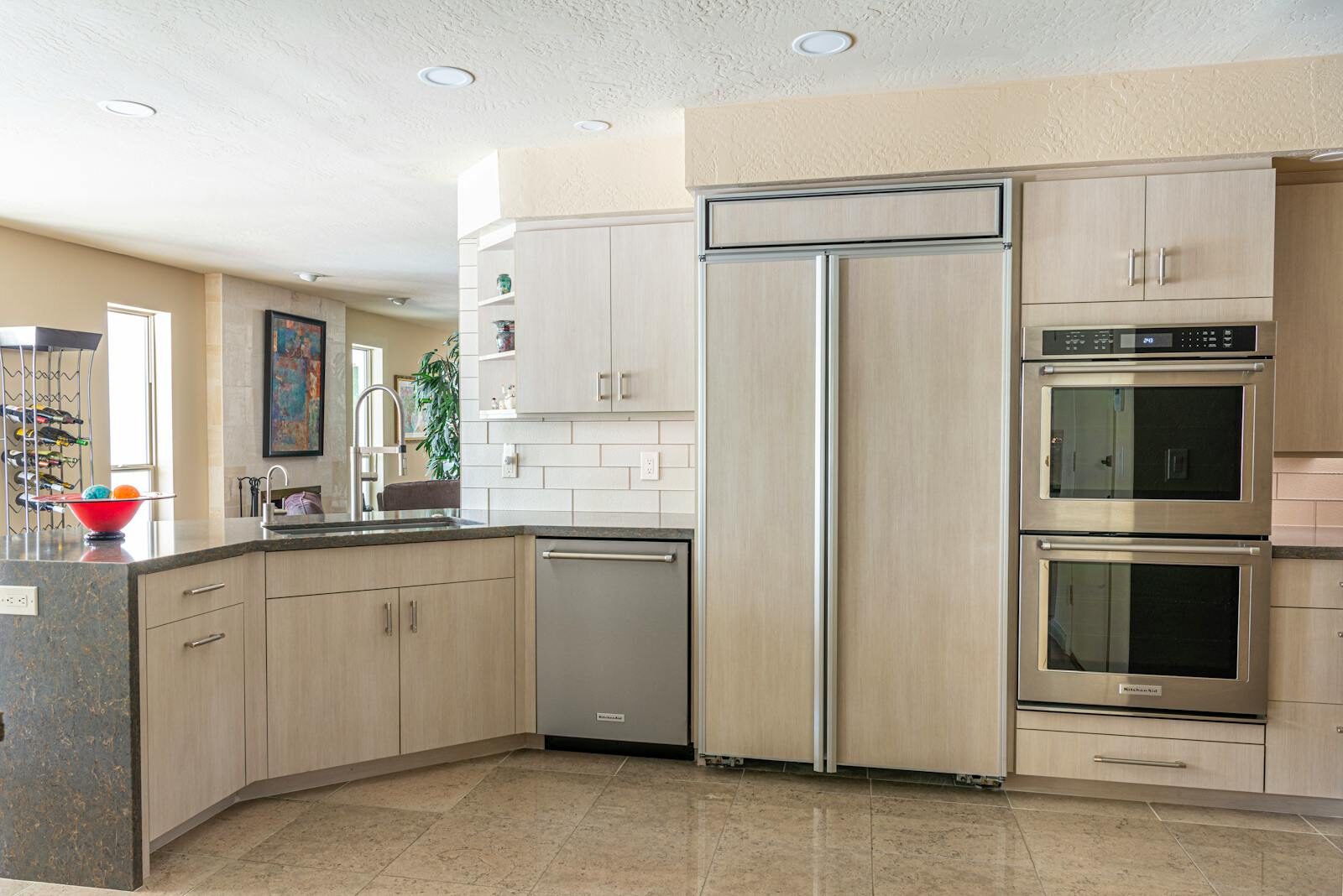
Open almost any kitchen cabinet in America and something falls out. A rogue bag of pasta. A tower of canned tomatoes held together by hope. A spice jar that has not been seen since 2022.
Kitchen storage is a genuine daily frustration for millions of households. The good news is that one upgrade fixes most of it. A double pantry cabinet gives you organized, accessible, dedicated food storage — in a single unit that works as hard as your kitchen does.
This guide is written for homeowners who are serious about solving the problem. You will find everything here: what a double pantry cabinet is, the best types available in 2026, exact sizing guidance, honest cost breakdowns, and practical tips for organizing one so it stays that way.
What Is a Double Pantry Cabinet?
A double pantry cabinet is a tall storage unit with two side-by-side cabinet bays. Each bay has its own door, interior shelving, and typically its own door-mounted storage. Together, the two bays function as one unified pantry system.
The defining feature is height. These cabinets run floor to ceiling — usually between 84 and 96 inches tall. That vertical reach is the key. Instead of relying on shallow upper cabinets scattered across your kitchen walls, a double pantry concentrates storage into one tall, organized column. Or two columns, placed side by side.
Three main configurations exist:
- Single wide unit: One cabinet body with two sets of doors, opening to two separate interior compartments
- Twin units: Two matching tall pantry cabinets placed adjacent to each other, creating one continuous storage wall
- Upper and lower split: A floor-to-ceiling built-in divided into upper and lower sections, sometimes with open shelving or a countertop in between
All three share the same core benefit. They replace scattered, inefficient cabinet storage with one system that you can actually see and use.
Why Every Kitchen in 2026 Needs Better Pantry Storage
The demand for smarter kitchen storage has never been stronger. The NKBA | KBIS 2026 Kitchen Trends Report makes this clear. It surveyed over 600 kitchen and bath industry professionals across a $230 billion industry. The findings are consistent and striking.
87% of designers reported direct client requests for concealed pantry solutions. Homeowners want storage that disappears behind clean cabinet fronts. 76% of industry professionals expect kitchen footprints to grow over the next three years. 100% of respondents agreed that lifestyle enhancements will drive kitchen design decisions in 2026.
The kitchen is changing its role in American homes. Formal dining rooms are disappearing. Kitchens are absorbing that space and taking on more functions — cooking, working, socializing, meal prepping for the week. More function requires more storage. More storage requires a smarter approach.
A double pantry cabinet is that approach. It adds meaningful capacity. It creates visible, organized storage. And it does all of this without requiring a full kitchen renovation or a contractor on-site for weeks.
The 4 Main Types of Double Pantry Cabinets
Choosing the right type comes down to three questions: How permanent do you want it? How much can you spend? And how much wall space do you have available?
1. Freestanding Double Pantry Cabinets
Freestanding units are the entry point. No installation required beyond securing the unit to a wall stud — which you should always do for safety. Beyond that, the cabinet is ready to use. It also moves with you if you relocate.
Quality has improved significantly in recent years. Today’s best freestanding options include adjustable shelving, door-mounted rack systems, LED lighting, and built-in anti-tip hardware. Brands like HOMCOM and MEISSALIVVE offer well-reviewed units available through Wayfair, Walmart, and Amazon.
Price range: $120 on the low end for a basic metal unit. $600–$900 for a solid wood pantry with glass doors, drawers, and premium hardware. This is the right starting point for renters, first-time buyers, and anyone not ready to commit to a permanent installation.
2. Semi-Custom Built-In Double Pantry Cabinets
Semi-custom cabinets are the most popular choice for homeowners doing a kitchen refresh. They come in standardized dimensions. You choose the finish, door style, hardware, and interior configuration. A cabinet professional installs them.
The result looks permanent and intentional. The cabinet integrates with your existing kitchen cabinetry. It fits flush against walls and soffits. Pull-out trays, spice racks, and appliance shelves can all be added.
Cost: $200–$650 per linear foot installed, per 2026 contractor data. For a double pantry in 48–60 inches of wall space, budget $2,500–$6,000 including installation labor.
3. Full Custom Built-In Double Pantry Cabinets
Custom is the right choice when your space has unusual dimensions. Non-standard ceiling heights, asymmetrical wall layouts, or built-in appliances nearby can all make stock sizing impractical.
A custom double pantry is designed specifically for your kitchen. Every shelf position, door dimension, and interior detail is built to spec. Manufacturers like Goldenhome — a global cabinetry company with over 27 years of experience — produce tailored pantry solutions for exactly these situations.
Cost: $5,000–$15,000+ for a fully custom double pantry system, per 2026 data from USA Cabinet Store. This is a serious investment. In a kitchen you plan to stay in, it is worth every dollar.
4. Corner Double Pantry Cabinets
The corner pantry is one of the smartest space-saving moves in kitchen design. Two cabinet doors open to reveal a full pantry system built into the corner. No walk-in room needed. Deep shelves wrap the corner and use space that would otherwise sit empty.
This configuration works particularly well in galley kitchens and L-shaped layouts. It turns a dead zone into one of the most useful storage areas in the room.
Standard Double Pantry Cabinet Sizes: The Complete Guide
Buying a cabinet that does not fit your space is an expensive mistake. Here is exactly what to know before you measure.
Height Options
Standard tall pantry cabinet heights are 84 inches, 90 inches, and 96 inches.
The 84-inch option suits most American kitchens with 9-foot ceilings. Add a crown molding strip at the top for a finished, built-in appearance. The 90 and 96-inch options work in kitchens with taller ceilings. They create a dramatic, floor-to-ceiling presence.
Many double pantry units are shipped in two pieces. The lower section is typically 54 inches tall, including a 4.5-inch toe kick. The upper section adds 30, 36, or 42 inches. This split makes delivery manageable. Once assembled, the unit appears seamless.
Width Options
For a full double pantry configuration, total width ranges from 48 to 72 inches. Individual unit widths break down like this:
- 12–18 inches: Compact; useful for narrow gaps and accent storage
- 24–36 inches: The most common size; the right balance of capacity and footprint
- 36–48 inches: Wide-body units for maximum single-unit storage
Two 24-inch units side by side give you a 48-inch double pantry. Two 36-inch units give you 72 inches of organized storage. Both are solid configurations for most kitchens.
Depth Options
Pantry cabinets come in two depths. The 12-inch shallow depth works for wall-mounted upper sections. The 24-inch full depth is standard for tall floor-standing pantry units. It accommodates cereal boxes, canned goods, small appliances, and bulk items without items disappearing into the back of the shelf.
Size Reference Table
| Dimension | Standard Range | Best Default |
|---|---|---|
| Height | 84″ – 96″ | 84″ |
| Width per unit | 12″ – 48″ | 24″ – 36″ |
| Combined double width | 48″ – 72″ | 48″ – 60″ |
| Depth | 12″ – 24″ | 24″ |
Measure your ceiling height and available wall width before shopping. Note any soffits, light switches, or outlets that fall within the planned footprint.
7 Features That Separate a Great Double Pantry Cabinet From a Mediocre One
The cabinet exterior is what you see. The interior features are what you use every day. These seven details make the real difference.
1. Adjustable Shelves Shelves that cannot move are a permanent compromise. Adjustable shelves with peg positions at 1-inch increments let you configure the interior around what you actually store. Tall vinegar bottles on one shelf. Flat snack boxes on the next. The cabinet works for your pantry, not the other way around.
2. Door-Mounted Rack Systems The inside of a pantry door is free real estate. Door-mounted racks hold spices, packets, foil boxes, condiment bottles, and small jars. Some double pantry units include 16 or more door rack positions. Use them all.
3. Pull-Out Shelves A fixed 24-inch-deep shelf creates a dead zone at the back. You cannot see what is back there. You forget it exists. Pull-out shelves bring the entire depth of the cabinet forward in one motion. They are the single biggest improvement you can make to any pantry cabinet’s usability.
4. Interior LED Lighting The NKBA 2026 report found that 72% of design professionals now specify interior cabinet lighting as a standard feature. It is easy to understand why. A lit pantry means you can see everything immediately. Items do not get lost. Expired food gets noticed sooner.
5. Anti-Tip Anchoring Hardware A fully loaded double pantry cabinet is heavy. An unsecured tall cabinet is a safety risk — especially in homes with children. Always choose a unit that includes anti-tip hardware. Always install it.
6. Soft-Close Door Hinges Soft-close hinges prevent doors from slamming. They reduce wear on the cabinet frame. They also make the kitchen feel quieter and more considered. This is a small feature with a daily quality-of-life payoff.
7. Solid Shelf Construction Check the weight rating per shelf before buying. Canned goods, cast iron pans, and bulk dry goods are heavy. Shelves in lower-quality units bow over time and eventually fail. Look for a minimum rating of 30–50 lbs per shelf for kitchen pantry use.
Double Pantry Cabinet Finishes: What Works in 2026
The right finish ties your pantry cabinet into the rest of the kitchen — or makes it a deliberate focal point.
Warm White and Cream White remains the most versatile finish for pantry cabinets. In 2026, the shift is away from stark, cool whites toward warmer cream, putty, and off-white tones. These feel more natural and age more gracefully in the kitchen environment. They work across farmhouse, Shaker, transitional, and traditional kitchen styles.
Natural Wood Wood has overtaken white as the top cabinet finish choice in 2026 for the first time in over a decade, per industry data. A double pantry in natural oak, maple, or walnut brings texture and warmth. It anchors the kitchen in the layered, organic aesthetic that dominates 2026 design.
Deep Statement Colors Forest green, navy, sage, and charcoal are all strong choices for a double pantry that stands out. Against white or cream kitchen walls, a deep-colored pantry becomes an architectural feature rather than just a storage unit. It looks designed. Homeowners who commit to this approach consistently love the result.
Reeded Glass Fronts Glass-front pantry doors are growing in popularity. Reeded or fluted glass in particular is a strong 2026 choice. It adds visual texture while softening the view of the interior. It works best when the pantry interior is organized with matching containers and consistent labeling.
Honest Cost Breakdown: What to Budget in 2026
Here is what double pantry cabinets actually cost at each level of the market.
$120–$400 — Entry-Level Freestanding Basic metal or engineered wood units from mass-market retailers. These provide solid, functional storage at low cost. They are ideal for renters, first-time buyers, or anyone testing the pantry cabinet concept before committing to a permanent installation. Always purchase an anti-tip wall anchor kit if one is not included.
$400–$1,200 — Mid-Range Freestanding Furniture-quality freestanding units with solid wood or premium engineered wood construction. This tier includes glass doors, LED interior lighting, smooth-glide drawers, and better hardware. These look good and last longer. Available through Wayfair and specialty kitchen retailers.
$2,500–$6,000 — Semi-Custom Built-In Professionally installed, matched to your existing cabinetry, and configured for your specific storage needs. This is the right tier for homeowners doing a kitchen refresh who want a result that looks like it was always part of the kitchen.
$5,000–$15,000+ — Full Custom Built-In A fully bespoke pantry system designed for your exact space. This tier includes custom dimensions, specialty interior fittings, integrated lighting, and premium materials. It makes sense in a kitchen you plan to stay in. Minor kitchen upgrades — including pantry additions — return an average of 113% nationally, per 2026 Zonda cost-versus-value data. The numbers support the investment.
The Best Locations for a Double Pantry Cabinet
Where you place the cabinet matters almost as much as the cabinet itself.
Against a Blank Kitchen Wall Two matching pantry units installed side by side on a clear wall create the most organized outcome. The kitchen gains a dedicated food storage zone. The rest of the room stays visually open.
Flanking the Refrigerator A double pantry on one or both sides of the refrigerator creates a symmetrical, built-in-looking run of cabinetry. Food storage consolidates in one part of the kitchen. This is the most popular configuration in new kitchen designs and kitchen refreshes alike.
At the Kitchen-Dining Boundary A double pantry positioned at the transition between the kitchen and an adjacent dining area creates natural zoning. Storage is accessible from both sides of the boundary.
In a Mudroom or Utility Room When the kitchen itself is tight, a double pantry in a nearby utility room or mudroom extends your pantry capacity without touching your kitchen floor plan. This solution works particularly well in older American homes where kitchens were built smaller.
In the Corner A corner double pantry turns wasted floor space into the most functional storage in the kitchen. Add pull-out shelves and LED lighting inside. The result surprises most homeowners with how much it can hold.
How to Organize a Double Pantry Cabinet So It Stays That Way
A well-organized pantry cabinet is a system, not a one-time project. These habits make it work long-term.
Assign Zones by Use Frequency The shelf at eye level is the most valuable real estate in the cabinet. Put the things you use every day there — coffee, cooking oils, everyday spices, snack staples. Weekly-use items go slightly above or below. Bulk goods, baking supplies, and rarely used items go at the top and bottom.
Decant Into Matching Containers Transfer dry goods — flour, sugar, oats, rice, pasta, cereal — into clear containers. This eliminates half-open bags and forgotten packages. It also makes the pantry visually calm and easy to scan. Glass jars, clear acrylic bins, and labeled baskets all work. Pick one system and commit to it.
Label Everything Labels remove daily decision fatigue. A label maker takes 20 minutes to apply across an entire pantry. It saves time every single day afterward. Chalkboard labels, printed labels, or hand-written tape strips all get the job done.
Maximize Door Storage Door-mounted racks should hold the smallest items in your pantry. Spices, packets, foil rolls, small sauce bottles, and condiment jars are all ideal. Moving these items off the main shelves frees significant interior space for larger goods.
Group by Meal Type A practical 2026 organization trend: shelf zones grouped by meal or use category. Breakfast items together. Baking supplies together. Taco and Mexican night ingredients together. Pasta and Italian staples together. This reduces daily prep time and eliminates the search-and-rummage routine.
Run a Quarterly Reset A loaded pantry slowly drifts toward chaos. Schedule a 30-minute quarterly review. Pull everything out. Check dates. Wipe the shelves. Put things back with intention. This one habit preserves the value of the entire system.
Double Pantry Cabinet vs. Walk-In Pantry: The Real Comparison
Both solve the same problem. The right choice depends on your space and your budget.
A walk-in pantry offers the most storage of any solution. It creates a dedicated room for food organization. It is also the most expensive and space-intensive option. A functional walk-in requires a minimum of 5 feet by 5 feet of floor space. Construction costs run $5,000–$15,000, including shelving, lighting, and finishes.
A double pantry cabinet delivers comparable capacity in far less space. Two 36-inch-wide, 84-inch-tall units with pull-out shelves hold a remarkable amount of food. The cost is a fraction of a walk-in build. No structural work is required. No permits needed.
For most American households — especially in suburban and urban homes where square footage carries a premium — the double pantry cabinet wins on practicality. The walk-in pantry is the dream. The double pantry cabinet is the smart, achievable solution you can have this month.
For a step-by-step guide to planning your full kitchen storage system from layout to final hardware, see our complete kitchen storage and cabinet planning guide.
Smart Storage: Technology Features Worth Knowing in 2026
Kitchen storage technology is developing fast. These three upgrades are practical, affordable, and available right now.
Motion-Activated Interior Lighting Lights that switch on when the cabinet doors open and off when they close. No separate switch needed. Retrofit kits are widely available for $20–$60 and install without tools in most cases. This is the single easiest smart upgrade for any pantry cabinet.
Pantry Inventory Apps QR-coded labels on containers paired with a pantry tracking app let you manage what you have, what is running low, and what is expiring soon. The category is growing quickly. It is especially useful for households that buy in bulk or cook from a planned weekly menu.
Pull-Out Charging Shelves Custom double pantry configurations increasingly include a pull-out shelf with a built-in power strip. Small kitchen appliances charge inside the cabinet. Cords stay out of sight. Counter space stays clear. It is a simple idea that solves a persistent daily problem.
5 Mistakes That Cost Buyers the Most
These are the errors kitchen designers see most often. All of them are avoidable.
Skipping the Measurements Standard pantry cabinet dimensions vary between manufacturers. A cabinet that is one inch too wide for your wall space becomes an expensive return. Measure the height, width, and depth of your intended space before you search for a cabinet — not after.
Choosing Looks Over Interior Function A beautiful cabinet that requires you to unload the front shelf to reach items in the back is not a storage solution. It is a frustration. Pull-out shelves, accessible door racks, and adjustable shelf positions matter more than the finish color or door style.
Underestimating Weight A pantry cabinet full of canned goods, cooking oils, cast iron, and appliances is genuinely heavy. Check the weight rating per shelf on any unit you consider. Overloaded shelves in budget units bow and fail. This is not a cosmetic problem — it is a safety one.
Skipping the Wall Anchor No tall freestanding cabinet should be left unsecured. Always anchor to a wall stud. This is especially important in homes with children or in seismic zones. Many product instructions understate this. Do it regardless.
Mismatching Finishes by Accident If your kitchen has existing cabinetry, the pantry cabinet needs to either match or intentionally contrast. An accidental clash — two slightly different whites that fight each other — looks unfinished. Bring a cabinet door sample or a photo of your existing finish when shopping. Deliberate contrast, done well, looks designed. Accidental clash looks like an oversight.
Where to Shop for a Double Pantry Cabinet in the USA
Freestanding options: Wayfair offers the widest selection with detailed specs and verified reviews. Walmart and Amazon carry entry-level and mid-range units with fast shipping. IKEA’s SEKTION system offers customizable pantry units at accessible price points.
Semi-custom built-ins: Home Depot’s Cabinet Design service and regional kitchen cabinet dealers are the best starting points. Request a showroom appointment. Bring your kitchen measurements. Ask specifically about pull-out interior configurations.
Full custom built-ins: Get quotes from at least three local cabinet makers. Look for professionals who specialize in kitchen cabinetry rather than general contractors. The National Kitchen & Bath Association (NKBA) directory is the most reliable resource for finding certified kitchen designers across every US state.
Final Thoughts
Every kitchen has storage problems. Most of them trace back to the same root cause — too little dedicated pantry space, spread too thin across too many small cabinets.
A double pantry cabinet fixes this directly. It consolidates your food storage into one organized, visible, accessible system. It works in every kitchen size, at every budget level, in every style of home.
The 2026 kitchen design data reinforces what good home cooks have always known. Storage is not secondary. It is what makes the kitchen actually work. A double pantry cabinet is one of the most practical investments you can make in the room you use most.
Frequently Asked Questions
What exactly is a double pantry cabinet? It is a tall kitchen storage unit with two side-by-side cabinet bays. Each bay has its own door and interior shelving. The two bays function together as one unified pantry system.
What size double pantry cabinet should I buy? For most kitchens, two 24–36 inch wide units at 84 inches tall is the best starting point. Measure your wall width and ceiling height first. Total double-unit width typically runs 48–72 inches.
How much does a double pantry cabinet cost? Freestanding units start at $120 and run to $1,200. Semi-custom built-ins cost $2,500–$6,000 installed. Full custom systems run $5,000–$15,000 or more.
Can I install a double pantry cabinet without a contractor? Freestanding units can be assembled and anchored by a confident DIYer. Built-in and semi-custom units need professional installation for proper leveling, fitting, and securing.
What is the best way to organize a double pantry cabinet? Zone by use frequency, decant dry goods into clear containers, label everything, use all available door rack space, and group items by meal category. Run a brief quarterly reset to maintain the system.
Is a double pantry cabinet better than a walk-in pantry? For most homes, yes — it is more achievable, less expensive, and requires no structural work. A walk-in offers more total capacity but demands significant floor space and construction budget.
Do double pantry cabinets add home value? Kitchen upgrades consistently return strong value. Minor kitchen improvements — including pantry additions — return an average of 113% nationally per 2026 Zonda data. A well-chosen, well-installed double pantry cabinet is a genuine asset.