

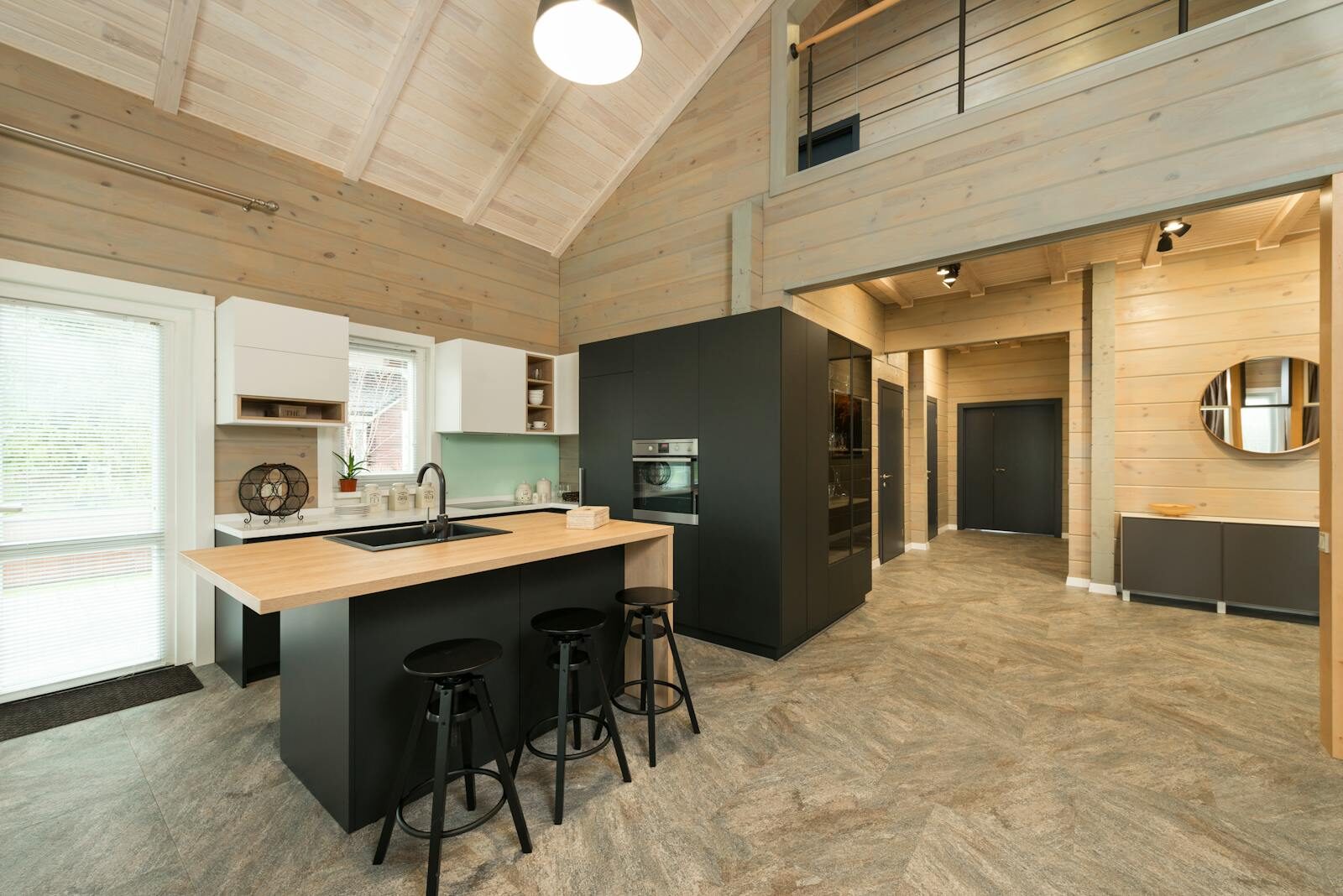
There is a quiet confidence to a well-chosen bar stool. It does not shout for attention, but it changes everything — the way a kitchen island feels, the way a morning coffee tastes, the way guests linger a little longer after dinner. Among all the materials trending in American home design right now, hide stands out as one of the most versatile and enduring choices.
Whether you are drawn to the warmth of a Montana ranch-style kitchen or the clean geometry of a Manhattan loft, hide bar stools sit at the intersection of both worlds in a way that almost no other material can. I have spent years researching home furnishings and styling interiors, and in 2026, the demand for hide seating — particularly at kitchen islands and breakfast bars — is stronger than ever.
This guide breaks down exactly what to look for, which styles are leading the market this year, and how to pick the right hide bar stool for your specific kitchen aesthetic, budget, and lifestyle.
What Are Hide Bar Stools, Exactly?
Hide bar stools are seating pieces upholstered in animal hide — most commonly cowhide, but also goat hide, sheepskin (sometimes called shearling), and buffalo hide. The hide can be used in its natural form, retaining the original coat or fur, or it can be processed into smooth, finished leather. Each finish has a dramatically different personality.
- Natural cowhide keeps its original pattern — no two stools are alike. The black-and-white or brown-and-white markings give each piece a one-of-a-kind character that synthetic materials simply cannot replicate.
- Shearling or sheepskin adds a plush, inviting texture that feels luxurious underfoot and keeps warmth in colder climates — a big draw in northern states like Colorado, Minnesota, and the Pacific Northwest.
- Smooth processed hide offers a refined, modern look closer to fine leather, but with a more organic hand-feel. It ages beautifully over time, developing a patina unique to your home.
- Patchwork hide stitches together sections of hide in geometric or irregular patterns, blending craftsman artistry with bold visual texture.
Understanding the type of hide matters because it will determine care requirements, durability, and the overall aesthetic you land on.
Why Hide Bar Stools Work in Both Rustic and Modern Kitchens
This is the question I get asked most often, and the answer comes down to one word: texture.
In rustic kitchens — think reclaimed wood countertops, open shelving, farmhouse sinks, and warm amber lighting — hide feels completely at home. It echoes the natural, organic materials throughout the space. A raw cowhide stool next to a butcher block island does not need to try hard. It belongs.
In modern kitchens — polished concrete floors, waterfall quartz counters, handle-less cabinetry, and neutral palettes — hide introduces exactly the warmth and tactile contrast that makes a room feel lived-in rather than staged. A smooth, toned hide stool against a matte white island creates what interior designers call an “intentional tension,” where opposing elements actually elevate each other.
That adaptability is rare. And it is why hide has remained in designer showrooms from New York and Los Angeles to Nashville and Austin for decades, surviving every trend cycle with its reputation intact.
Key Features to Look for Before You Buy
Not all hide bar stools are built equally. Here is what to examine closely before making a purchase:
1. Hide Quality and Sourcing
Full-grain, top-quality hide will outlast bonded leather and faux alternatives by years, sometimes decades. Look for stools that specify full-grain or top-grain hide from reputable manufacturers. In the US market, brands that source from North American ranches or European tanneries tend to offer more consistent quality control. If sustainability matters to you — and increasingly it does — look for byproduct sourcing disclosures, which confirm the hide is a byproduct of the food industry rather than raised primarily for leather.
2. Frame Material and Construction
The frame does the heavy lifting. For long-term durability, a solid hardwood frame (oak, ash, or beech) or powder-coated steel is your best bet. Avoid particleboard cores or thin metal tubing that flexes under regular use. If you are buying for a household with kids or frequent entertaining, welded steel frames with leveling glides will handle daily punishment far better.
3. Height Options: Counter Height vs. Bar Height
This is the mistake most buyers make only once. Measure your counter or island before ordering.
- Counter height stools (24–26 inches seat height) are designed for standard counters at 34–36 inches.
- Bar height stools (28–30 inches seat height) work with bar-height counters and kitchen islands at 40–42 inches.
Many American homes built in the last decade have bar-height islands, so double-check yours.
4. Back vs. Backless Design
Backless stools offer a cleaner silhouette and tuck neatly under a counter, which maximizes visual space in smaller kitchens. Stools with a low back or full back provide more support and are a better fit for households where people sit for extended periods — think working from home, homework time, or slow Sunday brunches.
5. Swivel Function
Swivel bases add convenience in open-plan layouts where the kitchen flows into a living or dining area. They are especially popular in American homes where the island doubles as a social hub during gatherings.
6. Footrest Design
A solid, well-positioned footrest is a small detail with an outsized impact on comfort. Stools used for meals or long conversations should have a footrest positioned at a natural resting height. Wrought iron ring footrests are a classic detail on rustic styles; brushed brass or matte black crossbars suit modern kitchens well.
Best Hide Bar Stool Styles for Rustic Kitchens
If your kitchen leans toward the warm, handcrafted, and earthy side of design, these are the styles worth focusing on:
The Classic Cowhide Saddle Stool
Inspired by Western ranch seating, the saddle stool features a contoured seat shaped like — you guessed it — a saddle. Paired with natural black-and-white cowhide and a weathered iron or dark wood base, this style is the icon of American rustic interiors. It photographs beautifully, holds up to daily use, and becomes more characterful with age. This is the stool that looks at home under a kitchen beam or beside a stone backsplash.
Best for: Farmhouse kitchens, mountain cabin aesthetics, Texas Hill Country style, and Western-influenced homes throughout the American South and Southwest.
Shearling Upholstered Stool with Wood Legs
Thick, natural shearling over a turned oak or ash leg creates something that feels more like heirloom furniture than a bar stool. The natural cream or warm tan of undyed sheepskin brings softness to spaces dominated by harder materials. These stools are particularly popular in Colorado, Utah, and the Pacific Northwest, where the ski-cabin-meets-modern aesthetic has become a full-blown interior design movement of its own.
Best for: Transitional kitchens, alpine-inspired spaces, and any kitchen with natural wood cabinetry or stone countertops.
Patchwork Cowhide with Iron Base
Patchwork hide stitches together irregular sections of hide in a quilt-like pattern — often mixing brown, tan, black, and white panels. Set on a sturdy black iron base, this style reads as artisan and bold. It is a strong choice for kitchens that want character and are not afraid to make a statement.
Best for: Eclectic rustic kitchens, converted barn homes, industrial-farmhouse hybrids.
Best Hide Bar Stool Styles for Modern Kitchens
Modern kitchens call for stools that bring warmth without visual noise. These styles deliver:
Smooth Hide in Muted Tones
A clean, straight-lined stool upholstered in smooth processed hide — think warm taupe, cognac, or slate grey — is one of the cleanest ways to bring organic texture into a contemporary kitchen. The hide reads as refined rather than rustic when paired with geometric stitching details and a powder-coated metal base in black, brass, or satin nickel.
Best for: Minimalist kitchens, Scandinavian-influenced interiors, and any space with a neutral, monochromatic palette.
Low-Back Hide Stool on Brushed Steel Legs
The low-back design gives just enough lumbar support without competing with a kitchen’s clean sightlines. A slim brushed steel or solid brass base keeps things grounded in the modern camp while the hide seat adds the warmth that prevents modern kitchens from feeling clinical. This is a consistently popular choice in West Coast homes, particularly in California and Washington, where indoor-outdoor living meets design-forward sensibility.
Best for: Open-plan modern kitchens, Japandi (Japanese-Scandinavian) interiors, coastal modern homes.
Hairpin Leg Stool with Hide Seat Pad
The hairpin leg — thin, bent-rod steel — has had a remarkable second life in contemporary design. When topped with a simple round or square hide seat pad, it creates a stool that feels both retro and thoroughly modern. These work especially well in urban loft kitchens in cities like Chicago, Brooklyn, and Denver.
Best for: Loft kitchens, mid-century modern spaces, and smaller kitchen footprints where visual lightness matters.
Hide Bar Stools: Care and Maintenance Tips
One of the most common concerns buyers share with me is: How do I actually take care of hide? The good news is that natural hide is more forgiving than most people expect.
- Dust regularly with a dry or very slightly damp cloth. Natural hide does not need frequent deep cleaning.
- Condition twice a year using a quality leather or hide conditioner. This prevents drying and cracking, particularly in climates with low humidity — common in the Mountain West and Southwest.
- Blot spills immediately. Do not rub. Rubbing pushes liquid deeper into the material. A clean, absorbent cloth pressed firmly onto the spill is all you need for most accidents.
- Keep away from direct sunlight when possible. Extended sun exposure can fade and dry natural hide faster than almost anything else. If your kitchen has south-facing windows, consider rotating the stools occasionally or using window film.
- Avoid harsh chemical cleaners. Saddle soap, followed by a conditioning product, is the time-tested standard for cleaning natural hide without stripping its natural oils.
- For shearling: Brush occasionally with a soft bristle brush to keep the wool from matting. Spot clean with a damp cloth and mild soap, then allow to air dry completely before use.
With basic care, a quality hide bar stool purchased today should last 15 to 25 years — significantly longer than most fabric or bonded leather alternatives.
Pricing Guide: What to Expect in the US Market in 2026
Hide bar stools span a wide price range depending on material quality, construction, and brand positioning.
- Entry-level ($150–$300): Mass-market options often featuring processed or split-grain hide over simple metal frames. Fine for occasional use, but expect to replace them sooner.
- Mid-range ($300–$700): The sweet spot for most American households. Solid wood or welded steel frames with genuine top-grain hide. Good brands in this range include those sold through specialty furniture retailers and mid-tier home goods stores.
- High-end ($700–$1,500+): Custom and artisan-made options with full-grain or natural cowhide, hand-stitched details, and hardwood frames. Worth the investment for spaces where quality and longevity matter.
Keep an eye on retail sales events — particularly Memorial Day, Labor Day, and Black Friday — when furniture retailers across the US commonly discount seating by 20 to 40 percent.
How to Style Hide Bar Stools in Your Kitchen
A few practical styling principles that interior designers consistently apply:
Match metal finishes intentionally. If your kitchen hardware is brushed brass, look for stools with brass or gold-tone bases. If you have matte black faucets and pulls, black iron or powder-coated steel frames will create cohesion.
Vary textures, not colors. The most visually satisfying kitchens tend to keep a tight color palette but layer different textures — smooth quartz, rough wood grain, matte tile, and natural hide. The hide stool does the heavy lifting in this equation.
Odd numbers work. Groupings of three or five stools at a long island have more visual dynamism than even-numbered groupings. This is a small detail, but it matters in photographs and in person.
Leave breathing room. Allow at least 6 to 8 inches of space between stools for comfortable seating. Crowding stools together is one of the most common layout mistakes in American kitchens.
Layer with rugs. A natural fiber or jute runner beneath the island, paired with hide stools above, creates a layered, designer-quality look without any structural changes to the kitchen.
For further inspiration on coordinating your kitchen seating with broader interior design principles, check out our guide on choosing the right kitchen island seating for your home — it covers proportion, layout, and style matching in detail.
What the Experts and Interior Designers Are Saying in 2026
The conversation in the American design community right now is moving away from purely trend-driven purchases and toward intentional, long-lasting choices. According to the American Society of Interior Designers (ASID), homeowners are prioritizing natural materials, artisan craftsmanship, and furniture pieces that improve with age — a philosophy that hide seating embodies almost perfectly.
The shift is partly economic — people who invested in quality pieces during the home-renovation boom of the early 2020s are reaping the rewards of durability — and partly a cultural reaction to the disposable aesthetic of fast furniture. Hide bar stools land squarely in the “buy once, buy well” category that is defining how American households approach kitchen design in 2026.
Final Thoughts: Is a Hide Bar Stool Right for Your Kitchen?
If you want seating that holds its character across decades, works with more than one design direction, and only gets better-looking as the years pass, hide bar stools are a sound investment. They are not the cheapest option on the market, and they require slightly more care than a wipe-clean vinyl seat — but for most households, that tradeoff is straightforward.
The key is buying right the first time: measure your counter height, choose a frame material built for longevity, and select a hide finish that genuinely suits your kitchen’s personality rather than what is trending on social media this month.
A well-chosen hide bar stool is not a purchase you will revisit in two years. It is the kind of piece you point out to guests, the kind that shows up in family photos, and the kind your kids eventually argue over when they move out.
That is worth thinking carefully about — and worth spending a little more to get right.