

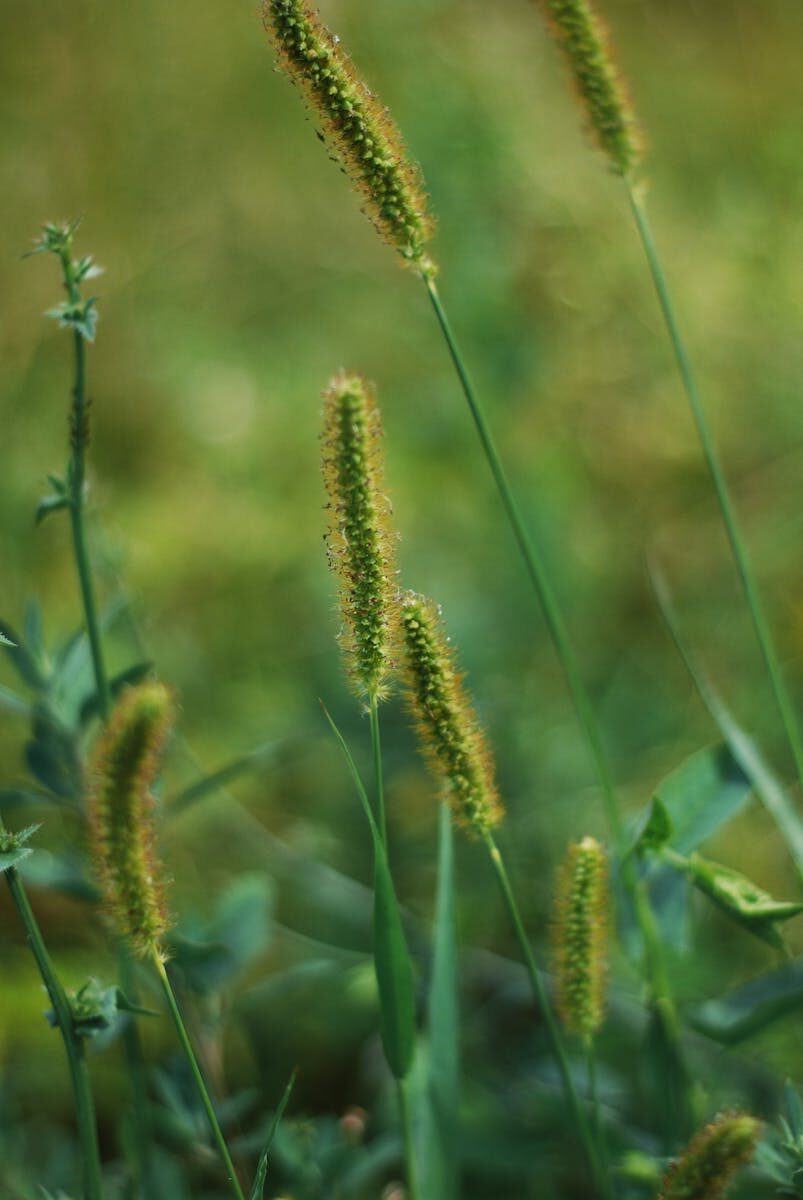
If you’ve ever managed a hay field, kept horses, or raised livestock in the American Midwest or Northeast, you already know the name Timothy grass. It’s the backbone of quality hay production across the country — trusted by farmers for generations for a reason. But growing Timothy grass the right way, the kind that gives you dense, nutritious yields season after season, takes more than just scattering seed and hoping for rain.
I’ve spent years working with forage crops across the northern United States, and Timothy grass remains one of the most rewarding — and most misunderstood — crops a farmer or hobby homesteader can grow. This guide covers everything: from soil prep and seeding to cutting schedules, regional considerations, and how to push your yields higher without burning out your fields.
Let’s dig in.
What Is Timothy Grass (And Why It’s Worth Growing)?
Timothy grass (Phleum pratense) is a perennial cool-season bunchgrass native to Europe but now deeply established across North America. It’s the gold standard for horse hay, prized for its high palatability, consistent nutritional profile, and clean, golden appearance when properly cured.
It’s also widely used in:
- Dairy and beef cattle hay — especially as a blended legume-grass mix
- Erosion control and cover cropping
- Wildlife habitat improvement in the Upper Midwest and New England
- Specialty pet hay (rabbits, guinea pigs) — a growing niche market in 2026
Timothy is not a warm-season grass. It thrives in cool, moist climates and does best in USDA Hardiness Zones 3–8. If you’re in the Deep South or Southwest desert regions, it’s not the right fit. But if you’re in Ohio, Pennsylvania, Wisconsin, New York, Minnesota, Montana, or the Pacific Northwest — Timothy is arguably your most reliable forage crop.
Best Climate and Regional Conditions in the USA
Before you order seed, be honest about your geography.
Ideal growing states for Timothy grass:
- Upper Midwest: Wisconsin, Minnesota, Michigan, Iowa, Illinois (northern regions)
- Northeast: New York, Pennsylvania, Vermont, New Hampshire, Maine
- Pacific Northwest: Oregon, Washington (especially west of the Cascades)
- Mountain West: Montana, Idaho, Colorado (higher elevations above 4,000 ft)
Why it struggles elsewhere:
Timothy goes dormant or dies out in hot, dry summers. In states like Kansas, Oklahoma, or Tennessee, summers are simply too hot and dry for it to persist as a perennial stand. In those areas, orchardgrass or tall fescue are better long-term options.
Rainfall requirements: Aim for 20–30 inches of annual precipitation, ideally spread through spring and early summer. Irrigation can compensate in drier regions but adds cost.
Choosing the Right Timothy Grass Variety
Variety selection matters more than most growers realize. Modern releases have significantly better disease resistance and yield potential compared to older generic “common Timothy” seed.
Top varieties worth considering in 2026:
| Variety | Best Use | Notable Trait |
|---|---|---|
| Climax | General hay production | High yield, excellent palatability |
| Clair | Northern USA, Canada | Cold tolerance, early maturity |
| Itasca | Upper Midwest | Rust resistance, dense stand |
| Phlewixx | Mixed hay systems | Strong regrowth after cutting |
| Tundra | Mountain West | Drought tolerance in cooler climates |
Always buy certified seed from a reputable dealer. Cheap bulk seed frequently contains weed contamination, lower germination rates, or mislabeled varieties — problems that cost you far more in the long run than the few dollars you saved upfront.
Soil Preparation: The Foundation of a High-Yield Stand
This is where most failures begin. Timothy is not forgiving of poor soil prep.
Soil pH
Timothy performs best at a soil pH between 6.0 and 6.5. Outside this range, nutrient availability drops sharply and stand establishment suffers.
Action step: Get a soil test done before you seed — not after. Your local USDA Cooperative Extension office offers low-cost testing (often $15–$25), and results usually include lime and fertilizer recommendations tailored to your region. It’s one of the best investments you can make per acre.
If your pH is below 6.0, apply agricultural lime 6–12 months before seeding if possible. Lime takes time to work into the soil profile.
Drainage
Timothy hates wet feet. Fields with poor drainage, standing water, or compacted hardpan layers will produce thin, patchy stands and invite disease. Before seeding:
- Address obvious drainage problems with tiling or grading
- Subsoil compaction layers (plow pan) should be broken with a subsoiler if present
- Avoid seeding in low-lying areas that collect water after heavy rain
Seedbed Preparation
A firm, fine seedbed is non-negotiable. Timothy seed is tiny — about 1,230,000 seeds per pound — and needs excellent seed-to-soil contact to germinate reliably.
- Till the field to 4–6 inches, removing clods and debris
- Disk and drag to level the surface
- Roll or cultipack after seeding — this single step dramatically improves germination rates
If you’re no-till seeding into an existing sod, make sure to use a quality no-till drill that cuts through residue and places seed at the proper depth.
When to Plant Timothy Grass
Timing is one of the most critical factors in stand establishment. Get it wrong and you’re fighting weeds and thin patches all season.
Two Planting Windows
1. Late Summer / Early Fall (Best Option)
The ideal window in most northern US states is mid-August through mid-September.
Why it works so well:
- Soil temperatures are warm (above 50°F), which promotes fast germination
- Weed pressure is naturally lower than in spring
- Young seedlings establish before frost but face no summer heat stress
- The stand overwinters and explodes with growth the following spring
2. Early Spring
Spring seeding works when fall wasn’t possible. Aim to seed as early as the ground can be worked — often March or April depending on your state.
The challenge with spring seeding is weed competition. Cool-season weeds like chickweed and foxtail take advantage of the same conditions Timothy prefers. Using a companion crop (nurse crop) of oats at reduced seeding rates can help suppress weeds while Timothy establishes.
Seeding Rates and Methods
Seeding Rate
- Alone (pure stand): 8–10 lbs of pure live seed (PLS) per acre
- Mixed with legumes (clover, alfalfa): 4–6 lbs Timothy + appropriate legume rate
- Overseeding into existing stand: 4–6 lbs per acre
Don’t over-seed. Excessive seeding rates create overly dense, weak plants that compete with each other and thin out quickly.
Seeding Depth
¼ inch or less. This is critical. Timothy seed is tiny, and planting deeper than ½ inch means many seeds never emerge. Shallow placement with a firm seedbed is the winning formula.
Seeding Equipment
- Drill seeder: Best option; places seed at consistent depth and improves establishment by 20–30% vs. broadcast
- Broadcast spreader + cultipack: Acceptable, especially for large acreage where drilling isn’t practical
- Frost seeding: Can work in late winter (February–March) for overseeding thin stands; freeze-thaw cycles work seed into the soil naturally
Fertilizing Timothy Grass for High Yields
Feed your grass and it will feed your animals. Timothy responds well to balanced fertility, but the timing and nutrient ratios matter.
Nitrogen (N)
Nitrogen is the primary driver of Timothy yield. However, how and when you apply it depends on your system:
- Pure Timothy stands: Apply 50–80 lbs of nitrogen per acre per year, split between early spring and after first cut
- Timothy-legume mixes: Use less nitrogen (25–40 lbs/acre) — the legume fixes its own. Over-fertilizing with N in a mixed stand suppresses the legume component
Avoid heavy fall nitrogen applications. Late nitrogen pushes lush growth that is vulnerable to winter injury and disease.
Phosphorus (P) and Potassium (K)
Base applications on your soil test. As a general starting point for established stands:
- Phosphorus (P₂O₅): 40–60 lbs/acre annually
- Potassium (K₂O): 60–100 lbs/acre annually (Timothy removes substantial K in hay — replace it)
Potassium deficiency is one of the most common causes of stand thinning after several years of hay production. Don’t skip the K.
Sulfur
In many western and Midwest soils, sulfur deficiency is increasingly common. A yearly application of 10–15 lbs sulfur per acre (as ammonium sulfate or gypsum) pays dividends in both yield and protein content.
Irrigation Needs
In its natural range, Timothy usually gets enough rainfall. But in drier years or drier regions where you’re pushing production:
- Apply 1–1.5 inches of water per week during active growth periods
- Irrigate after each cutting to promote rapid regrowth
- Avoid overhead irrigation late in the day (leaves stay wet overnight → disease risk)
- Drip or flood irrigation is appropriate for large-scale operations in the Mountain West
Cutting and Harvest: Timing Is Everything
This is where high-yield Timothy production diverges from average production. The cutting stage at harvest is arguably the single biggest factor affecting both yield and quality.
When to Cut
The textbook answer: cut at early heading to full head emergence (boot stage to early anthesis).
Here’s the practical breakdown:
- Before heading (vegetative stage): High protein, highly digestible, but lower yield and reduced stand persistence. Best for performance horses or premium hay markets.
- Early to mid-head (boot stage): The sweet spot for most operations — excellent balance of yield, protein (10–12%), and fiber
- Full bloom to late head: Higher yield, but protein drops, ADF/NDF climb, and palatability decreases. Avoid this stage if selling premium hay.
For maximum stand persistence: Never cut more than 3 times per year in the northern USA. Two cuts per season is ideal for long-term stand health.
Cutting Height
Leave 3–4 inches of stubble after cutting. Cutting too low (scalping) removes growing points, stresses the plants, slows regrowth, and dramatically shortens stand life. This is one of the most common mistakes new hay growers make.
Drying and Curing
Proper curing is just as important as cutting at the right time.
- Allow hay to wilt to 40–50% moisture before raking
- Ted or rake gently to avoid leaf shatter (leaves contain the most nutrients)
- Bale at 18% moisture or below for small square bales; 16% or below for large round bales stored outside
- Use a moisture probe — guessing costs you money through spoilage or barn fires
Managing Pests and Diseases
A healthy, well-managed Timothy stand has good natural resistance. Problems usually stem from stressed plants or poor management.
Common Diseases
Timothy Stem Rust (Puccinia phlei-pratensis): Orange pustules on stems and leaves; most common in humid summers. Use rust-resistant varieties like Itasca and avoid excessive nitrogen. Fungicide application is rarely economical.
Leaf Blotch (Cladosporium phlei): Dark lesions on leaves in wet weather. Ensure adequate air circulation; avoid over-dense stands.
Crown and Root Rot: Usually linked to poor drainage and winter injury. The fix is drainage improvement and proper soil pH management.
Common Pests
Armyworms and Grasshoppers: Can cause significant defoliation in outbreak years. Scout fields regularly during summer. Contact your local extension office for threshold and treatment guidelines specific to your state.
Meadow Voles: More damaging than most growers acknowledge. Voles tunnel through stands during winter under snow cover, girdling crowns and killing patches. Reducing dense residue before snowfall and managing populations with trapping or habitat modification helps.
Overseeding and Stand Renovation
Even well-managed Timothy stands thin out over time. Plan for renovation every 5–7 years, or sooner if stand counts drop below 5–6 plants per square foot.
Renovation options:
- Frost seeding in February–March: Low-cost, low-disturbance; works well for light thinning
- Slit-seeding (no-till drill into existing sod): Good option when weeds aren’t a serious problem
- Full renovation: Till out the old stand, correct soil fertility and pH, re-establish from scratch. Best for weed-infested or heavily degraded fields.
Before renovating, ask yourself why the stand thinned. If it was a fertility issue or cutting management problem, fix that first — or the new stand will fail the same way.
Timothy Grass in a Pasture vs. Hay System
Most Timothy is grown for hay, but it can work in rotational grazing systems with some important caveats:
- Timothy does not tolerate continuous or heavy overgrazing — it will thin and disappear within 2–3 seasons
- In rotational systems, allow the stand to reach 8–10 inches before turning livestock in, and rotate out when grazed to 3–4 inches
- Rest periods of 30–45 days between grazing events are necessary for persistence
- For permanent heavily-grazed pastures in the northern USA, orchardgrass or Kentucky bluegrass are more durable choices
Expected Yields: What’s Realistic?
Here’s what you can reasonably expect from a well-managed Timothy stand in the United States:
| Region | Avg. Yield (Tons/Acre/Year) | Top Potential |
|---|---|---|
| Upper Midwest (WI, MN) | 2.5 – 3.5 | 4.5+ |
| Northeast (NY, PA, VT) | 2.0 – 3.0 | 4.0 |
| Pacific Northwest | 3.0 – 4.5 | 6.0+ (irrigated) |
| Mountain West (irrigated) | 3.0 – 5.0 | 7.0 (high elevation, irrigated) |
Hitting top-end yields requires the full package: right variety, optimal pH, timely fertility, proper cutting management, and adequate moisture. Miss one of those factors and yields drop accordingly.
Economic Considerations in 2026
Timothy hay prices across the USA remain strong in 2026, driven by sustained demand from the equine industry and a growing specialty pet hay market. Premium horse-quality Timothy from the Pacific Northwest is routinely selling at $350–$500 per ton at the farm gate for first-cut premium bales, with some direct-to-consumer sales exceeding those figures.
For Midwest and Northeast producers, local hay markets vary significantly. Building direct relationships with horse owners, boarding stables, and small farms in your region consistently outperforms selling through brokers on per-ton margins.
Input costs — particularly nitrogen fertilizer and diesel — have stabilized from their 2022–2023 highs but remain elevated compared to pre-2020 baselines. Detailed enterprise budgets for your state are available through your USDA Cooperative Extension Service — a resource I’d strongly recommend bookmarking for annual updates on input costs and hay price data.
Quick-Reference Growing Checklist
Use this before each season to stay on track:
- [ ] Soil test completed; pH 6.0–6.5 confirmed or lime applied
- [ ] Certified seed purchased (appropriate variety for your region)
- [ ] Seedbed prepared: firm, fine, weed-free
- [ ] Seeding depth: ¼ inch or less; cultipacked after seeding
- [ ] Nitrogen split-applied: spring + post-first-cut
- [ ] P and K applied per soil test recommendations
- [ ] First cut timed to boot stage / early heading
- [ ] Stubble height maintained at 3–4 inches minimum
- [ ] Baling moisture: ≤18% (small squares) / ≤16% (round bales)
- [ ] Stand count checked each fall; overseed if needed
Frequently Asked Questions
How long does a Timothy grass stand last? With good management — proper cutting height, fertility, and drainage — a Timothy stand can persist 6–10 years. Without proper care, stands commonly thin out by year 3 or 4.
Can I grow Timothy grass in the South? It’s not well-suited to hot, humid southern summers. In transitional zones (Zone 7), it may survive as a winter annual but won’t persist as a true perennial. For southern hay production, consider bermudagrass, bahiagrass, or tall fescue.
How soon after seeding can I cut Timothy? Don’t cut a seeding-year stand for hay. In the establishment year, a light grazing or “clipping” to reduce weed competition is acceptable, but a full hay harvest stresses the young plants severely. Begin full hay production in year two.
Is Timothy grass good for horses? Yes — it’s widely considered the best hay for horses, particularly for maintenance horses, easy keepers, or horses prone to metabolic issues, because of its moderate protein, lower sugar content compared to orchardgrass, and excellent palatability. Many equine veterinarians and nutritionists specifically recommend it. For detailed equine hay nutrition guidance, Virginia Cooperative Extension’s Horse Feeding Guide provides well-researched regional recommendations.
Does Timothy grass come back every year? Yes, it is a perennial grass. A properly established stand comes back each spring without reseeding, provided it is managed correctly and not subjected to severe drought, disease, or overgrazing.
Final Thoughts
Growing Timothy grass well isn’t complicated — but it is detail-oriented. The farmers who consistently produce premium hay year after year aren’t doing anything magical. They get their soil right, they plant good seed at the right time, they cut at the right stage, and they leave enough stubble to let the stand recover. Repeat that cycle with attention and discipline, and Timothy grass will reward you with some of the finest hay you’ve ever put in a barn.
If you’re just getting started, don’t try to perfect everything at once. Get your soil tested, buy certified seed, and nail your cutting timing. Those three steps alone will put you ahead of most producers in your area.
For more in-depth guidance on forage management and pasture planning, explore our forage crop growing guides for companion crops like alfalfa and orchardgrass that pair beautifully with Timothy in mixed hay systems.