

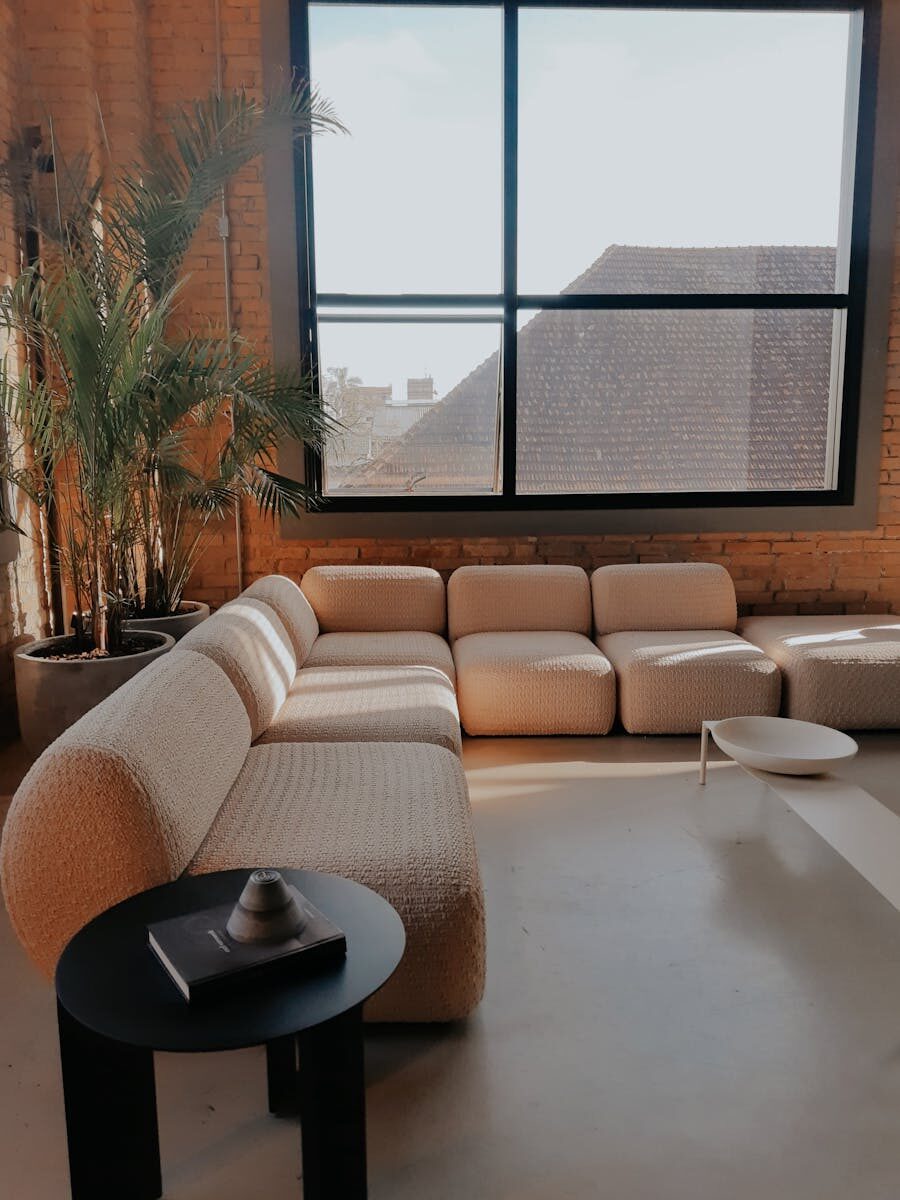
Some furniture pieces are functional. Some are pretty. And then — every once in a long while — something comes along that makes you stop scrolling, screenshot it immediately, and text it to three people saying “we NEED this.”
That’s the Yeti Couch.
Whether you stumbled across the iconic original pink cloud sofa on Instagram or you’ve been eyeing one of the newer plush sectional interpretations that have flooded the American home décor market, you’re in the right place. This guide covers what a Yeti Couch actually is, the design history behind it, every major option available in 2026 across different budgets, what to look for before you buy, and how to keep it looking pristine for years.
Let’s get into it.
What Is a Yeti Couch?
The term “Yeti Couch” can refer to two related but distinct things, and it helps to understand both before you go shopping.
The original: The Yeti Sofa is a specific furniture design created by St. Petersburg-based digital artist Vladimir Naumov. In 2020, Naumov posted a series of 3D renders on social media showing a cloud-shaped sofa upholstered in soft, shaggy fur. The images went massively viral, racking up hundreds of thousands of interactions before Spanish furniture company Missana partnered with him to bring the design into physical production. The collaboration — dubbed LAB.02 — resulted in a real, purchasable sofa constructed from a pinewood and plywood frame, CMHR foam cushioning, and Mongolian fur upholstery available in pink, beige, black, and lilac.
The broader category: Since the original Yeti design exploded in popular culture, “Yeti Couch” has evolved into a broader descriptor for any oversized, plush, cloud-like sofa with a soft, shaggy, or heavily textured upholstery — the kind of couch that looks like you could disappear into it and not be seen until Thursday. Think deep down-filled cushions, voluminous silhouettes, and fabrics that beg to be touched. RH (Restoration Hardware), Timothy Oulton, Really Cool Living, and several boutique American furniture brands now offer their own interpretations of this aesthetic.
For the purposes of this buying guide, we’re covering both — the original design and the full landscape of Yeti-style couches worth considering in 2026.
The Origin Story: How a 3D Render Became a Design Movement
Understanding where the Yeti Couch came from helps you appreciate why it’s worth the investment — and explains why knockoffs rarely capture the same magic.
Vladimir Naumov, a digital artist based in St. Petersburg, teamed up with Missana LAB — a research division of Spanish furniture company Missana — to bring one of his 3D designs into the real world. The goal of the collaboration was to bridge the gap between digital artistry and traditional craftsmanship.
Inspired by the different shapes of clouds, Naumov drew the soft, voluminous lines that set up the design for this collection. But after combining the design with a “faux lama fur” covering, the initial perception changed completely — suddenly evoking the mythical snowman, the Yeti.
When Naumov first shared the Yeti Sofa in 2020, the viral image received hundreds of likes before being picked up by Missana for production. Its physical counterpart features a structure made from a mix of pinewood, plywood and tablex, with a cushion filling system that uses CMHR foam. The sofa’s hairy upholstery has been recreated using Mongolian fur, available in pink, beige, black and purple.
What started as a single social media moment has since sparked an entire aesthetic category in American home furnishings. As of 2026, you can find Yeti-style couches at price points from under $1,000 all the way to $14,000+ through luxury retailers — and the look shows no signs of slowing down.
Why the Yeti Couch Aesthetic Has Staying Power in 2026
Trends come and go. Cloud couches, bouclé armchairs, and shaggy furniture in general have been cycling in and out of interior design cycles for decades. But the Yeti Couch has something the average trend doesn’t: it occupies a specific emotional space.
It’s not just furniture. It’s a statement that your home is a place for deep comfort, not performance. In a time when many Americans have fundamentally changed how they use their living spaces — remote work, hybrid schedules, and spending more intentional time at home — investing in a couch that looks genuinely enveloping makes perfect sense.
The Yeti aesthetic also photographs beautifully, which doesn’t hurt. It reads as simultaneously cozy and high-design, which is an increasingly rare combination in the mid-range furniture market.
Here in the USA, the aesthetic aligns particularly well with the current wave of maximalist interior design gaining ground in cities like Austin, Portland, Brooklyn, and Denver — where homeowners are actively moving away from the minimalist, all-beige aesthetic that dominated the 2010s.
Types of Yeti Couches: What’s Actually on the Market in 2026
Before you pull out your credit card, it helps to understand the distinct categories available so you can match the right type to your space, lifestyle, and budget.
The Original Designer Yeti (Missana / Pepe Albargues): This is the one that started it all. The Missana LAB Yeti Sofa — now distributed through high-end retailers like Pepe Albargues and available through platforms like 1stDibs — is a genuine collector’s piece. It’s handcrafted, made to order from Spain, and upholstered in actual Mongolian fur. Lead times can run four months or more. Pricing is in the $10,000–$13,000 range, which puts it squarely in the luxury investment category. If you want the original and can afford it, nothing else compares.
The Luxury American Interpretation (RH Yeti Collection): Restoration Hardware launched its own Yeti collection, which includes a sofa, armchair, ottoman, and chaise sectional. Designed by Oliver Oulton of London and inspired by 1970s postmodernism, the RH Yeti Chaise Sectional starts at $10,060 for members ($14,375 regular), while the Yeti Armchair starts at $2,895 member price. The RH version is more architectural and structured than the original Naumov design, but it carries the same sculptural, statement-piece energy. Available in RH showrooms across the USA, which makes it accessible for in-person shopping before committing.
The Bespoke Boutique Option (Adorn Croft): Adorn Croft offers bespoke Yeti sofas with cloud-like silhouettes and multi-layer high-density foam fillings, turning everyday lounging into a luxurious escape. These are customizable, made-to-order pieces that let you choose your own fabric from a curated sample program — they’ll even send swatches to your home before you decide. This is a strong option for buyers who want something tailored to a specific room size or color palette.
The Best Mid-Range Buy (Really Cool Living Yeti Sectional): For American shoppers who want the Yeti aesthetic without the five-figure price tag, the Really Cool Living Yeti Sectional is one of the most talked-about options in 2026. Crafted with thick corduroy fabric and luxurious down and feather cushions over tempurpedic-style memory foam, it’s endlessly modular and rearrangeable into any configuration. If your household grows, you simply add a seat instead of buying a new sofa. Removable and washable covers are machine washable on delicate, and individual cover replacements are available for $30. Available in gray and sand, it comes in 2-piece, 4-piece, and 5-piece configurations including L-shapes and double-chaise arrangements.
The High-Design Shaggy Option (Timothy Oulton): The Timothy Oulton Shaggy Sofa in the Yeti finish uses long-haired shaggy sheepskin with bold curves, a generously deep seat, and plump cushioning for maximum sink-in comfort. It’s available as a 1-seater or 2-seater, and also as a recliner version. This is a piece for someone who wants the tactile drama of the original Yeti concept but in a slightly more restrained, British-crafted form.
The Accessible Luxury Option (CharmyDecor / Faux Fur Versions): A range of brands now offer faux lama fur Yeti-style sofas at significantly more accessible price points, typically in the $1,500–$4,000 range. These imitates the original’s minimalistic soft cloud aesthetic, with bloated forms designed to cover you with a feeling of comfort. The faux lama fur upholstery is designed to make the piece the most remarkable part of any interior. Quality varies considerably in this tier — see the buying guide section below for what to check before purchasing.
Complete Buying Guide: What to Look For Before You Buy
Shopping for a Yeti-style couch is different from buying a standard sofa. The materials, construction quality, and care requirements are all more specialized. Here’s what to evaluate before you commit.
Frame Construction
The frame is the skeleton of your couch — and with an upholstered piece this statement-making, a weak frame is heartbreaking. Look for:
Solid wood or engineered hardwood frames (pine, beech, or birch are all good). Avoid couches with particleboard or MDF frames, which are prone to warping and breaking under regular use. The original Missana design uses a pinewood, plywood, and tablex combination — a solid benchmark for quality.
Corner blocking and cross-support joints. Quality frames use corner blocks glued and screwed into place, not just stapled. Ask the retailer specifically about frame joints if you can’t inspect in person.
Kiln-dried lumber is another marker of quality — it resists warping over time far better than green or air-dried wood.
Cushion Fill and Comfort
This is where Yeti-style couches vary the most dramatically across price tiers.
The best option: A combination of high-resilience CMHR foam wrapped in down and feather, with down-filled channel-sewn cushion tops. This gives you the lush, cloud-like look while still maintaining support over time. The Really Cool Living Yeti uses this exact construction.
What to avoid: Pure memory foam alone tends to sleep hot and can feel “stuck” rather than enveloping. Polyester fiberfill alone flattens quickly and looks deflated within months of regular use. Low-density foam (under 1.8 lbs per cubic foot) compresses permanently under repeated use.
Seat depth matters enormously for the Yeti aesthetic. You want at least 24 to 28 inches of seat depth to get the true “sink in” experience. Shallower seats undermine the whole point of this style of couch.
Upholstery: Fur, Faux Fur, and Corduroy
The upholstery is what makes a Yeti Couch a Yeti Couch, so don’t cut corners here.
Genuine Mongolian fur (as used in the Missana original and Timothy Oulton pieces) is the most luxurious and dramatic option. It’s also the most demanding to care for and the most temperature-sensitive — it can flatten in high-humidity environments common in parts of the Southeast USA.
High-quality faux lama fur is an ethical, lower-maintenance alternative that performs well in most home environments and can look nearly identical to the genuine article from across the room. Check the pile density — a thicker, denser pile holds its shape and texture longer.
Thick corduroy (as used in the Really Cool Living Yeti Sectional) is the most practical option for families with children or pets. It’s durable, machine washable when removable, and has enough texture to read as cozy and substantial without the maintenance complexity of fur upholstery.
Questions to ask before buying:
- Is the fabric removable and washable?
- Is it treated for stain resistance?
- What’s the rub count (Martindale or Wyzenbeek test rating)? Anything above 15,000 is acceptable for everyday use; 25,000+ is preferred for households with children.
- Does the seller offer replacement covers?
Modular vs. Fixed Configuration
This is a practical decision that’s often overlooked.
A fixed Yeti sofa is a commitment. It looks spectacular, but if you move, renovate, or change your layout, it goes where you put it or nowhere. For renters in cities like New York, Chicago, Los Angeles, or Seattle — where apartments change frequently — a modular Yeti sectional like the Really Cool Living version gives you the same aesthetic payoff with far more flexibility.
Modular configurations also let you scale up or down as your household changes, which is a meaningful financial advantage over the long term.
Size and Room Planning
The volumetric, cloud-like silhouette of a Yeti-style couch takes up visual space even when it isn’t physically large. A 3-seater Yeti sofa will dominate a small room in a way that a standard 3-seater sofa might not.
A few practical rules of thumb:
- Leave at least 18 inches of walking space around the couch on all open sides.
- The sofa should not exceed two-thirds of the room’s width in any orientation.
- In open-plan living areas, a Yeti sectional can function as a natural room divider — but position it so the “back” view is also visually intentional, since Yeti-style upholstery looks good from all angles.
- Measure your doorways and hallways before ordering. Many Yeti-style pieces require disassembly or special delivery — confirm this with the retailer upfront.
Delivery, Lead Time & Returns
This category bites more Yeti couch buyers than any other. Important things to confirm:
Lead time: Made-to-order pieces (Missana, Adorn Croft, some RH configurations) can take 8 to 16 weeks. Build this into your timeline — especially if you’re furnishing a new home or apartment.
White glove delivery: For any sofa over $2,000, insist on white glove delivery (brought inside, positioned, packaging removed). Standard curbside delivery of a large, upholstered piece is a liability.
Return policy: Fur and high-pile upholstered pieces are notoriously difficult to return. Many retailers either don’t accept returns or charge significant restocking fees. Know the return window and condition requirements before you purchase.
Price Tiers: What to Expect at Every Budget
Here’s an honest breakdown of what your dollar buys in the Yeti couch market in 2026:
Under $1,500: At this price point, you’ll find faux fur or plush velvet Yeti-inspired couches from direct-to-consumer brands and online marketplaces. Cushion quality and frame durability are inconsistent. The aesthetic can be on point, but longevity is a question mark — plan for a 3 to 5 year lifespan under regular use. Good for: renters, first apartments, guest rooms.
$1,500 to $4,000: The sweet spot for most American buyers who want genuine quality without designer pricing. Really Cool Living’s Yeti Sectional configurations fall in this range, as do several quality faux fur options from boutique online retailers. Expect solid frames, decent cushion fill, and better warranty coverage. Good for: primary living rooms, families, buyers who want washable covers.
$4,000 to $8,000: Mid-luxury territory. Bespoke options, higher-grade fabrics, better craftsmanship, and longer manufacturer warranties. Adorn Croft and some Timothy Oulton configurations occupy this range. Good for: buyers making a long-term investment piece, premium primary seating.
$8,000 and above: Full luxury. RH Yeti, the original Missana/Pepe Albargues design, and comparable custom pieces. Genuine or premium faux fur, handcrafted frames, multi-month lead times, and the kind of build quality that lasts decades. Good for: design enthusiasts, primary statement furniture in a forever home.
Care Tips: Keeping Your Yeti Couch Looking Incredible
This is where a lot of buyers drop the ball — and then wonder why their gorgeous couch starts looking sad after a year. The upholstery on Yeti-style couches requires a different approach than your standard fabric sofa.
For Mongolian Fur and Genuine Shaggy Upholstery
Daily maintenance: Use your fingers to gently fluff and separate the fur pile after each use, especially in areas where you sit regularly. This takes about 30 seconds and makes a significant visual difference over time.
Spot cleaning: Use a clean, slightly damp cloth and a very small amount of mild, pH-neutral soap. Work from the outside of the stain inward. Never rub — blot and lift. Allow the area to air dry completely before fluffing.
Avoid heat. Never use a hairdryer or heat source to dry fur upholstery — it will irreversibly damage the fibers. Similarly, keep this style of couch out of direct, prolonged sunlight, which fades and dries out natural fur faster than almost anything else.
Professional cleaning: Plan for professional fur upholstery cleaning every 12 to 18 months, especially in urban environments where dust accumulates faster. A specialist in leather and fur upholstery cleaning is preferable to a general furniture cleaning service.
Humidity matters. In high-humidity regions of the USA — Florida, the Gulf Coast, coastal Southeast, Hawaii — natural fur upholstery requires extra ventilation and air conditioning to prevent mustiness and fiber clumping. A dehumidifier in the room is a worthwhile companion investment.
For Faux Lama Fur and High-Pile Synthetic Upholstery
Brush regularly. A wide-tooth pet comb or a soft boar-bristle brush used gently on the pile once or twice a week keeps faux fur looking full and prevents matting. This is especially important in high-traffic areas of the sofa.
Spot cleaning: Most quality faux fur responds well to a mild upholstery cleaner applied with a soft cloth. Always test in an inconspicuous area first.
Check care labels. Some faux fur covers can be removed and machine washed on a cold, gentle cycle with a small amount of gentle detergent — no bleach, no fabric softener (softener can coat synthetic fibers and make them flatten faster). Air dry only.
Lint rollers are your friend. Pet hair and lint cling to faux fur aggressively. Keep a wide-format lint roller nearby for quick maintenance between deeper cleaning sessions.
For Corduroy and Plush Velvet Versions
Vacuum weekly with a soft brush attachment, moving with the grain of the fabric to lift debris without compressing the pile.
Removable, washable covers (like those on the Really Cool Living Yeti Sectional) should be washed on the delicate cycle in cold water, dried on a low-heat or air-dry setting. Never wring or twist the covers — lay flat or hang to dry.
Rotate cushions monthly. Even with memory foam, regularly rotating and flipping cushions prevents permanent impression points and extends the visual life of the couch considerably.
For stains: Act immediately. Blot liquid spills with a clean, dry cloth. For food stains, a small amount of dish soap and cold water on a cloth (never applied directly to the fabric) works well for most common stains. Always test first.
Universal Care Tips for All Yeti Couch Styles
Keep away from direct heat sources. Radiators, heat vents, and wood stoves all dry out upholstery faster, especially natural fibers. Maintain at least 18 inches of clearance from any heat source.
Use arm covers or throws in high-traffic areas. The areas most vulnerable to accelerated wear on any sofa are the arm tops and the center-seat cushion. A well-placed throw or removable arm cover extends the life of the upholstery significantly.
Address repairs early. A loose seam or a small worn spot is a minor repair if caught early — and an expensive reupholster job if left too long. Most quality Yeti couch manufacturers offer replacement parts or can refer you to repair specialists.
Where to Buy a Yeti Couch in the USA: Top Sources in 2026
For the original design: The Missana Yeti is available through authorized retailers and design showrooms. 1stDibs and Chairish carry legitimate pieces. Verify authenticity with the retailer before purchasing secondhand versions.
RH Yeti Collection: Available in RH galleries across the USA, including flagship locations in New York, Chicago, Los Angeles, Dallas, and Miami. In-store purchasing is highly recommended for a piece at this price point — sit in it first.
Really Cool Living Yeti Sectional: Available through Really Cool Living’s online store and their St. Cloud, Minnesota showroom. Their online configuration tools let you build your exact layout before ordering.
Adorn Croft: Online bespoke ordering with a fabric swatch-by-mail program. USA-based customer service and shipping.
Timothy Oulton Shaggy (Yeti finish): Available through Timothy Oulton showrooms and their USA online store. White glove delivery available nationwide.
Yeti Couch Reviews at a Glance
Here’s a quick verdict on the leading options currently available in the USA:
Missana Yeti Sofa (Original) — ★★★★★ for design, ★★★★☆ for practicality. The definitive version. Worth the investment if you can afford it and are serious about design. Not ideal for households with young children or pets given the care requirements of genuine Mongolian fur.
RH Yeti Collection — ★★★★★ for build quality, ★★★★☆ for value. Exceptionally well-made, available for in-person testing at USA showrooms, and backed by RH’s customer service infrastructure. The most practical path to high-end Yeti aesthetic in the USA market.
Really Cool Living Yeti Sectional — ★★★★★ for value, ★★★★☆ for aesthetics. Our top recommendation for most American buyers. Modular, washable, and genuinely comfortable day-to-day. The corduroy fabric doesn’t hit quite the same visual drama as Mongolian fur, but the practical advantages are substantial.
Timothy Oulton Shaggy (Yeti finish) — ★★★★★ for tactile experience, ★★★☆☆ for ease of care. Stunning in person. The sheepskin upholstery is extraordinary but does require more attentive maintenance than synthetic alternatives.
Adorn Croft Bespoke Yeti — ★★★★☆ across the board. Solid customization options and quality materials. Lead times are long and the brand is less established than the others on this list, but early customer feedback in 2026 is positive.
Is a Yeti Couch Right for You? Honest Assessment
A Yeti Couch is absolutely the right choice if: you have a room large enough to let it breathe, you want your living room to make a genuine design statement, and you’re willing to spend a bit of extra time on upholstery maintenance.
It’s probably not the right choice if: you have multiple pets who shed heavily, you have young children in the messy-finger stage of life, or you’re looking for a piece you can ignore for years without it showing wear.
The good news is that the Yeti aesthetic is flexible enough that you can find a version that suits your real lifestyle — not just your aspirational Instagram one. The Really Cool Living Yeti Sectional, for instance, is genuinely family-friendly in a way that the Missana original simply isn’t.
Frequently Asked Questions
What exactly is a Yeti Couch? A Yeti Couch is either the specific sofa designed by Vladimir Naumov and produced by Missana LAB, or any oversized, plush, cloud-shaped sofa with shaggy, furry, or heavily textured upholstery inspired by that original design.
How much does a Yeti Couch cost? Prices range from under $1,500 for entry-level faux fur versions to $14,000+ for the RH Yeti Chaise Sectional and the original Missana design. Most quality mid-range options fall between $2,000 and $5,000.
Is the Yeti Couch practical for everyday use? Yes — depending on which version you choose. Corduroy and faux fur versions with removable, washable covers (like Really Cool Living’s Yeti Sectional) are very practical for daily household use. Genuine Mongolian fur versions require more careful maintenance and are better suited for households without young children or heavy-shedding pets.
How do I clean a Yeti Couch? Cleaning method depends on the upholstery type. Genuine fur requires professional cleaning every 12–18 months with careful spot treatment in between. Faux fur can often be spot cleaned at home and sometimes machine washed if covers are removable. Corduroy covers with removable slipcovers can usually be machine washed on delicate.
Is the Yeti Couch a passing trend or worth investing in? The Yeti Couch aesthetic has been gaining, not losing, momentum since the original design went viral in 2020. Cloud-like, deeply comfortable furniture is increasingly central to how Americans design their primary living spaces post-2020. Higher-quality versions are built to last decades — making them genuine long-term investments rather than trend purchases.
Can I find a Yeti Couch in physical stores in the USA? Yes. RH has showrooms in major American cities where you can sit in their Yeti collection before purchasing. Really Cool Living has a showroom in St. Cloud, Minnesota. Timothy Oulton has a USA showroom presence as well. For other options, online purchases are standard — look for brands that offer fabric swatches by mail before you commit.
How long does delivery take? Varies widely. In-stock versions from domestic brands can arrive in 2–4 weeks. Made-to-order pieces from Missana, Adorn Croft, or custom RH configurations typically take 8–16 weeks. Always confirm lead time before ordering, especially if you’re on a specific timeline.
Final Thoughts
The Yeti Couch isn’t just a furniture trend — it’s a declaration about how you want to inhabit your home. Whether you go for the original Missana design with its extraordinary Mongolian fur, the accessible and practical Really Cool Living Yeti Sectional, or the refined luxury of the RH collection, you’re investing in a piece that puts comfort and joy at the center of your living space.
Just buy the right version for your actual life, take the care tips in this guide seriously, and you’ll have a couch that earns its place as the anchor of your home for years.
For more guidance on choosing the right sofa style to match your space, check out our guide to Best Plush Sectional Sofas for Every Budget in 2026 for additional options worth considering alongside your Yeti Couch search.
And if you want to go deep on the design history behind the original Yeti Sofa and how it launched an entirely new furniture aesthetic, DesignWanted’s in-depth feature on the Missana x Vladimir Naumov collaboration is an excellent read.