

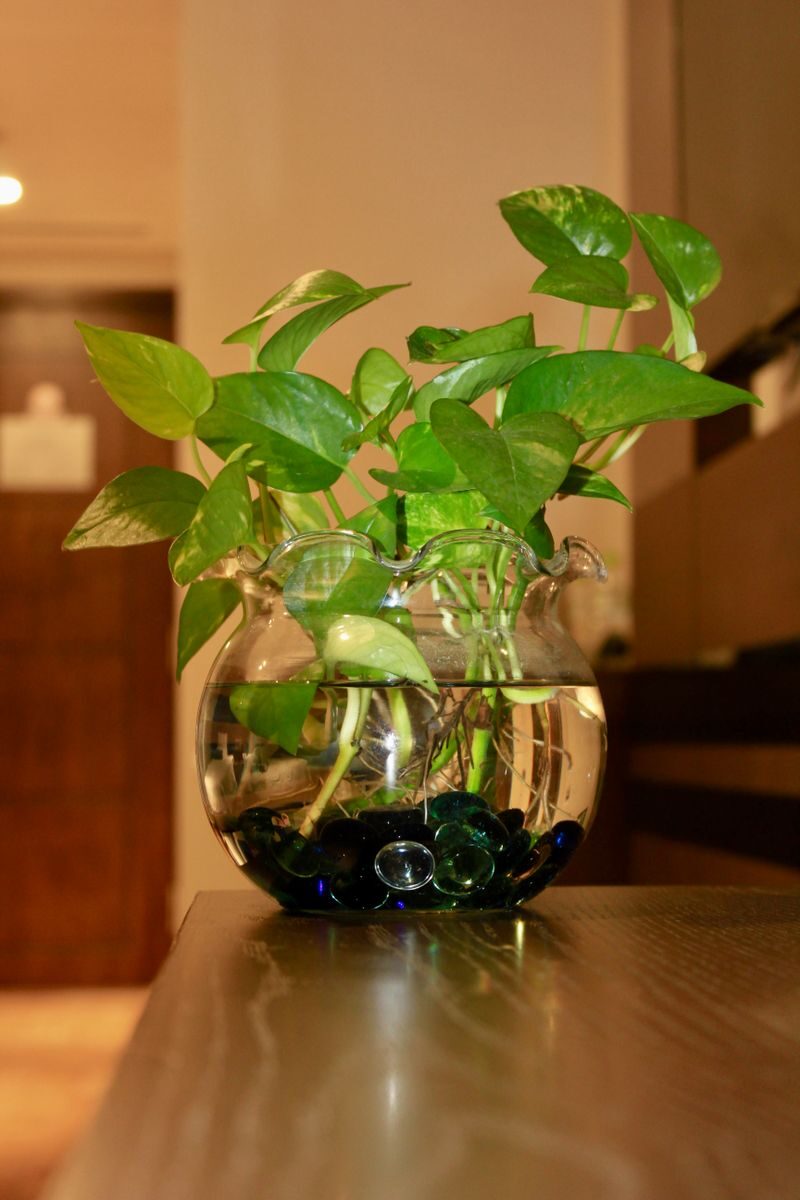
If you’ve ever killed a houseplant and sworn off trying again, the Jade Pothos will change your mind. I’ve kept dozens of houseplants over the years. I come back to this one every single time — not because it’s flashy, but because it’s almost impossibly easy to keep alive. And it still looks genuinely beautiful in any room.
The Jade Pothos (Epipremnum aureum ‘Jade’) is a solid, deep-green tropical vine. It’s become one of the most popular houseplants in American homes for good reason. It thrives in conditions that would stress most plants — low light, irregular watering, average household humidity. Whether you’re a first-time plant owner in a dim apartment or an experienced grower filling a high shelf with cascading vines, this plant delivers.
In this guide, I’ll walk you through everything you need to know to grow a thriving Jade Pothos in 2026. We’ll cover basic care requirements, propagation, troubleshooting, and the common mistakes that trip up even experienced growers.
Quick-Reference Care Summary
Before diving into the details, here’s a snapshot of what the Jade Pothos needs:
| Care Factor | Requirement |
|---|---|
| Light | Medium to bright indirect light; tolerates low light |
| Watering | When top 1–2 inches of soil are dry |
| Soil | Well-draining potting mix with perlite |
| Temperature | 65–85°F (18–29°C) |
| Humidity | Average household humidity; higher is better |
| Fertilizer | Balanced liquid fertilizer every 2–3 months in spring/summer |
| Repotting | Every 1–2 years or when root-bound |
| Toxicity | Toxic to cats, dogs, and humans if ingested |
What Is Jade Pothos? Plant Overview & Origins
The Jade Pothos is a variety of Epipremnum aureum. It’s a tropical vine native to French Polynesia, parts of Southeast Asia, and the Pacific Islands. What makes the ‘Jade’ cultivar unique is its uniformly solid, deep forest green foliage. There is no variegation whatsoever. If you spot any white, yellow, or cream markings on the leaves, you’re looking at a different variety. A true Jade has pure, glossy, heart-shaped leaves and nothing else.
That simplicity turns out to be one of its biggest advantages. Because the Jade Pothos has no variegated sections, all of its leaf tissue contains chlorophyll. As a result, it can photosynthesize at full capacity. This makes it significantly more tolerant of low light than variegated cousins like Golden Pothos, Marble Queen, or Snow Queen. It also tends to be hardier overall, with thicker leaves, stronger stems, and better drought resistance.
In its native environment, the Jade Pothos grows as a forest floor vine. It climbs trees and scrambles across the ground under a dense canopy. That background explains a lot about what it needs indoors: indirect light, warmth, and well-drained soil that dries out between rains. Keep those conditions in mind, and everything else falls into place naturally.
Light Requirements: Where to Place Your Jade Pothos
One of the most common questions new owners ask is how much light the Jade Pothos actually needs. The honest answer: it’s one of the most flexible plants you can own when it comes to lighting.
Ideal placement: Medium to bright indirect light is where your Jade Pothos will truly thrive. In practice, this means positioning it near a window that gets good natural light. However, direct sun shouldn’t fall on the leaves for long stretches. A spot on a shelf near an east- or west-facing window is genuinely ideal. North-facing windows work well too, especially in brighter rooms.
Low light tolerance: Unlike variegated pothos varieties, the Jade Pothos can be placed relatively far from a window. Because its solid green leaves contain more chlorophyll, it makes the most of limited light. If you have a dim corner or a space without much natural light, this is one of the few plants that will still grow — though more slowly.
What to avoid: Direct, harsh sunlight is the one thing your Jade Pothos genuinely dislikes. It’s adapted to growing under the forest canopy. So prolonged exposure to direct afternoon sun can cause leaf scorch — yellow or brown patches that won’t heal. If your only window gets intense direct sun, diffuse the light with a sheer curtain. Alternatively, pull the plant back a foot or two.
A practical tip worth following: rotate your plant by a quarter turn once a month. This ensures all sides receive even light exposure. It promotes fuller, more balanced growth rather than one-sided stretching toward the light source.
Watering: The Single Most Important Skill
Overwatering is, without question, the number one way people harm their Jade Pothos. This plant is naturally drought-tolerant. When in doubt, it’s always better to water less rather than more.
When to water: The simplest and most reliable method is to check the top inch or two of soil and when that layer feels dry to the touch, it’s time to water. In most American homes, this works out to every 7–10 days in spring and summer. In fall and winter, stretch that to every 10–14 days. That said, your specific conditions — pot size, soil type, light level, and humidity — will affect this schedule. Always let the soil guide you rather than the calendar.
How to water: When you do water, do it thoroughly. Pour water slowly and evenly over the soil until it flows freely from the drainage hole at the bottom. Then, critically, empty the saucer underneath the pot. Allowing your plant to sit in standing water is one of the fastest routes to root rot.
Watering signals: The Jade Pothos is quite communicative. Drooping or slightly wilted leaves are often the plant’s way of telling you it needs water. On the flip side, consistently yellowing leaves — especially the older lower ones — often point to overwatering rather than underwatering.
Water quality: Tap water works fine for most Jade Pothos. However, many parts of California, Arizona, and Florida have heavily treated municipal water with high chlorine and fluoride levels. In those areas, letting the water sit overnight before using it allows the chlorine to dissipate. Alternatively, rainwater or filtered water will always be well-received.
Seasonal adjustment: During winter, your Jade Pothos will naturally slow its growth and enter a semi-dormant state. Space out waterings further during this period. Reduced light and cooler temperatures mean the soil stays damp for longer. Wet soil combined with slow growth is a reliable recipe for root rot.
Soil: What Your Jade Pothos Actually Needs
Like most tropical vines, the Jade Pothos needs soil that drains well. It should not compact into a dense, waterlogged mass. In fact, heavy or overly moisture-retentive soil is one of the most underrated causes of long-term decline in pothos plants.
Recommended mix: A standard indoor potting mix works as a base, but benefits significantly from adding perlite. A ratio of roughly 70% potting mix to 30% perlite creates excellent drainage and aeration. It also retains just enough moisture for healthy root development. If you’d rather buy a ready-made blend, look for tropical plant or aroid mixes at your local nursery or garden center. Most are already well-suited for pothos.
What to avoid: Dense, peat-heavy mixes that stay wet for extended periods are worth skipping. This is especially true in lower-light conditions where the soil takes longer to dry out. Similarly, garden soil or heavy compost-based mixes are too compacting for container growing.
Drainage holes are non-negotiable: No matter how good your soil mix is, it won’t matter if your pot doesn’t have drainage holes. Always use a pot with at least one drainage hole. Make sure it’s actually draining freely rather than blocked by roots or debris.
Temperature & Humidity
As a tropical plant, the Jade Pothos prefers warmth. Fortunately, it does best in the temperature range that most American homes already maintain naturally.
Temperature: Aim for 65–85°F (18–29°C) for optimal growth. Temperatures below 50°F (10°C) can begin to cause stress, and anything lower risks cold damage. In practical terms, keep your Jade Pothos away from drafty windows in winter. Also avoid cold air conditioning vents in summer and exterior doors that let in cold air. A simple rule: if you’re comfortable in a t-shirt indoors, your Jade Pothos is probably comfortable too.
Hardiness outdoors: For those in warmer climates, the Jade Pothos can thrive outdoors in USDA Hardiness Zones 10a through 12b. This covers parts of Southern California, South Florida, Hawaii, and coastal Texas. In these regions, pothos can become invasive when planted directly in the ground. As a result, container growing is the wiser choice even outdoors.
Humidity: The Jade Pothos tolerates average household humidity (typically 30–50%) without much complaint. However, it genuinely thrives with a bit more moisture in the air. If you notice brown tips on the leaf edges, the air is likely too dry. This is common in US homes during winter heating season. To address it, place the pot on a pebble tray filled with water, making sure the pot bottom isn’t submerged. You can also group it with other plants to create a microclimate, or run a small humidifier nearby.
Fertilizing: Less Is More
The Jade Pothos is not a heavy feeder. In fact, over-fertilizing tends to cause more problems than under-fertilizing. That said, a little supplemental nutrition during the growing season supports faster growth and richer leaf color.
What to use: A balanced, water-soluble liquid houseplant fertilizer is ideal. Look for something with roughly equal nitrogen, phosphorus, and potassium — a ratio like 10-10-10 or 20-20-20. Alternatively, a fertilizer slightly higher in nitrogen supports lush, green leaf growth particularly well. That’s exactly what you’re aiming for with the Jade.
When and how often: Feed your Jade Pothos every 2–3 months during the active growing season, which runs from spring through early fall. Always dilute the fertilizer to half the recommended strength. This reduces the risk of fertilizer burn, which shows up as brown leaf tips or yellowing. In fall and winter, stop fertilizing entirely and allow the plant to rest.
Signs of over-fertilizing: Brown, crispy leaf tips — despite adequate watering and humidity — often point to salt buildup from over-fertilizing. To fix this, flush the soil thoroughly with plain water two or three times over a few weeks. This leaches out the accumulated salts.
Repotting: When and How
The Jade Pothos tolerates being slightly root-bound. It doesn’t need to be repotted the moment it fills its current container. Generally speaking, repotting every one to two years is sufficient. You’ll also know it’s time when roots emerge from the drainage holes, circle tightly at the surface, or the plant needs watering far more frequently than usual.
How to repot: Choose a new pot that’s only one size up from the current one — typically 1–2 inches larger in diameter. Going too large is a common mistake. An oversized pot holds excess soil that stays wet long after the roots have absorbed what they need. This dramatically increases the risk of root rot.
When you remove the plant from its current pot, gently loosen the root ball with your fingers. Then place it in the new container and fill around the roots with fresh potting mix. Water thoroughly. After that, give the plant a few days in a shaded spot to adjust before returning it to its regular position.
Best time to repot: Spring is ideal. Repotting during the active growing season gives your plant the best chance to establish quickly in its new container.
Pruning & Training: Shaping Your Plant
One of the most satisfying parts of growing a Jade Pothos is the creative control you have over how it looks. Regular pruning not only keeps the plant tidy but also encourages bushier, fuller growth.
How to prune: Use clean, sharp scissors or pruning shears. Cut stems just above a leaf node — the point on the stem where a leaf emerges. Cutting at this point stimulates new growth from just below the cut. This is exactly how you create a denser, bushier plant rather than a few long, sparse vines. Trim any yellow, damaged, or dead leaves as soon as you notice them.
Training as a climber: In its natural environment, the Jade Pothos is a vigorous climber that can reach 30 feet or more when given support. Indoors, you can replicate this by providing a moss pole, trellis, or wooden stake in the pot. As the plant climbs, its leaves tend to grow significantly larger. This creates a striking visual effect that’s well worth trying if you have the vertical space.
Trailing displays: Alternatively, place your Jade Pothos on a high shelf or in a hanging basket. Allow the vines to trail downward. This is one of the most classic and attractive ways to display this plant. Vines can reach 6–10 feet in typical indoor conditions, creating a dramatic cascading effect. It works particularly well in living rooms, offices, and hallways.
Propagation: Free Plants from Cuttings
Propagating Jade Pothos is one of the easiest plant projects you can take on. It’s also a great way to multiply your collection or share plants with friends and family.
Step-by-step water propagation:
- Select a healthy stem and cut it just below a node — the small brown bump where a leaf connects to the stem. Your cutting should include 2–3 leaves and at least one visible node.
- Remove the bottom leaves from the cutting. Leave the top one or two in place.
- Place the cutting in a clear glass or jar of water. Make sure the node is submerged but the remaining leaves stay above the waterline.
- Position the jar in a bright spot with indirect light — near a window works well.
- Change the water every 3–5 days to keep it fresh and oxygen-rich.
- After 2–4 weeks, white roots will emerge from the node. Once those roots are approximately 1–2 inches long, the cutting is ready to transplant into soil.
Soil propagation: You can also propagate directly into moist potting mix. Simply insert the cutting into the soil with the node side down. Keep the mix consistently moist for the first few weeks while roots establish. This method skips the transplant step. However, it requires more attentive moisture management in the early stages.
Pro tip: Place multiple cuttings in the same pot from the start. This creates a much fuller, lusher appearance than growing a single vine. If you want that Instagram-worthy trailing plant, start with 3–5 cuttings in a single pot.
Common Problems & How to Fix Them
Even the easiest houseplants run into issues occasionally. Here’s how to identify and address the most common Jade Pothos problems:
Yellow leaves: The most common cause of yellowing is overwatering. Before you do anything else, check the soil. If it’s consistently wet or soggy, reduce your watering frequency immediately. You should also consider switching to a better-draining soil mix. Note that occasional yellowing of older, lower leaves is completely normal. It’s simply the plant shedding its oldest growth.
Brown leaf tips: Dry air is usually the culprit, especially during winter heating season. Increasing humidity around the plant — via a pebble tray, humidifier, or grouping with other plants — typically resolves this quickly. Alternatively, brown tips can result from fertilizer salt buildup. In that case, flushing the soil with clean water helps.
Leggy, sparse growth with long gaps between leaves: This is almost always a sign of insufficient light. The plant is stretching to find more of it. Move it closer to a window, or provide a supplemental grow light. Even a basic LED grow bulb in a standard lamp socket makes a significant difference. This is especially true during the shorter winter days that affect much of the US.
Root rot: Root rot is the most serious problem you’re likely to encounter. It’s entirely caused by consistently waterlogged soil. Signs include a mushy stem at the base, black or brown roots (healthy roots are white or light tan), and a persistent foul smell from the soil. If caught early, you can often save the plant. Remove it from the pot, trim away the rotten roots with sterile scissors, and repot in fresh, well-draining soil. Let the root zone dry slightly before resuming normal watering.
Pests: The Jade Pothos is relatively resistant to pests. However, spider mites, mealybugs, and scale can occasionally take hold — particularly on plants kept in dry conditions. Check the undersides of leaves regularly, especially if growth seems sluggish. If you spot pests, treat the plant promptly with insecticidal soap spray or neem oil. Repeat every 7–10 days for three applications to break the pest life cycle.
Air Quality Benefits: What the Science Actually Says
You’ve almost certainly seen claims that pothos plants purify indoor air. These claims typically cite NASA research. The truth here is more nuanced than the popular headlines suggest, and it’s worth understanding clearly.
In 1989, NASA conducted research testing plants’ ability to filter toxic compounds from the air. These included formaldehyde, benzene, and trichloroethylene in sealed environments. The results were genuinely promising — and pothos performed well. However, more recent analysis has clarified an important caveat. Those tests were conducted in small, sealed chamber environments. That’s nothing remotely close to a ventilated, lived-in home. In a real home, the air exchange rate is much higher. As a result, any filtering effect from a handful of plants is minimal.
That said, pothos plants — including the Jade variety — are documented to show capacity for absorbing formaldehyde and benzene. These are common household pollutants found in paint, cleaning products, and furniture off-gassing. Beyond the chemistry, the wellbeing benefits of living with plants are also well-supported by research. Reduced stress, improved focus, and a greater sense of calm are consistently reported by people who keep houseplants.
The honest takeaway: your Jade Pothos won’t replace an air purifier. But it is contributing something positive to your indoor environment — and it’s doing it while looking beautiful and asking almost nothing in return.
If you’re building out a broader low-light houseplant collection, our ZZ Plant guide covers another nearly indestructible option that pairs well with the care approach covered here.
Toxicity Warning: Keep Away from Pets and Children
This is one area where there’s no room for nuance. The Jade Pothos, like all pothos varieties, is toxic to cats, dogs, and humans if ingested. The plant contains calcium oxalate crystals. These cause oral irritation, intense burning of the mouth, lips, and throat, excessive drooling, vomiting, and difficulty swallowing in pets. In humans, contact with the sap can cause skin irritation, and ingestion causes similar symptoms.
According to the ASPCA’s Toxic and Non-Toxic Plants database, pothos is listed as toxic to both cats and dogs. If you have pets that like to chew on plants, keep your Jade Pothos out of reach. Place it on a high shelf, in a hanging planter, or in a room your pets don’t access. If ingestion is suspected, contact your veterinarian or the ASPCA Animal Poison Control Center immediately.
Jade Pothos vs. Other Pothos Varieties: How It Compares
If you’re trying to decide between the Jade and other pothos varieties, here’s a quick breakdown:
Jade vs. Golden Pothos: The Golden Pothos has green leaves with yellow or golden variegation. Both are easy to grow. However, the Jade’s solid green foliage means it tolerates lower light better. If your space is genuinely dark, Jade is the stronger choice. Our full pothos varieties guide covers all 15 in more depth.
Jade vs. Marble Queen: Marble Queen has heavily variegated white-and-green leaves. It needs significantly more light to maintain its coloring. In low-light rooms, a Marble Queen will revert to mostly green, losing its appeal. In those same conditions, a Jade thrives.
Jade vs. Neon Pothos: Neon Pothos has bright chartreuse-yellow leaves. It needs medium to bright indirect light to maintain its vivid color. It’s more of a statement plant visually. By contrast, Jade is calmer and more versatile for different décor styles.
Jade vs. N’Joy / Pearls and Jade: These highly variegated cultivars are beautiful. However, they require more care, more light, and are more sensitive to both over- and under-watering. For beginners or low-maintenance growers, Jade is the more forgiving option.
Frequently Asked Questions
How fast does Jade Pothos grow?
The Jade Pothos is a relatively fast grower under the right conditions. In bright indirect light with consistent care, it can add around 12–18 inches of vine growth per month during the active growing season. In lower light, growth slows considerably but continues steadily. This plant typically reaches maturity in under two years in typical indoor conditions. It grows fastest in spring and summer when light levels are higher and temperatures are warmer.
Why are my Jade Pothos leaves turning yellow?
Yellow leaves are most commonly caused by overwatering. Check the soil first — if it feels wet or soggy, cut back on watering. Let the soil dry out more thoroughly between sessions. Other possible causes include too much direct sunlight or a sudden change in environment, which is common after bringing a new plant home. A few yellow leaves at the base of an otherwise healthy plant are nothing to worry about.
Can Jade Pothos grow in water permanently?
Yes — the Jade Pothos can live long-term in water. This makes it an attractive option for a vase or glass display. However, there are a few things to keep in mind. Plants growing in water indefinitely benefit from occasional liquid fertilizer at a very dilute concentration, since water alone provides no nutrients. Also, change the water every 1–2 weeks to prevent bacterial growth. Keep the container out of direct sunlight to minimize algae, and use a clear vessel so you can monitor root health.
Is Jade Pothos the same as Devil’s Ivy?
“Devil’s Ivy” is a common nickname for the entire pothos family — specifically Epipremnum aureum. It refers to the plant’s near-indestructible nature. The name comes from the fact that it stays green even in very dark conditions and is notoriously difficult to kill. So technically, yes — your Jade Pothos is a form of Devil’s Ivy. However, that nickname is most often applied to the Golden Pothos variety specifically.
How do I make my Jade Pothos bushier?
The most effective way to encourage bushier growth is to prune regularly. Each time you cut a stem just above a leaf node, the plant produces new growth at the cut point. This results in branching and a fuller appearance. For the quickest results, pinch back the growing tips every few weeks during the growing season. Additionally, planting multiple cuttings together in the same pot from the start creates a naturally fuller, more lush plant from day one.
Can I put my Jade Pothos outside in summer?
In most parts of the US, yes — but with care. Jade Pothos can benefit from a summer outdoors in a shaded or partially shaded spot. The warmer temperatures and higher humidity often accelerate growth significantly. However, keep it out of direct sun, which will scorch the leaves. Bring it back indoors before overnight temperatures drop below 55°F. In most US states, that means early fall. Check the plant carefully for pests before bringing it back inside.
How long does a Jade Pothos live?
With proper care, a Jade Pothos can live for many decades. There are documented cases of pothos plants surviving for 40 years or more in the same household. The plant simply doesn’t “age out.” As long as it has adequate light, appropriate watering, and is occasionally repotted, it will continue growing indefinitely.
Where can I buy a Jade Pothos in the US?
Jade Pothos is one of the most widely available houseplants in America. You’ll find it at most local nurseries, home improvement stores like Home Depot and Lowe’s, and big-box retailers like Walmart and Target. It’s also readily available online through platforms like Etsy, Amazon, and specialty plant retailers. Prices typically range from $5–$15 for a small 4-inch pot, up to $25–$40 for a large, established specimen.
Final Thoughts
The Jade Pothos earns its reputation as one of the best beginner houseplants through genuine adaptability. It tolerates conditions — lower light, irregular watering, average humidity — that most plants simply won’t survive. At the same time, give it a little more of everything and it rewards you generously. Brighter light, consistent moisture, and occasional feeding result in rapid, vigorous growth and deep, glossy leaves that genuinely elevate any room.
Whether you’re trailing it from a high shelf, training it up a moss pole in a bright corner, or growing it in water on a windowsill, the Jade Pothos works in almost every context. If you’ve been on the fence about getting one, 2026 is as good a year as any to start.
[…] expanding your indoor plant collection? Two easy-going options that pair well with a ZZ are the Jade Pothos and the Philodendron […]
[…] you’ve picked a plant, our Jade Pothos care guide is a good example of what a full care routine looks like for a beginner-friendly […]