

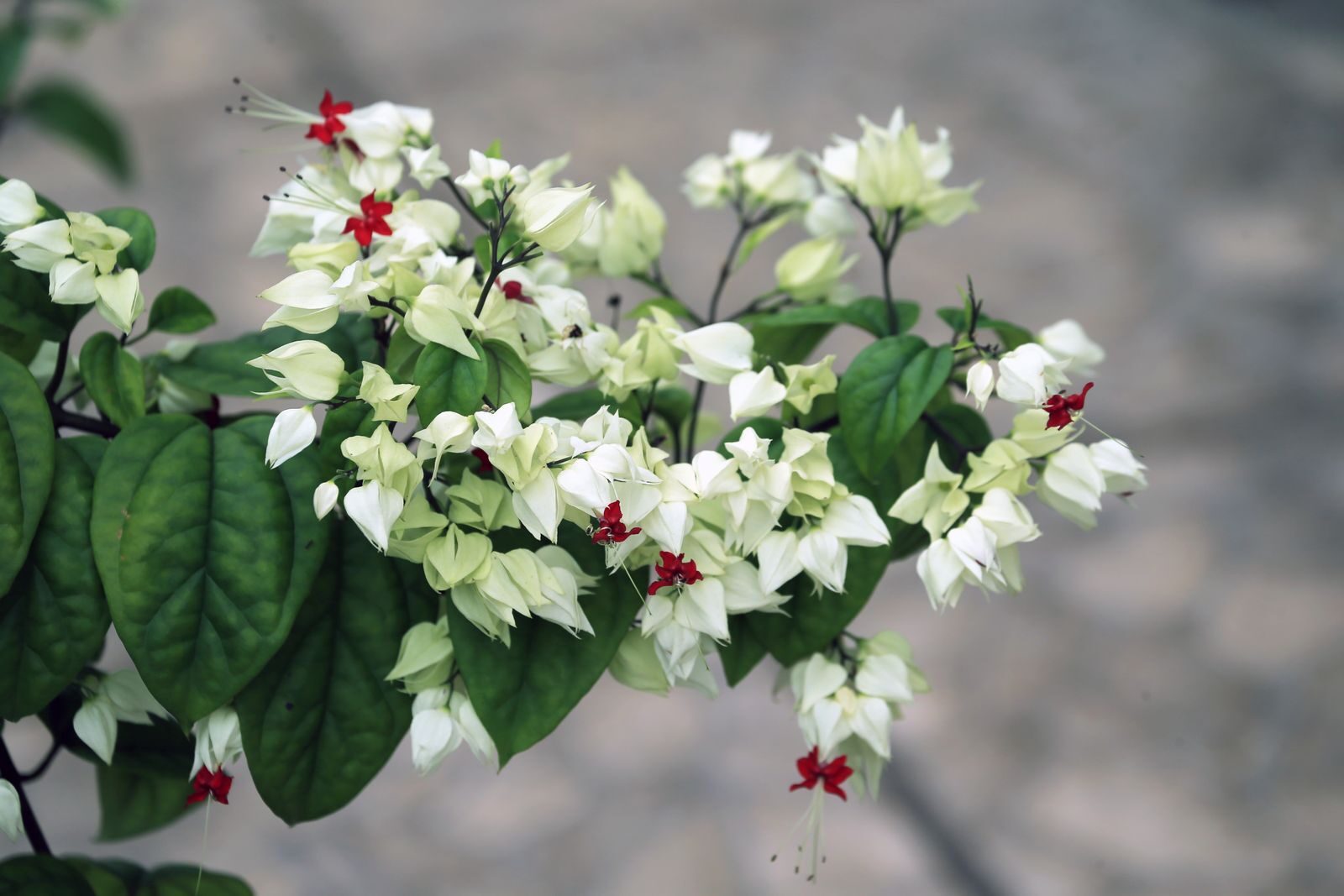
Few plants stop people in their tracks quite the way a blooming Bleeding Heart vine does. Those cascading clusters of crimson and white blossoms dangle like tiny lanterns from glossy green foliage — and before long, your neighbors are knocking on your door asking what on earth you’re growing. I’ve cultivated both the climbing tropical vine and the classic woodland perennial in my own garden, and I can tell you firsthand: with just a little of the right knowledge, either one is surprisingly easy to love.
In this guide, I’ll walk you through everything you need to know — from choosing the right type for your climate, to planting, watering, fertilizing, pruning, and troubleshooting problems before they get out of hand. Whether you’re gardening in humid Florida, chilly Minnesota, or the mild Pacific Northwest, there’s a Bleeding Heart that will work for you.
What Is the Bleeding Heart Climbing Plant?
Before you dig in (literally), it’s important to understand that “Bleeding Heart” actually refers to two very different plants that happen to share the same common name. Knowing which one you’re dealing with will save you a lot of confusion at the garden center.
1. Clerodendrum thomsoniae (Bleeding Heart Vine) is a fast-growing tropical climber native to West Africa. It’s prized for its dramatic red-and-white flower clusters and is, in fact, the true “climbing” Bleeding Heart. In warm climates, it grows as an evergreen vine; in colder regions, it thrives as a container plant or houseplant.
2. Lamprocapnos spectabilis / Dicentra spectabilis (Common Bleeding Heart) is a shade-loving perennial originally from Asia. Although it produces gorgeous arching stems hung with pink or white heart-shaped flowers, it doesn’t actually climb. It’s often sold alongside trellised plants, however, which is where most of the confusion begins.
Throughout this guide, I’ll focus primarily on Clerodendrum thomsoniae — the true climbing vine — while also touching on the Dicentra perennial for those who’d like to grow both.
Bleeding Heart Vine at a Glance
| Feature | Details |
|---|---|
| Botanical Name | Clerodendrum thomsoniae |
| Common Names | Bleeding Heart Vine, Glory Bower, Bagflower |
| Plant Type | Tropical climbing vine |
| Mature Height | 10–15 feet with support |
| USDA Hardiness Zones | 9–11 (outdoors year-round); grown as houseplant in Zones 3–8 |
| Bloom Time | Spring through fall |
| Sun Requirement | Bright indirect light; morning sun, afternoon shade |
| Soil pH | 6.0–7.0 (slightly acidic to neutral) |
| Toxicity | Non-toxic to pets and people (unlike Dicentra) |
Where Does Bleeding Heart Vine Grow Best in the USA?
When it comes to geography, the Bleeding Heart Vine is most at home in the warmer parts of the country. If you’re in USDA Zones 9–11 — think Southern California, South Florida, coastal Texas, Hawaii, or the Gulf Coast — you can grow this vine outdoors year-round on a trellis, pergola, or fence without any trouble.
For gardeners in Zones 3–8 — covering the Pacific Northwest, Midwest, Northeast, and Mountain West — it’s still absolutely possible to enjoy this plant. However, it needs to be treated as a container plant and brought indoors before the first frost arrives. Fortunately, that’s not a dealbreaker at all. Container-grown Bleeding Heart vines look stunning on a porch or patio during the summer months, and then they transition beautifully to a sunny indoor window for winter.
Meanwhile, the Dicentra perennial is cold-hardy all the way down to Zone 3, making it a natural and easy choice for woodland gardens across most of the continental US.
Sunlight Requirements
Getting the light right is, without question, the single most important factor in whether your Bleeding Heart Vine blooms generously or sulks all season. So let’s get this part right from the start.
The vine performs best in bright, indirect light or a spot with morning sun and afternoon shade. Indoors, a south- or east-facing window provides the ideal balance. Outdoors, a partially shaded wall, the east side of a building, or the dappled light filtering through a tall tree all work beautifully.
On the other hand, direct harsh afternoon sun — especially in hot inland areas like Phoenix or Dallas — will scorch the leaves and stress the plant quite quickly. At the same time, you don’t want to swing too far in the opposite direction. Too much shade, and you’ll get lush foliage but almost no flowers. Since the vine actually needs direct sun to bloom well, even a sunny south-facing window indoors can be sufficient if moving it outdoors isn’t an option.
Quick tip for USA gardeners: In the Deep South and Southern California, treat it just like you would an impatiens — morning sun with afternoon protection. In cooler northern climates, however, give it as much direct sun as you can manage.
Soil: What This Vine Craves
Although the Bleeding Heart Vine isn’t particularly fussy about soil, it does have some clear preferences. Above all, it wants well-draining, fertile, slightly acidic soil rich in organic matter. In contrast, soggy, compacted, or overly sandy soil will cause problems quickly.
A simple DIY potting mix that consistently performs well:
- 50% quality potting soil or garden loam
- 25% compost or aged organic matter
- 25% perlite or coarse sand for drainage
In terms of pH, aim for a range between 6.0 and 7.0. If you’re gardening in an area with naturally alkaline soil — which is common across much of the Southwest and parts of the Midwest — amend with sulfur or simply use a potting mix formulated for acid-loving plants.
One thing that’s absolutely non-negotiable: always make sure your containers have adequate drainage holes at the bottom. Root rot from waterlogged soil is, by far, the most common killer of this vine, and it’s entirely preventable.
Watering: Finding the Right Balance
Watering is the area where many gardeners go wrong with Bleeding Heart Vine. As a general principle, the plant wants consistently moist soil — but never wet, and never sitting in water. That distinction matters more than almost anything else.
Here’s a straightforward seasonal schedule to follow:
- Spring and summer (active growth): Water thoroughly 2–3 times per week, or whenever the top inch of soil feels dry to the touch.
- Fall and winter (dormancy): Pull back significantly. During this period, water just enough to prevent the soil from drying out completely.
Whenever you’re in doubt, always check before you water. Simply stick your finger an inch into the soil — if it still feels damp, wait another day or two. Because overwatering leading to root rot is far more common than underwatering, and it’s also much harder to fix once it takes hold.
For indoor plants specifically, consider placing a pebble tray filled with water beneath the pot — just make sure the water level doesn’t reach the drainage hole. This simple trick boosts humidity noticeably, especially during the dry winter months when home heating systems pull moisture right out of the air. Additionally, misting the leaves every few days helps maintain the high humidity this tropical plant genuinely prefers.
Temperature and Humidity
Since it’s a tropical plant at heart, Bleeding Heart Vine is happiest when temperatures stay between 65°F and 85°F (18–29°C). As temperatures drop below 50°F, it begins to struggle noticeably. Below 45°F, the plant can suffer serious damage.
It’s also worth noting that while the roots are somewhat cold-hardy in Zone 9a, all of the above-ground growth still needs protection from any frost. So if you’re growing this vine outdoors in a northern state with plans to bring it inside for winter, timing that transition carefully is critical. Don’t wait until after the first frost — instead, move the plant indoors as soon as nighttime temperatures begin to consistently dip below 50°F.
As for humidity, this plant genuinely thrives in it. If you live in a dry climate like Denver, Phoenix, or Las Vegas, placing a humidifier near the plant or misting regularly will make a noticeable difference in both foliage quality and overall flowering performance.
Fertilizing for Big Blooms
During the growing season, Bleeding Heart Vine is a genuinely hungry plant. Without adequate nutrition, it will produce plenty of leafy growth but frustratingly skip the flowers you’re really after.
Here’s a fertilizing approach that works consistently well:
- Spring through summer: Feed with a balanced liquid fertilizer (10-10-10 or 20-20-20) every 2–3 weeks. Once buds start to appear, consider switching to a phosphorus-rich formula like 10-30-10 to really push the flowering.
- As an alternative: A slow-release balanced fertilizer such as 14-14-14 granules works well when applied every two to three months throughout the growing season.
- Fall and winter: Reduce feeding to once a month at most, or stop altogether. The plant is resting during this period and doesn’t need the extra nutrition.
Here’s the key thing to remember: since this vine blooms exclusively on new growth, regular fertilizing during spring and early summer directly fuels flower production. So whatever you do, don’t skip those spring feedings.
Planting and Training the Vine
One of the most genuinely satisfying parts of growing Bleeding Heart Vine is watching it climb and training it as it goes. To get started, simply provide a trellis, pergola, arbor, or fence and then gently guide the stems toward the support as new growth appears. Given enough support and care, this vigorous plant can ultimately reach 10–15 feet tall.
If you’d prefer a more compact look, however, you can keep it pruned into a bushy mound. It also works exceptionally well in a large hanging basket, where the stems naturally cascade downward in a graceful, full display.
For outdoor planting, follow these steps in order:
- Choose a location with morning sun and afternoon shade protection.
- Before planting, amend the soil with compost to improve fertility and drainage.
- Plant at the same depth as the nursery container — no deeper.
- Water deeply right after planting, then add a layer of mulch around the base to retain moisture.
- Set up your trellis or support structure at planting time, so you won’t have to disturb the roots later.
Pruning: Don’t Be Shy About It
Pruning is one of the most important steps in caring for this vine — and yet it’s also one that many gardeners avoid out of reluctance to cut back something that appears to be healthy and thriving.
Here’s the thing, though: since Bleeding Heart Vine blooms exclusively on new growth, cutting it back actually promotes more flowers, not fewer. In fact, horticulture specialists at the University of Wisconsin-Madison Extension recommend pruning this plant back after blooming and thinning out old, crowded shoots — noting that you absolutely should not be afraid to prune it severely when needed.
Pruning schedule to follow:
- Early spring (before new growth emerges): This is the primary pruning window. Remove dead, weak, or winter-damaged stems first, then cut back overgrown vines to maintain shape and stimulate fresh flowering growth.
- After each bloom cycle: Light trimming immediately after flowering encourages the next wave of blooms to come through sooner.
- Throughout the growing season: Remove any stems that are crossing, rubbing together, or growing in unwanted directions to keep the vine tidy and healthy.
Always use clean, sharp pruning shears for every cut. Using dull or dirty blades risks tearing the stems or inadvertently introducing disease into the plant.
Propagation: Growing New Plants from Cuttings
One of the best features of Bleeding Heart Vine is just how easily it propagates. Once you have a single healthy plant established, you can create many more to expand your garden or share with gardening friends — and the process requires very little special equipment.
Step-by-step propagation from stem cuttings:
- Select a healthy stem that’s 4–6 inches long with at least two sets of leaves.
- Make a clean cut just below a leaf node using sterilized pruning shears — this is important for preventing disease.
- Remove the lowest leaves, leaving just two or three at the top of the cutting.
- Optionally, dip the cut end into rooting hormone powder. This step isn’t strictly required, but it does speed up the rooting process noticeably.
- Plant the cutting in a small pot filled with a moist mix of peat moss and perlite.
- Cover the pot loosely with a clear plastic bag to create a humid mini-greenhouse environment.
- Place it in bright, indirect light and keep it consistently warm.
- Roots will typically develop within 3–6 weeks. Once the root system is well established, transplant the cutting to a larger pot or directly into your garden bed.
What about growing from seed? Seeds can certainly be sown indoors in late summer or spring, though germination requires warm, humid conditions and can take several weeks. For most home gardeners, cuttings are faster, more reliable, and easier to manage.
Common Problems and How to Fix Them
Even with the best care, problems can occasionally appear. Fortunately, most of the issues that affect Bleeding Heart Vine are easy to diagnose and straightforward to fix — as long as you catch them early.
Pests
Generally speaking, Bleeding Heart Vine is relatively pest-resistant. However, two troublemakers do occasionally show up:
- Mealybugs: These show up as white cottony clusters tucked into leaf joints and stem crevices. Treat with insecticidal soap spray and reapply every 7–10 days until the infestation is completely gone.
- Spider mites: These are far more common in dry indoor environments. You’ll notice fine webbing between leaves and a stippled, dull appearance to the foliage. As a first response, increase humidity around the plant and then follow up with insecticidal soap spray.
Yellow Leaves
Yellow leaves are the most common concern gardeners bring up, and they usually point to one of three underlying causes:
- Overwatering or root rot: This is by far the most likely culprit. Check that your container drains properly and that you’re not watering before the top inch of soil dries out.
- Underwatering: In this case, leaves yellow and become noticeably limp at the same time. Simply water more consistently to resolve it.
- Normal seasonal leaf drop: When temperatures drop or the plant enters dormancy, some degree of leaf shedding is completely expected and not a cause for concern.
No Flowers
If your vine is producing plenty of leaves but absolutely refusing to bloom, run through this checklist:
- Is it getting enough direct light? This is, overwhelmingly, the number one reason for no blooms.
- Have you been fertilizing regularly, with particular attention to phosphorus levels?
- Has the plant been pruned recently enough to stimulate the new growth that flowers appear on?
Leaf Drop in Winter
Even indoors during winter, Bleeding Heart Vine may drop its leaves as temperatures cool — and this surprises many first-time growers. However, it’s completely normal dormant behavior. Simply reduce watering, stop fertilizing for the season, and be patient. By spring, the plant will leaf out again vigorously.
Toxicity: What You Need to Know
This is an area where it’s especially important to be clear, because the two plants that share the name “Bleeding Heart” have very different toxicity profiles.
Clerodendrum thomsoniae (Bleeding Heart Vine) is considered non-toxic to both pets and people, making it a genuinely safer choice for households with dogs, cats, or small children.
Lamprocapnos spectabilis / Dicentra (Common Bleeding Heart Perennial), on the other hand, is toxic to humans and pets if ingested and can trigger vomiting and other unpleasant symptoms.
So if you’re choosing between the two and you have pets or young children at home, the vine is clearly the safer option. Just be sure to always verify which variety you’re actually purchasing at the garden center — the labeling isn’t always as clear as it should be.
For comprehensive and up-to-date information on plant toxicity for your specific pets, the ASPCA Animal Poison Control database is the most reliable resource available for US pet owners.
Growing Bleeding Heart Vine Indoors
If you live in a colder climate — say, Chicago, Boston, or Denver — you can still enjoy this plant as a beautiful indoor specimen throughout the year. In fact, many gardeners in Zones 5–8 find that growing it in containers actually gives them more control over the plant’s conditions. Here are the key factors to get right:
- Light: Place the plant near a south- or east-facing window where it gets the most sun available. During short winter days, a full-spectrum grow light can easily make up the difference.
- Humidity: This is arguably the most critical indoor factor. Run a small humidifier nearby or, at a minimum, use a pebble tray to keep the air around the plant adequately moist.
- Pot size: Choose a pot large enough to allow room for root growth, but resist the urge to overpot. A container that’s too large relative to the root ball tends to hold excess moisture, which quickly invites rot.
- Support: Even indoors, a small trellis or bamboo stake helps keep the vine upright and manageable, and it looks far tidier as a result.
- Winter care: From November through February, reduce watering and stop fertilizing entirely. Then, as soon as you see new growth emerging in March, resume your regular care routine.
Many gardeners in Zones 6–8 successfully keep their Bleeding Heart Vine on a covered porch or sunny patio from May through September, then simply bring it inside before the first cold snap of fall. It’s a rhythm that works very well in practice.
Seasonal Care Summary
| Season | Key Tasks |
|---|---|
| Spring | Resume watering and fertilizing; prune back old growth; set up trellis support |
| Summer | Water consistently; fertilize every 2–3 weeks; train new vines; watch for pests |
| Fall | Gradually reduce watering and feeding; bring indoors before temps drop below 50°F |
| Winter | Water sparingly; stop fertilizing; provide bright indoor light; expect some leaf drop |
Companion Planting Ideas
Because Bleeding Heart Vine thrives in partial shade and consistently moist soil, it pairs naturally with a range of other shade-tolerant plants. Here are some of the best combinations for USA gardens:
- Hostas — These fill in beautifully around the base of an outdoor trellis, especially in Zone 9–11 gardens where both plants flourish side by side.
- Ferns — Together with the vine, ferns create a lush, tropical-looking display in shaded corners that’s hard to beat. Our Macho Fern care guide covers a great large-scale option for this pairing.
- Impatiens — A reliable and cheerful source of color at the feet of a trellis-grown vine throughout the summer. For a fall-blooming companion in the same bed, see our Japanese Anemone growing guide.
- Caladiums — Their dramatic, patterned foliage creates a stunning contrast with the vine’s glossy green leaves in warm-climate borders.
If you’re also growing the Dicentra perennial variety in a shade garden, consider pairing it with astilbe, heuchera, and lungwort. These plants fill the space in beautifully after the Bleeding Heart goes dormant in midsummer, ensuring your garden always has something interesting to look at.
Frequently Asked Questions
Is Bleeding Heart Vine a perennial or annual in the USA?
The answer depends entirely on your climate zone. In USDA Zones 9–11, Bleeding Heart Vine (Clerodendrum thomsoniae) is an evergreen perennial that grows outdoors year-round without any special winter protection. However, in colder zones (3–8), it’s best treated as a seasonal container plant — grown outdoors through summer, overwintered indoors, and then returned outside the following spring. With proper care indoors, it will reliably come back year after year.
How fast does Bleeding Heart Vine grow?
This vine is a genuinely vigorous grower. Under good conditions — consistent warmth, bright light, regular watering, and adequate fertilizing — it can easily put on several feet of new growth in a single growing season. When provided with proper trellis support, expect it to ultimately reach 10–15 feet at maturity.
Why isn’t my Bleeding Heart Vine blooming?
The most common reasons for poor or absent flowering are insufficient light, a lack of phosphorus in the fertilizer, and not enough recent pruning to stimulate the new growth that flowers appear on. As a first step, move the plant to a significantly brighter location. Then switch to a phosphorus-rich fertilizer during bud season, and don’t hesitate to prune back older stems to encourage a flush of fresh growth.
Can I grow Bleeding Heart Vine in a hanging basket?
Absolutely — and it looks genuinely gorgeous grown this way. The trailing stems cascade beautifully from a hanging basket, creating a full and dramatic floral display. Just make sure the basket has excellent drainage, and keep in mind that hanging baskets dry out considerably faster than in-ground or standard container plants, so you’ll need to water more frequently.
How do I overwinter Bleeding Heart Vine in a cold climate?
The key is to act before temperatures fall, not after. Once nighttime temperatures begin consistently dropping toward 50°F, bring the plant indoors to a bright, warm location right away. From that point, reduce watering to roughly once every 10–14 days and stop fertilizing entirely until spring. The plant may drop some or all of its leaves during this period — that’s completely normal dormant behavior. Simply resume your regular care routine in spring once you see new growth beginning to emerge.
Is Bleeding Heart Vine toxic to cats or dogs?
Clerodendrum thomsoniae (Bleeding Heart Vine) is considered non-toxic to both cats and dogs, which is one of the reasons it’s such a popular choice for pet-friendly households. That said, it’s critically important not to confuse it with the unrelated Dicentra perennial — that plant IS toxic to pets and can cause serious symptoms if ingested. Always double-check the botanical name on the label before bringing any new plant home.
How do I get my Bleeding Heart Vine to climb?
Start by providing a trellis, fence, arbor, or pergola as a physical support structure. Then, as new stems emerge, gently guide them toward the support and use soft plant ties or garden twine to secure them loosely in place. Never tie so tightly that the twine cuts into the stem. Over time, the vine will naturally grow toward the light and wrap itself around the support with only minimal encouragement from you.
When should I repot my Bleeding Heart Vine?
Early spring — just before the growing season begins — is the ideal time to repot. Watch for telltale signs like roots growing out of the drainage holes at the bottom, or the plant drying out unusually fast after watering. When you do repot, move up just one pot size at a time. Going too large too quickly tends to cause water retention problems that can lead directly to root rot.
Final Thoughts
Growing Bleeding Heart Vine is, ultimately, one of those gardening experiences that rewards you generously in return for relatively modest effort. Give it the right light, keep the soil consistently moist without going overboard, fertilize steadily through the growing season, and prune it back confidently — and you’ll be looking at cascades of those stunning red-and-white blooms from spring through fall.
Whether you’re draping this vine over a backyard pergola in Florida, growing it in a container on a Chicago balcony, or training it up a sunny trellis in your Southern California courtyard, one thing is certain: this plant has the personality, the color, and the visual impact to become the undeniable star of your outdoor — or indoor — space. Give it a real chance, and I genuinely think it will surprise you.
[…] spring or summer. The plant’s natural growth cycle supports faster root development then. Our Bleeding Heart Vine care guide covers a similarly easy water-propagation method if you want to compare notes across […]