

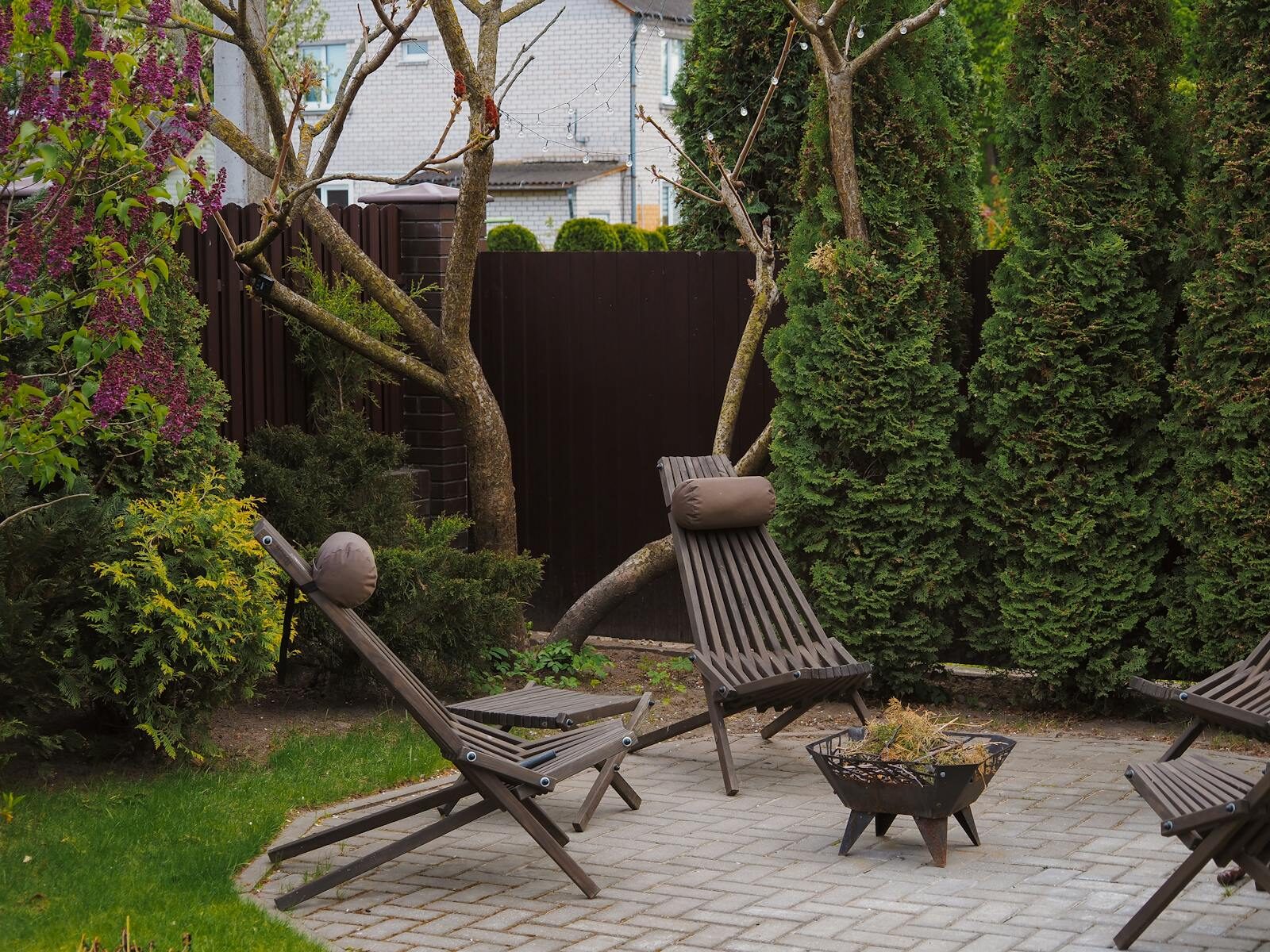
There is something undeniable about stepping outside into a backyard that actually feels like an extension of your home. Whether you live in a sun-soaked suburb of Phoenix or a townhouse community in Charlotte, a well-designed patio can work like another room of your house, even if it does not have a roof.
The good news? Outdoor living has never been more exciting or more accessible. According to the American Institute of Architects’ most recent Home Design Trends Survey, outdoor living spaces remain one of the top requested features in home renovation projects across the United States, a trend that shows zero signs of slowing down in 2026.
The difference between a patio that collects leaves and a patio that collects memories comes down to intentional design. This guide covers 25 of the most inspiring, practical, and design-forward outdoor patio ideas to help you make that transformation happen this year.
Why Your Patio Matters More Than Ever in 2026
Before we dive into the ideas, it is worth understanding why so many Americans are investing in their outdoor spaces right now.
Home values across the country have pushed many buyers to improve what they already own rather than move. At the same time, remote work has become a permanent reality for millions of people, which means backyards are now pulling double duty as relaxation spaces, work-from-home overflow zones, and entertainment hubs.
A well-designed patio can add anywhere from 8% to 15% to your home’s resale value, depending on your market. In warm-weather states like Florida, Texas, and California, that number climbs even higher. But beyond dollars and cents, a great patio simply improves your daily quality of life — and that is hard to put a price on.
25 Outdoor Patio Ideas That Actually Work
1. Create an Outdoor Living Room with Sectional Seating
The single biggest shift in patio design over the past decade is the move from “place to sit” to “place to live.” A full sectional sofa, a coffee table, and a few throw pillows do more to transform a slab of concrete than any paint color ever could.
Look for all-weather wicker or powder-coated aluminum frames with UV-resistant cushions. Brands like Polywood and KETTLER have released some impressive weather-proof collections for 2026 that look genuinely luxurious without requiring a garage to store them each winter. For a closer look at one option, see our Ashley Beachloft outdoor sectional review.
Actionable Tip: Anchor your seating arrangement with an outdoor rug in a bold geometric pattern. This visually “rooms” your space and gives it instant polish.
2. Install a Natural Gas or Propane Fire Pit
A fire pit extends your patio season well into fall and early winter, which matters enormously if you live in the Midwest, Northeast, or Pacific Northwest. A round or square propane fire table has replaced the traditional wood-burning pit for most urban homeowners because it is cleaner, requires no wood storage, and is often permitted in neighborhoods where open burning is not allowed.
In cities like Denver, Minneapolis, and Chicago — where the shoulder seasons are long and chilly — a fire feature can add months of usable outdoor time to your year.
3. Build a Pergola for Shade and Structure
A pergola does three things at once: it defines your outdoor space, provides partial shade, and gives you something to hang lights, curtains, or climbing plants on. In 2026, the trend has shifted strongly toward powder-coated aluminum pergolas with motorized louvers, which let you open the roof to sunshine or close it against a sudden afternoon shower.
Companies like StruXure and Azenco offer pergola systems that are increasingly popular in states like Georgia and Tennessee where summer heat and afternoon thunderstorms are a daily reality.
If a motorized louver pergola is outside your budget, a simple cedar or Douglas fir timber pergola with climbing wisteria or trumpet vine is timeless, beautiful, and achievable for under $5,000 with basic DIY skills.
4. Lay Large-Format Porcelain Pavers
Concrete stamped to look like stone had its moment. In 2026, the look everyone wants is large-format (24×24 or larger) porcelain or natural stone pavers in neutral, earthy tones — warm grays, sandy beiges, and soft terracotta. These pavers create a seamless, almost hotel-courtyard feel that photographs beautifully and holds up extremely well in regions with freeze-thaw cycles. If pavers are outside your budget, our decomposed granite guide and landscaping rock guide cover lower-cost ground surfaces.
Actionable Tip: For DIYers in frost-prone areas (think northern Illinois, upstate New York, or Colorado), always use a compacted gravel base and polymeric sand between joints to prevent heaving.
5. Add a Built-In Outdoor Kitchen
Outdoor kitchens are no longer a luxury reserved for multimillion-dollar homes. A simple L-shaped or straight-run outdoor kitchen with a built-in grill, a side burner, a small refrigerator, and a concrete or natural stone countertop can be built for $8,000–$20,000 depending on your market.
In states like Texas, Florida, and Southern California where outdoor cooking is practically a year-round sport, an outdoor kitchen is one of the strongest return-on-investment patio upgrades you can make.
6. Use String Lights to Define the Space at Night
This is the single highest-value-per-dollar patio upgrade on this list. A canopy of warm-white Edison-style string lights hung in a grid or catenary pattern transforms even the most basic concrete patio into something magical after dark.
Use screw-eye hooks in a wood fence, wooden posts set in planters, or a pergola to mount them. Plug them into a smart outlet so they turn on automatically at sunset.
7. Incorporate a Water Feature
The sound of moving water is one of the most effective tools in creating a sense of calm and privacy in an outdoor space. A small wall-mounted fountain, a bubbling urn, or a pondless waterfall feature can be installed in most yards for under $1,500.
In densely packed urban and suburban neighborhoods across the country — from Atlanta to San Jose — a water feature also helps mask street noise and neighbor sounds in a way that plants alone cannot.
8. Design a Multi-Level Deck and Patio Combination
If your yard has any grade change at all, you have an opportunity to create a multi-level outdoor space that is infinitely more interesting than a flat slab. A raised wood or composite deck off the back door can step down to a lower patio area with a fire pit or dining zone, creating natural separation between spaces without needing any walls or fencing.
9. Embrace the “Outdoor Room” Trend with Privacy Screens
Privacy is the most requested feature in suburban patio design right now. Horizontal cedar screens, powder-coated steel panels with geometric cutouts, or dense plantings of arborvitae or bamboo can turn an exposed backyard into a genuinely private retreat.
In neighborhoods where houses sit close together — common in places like suburban New Jersey, suburban Chicago, or densely built areas of suburban Texas — a good privacy screen is not a luxury, it is a necessity.
10. Plant a Living Green Wall or Vertical Garden
If you have a small patio footprint (as millions of Americans in townhouses and condos do), a vertical garden or living wall lets you bring serious plant life into your space without sacrificing square footage. Modular systems like the Woolly Pocket or stacked planter columns work well for herbs, ferns, and flowering annuals.
11. Go Bold with Outdoor Tile
Spanish, Portuguese, and Moroccan encaustic tile patterns have made a massive comeback in 2026, showing up on patio floors, outdoor kitchen backsplashes, and fire pit surrounds across the country. If you are not ready to commit a full floor, try a bold tile inset in the center of a neutral paver field for a high-impact, lower-commitment look.
12. Build an Outdoor Bar Counter
A simple outdoor bar — even something as humble as a cedar plank counter mounted to a fence rail with a few barstools — changes the social dynamic of a patio completely. People gather around bars in a way they simply do not gather around a side table.
Actionable Tip: Run a GFCI-protected outlet to your bar area so you can plug in a blender, a small refrigerator, or a string of under-counter lights. This small electrical upgrade makes the space genuinely functional.
13. Introduce Natural Stone Walls and Raised Beds
Dry-stack natural stone walls used as raised garden beds, retaining walls, or low seat walls add incredible texture and a sense of permanence to a patio. In the Mid-Atlantic, New England, and Pacific Northwest regions where fieldstone is abundant and culturally resonant, stone walls feel completely at home.
14. Install Outdoor Ceiling Fans
If your patio is covered — whether by a pergola, a solid patio cover, or a roofline overhang — an outdoor-rated ceiling fan is one of the best comfort upgrades you can make. In humid climates like Houston, New Orleans, and Charleston, moving air makes an afternoon on the patio feel 10 degrees cooler without any air conditioning.
15. Use Concrete for Custom Built-In Seating
Poured concrete or concrete block built-in benches along a patio perimeter are low-maintenance, incredibly durable, and look stunning with the right cushions. They eliminate the need to store or cover outdoor furniture in the off-season, which is a real quality-of-life win in northern climates.
16. Add a Hammock or Hanging Daybed
A hammock between two healthy trees or a hanging daybed suspended from a pergola beam is a purely joyful addition to any backyard. Woven rope hammocks and weatherproof polyester hanging chairs have both gotten significantly more stylish in 2026 — this is no longer a category that screams “college dorm.”
17. Create a Dining Zone Separate from the Seating Zone
One of the most common patio design mistakes is cramming dining and lounging into the same space. If your square footage allows it at all, separate these zones — even if only by six feet. Your patio will feel twice as intentional and twice as large.
18. Invest in Smart Outdoor Lighting
Beyond string lights, a layered outdoor lighting plan includes path lighting, step lighting, uplighting for trees or architectural features, and ambient lighting in the patio ceiling or pergola. Smart systems like Lutron Caséta or Govee’s outdoor lighting line let you control everything from your phone and set schedules or scenes.
19. Install a Shade Sail
A shade sail — a tensioned triangular or rectangular fabric canopy — is one of the most cost-effective ways to add shade to a sun-blasted patio in places like Phoenix, Las Vegas, or Albuquerque. High-quality HDPE shade sails from brands like Coolaroo block up to 95% of UV rays and can be purchased and installed for a few hundred dollars.
20. Choose Composite Decking for Low Maintenance
If you are building or replacing a deck, composite decking — brands like Trex, TimberTech, and Fiberon lead the market — deserves serious consideration. It does not need staining, sealing, or sanding, resists moisture and insects, and has gotten remarkably good-looking in 2026 with realistic wood-grain textures and warm color options.
21. Bring in a Portable Pizza Oven
Portable wood-fired or gas pizza ovens like the Ooni or Gozney Dome have become legitimate outdoor kitchen accessories rather than novelties. They are genuinely excellent for cooking pizza, but also great for searing steaks and roasting vegetables at extremely high heat. They store easily in a garage or shed and require no permanent installation.
22. Design a Kid-Friendly Patio Zone
If you have young children, dedicating a portion of your patio or adjacent lawn to kid-focused features — a small sandbox, a water play table, a chalk wall, or a low-profile climbing structure — keeps the family together outside rather than scattering everyone to different ends of the yard.
23. Grow a Container Kitchen Garden
A collection of large terracotta, fiberglass, or cedar planter boxes filled with tomatoes, herbs, peppers, and greens on your patio is both beautiful and practical. Container gardening is having a genuine moment in 2026, partly driven by the rising cost of groceries and partly because people have simply discovered how satisfying it is to eat something you grew yourself.
24. Add an Outdoor Shower
Outdoor showers are no longer just a beach-house thing. Homeowners with pools, hot tubs, or kids who spend time in the backyard are increasingly installing simple outdoor shower fixtures — either wall-mounted on a fence or freestanding — to keep the mess outside. A basic outdoor shower setup can be plumbed in by a licensed plumber for a relatively modest cost.
25. Create a Cozy Reading Nook or Meditation Corner
Not every corner of your patio needs to be a social hub. A dedicated quiet corner — a single armchair, a small side table, a collection of potted plants, and a small fountain nearby — is often the part of a backyard that gets used most often once it exists. Design permission: you are allowed to make a space just for yourself.
How to Plan Your Patio Transformation: A Step-by-Step Approach
Now that you have 25 ideas to work with, here is how to actually move from inspiration to implementation.
Start with your lifestyle, not a magazine
Ask yourself how you actually use your outdoor space — or how you wish you could. Do you host groups? Do you mostly want a quiet escape? Your answers should drive every decision.
Set a realistic budget range
Patio projects range from a few hundred dollars (new outdoor furniture, string lights, plants) to $50,000 or more (full outdoor kitchen, pergola, pavers, built-ins). Knowing your range before you start shopping saves enormous amounts of time and heartache.
Check your local codes and HOA rules
Before you build anything permanent — a pergola, a deck extension, an outdoor kitchen — check with your local municipality about permits and with your HOA about design guidelines. This step is easy to skip and expensive to regret.
Hire local, experienced professionals for major work
For anything involving structural elements, electrical work, gas lines, or plumbing, hire licensed local contractors. A patio project that goes wrong because of unpermitted work can create real problems when you sell your home.
For deeper inspiration and design guidance as you plan, the Better Homes & Gardens outdoor living design center is one of the most comprehensive free resources available — it is updated regularly and has a genuinely excellent photo library organized by style, budget, and climate.
Regional Considerations: What Works Where in the USA
Patio design is not one-size-fits-all. Where you live should have a significant influence on what you build.
Hot, dry climates (Phoenix, Las Vegas, Albuquerque, inland California)
Shade is your number-one priority. Deep overhangs, shade sails, or motorized pergola louvers are essential. Use light-colored hardscape materials that reflect rather than absorb heat. Native and drought-tolerant plants in containers keep maintenance manageable. Our guide to heat-tolerant plants for full sun has 30 picks that handle the heat.
Hot, humid climates (Houston, New Orleans, Miami, Atlanta, Raleigh)
Overhead fans and screened enclosures or screen rooms make the difference between a patio that gets used and one that does not. Insects are a genuine usability issue — address them with ceiling fans, citronella plantings, or a quality screened-in structure.
Temperate climates (Pacific Northwest, Northern California, Western Oregon and Washington)
Rain is the primary challenge, not heat. An overhead structure of some kind — even a simple hip roof addition — dramatically extends your patio season. Teak and cedar perform exceptionally well in wet climates without treatment.
Cold climates (Midwest, Northeast, Mountain West)
Choose materials that handle freeze-thaw cycles without cracking — porcelain pavers over concrete, composite over wood decking. A fire feature extends your season significantly. Store or cover upholstered items through the winter months.
Common Patio Mistakes to Avoid
The same mistakes come up again and again in patio projects. Here is your shortcut past them.
Buying furniture that is too small is the most common error. Outdoor furniture needs to be scaled to the space — go bigger than you think you need, especially with a dining table.
Skipping outdoor-rated materials is the second. Rugs, cushions, lighting fixtures, and even artwork need to be genuinely rated for exterior use. Interior materials placed outdoors degrade quickly and look terrible doing it.
Ignoring drainage is third. Water pooling on or around a patio causes damage to structures and creates a mosquito breeding environment. Make sure your hardscape has adequate slope and drainage before it is installed.
And finally, designing for photos rather than life. The most beautiful patio in an Instagram post is sometimes the least functional space in practice. Design for how you actually live.
Final Thoughts
Transforming your outdoor patio in 2026 does not require a massive budget or a complete rebuild. Sometimes the biggest changes come from a single well-placed fire pit, a canopy of string lights, or a bold new set of outdoor furniture. The key is to start with intention — decide what kind of life you want to live outside, and then build the space to support it.
For more ideas for tighter spaces and smaller budgets, see our guides to the best outdoor bistro sets for small spaces and three season room ideas.
Whatever your backyard looks like today, it has the potential to be something you are genuinely proud of by summer. Start with one idea from this list. You might be surprised how quickly momentum builds.
[…] RV parking, or simply more distance from your neighbors. For ideas on using the space, see our outdoor patio ideas and our decomposed granite guide for low-water desert […]
[…] across states like Arizona, Georgia, and California. If you’ll be entertaining outside, our outdoor patio ideas guide has 25 ways to make the most of the […]