

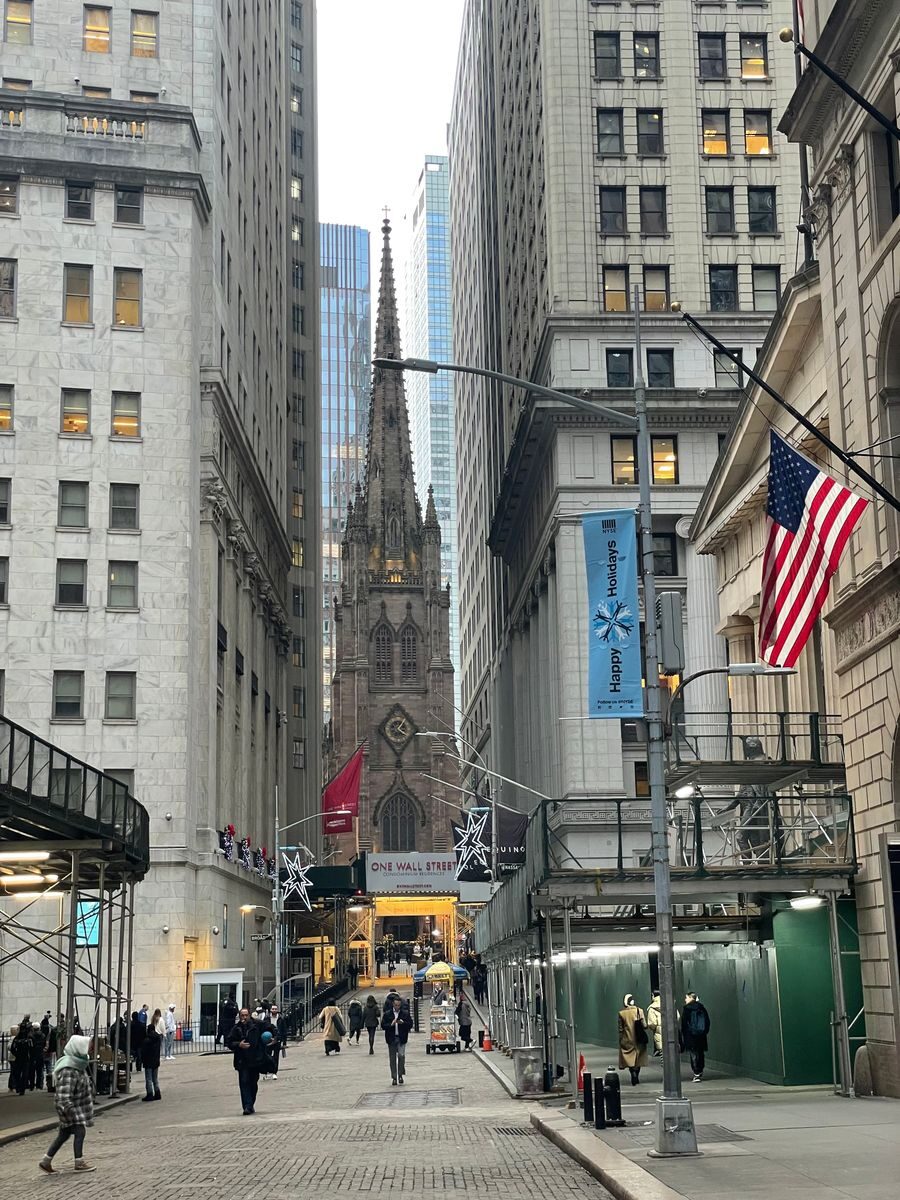
If you’ve spent any time apartment-hunting in the Financial District, you’ve probably come across 45 Wall Street. It shows up constantly on StreetEasy and Apartments.com. There’s a good reason for that. It’s one of the more recognizable rental buildings in FiDi. It’s also been housing young professionals since the late 1990s.
I’ve spent time researching this building alongside a few other Lower Manhattan rentals. This was for friends relocating to New York for finance jobs. Here’s what actually matters if you’re considering it. That includes the building’s history, what it costs today, what the amenities really offer, and whether the neighborhood fits your lifestyle.
A Quick History of the Building
45 Wall Street wasn’t originally built as an apartment building at all. It went up in 1958 as an office tower. The firm Voorhees, Walker, Smith & Smith designed it for the United States Trust Company. In 1997, developers converted it into residential use. It’s been owned and managed by TF Cornerstone ever since.
The building is often nicknamed the “wedding cake” building. That’s because of its three-tiered, setback architecture. It’s an easy detail to spot when you walk past it on Wall Street. The building stands 28 stories tall. It holds roughly 435 rental apartments, ranging from studios to three-bedroom layouts. Many units still carry hints of the original 1958 construction, like high ceilings and oversized windows. These pair with more modern finishes from the 1997 renovation and later amenity upgrades.
What It Costs to Live There in 2026
As of mid-2026, studio apartments at 45 Wall Street typically start somewhere in the $3,295 to $3,695 range. This is based on current listings. Larger layouts, including one- and two-bedroom units, run higher. The exact price depends on floor, view, and whether the unit has been recently renovated. For comparison, the median studio rent across the broader Financial District currently sits around $3,860. So, 45 Wall Street tends to land at or slightly below the neighborhood average for comparable space.
A few cost factors are worth knowing before you tour.
First, floor level matters more than usual here. Because the building sits close to its FiDi neighbors, lower floors can have limited natural light. So, if daylight matters to you, ask specifically about exposure before booking a tour.
Second, no-fee listings are common. TF Cornerstone frequently markets units as no-fee. This can meaningfully reduce your move-in costs compared to buildings that charge a broker fee.
Third, look for deposit-free renting programs. The building has partnered with third-party guarantor services in the past. This can help renters who don’t meet the standard income-to-rent ratio on their own.
Amenities: What You’re Actually Paying For
This is where 45 Wall Street tends to stand out from other FiDi rentals in its price range. The amenity package is unusually large for a building of its size, and it’s been expanded over the past several years.
- Rooftop terrace and penthouse club. A wraparound rooftop space with skyline views, plus a separate penthouse-level lounge with a billiards table.
- Fitness facilities. Two separate fitness centers, a dedicated yoga room, and a half-court basketball setup. That combination is genuinely rare for a Manhattan rental building.
- Indoor golf practice area. It’s an unusual but memorable perk, especially given the Wall Street setting.
- 24-hour doorman and concierge. Staffed around the clock, with valet parking also available.
- Practical extras. Bike storage, rentable additional storage, a resident garage, and laundry rooms on the third and nineteenth floors.
- Pet-friendly policies. Cats and dogs are generally welcome, including larger breeds. Still, it’s worth confirming current pet fees and weight limits directly with leasing before signing.
Do you actually use a gym and a rooftop space regularly? If so, these amenities can offset a rent that’s otherwise comparable to buildings with far less to offer.
The Neighborhood: Living in FiDi in 2026
The Financial District has changed a lot over the past decade. That shift continues into 2026. It’s no longer just a 9-to-5 office zone that empties out at night. More than 60,000 residents now call FiDi home. The neighborhood has also built out enough restaurants, grocery stores, and green space to function as a genuine residential community, not just a commuter district.
A few things are worth knowing if you’re considering the area.
Transit access is excellent. The Wall Street station, served by the 2 and 3 subway lines, sits essentially at the building’s doorstep. Several other lines are within a short walk. The https://www.mta.info/maps can help you cross-reference the routes against your daily commute.
Historic landmarks are everywhere. Federal Hall, Trinity Church, and the New York Stock Exchange are all within a few blocks. St. Paul’s Chapel, one of the city’s oldest surviving churches, sits close by as well.
Green space has improved, too. Battery Park is a short walk south. It remains one of the better waterfront green spaces in Lower Manhattan for a morning run or weekend downtime.
The after-hours scene is still developing. FiDi is busier at night than it used to be. Still, it’s quieter after 7 or 8 p.m. compared to neighborhoods like the West Village or Williamsburg. If nightlife density is a priority, weigh that against the trade-off of shorter commutes and lower relative rents.
For renters with kids, schools nearby matter too. The building falls within New York City’s Geographic District 2. Peck Slip School, JHS 104 Simon Baruch, and Millennium High School are among the assigned options.
If you’re weighing 45 Wall Street against other FiDi buildings, compare the full picture rather than rent alone. Our Financial District neighborhood guide breaks down how nearby buildings compare on price, amenities, and commute times.
Who Tends to Live Here
45 Wall Street has developed something of a reputation over the years. It’s known as a building popular with young finance professionals, many of them just a few years out of college and working nearby on Wall Street itself. That reputation isn’t just anecdotal. The building’s proximity to major financial institutions has historically made it an easy first-apartment choice for analysts and associates relocating to New York. Its amenity package and no-fee marketing help, too.
That said, the resident mix has broadened as FiDi itself has diversified. Tech, consulting, and marketing professionals now make up a growing share of the neighborhood’s population. The building’s studio and one-bedroom inventory tends to attract a similar range of young professionals, not just one industry.
Is 45 Wall Street Worth It?
Based on current pricing, amenities, and location, 45 Wall Street is a reasonable option. It suits renters who want a full-service building with genuinely useful amenities. It also works well for a short commute to Lower Manhattan offices, at rent that’s roughly in line with the neighborhood average. It’s less ideal, though, if you specifically want a quieter residential feel. Parts of the building sit close to busy commercial blocks. Ground-floor retail noise and weekday foot traffic could be dealbreakers for some renters, too.
Before signing a lease, tour at different times of day. FiDi’s rhythm changes noticeably between a Tuesday afternoon and a Saturday morning. That difference is more noticeable here than in residential-first neighborhoods further uptown.
Frequently Asked Questions
How much does it cost to rent at 45 Wall Street? As of mid-2026, studios generally start around $3,295 to $3,695 per month. One- and two-bedroom units cost more, depending on floor and renovation status. Pricing changes frequently, so check current listings directly before budgeting.
Is 45 Wall Street a good building for young professionals? Yes, it’s historically been popular with young professionals working in finance. That’s largely thanks to its proximity to Wall Street and its amenity-heavy setup. The resident base has diversified in recent years, too, adding more tech and consulting professionals.
What subway lines are near 45 Wall Street? The Wall Street station, served by the 2 and 3 lines, sits right at the building’s location. Several additional subway lines are within a short walking distance. That makes the commute to Midtown or Brooklyn relatively easy.
Does 45 Wall Street allow pets? Generally, yes. The building typically allows both cats and dogs, including larger breeds. Still, pet policies, fees, and weight limits can change, so confirm directly with the leasing office.
What amenities does 45 Wall Street offer? The building includes a rooftop terrace, a penthouse-level club with billiards, two fitness centers, a yoga room, and a half-court basketball setup. It also has an indoor golf practice area, 24-hour doorman and concierge service, valet parking, and bike and storage rentals.
Is the Financial District a good neighborhood to live in? It’s become increasingly residential in recent years. Over 60,000 residents now live there, alongside expanding retail, dining options, and strong transit access. It’s quieter at night than nightlife-heavy neighborhoods, which appeals to some renters and doesn’t to others.
Are there no-fee apartments available at 45 Wall Street? Yes, TF Cornerstone frequently markets units at 45 Wall Street as no-fee. This can lower your move-in costs compared to buildings that require a broker fee.
What schools are zoned for 45 Wall Street? The building falls within NYC Geographic District 2. Peck Slip School, JHS 104 Simon Baruch, and Millennium High School are commonly listed as assigned options. It’s worth confirming current zoning directly with the NYC Department of Education, since school assignments can change.
45 Wall Street isn’t the flashiest new development in Lower Manhattan. Still, its combination of a strong amenity package, competitive pricing, and unbeatable proximity to the Financial District’s transit and job hubs keeps it consistently on renters’ shortlists year after year.