

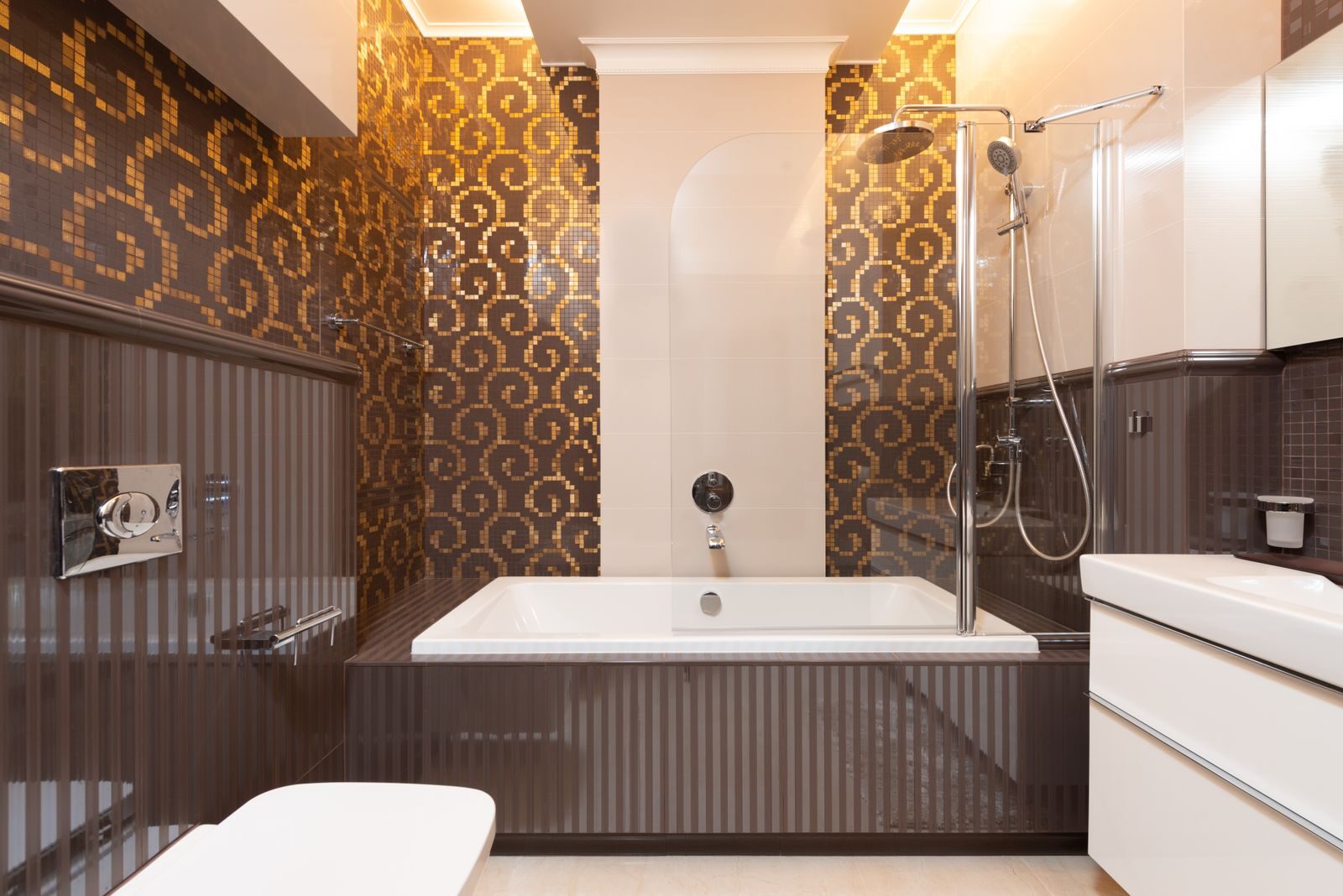
Small bathrooms don’t have to feel small. The right shower wall tile can stretch a cramped space, add personality, and still hold up to daily steam and water. I’ve spent time this year tracking tile trends, talking with bathroom remodelers, and comparing what actually works in tight layouts versus what just looks good in a showroom photo.
Here are the ten shower wall tile designs making the biggest impact in small U.S. bathrooms in 2026, plus practical tips to help you choose the right one for your space.
1. Large-Format Tiles for Fewer Grout Lines
Big tiles, fewer seams. That’s the simple idea behind this trend. Large-format tiles, typically 12×24 inches or bigger, cut down on visible grout lines. Fewer lines mean less visual clutter. A small shower can look noticeably more open with this one change alone.
This style also cuts down on cleaning time, since grout lines collect mildew faster than the tile itself.
2. Vertical Subway Tile
Classic subway tile isn’t going anywhere, but the orientation has shifted. Installers now run subway tiles vertically instead of the traditional horizontal stack. The vertical lines draw the eye upward. That trick makes ceilings feel higher and showers feel taller, even when the square footage stays the same.
3. Soft, Warm Neutrals
Stark white still works, but warmer neutrals have taken over a lot of 2026 bathroom renovations. Think soft beige, warm greige, and creamy off-white tones. These colors reflect light well without feeling cold or clinical. They also pair easily with wood vanities and brass fixtures, a combination showing up in a lot of small bathroom remodels right now.
4. Bold Single-Wall Accent Tile
Instead of tiling every wall in the same pattern, many homeowners now tile just one wall with a bold pattern or color. The other walls stay simple and neutral. This approach adds personality without overwhelming a small space, and it usually costs less than tiling the whole shower in a premium tile.
5. Handmade-Look Zellige Tile
Zellige tile, with its slightly imperfect, handmade look, has held steady as a top choice for small bathrooms. The subtle texture and light variation in each tile catch light differently across the surface. That movement adds depth to a small shower wall without adding visual weight.
6. Floor-to-Ceiling Tile
Stopping tile at a standard 6 or 7 feet can make a small shower feel boxed in. Running tile all the way to the ceiling removes that visual break. The wall reads as one continuous surface, which makes the whole room feel taller and more cohesive.
7. Herringbone Pattern in a Single Tone
Herringbone has moved past accent walls and into full shower installations. Using a single tile color in a herringbone layout adds texture and movement without introducing extra colors into a small space. It’s a pattern that reads as detailed and intentional, even in a modest-sized shower.
8. Curbless Shower with Matching Floor and Wall Tile
Open-concept, curbless showers have grown in popularity, especially in small bathrooms where a shower curb or glass frame can make the room feel chopped up. Matching the floor tile to the wall tile, or using a closely related tone, keeps sightlines unbroken. The shower visually merges with the rest of the room instead of standing apart from it.
9. Deep Jewel Tones
Small bathrooms can handle more color than people expect, especially in a shower where the tile is somewhat contained. Deep green, navy, and even burgundy tiles have shown up more often in 2026 small bathroom designs. Paired with brass or matte black fixtures, these tones create a more dramatic, spa-like feel than an all-white shower.
10. Mixed-Material Tile Accents
Combining tile with another material, like a thin wood-look strip or a stone niche, adds dimension to a small shower without adding more color or pattern. This works especially well in a recessed shelf or niche, where a contrasting material draws the eye without crowding the rest of the wall.
How to Choose the Right Tile for a Small Bathroom
A few practical points worth weighing before you commit to a design:
Stick to a limited color palette. Two to three tones, max, usually look more intentional than a busy mix in a small space.
Check the tile’s light reflectivity. Matte tiles absorb light, while glossy tiles bounce it around the room. A glossy or semi-gloss finish can help a small, dim shower feel brighter.
Think about maintenance before you fall for a pattern. Textured tiles like zellige or handmade-look styles can trap more soap scum than a smooth, large-format tile. If low maintenance matters to you, factor that into your decision early.
Get the grout color right. Grout that closely matches the tile color tends to disappear visually, which helps a small space feel larger. A contrasting grout color, on the other hand, will emphasize the tile’s pattern and the lines between each piece.
Confirm slip resistance for any tile used on the shower floor. Wall tile and floor tile have different slip-rating requirements, so don’t assume a wall tile is safe underfoot.
If you’re also weighing flooring options for the rest of the bathroom, our guide on choosing bathroom floor tile covers slip ratings, materials, and small-space layout tips that pair well with the wall tile choices above.
A Quick Note on Installation
Tile installation quality affects how a design performs over time, not just how it looks on day one. The National Tile Contractors Association recommends working with a certified installer for shower applications, since proper waterproofing and substrate prep matter more in wet areas than in any other part of the home. A great tile choice can still fail early if the installation behind it cuts corners.
Frequently Asked Questions
What is the best tile size for a small shower? Large-format tiles, generally 12×24 inches or bigger, tend to work best in small showers. Fewer grout lines create a cleaner, more open look without making the space feel busy.
Does dark tile make a small bathroom look smaller? Not necessarily. Deep jewel tones can actually add depth and a spa-like feel to a small shower, especially when paired with good lighting and a glossy finish. The key is limiting dark tile to one or two surfaces rather than covering every wall.
Should shower tile match the bathroom floor tile? It doesn’t have to, but matching or closely coordinating the two creates a more seamless look, especially in curbless showers. This trick works particularly well in small bathrooms, where unbroken sightlines make the room feel larger.
Is floor-to-ceiling tile worth the extra cost in a small bathroom? For most small bathrooms, yes. The added material cost is usually modest compared to the visual payoff, since removing the stopping point on the wall makes the whole room feel taller.
What tile pattern makes a small shower look bigger? Vertical layouts, like vertical subway tile, draw the eye upward and make ceilings feel higher. Herringbone in a single tone also adds visual interest without making the space feel cluttered.
How do I keep grout clean in a small shower? Choosing a grout color close to the tile color helps hide minor staining over time. Large-format tile with fewer grout lines also cuts down on the surface area where mildew can build up.
What’s a budget-friendly way to update small shower tile in 2026? A single accent wall in a bold pattern or color, paired with simple neutral tile on the remaining walls, delivers a high-impact look without the cost of tiling the entire shower in a premium material.
Do I need a professional installer for shower wall tile? For most shower projects, yes. Proper waterproofing and substrate prep behind the tile matter as much as the tile itself, and a certified installer is far less likely to cut corners in those hidden steps.