

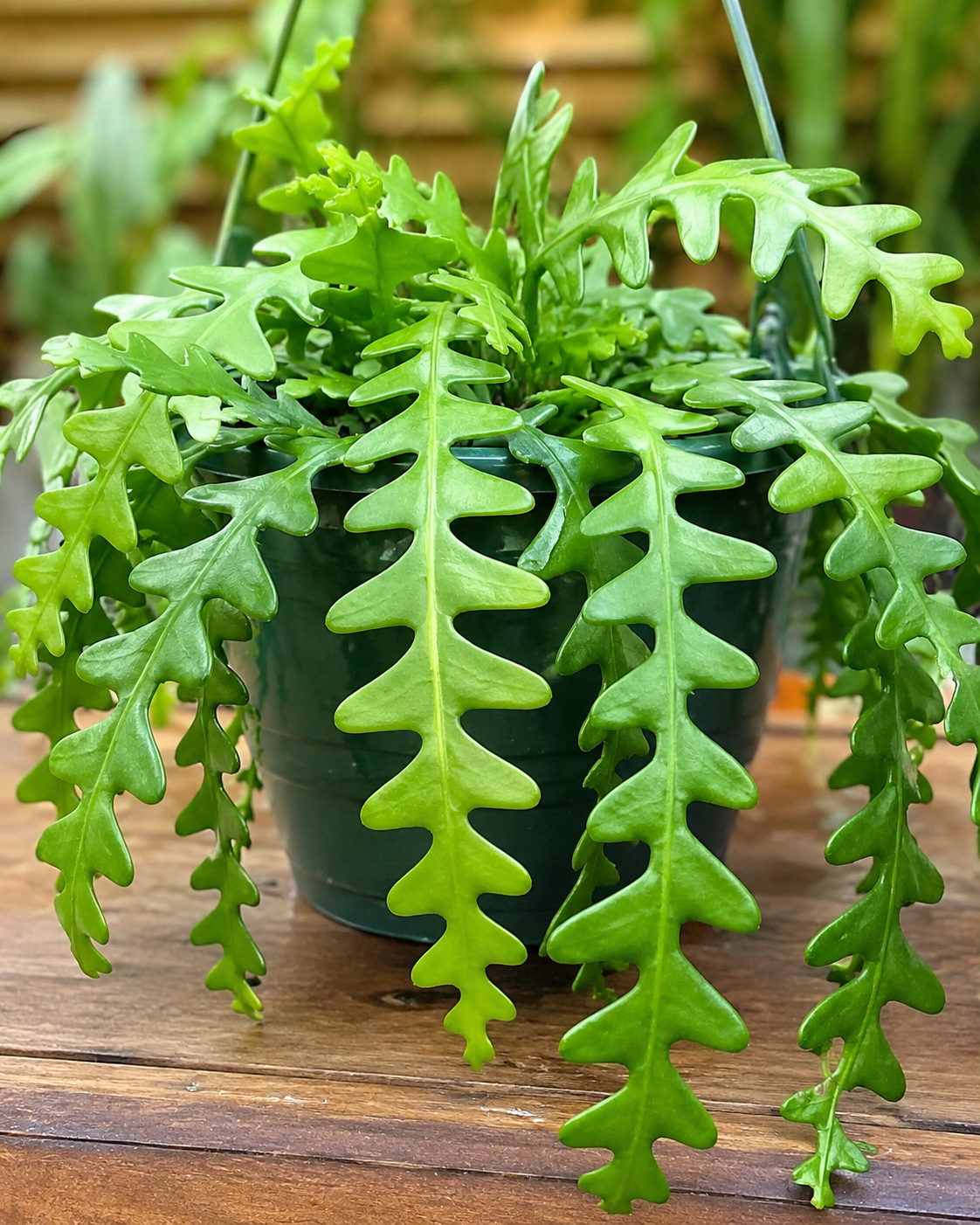
If you’ve ever scrolled past a plant with leaves shaped like little green fish skeletons and wondered what on earth it was, you’ve met the fishbone cactus. I’ve grown mine on a north-facing kitchen windowsill for the better part of three years now, and it’s still one of the easiest, most forgiving plants in my collection — despite looking like it belongs in a rainforest diorama rather than on a plant shelf.
Botanically known as Epiphyllum anguliger (and sometimes reclassified as Disocactus anguliger), this quirky houseplant has earned a permanent spot in American plant collections thanks to social media, plant swaps, and its almost comical zig-zag foliage. It’s also become a favorite “gateway plant” for people who think they’ve killed every cactus they’ve ever owned — because, spoiler alert, this one isn’t a desert cactus at all.
Here’s everything you need to know to grow a thriving fishbone cactus indoors in 2026, based on hands-on experience and current best practices from plant professionals across the U.S.
What Exactly Is a Fishbone Cactus?
Native to the humid mountain forests of Oaxaca, Mexico, Epiphyllum anguliger is an epiphyte — meaning in the wild, it grows attached to tree bark and branches rather than rooted in soil, similar to many orchids. That single fact explains almost everything about how to care for it at home: bright but filtered light, chunky well-draining soil, and consistent moisture rather than the “ignore it for a month” treatment you’d give a desert cactus like an echeveria or barrel cactus.
The deeply lobed, flattened stems (technically called cladodes, not true leaves) give the plant its nicknames: fishbone cactus, ric-rac cactus, and zig-zag cactus. Mature, well-cared-for plants can produce large, fragrant, night-blooming flowers in late fall or early winter — a genuine treat if you can coax them into blooming.
Light Requirements
Bright, indirect light is the sweet spot. Think of the dappled sunlight filtering through a forest canopy — that’s the environment this plant evolved for.
- Best window exposure: East- or north-facing windows work well across most of the U.S. South-facing windows are fine too, but only a few feet back from the glass, or with a sheer curtain to diffuse direct rays.
- Too much light: Stems turn red, bleach out, or develop dry, crispy brown patches (sunburn).
- Too little light: Growth turns leggy, the zig-zag pattern becomes less pronounced, and flowering slows dramatically.
If you live somewhere with intense summer sun — Arizona, Southern California, or parts of Texas, for example — keep this plant well away from unfiltered south- or west-facing windows during peak afternoon hours.
Watering: More Than a Typical Cactus, Less Than a Tropical Houseplant
This is the single biggest mistake new owners make. Because it’s called a “cactus,” people water it like a desert succulent and end up with a stunted, unhappy plant.
In reality, fishbone cacti want consistent moisture with a proper dry-down period between waterings:
- Water when the top 2–3 inches of soil feel dry to the touch.
- Use room-temperature or lukewarm water — cold tap water can shock the roots.
- Water thoroughly until it drains from the bottom, then discard excess from the saucer.
- Cut back significantly in fall and winter, watering only when the soil is nearly dry throughout the pot.
If your home has forced-air heating in winter (common across the Midwest and Northeast), keep an eye on how quickly soil dries out — heated air pulls moisture fast, even though the plant itself wants less water during dormancy.
Soil and Potting Mix
Skip straight cactus mix — it drains too fast for an epiphyte. Instead, aim for something that holds a bit of moisture while still draining freely:
- 2 parts standard cactus or succulent mix
- 1 part orchid bark
- 1 part perlite or pumice
A shallow, wide pot with drainage holes suits this plant’s sprawling root system better than a deep one. Terracotta is a great choice if you tend to overwater, since it wicks away excess moisture.
Temperature and Humidity
Fishbone cacti are comfortable in the same range most people keep their homes: roughly 65–80°F (18–27°C). They can tolerate brief dips to around 50°F but won’t tolerate frost, which is why outdoor growing is realistically limited to USDA Hardiness Zones 10–11 — think South Florida, coastal Southern California, and Hawaii. Everywhere else, this is strictly an indoor (or seasonal patio) plant.
Humidity around 50–60% is ideal, though established plants tolerate average home humidity just fine. If your region gets notoriously dry winter air — the Mountain West and much of the Midwest, for instance — a small humidifier or a pebble tray can make a noticeable difference in leaf health.
Fertilizing
Feed lightly during the active growing season (spring through early fall) using a balanced, diluted liquid fertilizer every 4–6 weeks. Stop fertilizing from late fall through winter, when the plant naturally slows down and needs a rest period to set up healthy blooms the following year.
Repotting
Fishbone cacti are relatively slow growers and don’t need frequent repotting. Plan on refreshing the soil and sizing up every 1–2 years, ideally in spring, choosing a pot just 1–2 inches larger in diameter than the current one. Oversized pots hold excess moisture and increase the risk of root rot.
Pruning and Propagation
Long, trailing stems can be trimmed back any time to control size or shape — new growth will emerge just below the cut. Those trimmings aren’t waste; they’re free plants.
To propagate:
- Cut a healthy stem section at least 4 inches long.
- Let the cut end callous over for a few days to a week in a dry spot.
- Plant it about an inch deep in a well-draining mix, or root it in water first.
- Keep soil lightly moist until new growth appears, usually within a few weeks.
This is one of the easiest houseplants to propagate and share, which is part of why it’s so common at plant swaps and local nurseries across the country.
Common Problems and How to Fix Them
| Issue | Likely Cause | Fix |
|---|---|---|
| Shriveled, limp stems | Underwatering or root damage | Check roots, water thoroughly, adjust schedule |
| Yellow or mushy stems | Overwatering, root rot | Trim affected areas, repot in fresh dry mix |
| Sunburned, bleached patches | Too much direct light | Move to filtered or indirect light |
| Leggy, pale growth | Insufficient light | Move closer to a bright window |
| No flowers | Lack of winter rest, insufficient light, young plant | Provide a cooler, drier dormancy period in winter |
| Sticky residue or tiny bugs | Mealybugs, spider mites, or scale | Wipe with rubbing alcohol on a cotton swab; isolate the plant |
Is the Fishbone Cactus Pet-Safe?
Good news for pet owners: Epiphyllum anguliger is considered non-toxic to cats and dogs, making it a solid choice for households with curious animals. As always, it’s smart to discourage chewing on any houseplant, and if you ever notice unusual symptoms after ingestion, contact your veterinarian.
Why This Plant Deserves a Spot in Your 2026 Collection
Between its low-maintenance reputation, striking silhouette, and easy propagation, it’s no surprise the fishbone cactus remains a top pick among U.S. houseplant enthusiasts heading into 2026. It photographs beautifully trailing from a hanging basket, tolerates the average American home’s light and humidity levels without fuss, and rewards patient growers with genuinely spectacular, fragrant blooms.
If you’re building out a broader epiphytic or tropical cactus collection, it pairs especially well with other low-light, humidity-loving houseplants — check out our complete guide to easy indoor houseplants for beginners for more pairing ideas.
For additional science-based growing guidance on related epiphytic cacti, North Carolina State University’s Extension Gardener Plant Toolbox offers a detailed care reference for orchid cactus species that’s a great supplementary resource.
Frequently Asked Questions
Is fishbone cactus easy to care for? Yes. It’s considered one of the more forgiving houseplants once you understand it isn’t a desert cactus — it wants bright, indirect light and soil that dries out partially, not completely, between waterings.
How often should I water my fishbone cactus? Water when the top 2–3 inches of soil are dry, typically every 1–2 weeks in the growing season and much less often in winter. Always check the soil rather than watering on a fixed schedule.
Why is my fishbone cactus not flowering? Flowering usually requires a mature plant, ample bright indirect light, and a cooler, drier winter rest period. Young plants or those in low light often skip blooming entirely.
Can I grow fishbone cactus outdoors in the U.S.? Only in USDA Hardiness Zones 10–11, such as South Florida, coastal Southern California, and Hawaii. Everywhere else, it should be grown indoors or brought inside before frost.
Why are the leaves turning red or yellow? Red or bleached stems usually indicate too much direct sunlight. Yellowing, especially combined with softness, often points to overwatering or root rot.
What’s the difference between fishbone cactus and Christmas cactus? Both are epiphytic cacti in related genera, but fishbone cactus has long, deeply lobed, zig-zag stems, while Christmas cactus has smaller, scalloped segments and blooms around the winter holidays.
Is fishbone cactus toxic to cats and dogs? No, it’s generally considered non-toxic, making it a reasonably pet-friendly houseplant choice.
How do I propagate a fishbone cactus? Take a 4-inch stem cutting, let it callous for several days, then plant it in well-draining soil or root it in water until roots develop before transplanting.