

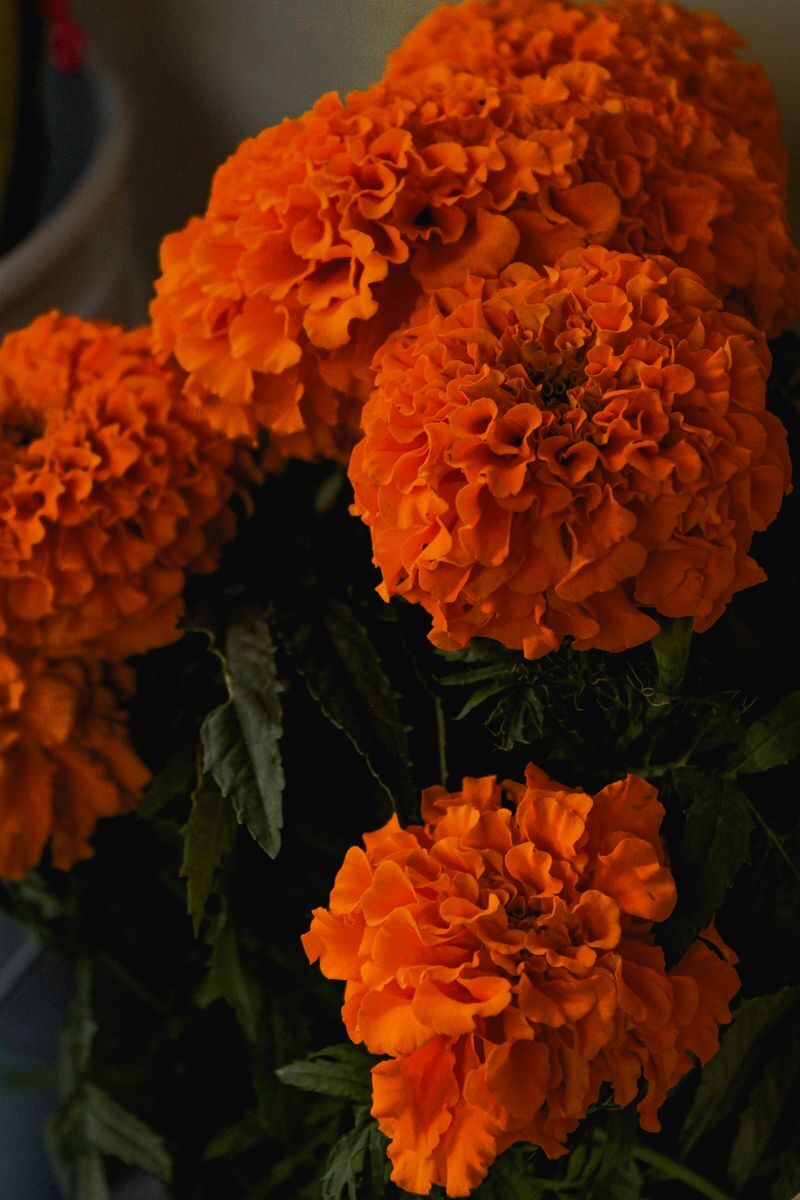
There’s something almost magnetic about orange flowers. The moment sunlight catches their petals in the early morning, the whole garden seems to radiate warmth. I’ve been growing flowers for over a decade, and I still reach for orange varieties every single season — not because it’s the trendy choice, but because nothing else makes a dull garden corner come alive quite the way a well-placed burst of tangerine or burnt sienna does.
If you’ve been sleeping on orange, though, you’re not alone. It tends to get overshadowed by the drama of red and the cheerfulness of yellow. But here’s the thing: orange is actually one of the most versatile warm tones in a gardener’s palette. It plays beautifully with blues and purples for high-contrast drama, harmonizes naturally with yellows and reds for a fiery autumn feel, and — perhaps surprisingly — it softens really well when paired with white or pale pink.
In this guide, we’re covering 20 of the best orange flower varieties for American gardens. We’ll go from easy annuals you can tuck in after the last frost all the way to hardy perennials that come back bigger every year. Along the way, we’ll also dig into what orange flowers mean symbolically, which ones thrive in your specific USDA zone, and how to grow them well from day one.
What Do Orange Flowers Symbolize?
Before we get into the dirt, it’s worth knowing what these blooms actually communicate. Orange flowers carry some of the most upbeat symbolism in the floral world. Broadly speaking, they represent enthusiasm, warmth, creativity, and joy. In Western traditions, they’re also closely associated with encouragement, friendship, and success. In Eastern cultures — particularly across India and parts of Asia — orange goes even deeper, holding spiritual significance that represents sacredness and enlightenment.
Here’s a quick breakdown by flower type, since meanings can vary significantly:
- Marigolds — passion, optimism, and devotion to the sun; deeply woven into Hindu and Día de los Muertos celebrations across the U.S. Southwest
- Orange roses — fascination and excitement, offering a touch of romance without the full weight of red
- Tulips — cheerfulness, warmth, and new beginnings
- Tiger lily — classically associated with confidence and pride, though some traditions do link it to less flattering meanings
- Calendula — healing, comfort, and resilience
- Butterfly weed — transformation and an appreciation of native landscapes
In short, if you’re planting orange flowers as gifts or for a meaningful occasion — a housewarming, a graduation party, or even a pollinator garden dedication — you’re on genuinely solid symbolic ground.
A Note on USDA Hardiness Zones
Before you fall in love with a specific variety, it’s essential to know your USDA Hardiness Zone. The USDA updated its plant hardiness map in late 2023, and as a result, many parts of the U.S. shifted roughly half a zone warmer compared to previous data. That means some plants that were marginal in your area before may now actually be worth trying.
In simple terms: Zone 1 is the coldest (think interior Alaska), while Zone 13 is the warmest (tropical southern Florida and Hawaii). Most of the continental U.S. falls between Zones 3 and 10. To look up your exact zone, simply visit the USDA’s official website, enter your zip code, and you’ll have your answer in about 30 seconds — completely free.
With all that in mind, let’s get to the flowers.
20 Best Orange Flowers for American Gardens
1. Marigold (Tagetes spp.)
Type: Annual | Zones: 2–11 | Sun: Full sun | Blooms: Late spring to frost
If there’s one orange flower that belongs in every American garden, it’s the marigold. French marigolds are a familiar sight at garden centers every spring, but don’t stop there. African marigolds, for instance, grow tall enough to reach 3 feet and produce baseball-sized blooms with deeply ruffled petals that are genuinely impressive. Beyond their looks, marigolds are true garden workhorses. They repel pest insects, which makes them ideal companion plants in vegetable beds, and they thrive in just about every climate zone across the country. Be sure to deadhead regularly for continuous bloom all season.
Best varieties: ‘Crackerjack Mix’ (tall African type), ‘Bonanza Orange’ (French type), ‘Strawberry Blonde’ for a warm multi-tonal effect.
2. Zinnia (Zinnia elegans)
Type: Annual | Zones: 2–11 | Sun: Full sun | Blooms: Summer through fall
Zinnias are among the best flowers you can direct-sow into the garden right after your last frost date. They germinate fast, grow even faster, and bloom reliably for months on end. Orange zinnias are particularly striking because they tend to hold their color well in heat — which is a real bonus in the Deep South or the Southwest, where many annuals fizzle out by July. If you’re using them as cut flowers, try succession-sowing every three weeks for a continuous harvest straight through fall.
Best varieties: ‘Orange King,’ ‘Queeny Lime Orange,’ ‘Benary’s Giant Orange,’ ‘Profusion Orange.’
3. Daylily (Hemerocallis hybrids)
Type: Perennial | Zones: 3–9 | Sun: Full sun to partial shade | Blooms: Summer
Daylilies might be the most forgiving perennial in existence. They tolerate drought, clay soil, and neglect, and then they come back year after year with minimal fuss. Orange daylilies, specifically, spread gradually to form impressive clumps that are nothing short of spectacular in full bloom. Each individual flower lasts only one day (hence the name), but the good news is that healthy plants produce dozens of buds per stem — so the overall display continues for weeks.
Best varieties: ‘Stella de Oro’ (compact and reblooming), ‘Happy Returns,’ ‘Always Afternoon,’ and ‘Red Rum’ for a deeper burnt-orange tone.
4. California Poppy (Eschscholzia californica)
Type: Annual/Short-lived perennial | Zones: 6–10 as perennial; grown as annual elsewhere | Sun: Full sun | Blooms: Spring to early summer
California’s state flower is one of the easiest and most rewarding orange bloomers for American gardens. Because it self-seeds enthusiastically, you typically scatter seeds once and it essentially maintains itself for years after that. It’s especially well-suited to the western U.S. — from California all the way through the Pacific Northwest — where it thrives in sandy, fast-draining soils. It’s perfect for wildflower meadows, rock gardens, and informal garden paths.
Growing tip: Don’t transplant — direct-sow in fall or very early spring instead. It blooms best in cool weather and actually prefers somewhat poor soil over rich, amended beds.
5. Butterfly Weed (Asclepias tuberosa)
Type: Native perennial | Zones: 3–9 | Sun: Full sun | Blooms: Midsummer
If you’re gardening with pollinators in mind — and in 2026, most of us really should be — then butterfly weed is non-negotiable. This native milkweed species is both the host plant for monarch butterfly larvae and a major nectar source for dozens of other pollinators. Its flat-topped clusters of vivid orange flowers are stunning from midsummer onward. Even better, it’s drought-tolerant once established and actually thrives in rocky or sandy soils where other plants tend to struggle.
Regional note: This plant is especially valuable in the Midwest and Great Plains, where monarch populations depend heavily on native milkweed corridors to survive their annual migration.
6. Black-Eyed Susan (Rudbeckia hirta)
Type: Annual/Short-lived perennial | Zones: 3–9 | Sun: Full sun | Blooms: Midsummer to fall
Classic Black-Eyed Susans lean toward golden yellow, but many modern cultivars produce genuinely rich orange tones. They’re tough, heat-tolerant, and highly attractive to goldfinches, which feed on the seed heads throughout fall. If you want a more orange-forward look, then specifically seek out ‘Cherry Brandy’ or ‘Indian Summer,’ both of which deliver warmer, deeper tones than the standard species.
2026 spotlight: ‘Claire Orange,’ a brand-new pollen-free F1 hybrid Rudbeckia, was selected as an All-America Selections National Winner this year — a significant honor in the gardening world. It’s an excellent choice if you’re growing cut flowers and want to avoid yellow pollen stains on tablecloths or clothing.
7. Coneflower (Echinacea hybrids)
Type: Perennial | Zones: 4–9 | Sun: Full sun to partial shade | Blooms: Midsummer
Most people associate echinacea with purple, but orange varieties have genuinely taken the gardening world by storm over the past decade. The ‘Double Scoop Mandarin’ and ‘Color Coded Orange You Awesome’ cultivars, for example, produce fully double, vibrant orange blooms that hold their color without fading all summer long. They’re also drought-tolerant, native to North America, and beloved by pollinators of all kinds.
Growing tip: Avoid overhead watering, which can trigger mildew on foliage. Additionally, leave the seed heads standing in fall — goldfinches will visit all winter to feed on them, which is a lovely bonus.
8. Dahlia (Dahlia hybrids)
Type: Tender perennial/annual | Zones: 8–11 as perennial; grown from tubers as annual in colder zones | Sun: Full sun | Blooms: Midsummer to frost
Few flowers are as visually dramatic as a dinner-plate dahlia in full bloom. Orange dahlias in particular range from clear tangerine all the way to deep burnt copper, and they’re outstanding as cut flowers. In USDA Zones 7 and colder, you’ll need to dig and store the tubers over winter. However, most gardeners who make that effort find it completely worthwhile given the spectacular results.
Best varieties: ‘David Howard’ (apricot-orange with striking dark foliage), ‘Jescot Julie,’ ‘Color Spectacle,’ ‘Melody Dora,’ and ‘Puerto Rico.’
9. Nasturtium (Tropaeolum majus)
Type: Annual | Zones: 2–11 | Sun: Full sun to partial shade | Blooms: Late spring to frost
Nasturtiums are genuinely underrated. They’re fast from seed, they bloom generously with almost no care, and their flowers are actually edible — peppery and bright, they look beautiful in salads and add a pop of color to summer plates. Orange nasturtiums trail elegantly over raised bed edges, climb small supports with their twining stems, or spill from window boxes with great effect. One important tip, though: don’t over-fertilize. Too much nitrogen pushes lush foliage at the direct expense of flowers.
Bonus benefit: They’re also excellent at repelling aphids and whiteflies in the vegetable garden, which makes them doubly useful.
10. Calendula (Calendula officinalis)
Type: Annual | Zones: 2–11 (cool-season) | Sun: Full sun | Blooms: Spring and fall
Also called pot marigold — though it’s actually unrelated to true marigolds — calendula is an old-fashioned workhorse that blooms in cool weather. That characteristic makes it perfect for early spring and fall gardens right across the U.S. It’s been used medicinally for centuries and is still a popular ingredient in skin salves and herbal teas today. For best results, start seeds indoors about seven weeks before your last frost date.
Regional tip: In mild-winter climates like coastal California, the Pacific Northwest, and much of the Southeast, calendula can bloom nearly year-round with very little intervention.
11. Trumpet Vine (Campsis radicans)
Type: Perennial vine | Zones: 4–9 | Sun: Full sun | Blooms: Midsummer
Hummingbirds absolutely love trumpet vine, and the plant seems to return the favor with an extraordinary display. It produces wave after wave of large, trumpet-shaped orange-red blooms all summer long. It’s a vigorous climber — some would even say aggressive — so plant it where it has room to spread along a sturdy fence or arbor. Once established, it requires very little care. Just keep in mind that it spreads via underground runners and will need annual pruning to keep it properly in bounds.
Best varieties: ‘Flava’ (yellow-orange tones), ‘Indian Summer,’ and ‘Chicklet,’ which is notably more compact than the standard species.
12. Gerbera Daisy (Gerbera jamesonii)
Type: Tender perennial | Zones: 8–11 as perennial; annual elsewhere | Sun: Full sun to partial shade | Blooms: Late spring through fall
Gerbera daisies are the classic florist flower, but they also grow beautifully in American gardens — especially across the Southeast and Southwest. Orange varieties are among the most vibrant you can find anywhere. They do prefer good drainage, though, and they don’t particularly love humid summers. As a result, raised beds or containers are often the ideal solution if you’re gardening in a muggy climate.
Best varieties: ‘Mega Revolution Orange’ and ‘Patio Volcanoes,’ the latter featuring striking orange and yellow bi-color blooms with dramatic black eyes.
13. Canna Lily (Canna spp.)
Type: Tender perennial | Zones: 7–11; grown as annual in colder zones | Sun: Full sun | Blooms: Summer through fall
Cannas bring a tropical boldness that very few other plants can match. Their large, banana-like leaves are just as ornamental as the flowers themselves, and the orange-red blooms are strikingly vivid against that lush foliage. They’re fast growers and do exceptionally well in hot, humid regions — the Gulf Coast, Florida, and the Deep South are all prime canna territory.
Growing tip: Plant rhizomes 4–6 inches deep after the last frost. Then water consistently throughout the growing season, as regular moisture makes a real difference in bloom quality.
14. Orange Rose (Rosa hybrids)
Type: Perennial shrub | Zones: 4–9 depending on variety | Sun: Full sun | Blooms: Spring through fall (reblooming varieties)
Orange roses were developed in the 20th century by crossing red and yellow varieties, and today’s cultivars are more disease-resistant and lower-maintenance than their predecessors ever were. Symbolically, they represent fascination, excitement, and a compelling blend of admiration and enthusiasm. For American gardeners, it’s particularly worth seeking out disease-resistant landscape varieties that are proven to perform in your specific regional climate.
Best varieties: ‘Tropicana,’ ‘Vavoom,’ ‘Coral Knock Out’ (extremely disease-resistant and widely available), and ‘Oso Easy Hot Paprika.’
15. Lantana (Lantana camara)
Type: Tender perennial/annual | Zones: 8–11 as perennial; annual in colder zones | Sun: Full sun | Blooms: Summer through frost
Lantana is one of the toughest and most heat-tolerant flowering plants you can find, which is exactly why it’s become a staple in gardens across the South and Southwest. The small, clustered blooms often feature two or three colors at once — orange paired with yellow or red — and they attract butterflies in impressive numbers. In Zones 8 and warmer, lantana eventually grows into a woody perennial shrub that returns reliably year after year.
Important note: Lantana is considered invasive in some southern states, particularly Florida and Texas. Before planting, check with your local cooperative extension office to make sure it’s appropriate for your specific area.
16. Crocosmia (Crocosmia spp.)
Type: Perennial bulb | Zones: 5–9 | Sun: Full sun to partial shade | Blooms: Midsummer
Crocosmia produces arching, sword-like foliage and genuinely stunning sprays of tubular orange-red flowers that hummingbirds find irresistible. Over time, they naturalize readily in the Pacific Northwest and the upper South, spreading into impressive clumps that put on a bigger show every year. As an added bonus, the cut flowers are outstanding in summer arrangements.
Best varieties: ‘Lucifer’ (a fiery red-orange classic), ‘Orange Pekoe,’ and ‘Emily McKenzie.’
17. Blanket Flower (Gaillardia)
Type: Perennial | Zones: 3–10 | Sun: Full sun | Blooms: Summer to fall
Named for the colorful patterns of Native American blankets, blanket flowers produce bold orange, red, and yellow blooms that almost resemble stained glass when backlit by the afternoon sun. They’re among the most drought-tolerant perennials you can plant, and once established, they practically thrive on neglect. This makes them an excellent choice for the Great Plains, the Mountain West, and anywhere summers are reliably hot and dry.
Growing tip: Avoid wet, heavy soil at all costs — that’s the fastest way to kill a blanket flower. Instead, well-drained or even sandy soil is genuinely ideal.
18. Mexican Sunflower (Tithonia rotundifolia)
Type: Annual | Zones: 2–11 | Sun: Full sun | Blooms: Midsummer to frost
Mexican sunflower is a big, bold annual that can reach 4–6 feet tall, and it produces a steady stream of vivid orange, daisy-like blooms all summer and right through fall. It’s a powerful butterfly magnet and makes a standout statement at the back of any sunny border. Interestingly, it thrives in heat and actually performs better in lean soil — rich, amended soil tends to produce lots of foliage but noticeably fewer flowers.
Best variety options: ‘Torch’ is the classic tall type for large borders, while ‘Fiesta del Sol’ stays more compact at 2–3 feet, making it better suited to smaller garden spaces.
19. Bird of Paradise (Strelitzia reginae)
Type: Tropical perennial | Zones: 10–12 outdoors; container plant elsewhere | Sun: Full sun | Blooms: Year-round in ideal conditions
The orange and blue flowers of bird of paradise are among the most architecturally distinctive blooms in the entire plant world. In American gardens, they grow outdoors year-round in Southern California, Hawaii, and South Florida. Everywhere else, however, they make spectacular container plants that can easily be brought indoors during cold months and then moved back out again in spring.
Growing tip: They’re slow to establish, so be patient. Interestingly, they actually bloom better when slightly root-bound — so don’t rush to repot at the first sign of crowding.
20. Oriental Poppy (Papaver orientale)
Type: Perennial | Zones: 3–9 | Sun: Full sun | Blooms: Late spring to early summer
Oriental poppies provide one of the most spectacular late-spring shows in the entire American garden calendar. Their enormous, papery blooms in shades of scarlet-orange with dark, inky centers are genuinely breathtaking — though, admittedly, they are fleeting. They bloom for only a few weeks, then go completely dormant in summer. Because of that gap, it’s smart to plan ahead and fill their space with summer annuals. They’re particularly stunning in the Pacific Northwest, New England, and the Upper Midwest.
Best varieties: ‘Allegro’ (classic bright orange), ‘Prince of Orange,’ and ‘Helen Elizabeth’ for a softer salmon-orange tone.
Growing Orange Flowers: Practical Tips by U.S. Region
Since climate varies so dramatically across the United States, the best approach is to think regionally rather than applying one-size-fits-all advice.
Northeast & Upper Midwest (Zones 4–6)
In these colder zones, focus primarily on hardy perennials like coneflower, daylily, crocosmia, and blanket flower as your backbone. Then use annuals like marigolds, zinnias, and nasturtiums to fill things in from late May through October. For best results, start seeds indoors 6–8 weeks before your local last frost date.
Southeast & Gulf Coast (Zones 7–9)
This region is prime territory for cannas, lantana, gerbera daisies, and dahlias. Heat-tolerant Mexican sunflowers and zinnias also perform exceptionally through the long, steamy summers. However, do watch out for powdery mildew on zinnias — wherever possible, choose mildew-resistant varieties to stay ahead of the problem.
Pacific Northwest (Zones 7–9b)
Oriental poppies, crocosmia, and California poppies are all absolutely at home here. The mild, wet winters also make many bulbs and perennials far more reliable in this region than they are in colder continental climates, which is a genuine advantage for Pacific Northwest gardeners.
Southwest & Mountain West (Zones 5–9)
Here, drought tolerance is the top priority. Blanket flower, butterfly weed, marigolds, and California poppies are all outstanding choices for this region. In general, avoid plants that need consistent moisture unless you’re prepared to irrigate regularly throughout the summer.
South Florida & Hawaii (Zones 10–13)
In these tropical and subtropical zones, bird of paradise, lantana, cannas, and tropical hibiscus are all reliable year-round performers. Moreover, gerbera daisies and marigolds thrive through the warm winters, giving these gardeners color options that cold-climate growers can only dream about.
Design Tips: How to Use Orange Flowers in the Garden
Orange is actually far more flexible than many gardeners realize. So rather than treating it as a statement color that needs careful containing, think of it as a connector that works across many different palettes.
Here are a few combinations that consistently work beautifully:
- Orange + Blue/Purple — High contrast and visually electrifying. For example, try orange zinnias paired with blue salvia, or butterfly weed growing alongside purple coneflower.
- Orange + Yellow + Red — A warm, fiery palette that feels celebratory and exuberant. This is particularly perfect for late summer and fall containers.
- Orange + White — Crisp, fresh, and surprisingly elegant. Orange marigolds with white alyssum or white cosmos gives a clean cottage-garden look that works in almost any setting.
- Orange + Dark Foliage — Incredibly dramatic when done right. Try orange dahlias against dark-leaved ‘David Howard’ varieties, or bright orange cannas alongside purple elephant ear.
For further design inspiration and ongoing plant selection guidance, visit The Old Farmer’s Almanac flower growing guides — one of the most trusted resources for American home gardeners since 1792.
You might also enjoy our related guide: How to Build a Pollinator Garden from Scratch — which covers many of the native orange bloomers mentioned here in considerably more depth.
Caring for Orange Flowers: General Principles That Apply Everywhere
Regardless of which varieties you choose, a few core practices make an outsized difference in how well your orange flowers perform.
First and foremost, soil preparation matters. Most orange flowers prefer well-drained soil, so before planting, work in a 2–3 inch layer of compost. This simple step improves both drainage and fertility at the same time.
Beyond that, deadheading extends bloom dramatically. For annuals like marigolds, zinnias, and calendula, removing spent flowers regularly signals the plant to keep producing new buds. It takes about five minutes and makes a genuinely significant difference over the course of a season.
Additionally, always water at the base rather than overhead. Wet foliage invites fungal disease, especially in humid climates. Drip irrigation or careful hand watering at soil level is always the safer approach.
When it comes to fertilizing, less is often more. Annuals do benefit from a balanced, slow-release fertilizer at planting time. Most perennials, however, need very little fertilizer once they’re established — over-feeding tends to produce lush foliage at the direct expense of flowers, which is the opposite of what you want.
Finally, know when to divide your perennials. Plants like daylilies, crocosmia, and blanket flower should be divided every 3–4 years to maintain their vigor and prevent overcrowding. It’s a simple task that pays off with noticeably better blooms the following season.
FAQ: Orange Flowers for American Gardens
What are the easiest orange flowers to grow for beginners?
Marigolds, zinnias, and nasturtiums are consistently the three easiest options for beginner gardeners. All three are direct-sow annuals that germinate quickly, grow with minimal care, and bloom generously from late spring through fall. They’re also widely available at garden centers and nurseries right across the country, so you shouldn’t have any trouble finding them locally.
Do orange flowers attract hummingbirds?
Yes — orange and red tubular flowers are among the most effective hummingbird attractors in the garden. Specifically, trumpet vine, butterfly weed, crocosmia, cannas, and lantana are all particularly beloved by hummingbirds. If you’re working to establish a dedicated hummingbird garden, planting a mix of these together will likely bring regular visitors from late spring through early fall.
What orange flowers come back every year?
Daylilies, butterfly weed, coneflower (echinacea), blanket flower, crocosmia, and oriental poppies are all true perennials that return reliably each year in appropriate USDA zones. Dahlias and cannas can also behave as perennials in Zones 7–8 and warmer. In colder climates, however, you can still enjoy them annually by digging and storing the tubers over winter.
Which orange flowers grow well in shade?
Most orange flowers strongly prefer full sun, but there are exceptions. Impatiens, begonias, and certain calibrachoa varieties can all produce orange blooms in partial to full shade. If your garden has limited sunlight, gerbera daisies also perform reasonably well in partial shade — and in hot climates, that afternoon shade is actually beneficial rather than a limitation.
Are any orange flowers native to the United States?
Yes, several! Butterfly weed (Asclepias tuberosa), California poppy (Eschscholzia californica), and blanket flower (Gaillardia) are all native North American species. Growing these native orange flowers is particularly valuable for supporting local pollinators, especially monarch butterflies, which depend on milkweed species like butterfly weed at multiple critical points in their life cycle.
What orange flowers bloom in fall?
Garden mums (chrysanthemums), marigolds, zinnias, dahlias, canna lilies, and lantana all extend well into fall with minimal extra effort. For a dedicated fall display, orange pansies are also worth planting in early September — they thrive in cooler temperatures and can bloom right up to hard frost in many parts of the U.S.
Can I grow orange flowers successfully in containers?
Absolutely. Marigolds, zinnias, nasturtiums, gerbera daisies, calibrachoa, and even compact dahlia varieties all thrive in containers. The key is to use a high-quality potting mix with good drainage, water more frequently than you would for in-ground plants, and feed with a liquid fertilizer every two weeks during the peak growing season.
Do orange flowers help repel pests in vegetable gardens?
Yes — marigolds in particular are very well-documented as companion plants. They produce a compound in their roots that actively deters nematodes, and their distinctive scent helps confuse or repel aphids and whiteflies above ground. Nasturtiums are similarly useful as a “trap crop,” in that they attract aphids away from vegetables and concentrate the pests in one spot where you can deal with them efficiently.
Final Thoughts
Orange flowers deserve a permanent place in every American garden. Whether you’re after a low-maintenance annual to brighten a summer border, a tough native perennial that feeds monarchs and hummingbirds, or a dramatic tropical accent for your patio containers, there’s an orange flower out there that fits your climate, your space, and your skill level.
Start with one or two varieties this season — perhaps a flat of marigolds from your local nursery and a packet of zinnia seeds — and then simply watch what the color does for your outdoor space. I’m willing to bet that next year, you’ll be hunting down deep burgundy-orange dahlias and bird of paradise cuttings. It tends to work that way with orange. Once you see what it does to a garden, you can’t quite go back to ignoring it.
The garden, after all, doesn’t need to be subtle to be beautiful.