

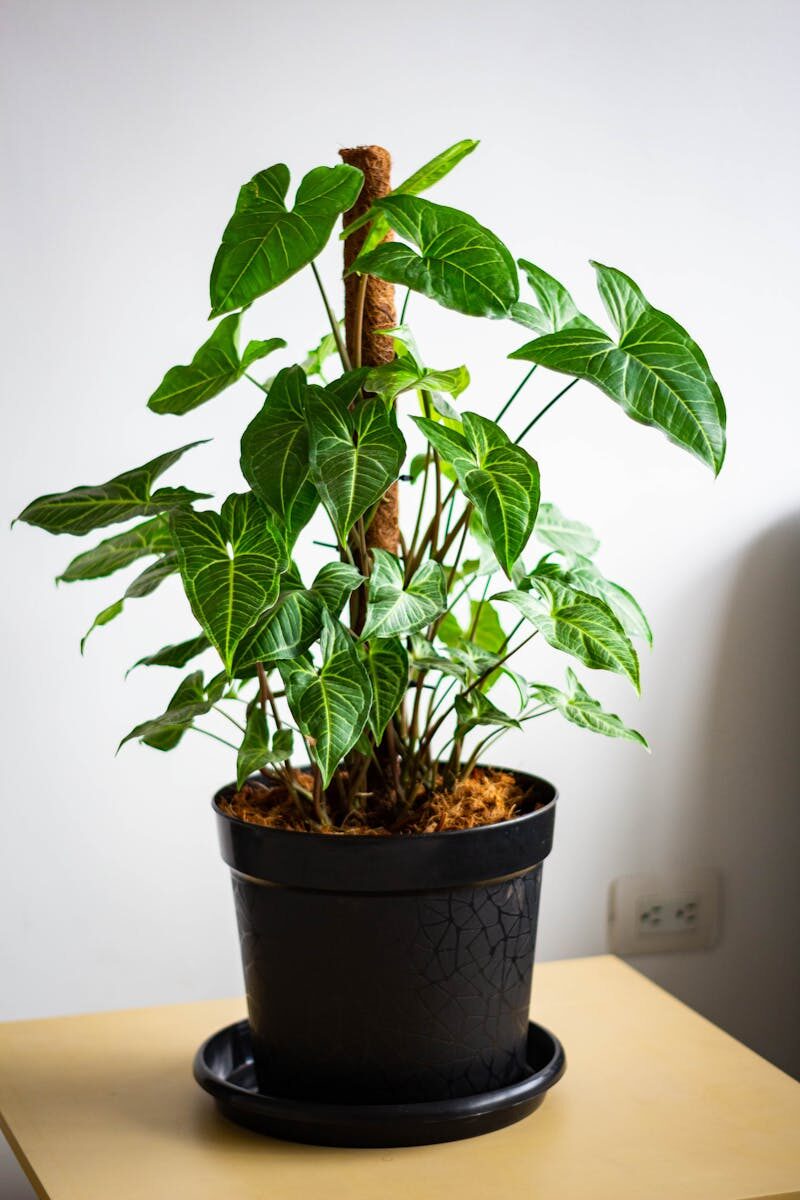
If you’ve ever walked into a plant shop and done a double-take at a leaf that looks like it’s about to glide off the shelf, chances are you were staring at an Alocasia Stingray. With its dramatically upswept leaves and a long, tapering “tail” that mimics the shape of a stingray mid-swim, this plant is one of the most visually striking houseplants available today — and it’s become increasingly popular across the United States, from the humid apartments of New York City to the sun-drenched homes of Southern California.
I’ve been growing Alocasias for over six years, and the Stingray remains one of my most-asked-about plants whenever guests visit. It’s bold, sculptural, and — once you understand what it actually needs — surprisingly manageable. This guide covers everything you need to know to grow a thriving Alocasia Stingray, whether you’re a seasoned tropical plant collector or just getting started.
What Is the Alocasia Stingray?
The Alocasia Stingray (Alocasia macrorrhiza ‘Stingray’) is a cultivar of the Giant Taro, native to subtropical and tropical regions of Asia and Eastern Australia. What sets this cultivar apart is its unique leaf shape: each leaf has a broad, rounded body with a dramatically elongated tip that curls and tapers into a thin, whip-like “tail” — an almost uncanny resemblance to a stingray in motion.
Unlike many Alocasias that stay relatively compact, the Stingray can grow quite large indoors with the right conditions. Mature plants in good health can reach 3 to 5 feet tall, making them a statement piece for living rooms, bright offices, or sunlit entryways.
In the United States, the Alocasia Stingray has seen a surge in availability since around 2021, when the houseplant boom brought rare and unusual aroids into mainstream garden centers. Today, you can find them at specialty nurseries, local plant markets, and online retailers like Etsy and Costa Farms distributors.
Quick Care Overview
Before diving into the details, here’s a snapshot of the Alocasia Stingray’s core needs:
| Care Factor | Requirement |
|---|---|
| Light | Bright, indirect light |
| Watering | When top 1–2 inches of soil dry out |
| Humidity | 60–80% preferred |
| Temperature | 65°F–85°F (18°C–29°C) |
| Soil | Well-draining, aroid mix |
| Fertilizer | Monthly during spring and summer |
| Repotting | Every 1–2 years |
| Toxicity | Toxic to pets and humans if ingested |
Light Requirements: Finding the Right Spot
The Alocasia Stingray thrives in bright, indirect light. Think of the kind of light you’d find 3 to 6 feet from a large south- or east-facing window, where the plant gets plenty of brightness without direct sun rays hitting the leaves.
Direct sunlight — especially the intense afternoon sun common in places like Arizona, Texas, or Florida — will scorch the leaves fast. You’ll notice the damage as bleached yellow or crispy brown patches on the leaf surface. If you live in a sun-drenched state and your windows get harsh afternoon exposure, a sheer curtain is your best friend.
On the flip side, too little light is the more common mistake. In low light, the Stingray will slow its growth dramatically, droop, and become more susceptible to root rot because the soil stays wet for too long.
Pro tip for US growers: During the short winter days in northern states like Minnesota, Michigan, or the Pacific Northwest, consider supplementing with a full-spectrum LED grow light to keep your Stingray actively growing year-round.
Watering: The Balancing Act
Watering is where most people run into trouble with Alocasia Stingray care, and honestly, it’s understandable. These plants want consistent moisture but absolutely cannot tolerate sitting in soggy soil.
The golden rule: water when the top 1 to 2 inches of soil have dried out. Stick your finger into the soil — if it’s still damp near the surface, wait another day or two. If it’s dry past the first knuckle, it’s time to water.
When you do water, do it thoroughly. Pour slowly and evenly until water drains freely from the bottom of the pot. Then discard the drained water from the saucer — never let the pot sit in standing water.
Seasonal adjustments matter. During the active growing season (spring through early fall), your Stingray may need watering every 5 to 7 days. In winter, when growth slows and light levels drop, you might only water every 10 to 14 days. If you’re in a dry climate like Colorado or Nevada, your soil may dry out faster; if you’re in a humid state like Louisiana or Florida, it’ll stay moist longer.
Signs of Overwatering
- Yellowing lower leaves
- Mushy stems at the base
- Foul smell from the soil
- Root rot (dark, mushy roots when you check)
Signs of Underwatering
- Curling or drooping leaves
- Dry, crispy leaf edges
- Very lightweight pot
Humidity: Going Tropical Indoors
As a plant with tropical roots, the Alocasia Stingray genuinely loves humidity. It performs best in 60% to 80% relative humidity — a level that most American homes don’t naturally provide, especially during winter when central heating dries the air significantly.
Here’s how to boost humidity effectively:
- Humidifier: The most reliable method. A small ultrasonic humidifier placed a foot or two away from the plant makes a noticeable difference. Aim for 60% or higher.
- Pebble tray: Fill a tray with pebbles and water, then set the pot on top (not submerged). As the water evaporates, it adds moisture around the plant.
- Grouping plants: Clustering your houseplants together creates a microclimate with slightly higher humidity.
- Avoid misting: Despite what you might read online, misting leaves is largely ineffective at raising humidity and can promote fungal issues on the leaf surface.
If you live in the American South or Hawaii, your outdoor ambient humidity may be high enough that your indoor air stays naturally moist — lucky you. For those in the arid Southwest or during Midwestern winters, a humidifier is worth the investment.
Temperature: Keeping It Comfortable
The Alocasia Stingray is a warm-weather plant through and through. It’s happiest in temperatures between 65°F and 85°F (18°C and 29°C). Temperatures below 55°F (13°C) will stress the plant, and anything approaching freezing will likely be fatal.
This means the Stingray is strictly an indoor plant for most of the continental United States, though gardeners in USDA Hardiness Zones 10 and 11 (South Florida, Southern California, Hawaii) can keep it outdoors year-round in a shaded spot.
Be mindful of cold drafts from windows in winter, especially in states with harsh winters. A windowsill that’s warm and bright in July can become dangerously cold by January. Keep your Stingray away from exterior walls and drafty windows during the cold months.
Also avoid placing it near heating vents or radiators — the dry, hot blasts will desiccate the leaves quickly.
Soil: The Foundation of Healthy Roots
Good soil is non-negotiable for this plant. The Alocasia Stingray needs a well-draining, airy mix that holds some moisture but doesn’t stay waterlogged.
A ready-made potting mix from the bag is typically too dense on its own. A better approach is to amend it with chunky, porous materials. Here’s a simple recipe that works well:
- 40% quality indoor potting mix (brands like Espoma, FoxFarm, or Miracle-Gro Moisture Control are widely available at Home Depot and Lowe’s)
- 30% perlite (for drainage and aeration)
- 20% orchid bark (adds chunkiness and prevents compaction)
- 10% worm castings (optional, but adds gentle slow-release nutrients)
This kind of aroid-friendly mix drains quickly, dries evenly, and gives the roots plenty of air — exactly what Alocasias love. You can also purchase pre-made aroid mixes from specialty online retailers like The Soil Roti or Tropical Soil Company if you’d rather not mix your own.
Fertilizing: Feeding for Growth
During the active growing season — roughly March through September in the US — your Alocasia Stingray benefits from regular feeding. Use a balanced liquid fertilizer (something like a 20-20-20 or 10-10-10 NPK formula) diluted to half the recommended strength, applied once a month.
Over-fertilizing is a real risk. Too much fertilizer causes salt buildup in the soil, which burns the roots and causes leaf tip browning. If you notice white crusty deposits on the soil surface, flush the soil thoroughly with plain water to rinse out the accumulated salts.
In fall and winter, ease off or stop fertilizing entirely. The plant’s growth slows, and feeding it during dormancy can cause more harm than good.
Repotting: When and How to Do It
The Alocasia Stingray grows at a moderate pace and generally needs repotting every one to two years. Signs that it’s time: roots circling the bottom of the pot, roots growing through the drainage holes, or noticeably stunted growth despite good care.
Choose a new pot that’s only 1 to 2 inches larger in diameter than the current one. Going too big causes excess wet soil around the roots, which dramatically increases the risk of root rot.
Best time to repot: Spring or early summer, just as active growth kicks in. This gives the plant the whole growing season to settle into its new home.
How to repot:
- Water the plant a day before to make root ball removal easier.
- Gently remove the plant and shake off loose soil.
- Inspect the roots — trim off any that are dark, mushy, or rotting with clean scissors.
- Place fresh aroid mix in the bottom of the new pot.
- Set the plant in, fill around the root ball with fresh soil, and water lightly.
- Keep out of direct sun for a week or two while it adjusts.
Propagation: Growing More Stingrays
Unlike many houseplants, you can’t propagate Alocasia Stingray from leaf cuttings — the leaves alone won’t root. The most reliable propagation method is division, which happens naturally as the plant produces offsets (small baby plants, also called “pups”) at the base.
Wait until the offsets are at least a few inches tall and have their own roots before separating them. During repotting is the ideal time to do this.
Carefully separate the pup from the mother plant, ensuring it has a portion of root attached, then pot it up in its own small container with moist aroid mix. Keep it warm, humid, and in bright indirect light. It may sulk for a week or two, but it’ll bounce back.
Common Problems and How to Fix Them
Yellowing Leaves
Yellow leaves on an Alocasia Stingray most often signal overwatering, though they can also result from too little light, low temperatures, or natural aging (the plant routinely drops older lower leaves). Check your watering habits and soil drainage first.
Drooping Leaves
Drooping can happen for a few reasons: underwatering, sudden temperature changes, or repotting stress. Check the soil — if it’s dry, water thoroughly. If it’s wet, ease up and make sure drainage is working.
Brown Leaf Edges
This usually points to low humidity or inconsistent watering. Try boosting humidity with a humidifier and check that you’re watering evenly rather than letting the soil swing between bone dry and soaking wet.
Spider Mites and Thrips
Alocasias are unfortunately attractive to spider mites (especially in dry indoor air) and thrips. Inspect the undersides of leaves regularly. If you spot fine webbing or small insects, treat with a neem oil solution or insecticidal soap spray, applied every 5 to 7 days for three to four weeks to break the pest life cycle.
For thrips specifically, yellow sticky traps can help catch adults. Quarantine any infected plant away from your other houseplants immediately.
Root Rot
Root rot is the most serious issue and is almost always caused by overwatering or poor drainage. If you notice mushy, dark roots during a repot, trim all affected areas with sterile scissors, dust the cuts with cinnamon (a natural antifungal), and repot in fresh dry soil. Cut back watering significantly and improve drainage.
Is Alocasia Stingray Safe for Pets and Children?
This is an important one: No, the Alocasia Stingray is toxic. Like all Alocasias, it contains calcium oxalate crystals, which cause intense irritation to the mouth, throat, and digestive tract if ingested. Symptoms in both humans and animals include swelling, burning sensation, drooling, and vomiting.
Keep this plant well out of reach of curious pets — particularly dogs and cats — and small children. The ASPCA lists Alocasia species as toxic to dogs and cats. If you suspect ingestion, contact your veterinarian or the ASPCA Animal Poison Control Center immediately.
Frequently Asked Questions
How fast does Alocasia Stingray grow? In ideal conditions — warm temperatures, bright indirect light, and adequate humidity — a healthy Stingray can push out a new leaf every two to four weeks during the growing season. In winter or low-light conditions, growth slows considerably or stops altogether.
Why is my Alocasia Stingray losing leaves? Alocasias are known for dropping older leaves, especially when stressed by a change in environment — like a recent move, repotting, or seasonal transition. If the plant is growing new leaves at the same time it’s losing old ones, that’s normal. If it’s only losing leaves with no new growth, investigate the care conditions.
Can I put my Alocasia Stingray outside in summer? Yes, in many parts of the US this can work well. Choose a shaded or partially shaded spot with no direct sun. Gradually acclimate the plant to outdoor conditions over one to two weeks to avoid shock. Bring it back indoors before nighttime temperatures drop below 60°F.
Why is my Alocasia Stingray not growing? The most common culprits are insufficient light, root-bound conditions, or dormancy due to low temperatures. Assess your light setup first — most indoor spaces don’t provide nearly as much light as people think — then check whether the plant needs repotting.
Final Thoughts
The Alocasia Stingray is one of those plants that makes a room feel alive. Its prehistoric, sculptural presence is genuinely hard to replicate with any other houseplant. Yes, it has preferences — it wants humidity, consistent watering, and bright light — but it isn’t nearly as fussy as its exotic appearance might suggest.
The keys are simple: don’t overwater, give it plenty of indirect light, keep the humidity up, and use a well-draining soil mix. Do those four things consistently, and your Stingray will reward you with those spectacular new leaves unfurling regularly throughout the growing season.
If you’re building out your indoor jungle and want a plant that genuinely stops people mid-sentence, the Alocasia Stingray belongs in your collection. For more plant care tips and in-depth guides on tropical aroids, check out our Monstera Thai Constellation Care Guide to see how another stunning aroid fits into your indoor garden.
Have you grown an Alocasia Stingray? Share your experience in the comments — we’d love to hear what’s working for you, what challenges you’ve faced, and any tips you’d add for fellow growers.