

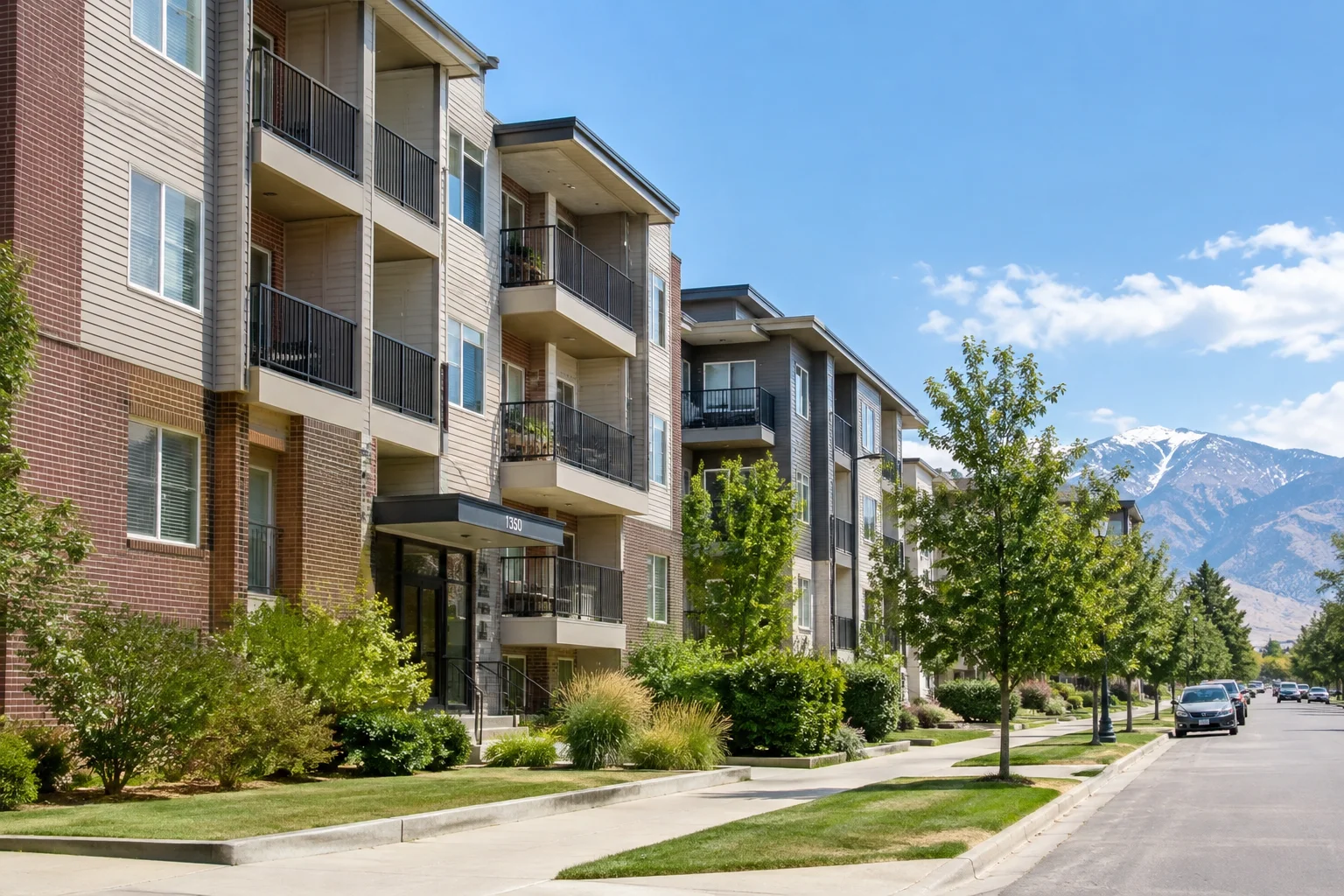
Have you seen a headline promising “5,706 rentals” in Salt Lake City? Here’s the honest answer. That number is simply a snapshot from one listing site, taken on one particular day. As a result, it will look different tomorrow.
Rental inventory counts change constantly. For example, listings expire, renew, or get pulled once a unit leases. So the number itself isn’t very useful. Instead, what matters is what those listings cost, where the deals are, and what you’re agreeing to when you sign.
Therefore, let’s skip the inventory-count theater. Let’s get into the numbers that actually affect your budget.
Quick Answer: What Does Rent Cost in Salt Lake City Right Now?
As of mid-to-late 2026, you can expect to pay roughly $1,400 to $1,600 per month for the average apartment in Salt Lake City. However, the exact number depends on which data source you check and which neighborhoods it covers. Overall, based on unit size, most renters see something close to this range:
| Unit Type | Typical Monthly Rent | Typical Size |
|---|---|---|
| Studio | $980 – $1,250 | 400–420 sq ft |
| 1 Bedroom | $1,210 – $1,580 | 650–665 sq ft |
| 2 Bedroom | $1,440 – $1,800 | 990–1,040 sq ft |
| 3 Bedroom | $2,140 – $2,610 | 1,260–1,320 sq ft |
These ranges come from several current market trackers, including RentCafe/Yardi Matrix, Zumper, Apartments.com, and Zillow Rental Manager. Notably, the spread between the low and high end of each range is the real story here. In other words, Salt Lake City rent isn’t one fixed number. Instead, it’s a moving target that depends heavily on neighborhood, building age, and who’s doing the counting.
Why the Numbers Don’t Match From Site to Site
This trips up a lot of renters, so it’s worth explaining plainly.
Rent-tracking sites pull from different pools of listings. For instance, some only track large buildings with 50 or more units. As a result, those tend to be newer, professionally managed, and priced higher. Other sites, on the other hand, include every listing posted on their own platform. Consequently, that pool skews toward whatever landlords happen to be advertising that month — often smaller buildings, basement apartments, or single-family home rentals. Naturally, those listings pull the average down.
In short, neither number is wrong. They’re just measuring different slices of the same market.
So here’s the practical takeaway: don’t fixate on a single average from one website. Instead, use it as a general ballpark, then verify against several actual listings in the neighborhood and unit size you want.
Salt Lake City Rent by Neighborhood
Overall, location drives price more than almost anything else here. In fact, the spread across the city is wide — often a $700–$900 difference on a one-bedroom, depending on which side of town you’re looking at.
More affordable areas, for example, tend to include Rose Park, Jordan Meadows, Poplar Grove, Westpointe, and Glendale. Here, one-bedroom rents often land in the $1,100–$1,350 range. These neighborhoods are largely residential and further from downtown. As a result, they’re popular with renters who don’t mind a longer commute in exchange for lower rent.
Mid-range areas, meanwhile, include most central and east-side neighborhoods outside downtown proper. Think People’s Freeway, Central City, and parts of the Avenues. In these areas, expect one-bedrooms somewhere in the $1,400–$1,700 range.
Higher-cost areas, by contrast, cluster around downtown, Sugar House, 9th and 9th, East Liberty Park, and Capitol Hill. These neighborhoods carry a walkability and amenity premium, largely because of their proximity to TRAX light rail stops, restaurants, and parks. Consequently, prices climb — one-bedroom rents can reach $1,800–$2,200 in some buildings, and newer luxury developments run higher still.
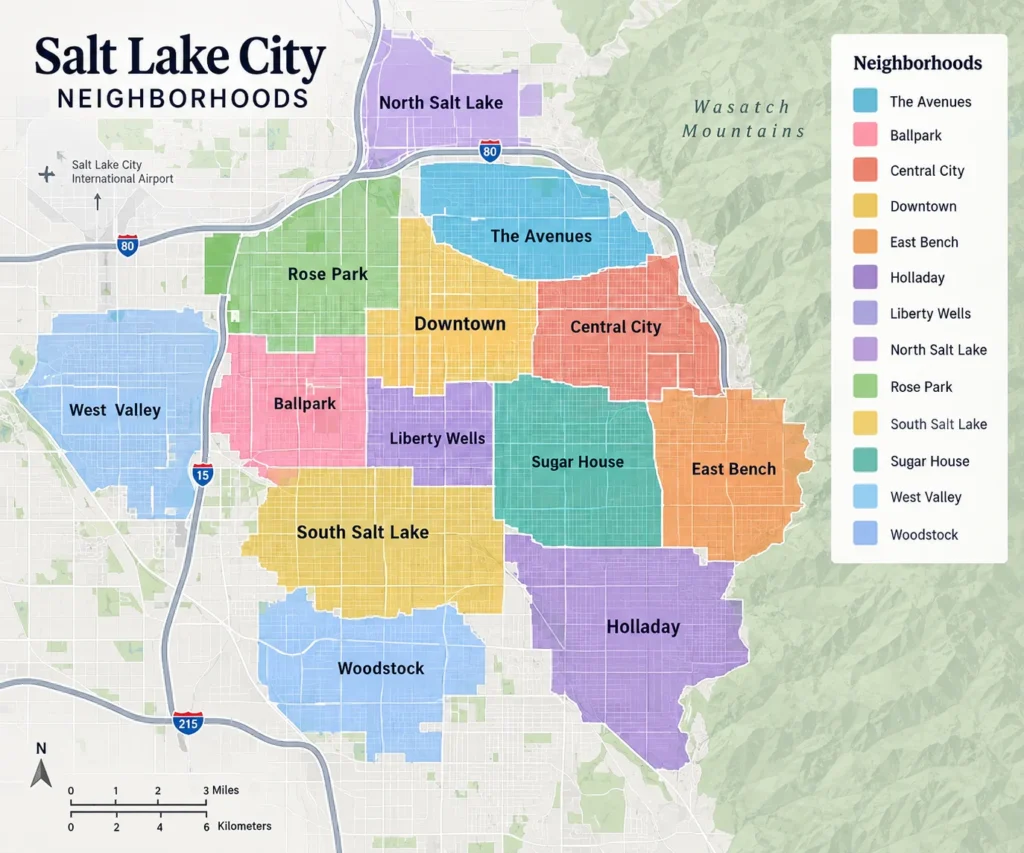
Here’s one thing worth knowing if you’re new to the city: Salt Lake City’s street grid actually makes location math easier than in most American cities. Specifically, addresses are numbered outward from Temple Square in all four directions. So “700 East” or “900 South” tells you exactly how many blocks you are from downtown. Therefore, if a listing gives you an address, you can estimate your commute before you ever schedule a tour.
What Drives the Range Within a Single Neighborhood
Even inside one zip code, rent for a comparable unit can still vary by a few hundred dollars a month. Here’s what usually explains it.
Building age and renovation status. For instance, a 1970s garden-style complex and a 2023 mid-rise a block apart can list nearly identical floor plans at very different prices. In-unit laundry, central air, and updated kitchens tend to move the needle most in Salt Lake. That’s partly because the city’s dry summers make air conditioning less optional than renters from milder climates might assume.
Parking. Also, many older SLC buildings, especially downtown and in the Avenues, don’t include off-street parking. So if you have a car, budget $50–$150/month for a dedicated spot or garage space. Additionally, street parking during winter can mean moving your car for snow removal on short notice.
On-site amenities like a fitness center follow a similar pattern to parking — buildings that include one typically charge more, but it can save you a separate gym membership. If you’re comparing amenity-heavy buildings in other markets, PlazmaHomes’ breakdown of Houston apartments with on-site gyms walks through how much that amenity typically adds to rent, which is a useful frame of reference even outside Texas.
Utilities included vs. separate. Some buildings, for example, bundle water, sewer, and trash into rent, while others don’t. Because Salt Lake has hot, dry summers and cold winters with real heating costs, it’s worth asking specifically whether gas heat is included or billed separately. Otherwise, two listings that look similar on price can turn out very different once utilities are added in.
Air quality season. This is a genuinely Salt Lake-specific factor that most rental guides skip. Specifically, the valley experiences winter inversions, usually December through February, where trapped cold air holds pollution close to the ground. In recent years, it’s also seen periods of wildfire smoke in late summer. So if you have respiratory sensitivities, ask about the HVAC system. After all, central air with real filtration gives you far more control over indoor air quality than a window unit does on bad-air days.
Common Mistakes Renters Make in This Market
Assuming “average rent” applies to their target neighborhood. In reality, the citywide average is close to useless if you’re hunting specifically in Sugar House or downtown, where prices run well above it. So always look up neighborhood-specific data, not just the citywide headline number.
Skipping the income requirement math. Generally, most Salt Lake City property managers require gross monthly income of roughly 2.5 to 3 times the rent. For example, on a $1,500/month apartment, that’s an annual income requirement somewhere around $45,000–$54,000 for a single applicant. Therefore, if you’re near that line, get a co-signer or extra documentation ready first, since Salt Lake’s market moves fast enough that hesitation can cost you the unit.
Not budgeting for move-in costs beyond the deposit. Typically, application fees in the $35–$75 range per applicant are standard. Furthermore, many buildings also charge a separate non-refundable administrative or amenity fee on top of the security deposit. So ask for the full move-in cost breakdown in writing before you apply anywhere.
Ignoring winter move logistics. If you’re moving between November and March, for instance, confirm parking availability for a moving truck first. Also, ask the building who’s responsible for clearing snow from walkways. It’s a small detail, but it matters more here than in warmer-climate cities.
Utah Renter Rights You Should Actually Know
Overall, Utah is generally considered a landlord-friendly state. Still, it’s worth understanding the baseline rules before you sign anything.
Security deposits have no statutory cap. While some states limit deposits to one or two months’ rent, Utah doesn’t set a maximum. Even so, one month’s rent remains the most common practice.
Deposits must be returned within 30 days. This falls under Utah Code §57-17-3, and it comes with an itemized list of any deductions. Importantly, normal wear and tear generally can’t be deducted from your deposit — only actual damage beyond that qualifies.
Habitability is protected under the Fit Premises Act (Utah Code §57-22). Under this law, your landlord must maintain things like working plumbing, heat, and structural safety. If they don’t fix a documented problem after written notice, Utah law allows a “repair and deduct” remedy in some cases, though it’s capped at two months’ rent.
Entry notice is typically 24 hours, except in emergencies. That said, this can vary slightly depending on lease terms.
Non-payment eviction requires a 3-day pay-or-quit notice before a landlord can file in court. In addition, Utah doesn’t allow landlords to change locks or remove belongings without going through the court process, known as an “unlawful detainer” action.
There’s no rent control anywhere in Utah, and there’s also no statewide cap on how much or how often rent can rise on a month-to-month lease, beyond the required notice period. So if predictable rent matters to you, a longer fixed-term lease locks in your rate more reliably than a month-to-month arrangement.
Additionally, Salt Lake City runs a voluntary landlord-tenant initiative. This program holds participating properties to housing standards somewhat above the state minimum, so it’s worth asking about if code enforcement history matters to you.
Renting a House vs. an Apartment in Salt Lake City
Overall, single-family home rentals in the SLC market run meaningfully higher than apartments. Typically, median rent sits close to $1,600–$1,900, with considerably higher ceilings for larger homes, especially in the east-side foothill neighborhoods.
Houses make sense, for example, if you need more space, a yard, or you’re splitting a larger monthly total with roommates. However, they typically come with tenant responsibility for yard maintenance, and sometimes snow removal, that an apartment complex would otherwise handle. So if a landlord doesn’t specify who shovels the walk after a snowstorm, get it in writing — it’s a common point of dispute in Utah winters.
A Simple Decision Framework
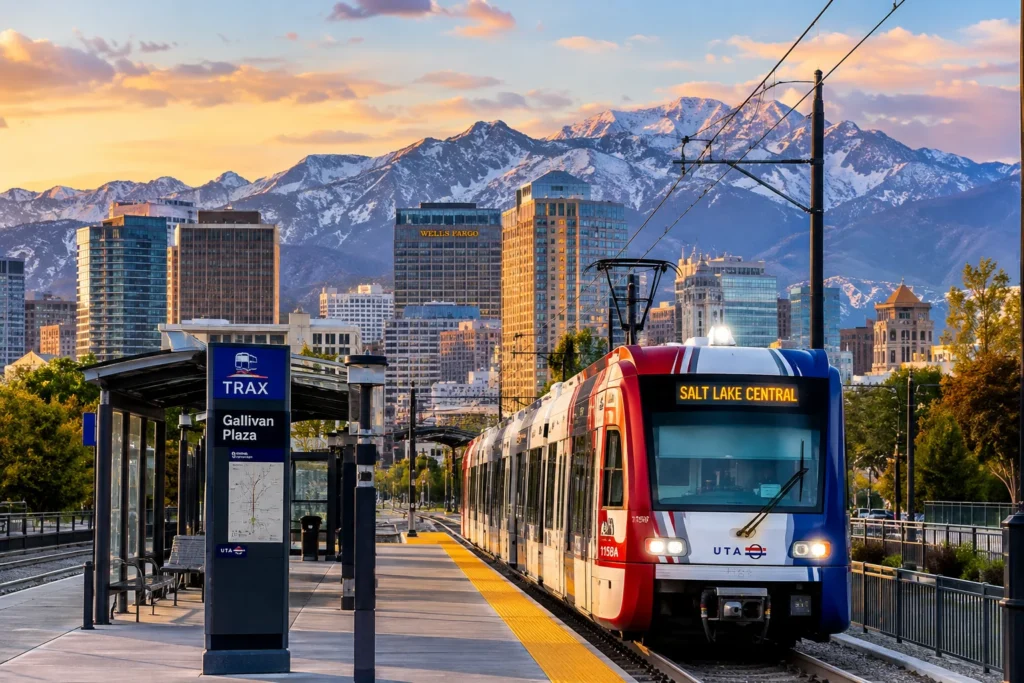
If your priority is walkability and nightlife, downtown or Sugar House will cost more. On the other hand, they also cut your reliance on a car and put you near TRAX stops.
If your priority is space for the money, instead look west and northwest. Specifically, Rose Park, Jordan Meadows, and Poplar Grove offer noticeably better square footage per dollar. The tradeoff, however, is a longer commute to downtown employers or the university.
If your priority is proximity to the University of Utah, expect a premium. Because student and grad-student demand stays strong, neighborhoods like Sugar House, East Liberty Park, and the areas directly east of campus keep one-bedroom prices high relative to their distance from downtown.
If you’re relocating for a tech or healthcare job near the Silicon Slopes corridor south of the city (Sandy, Draper, South Jordan), here’s a surprise: suburbs south of Salt Lake City proper generally run higher than the city average, not lower.
If you’re on a tight, fixed budget, filter listings by neighborhood first, not by bedroom count. That way, a studio downtown and a one-bedroom in Rose Park, which can cost about the same, won’t throw off your comparison.
Are you also weighing renting against buying in the current Salt Lake City market? If so, it’s worth running the numbers both ways before committing to a long lease. See PlazmaHomes’ guide to renting versus buying in Salt Lake City for a side-by-side breakdown.
Frequently Asked Questions
Why do different rental websites show such different average rents for Salt Lake City?
Because each site pulls from a different pool of listings. For example, some track only large, professionally managed buildings, while others include every unit posted on their own platform, including smaller or older properties. So treat any single average as a rough estimate, not an exact figure.
Is Salt Lake City rent cheaper than the national average?
Yes, generally. In fact, most current trackers put Salt Lake City rent somewhere between 11% and 24% below the national median. However, it’s climbed faster than the national rate in recent years, thanks to strong job growth in tech and healthcare.
How much income do I need to qualify for an apartment in Salt Lake City?
Typically, most property managers require gross monthly income equal to about 2.5–3 times the monthly rent. For a $1,500/month unit, for example, that’s roughly $45,000–$54,000 in annual income, though requirements still vary by property.
Is there rent control in Salt Lake City?
No. In fact, Utah has no rent control law anywhere in the state. So landlords can raise rent on month-to-month leases with proper notice, and there’s no statutory cap on the increase.
How much is a typical security deposit in Salt Lake City?
Because Utah law sets no maximum, amounts vary. Still, one month’s rent is the most common amount charged. So ask upfront whether the deposit is refundable and what conditions could reduce the refund.
Which Salt Lake City neighborhoods are most affordable for renters?
Generally, Rose Park, Jordan Meadows, Poplar Grove, and Westpointe rank among the lower-cost areas. Typically, they run a few hundred dollars below the citywide one-bedroom average.
Do apartments in Salt Lake City include utilities?
It varies by building. For instance, water, sewer, and trash are sometimes bundled into rent, while gas heat and electricity are frequently billed separately. So confirm this before comparing listings, since it can add $100–$200/month to your real cost.
Does winter affect apartment hunting in Salt Lake City?
Indirectly, yes. Because moving logistics get harder with snow, ask about parking for movers, snow-removal responsibility, and heating costs before signing a winter lease. Also, inventory tends to be lower in winter months compared to the busier summer leasing season.
Sources & References
- Utah Fit Premises Act, Utah Code Title 57, Chapter 22 — official Utah state law governing landlord habitability obligations and tenant remedies.
- RentCafe/Yardi Matrix Market Analysis, Salt Lake City rent data
- Zumper Rent Research, Salt Lake City, July–August 2026 data
- Zillow Rental Manager Market Trends, Salt Lake City
- Apartments.com Rent Market Trends, Salt Lake City
- U.S. Census Bureau, American Community Survey (housing tenure data)