

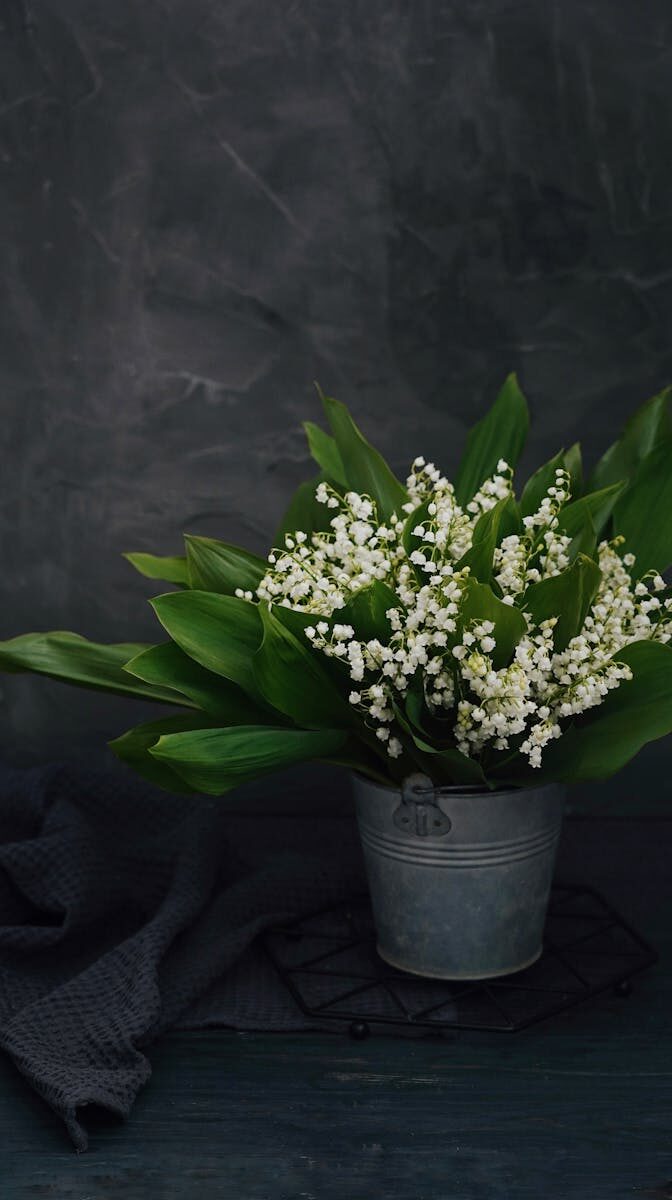
If you’ve ever walked past a shady garden bed in early spring and caught that impossibly sweet, delicate fragrance hanging in the cool air — chances are, lily of the valley was responsible. It’s one of those plants that feels almost magical. And if you’re an apartment dweller in Chicago, a townhouse gardener in Atlanta, or simply someone without much ground space in the Pacific Northwest, you’ve probably wondered: can lily of the valley actually grow in pots?
The short answer is yes — and it does beautifully, as long as you understand what this plant needs. I’ve grown lily of the valley in containers for several years now, starting with a small terracotta pot on my shaded back porch, and I’ve learned what works, what doesn’t, and exactly how to get those iconic white bell-shaped blooms to return year after year.
Let me walk you through everything you need to know.
What Is Lily of the Valley?
Lily of the valley (Convallaria majalis) is a low-growing perennial native to the cool temperate woodlands of Europe and parts of Asia and North America. In the US, it’s been a garden staple for generations — planted beneath tree canopies, along shaded walkways, and in cottage gardens from Maine to Minnesota.
It spreads via underground rhizomes called pips, produces paired arching leaves, and sends up delicate stems of nodding white (sometimes pink) bell-shaped flowers every spring, typically from late March through May depending on your USDA hardiness zone. It’s hardy in Zones 3–8, which covers the majority of the continental United States.
Despite its dainty appearance, lily of the valley is surprisingly tough. It’s deer-resistant, drought-tolerant once established, and practically indestructible once it gets comfortable — which is exactly why it can thrive in a container.
Can Lily of the Valley Really Grow in Pots?
Yes, absolutely. Container growing is actually one of the smarter ways to grow lily of the valley, for a few reasons:
- It naturally spreads aggressively. In open garden beds, lily of the valley can become invasive, taking over spaces you didn’t intend. A pot keeps it contained.
- You control the soil conditions. Containers let you dial in the exact moisture, drainage, and pH this plant prefers.
- You can move it around. Need to chase the shade? Done. Want to bring those blooms to your front porch when they flower? Easy.
- It works for small spaces. Balconies, patios, decks, fire escapes — container growing opens up lily of the valley to gardeners who don’t have traditional ground space.
That said, there are a few things you need to get right for it to truly thrive in a pot, and I’ll cover each one in detail.
Choosing the Right Container
This is where a lot of gardeners make their first mistake. Lily of the valley has spreading rhizomes, and in a pot that’s too small, it’ll quickly become root-bound and stop blooming.
What to look for:
- Size: Go wider rather than deeper. A container that’s at least 12 inches wide and 8–10 inches deep gives the roots and rhizomes the horizontal room they need to spread.
- Drainage holes: Non-negotiable. Lily of the valley hates sitting in waterlogged soil. If your pot doesn’t have drainage holes, don’t use it.
- Material: Terracotta and ceramic work well because they breathe, helping regulate soil moisture. Plastic pots retain moisture longer, which can be either helpful or harmful depending on your climate. In hot, dry regions like Texas or Arizona, plastic may help retain moisture. In humid climates like the Southeast, stick with terracotta.
For overwintering outdoors (more on that below), avoid very large glazed ceramic pots that can crack in freeze-thaw cycles if you’re in Zone 5 or colder.
The Best Soil Mix for Container Lily of the Valley
Native woodland plants like lily of the valley thrive in rich, humus-heavy, well-draining soil with a slightly acidic to neutral pH (around 6.0–7.0).
A mix that works well:
- 2 parts high-quality potting mix (look for ones with compost already blended in)
- 1 part perlite or coarse horticultural grit (for drainage)
- 1 part leaf mold or aged compost (to mimic woodland floor conditions)
Avoid heavy clay-based garden soils in containers — they compact quickly and prevent the drainage lily of the valley needs. Also skip potting mixes that are overly peat-heavy, as peat can become hydrophobic when it dries out completely.
If you can find a potting mix specifically formulated for woodland plants or shade perennials, that’s a solid starting point.
Sunlight Requirements: Shade Is Your Friend
Here’s one of the biggest advantages of growing lily of the valley in pots — you can move the container to exactly the right light conditions.
Ideal light:
- Partial to full shade is best. Aim for 2–4 hours of dappled or indirect light per day.
- Morning sun with afternoon shade is the sweet spot in most US climates.
- Direct afternoon sun, especially in USDA Zones 6–8 in the South, will scorch the leaves and stress the plant.
If you’re gardening on a shaded balcony in Seattle, a north-facing porch in Boston, or beneath a patio cover in Nashville — you’ve essentially got ideal lily of the valley territory.
US-Specific Tip: In Southern states (Zones 7–8), lily of the valley will appreciate the deepest shade you can give it, and may go dormant earlier in summer. In the Pacific Northwest, where cool temperatures persist well into spring, you may see blooms last longer than in warmer regions.
Watering Your Potted Lily of the Valley
Moisture management is the most common cause of failure when growing lily of the valley in containers.
The golden rule: Keep the soil consistently moist but never soggy.
- During active growth (spring), water when the top inch of soil feels dry to the touch.
- After blooming, when the plant is in its leafy phase through summer, reduce watering slightly but don’t let it dry out completely.
- In fall and winter dormancy, water sparingly — just enough to keep the rhizomes from drying out entirely.
In dry, hot US climates (think Denver, Phoenix, or Dallas), you may need to water every 2–3 days during summer. In cooler, wetter climates like the Pacific Northwest or New England, once or twice a week during the growing season may be plenty.
A drip tray is useful, but empty it after 30 minutes so the roots don’t sit in standing water.
Fertilizing: Less Is More
Lily of the valley is not a heavy feeder. In fact, over-fertilizing is a bigger risk than under-fertilizing.
A simple fertilizing schedule:
- Apply a slow-release, balanced fertilizer (10-10-10 or similar) once in early spring as new shoots emerge.
- Optionally, give one application of a low-nitrogen liquid fertilizer after blooming to support leaf health.
- Avoid high-nitrogen fertilizers — they push leafy growth at the expense of flowers.
If you’ve mixed aged compost into your potting soil as recommended above, you may not need to fertilize at all in the first season.
Planting Pips: How to Get Started
Lily of the valley is almost always planted from pips — the small, pointed rhizome segments with a single growth tip. You can order them from reputable garden suppliers, find them at local nurseries in early spring, or divide them from an existing plant.
How to plant:
- Fill your container with the prepared soil mix, leaving about 2 inches from the top.
- Place the pips horizontally, with the tip (pointed end) facing up, about 1–2 inches below the soil surface.
- Space pips 3–4 inches apart to give them room without crowding.
- Water gently and place in a shaded spot.
- Expect shoots within 2–4 weeks in spring conditions.
For forcing blooms indoors (a popular technique in the US around the holidays or Valentine’s Day), pot the pips in the fall, chill them in a refrigerator or cold garage for 4–6 weeks, then bring them into a cool indoor space to coax early blooms.
Overwintering Your Potted Lily of the Valley in the US
This is a critically important step that many new growers overlook. Lily of the valley is a hardy perennial, but the roots in a container are more exposed to temperature extremes than roots in the ground.
If you’re in Zones 5–8: Move your pot to a sheltered location — an unheated garage, a shed, or against a protected wall — once temperatures start dropping below 20°F (-6°C). You don’t want the roots to freeze solid repeatedly.
If you’re in Zones 3–4 (Minnesota, Wisconsin, upstate New York, Montana): Consider burying the pot in the ground for winter, or heavily mulching it with straw or burlap. Alternatively, bring it into an unheated basement where temperatures stay between 25–40°F.
If you’re in Zones 9–10 (Southern California, South Florida, Gulf Coast): Lily of the valley may struggle without enough winter chill hours. You can try chilling the pips artificially in a refrigerator each fall before replanting, but success is less reliable in truly warm climates.
Cut back the yellowed foliage in late fall before overwintering. Don’t compost it if it shows any disease — bin it instead.
Common Problems and How to Fix Them
No blooms? The most common culprit is too much sun, insufficient chill time over winter, or a root-bound pot. Divide the pips and replant in a wider container, or make sure your pot experienced a proper cold dormancy period.
Yellow leaves? Usually overwatering or poor drainage. Check that your drainage holes aren’t blocked and that you’re not leaving water sitting in the tray.
Leggy, floppy growth? Too much shade, or the pot has been in the same spot too long. Try moving it to a location with slightly more indirect light.
Leaf spots or rust? Occasionally, fungal issues can appear in humid conditions. Improve air circulation around the pot and avoid wetting the foliage when watering. A copper-based fungicide can address persistent cases.
Pests? Lily of the valley is relatively pest-resistant. Slugs are the most common visitor, especially in shaded, moist conditions. Set a beer trap nearby or use iron phosphate slug pellets (which are safe around pets and wildlife).
How Long Will Lily of the Valley Live in a Pot?
With proper care, a potted lily of the valley can live for many years — some gardeners report the same container planting blooming reliably for a decade or more. The key is dividing the pips every 3–4 years when the container becomes overcrowded, which refreshes the planting and maintains vigorous blooming.
A Quick Note on Toxicity
Lily of the valley is toxic to humans, dogs, and cats if ingested. All parts of the plant contain cardiac glycosides. This doesn’t mean you shouldn’t grow it — it just means you should place containers out of reach of curious children and pets, and wash your hands after handling the pips or foliage.
The ASPCA lists lily of the valley as toxic to dogs and cats. You can check the ASPCA’s toxic plant database for a full reference before bringing any plant into a home with animals.
Growing Lily of the Valley Indoors in Pots
Yes, you can force lily of the valley to bloom indoors — florists have done it for generations. Here’s how:
- Purchase pre-chilled pips in late fall (many US online garden suppliers sell them specifically for forcing).
- Pot them in a shallow container with moist, well-draining mix.
- Place in a bright, cool room (55–65°F) — a north-facing windowsill is ideal.
- Keep the soil moist and expect blooms in 3–5 weeks.
The blooms and fragrance indoors are genuinely stunning. Once they finish, you can move the pips to an outdoor pot to continue their normal growth cycle — they’ll need the outdoor dormancy period to bloom again next year.
Final Thoughts: Is Container Growing Worth It?
Absolutely. Growing lily of the valley in pots gives you control, flexibility, and the chance to enjoy one of spring’s most beloved plants even in limited spaces. Whether you’re on a Brooklyn balcony, a Seattle patio, or a suburban deck in the Midwest, this plant rewards patient, thoughtful care with one of the most joyful floral displays of the entire growing season.
Start with a wide container, give it shade, keep the soil consistently moist, and let it go through a proper winter dormancy. Do those things, and you’ll be rewarded with those tiny, perfect white bells — and that unforgettable fragrance — every single spring.
If you’re new to container gardening and want to explore other shade-loving perennials that pair beautifully with lily of the valley, check out our guide to the best plants for shaded patios and balconies for more ideas.