

There’s a moment every walking iris owner talks about.
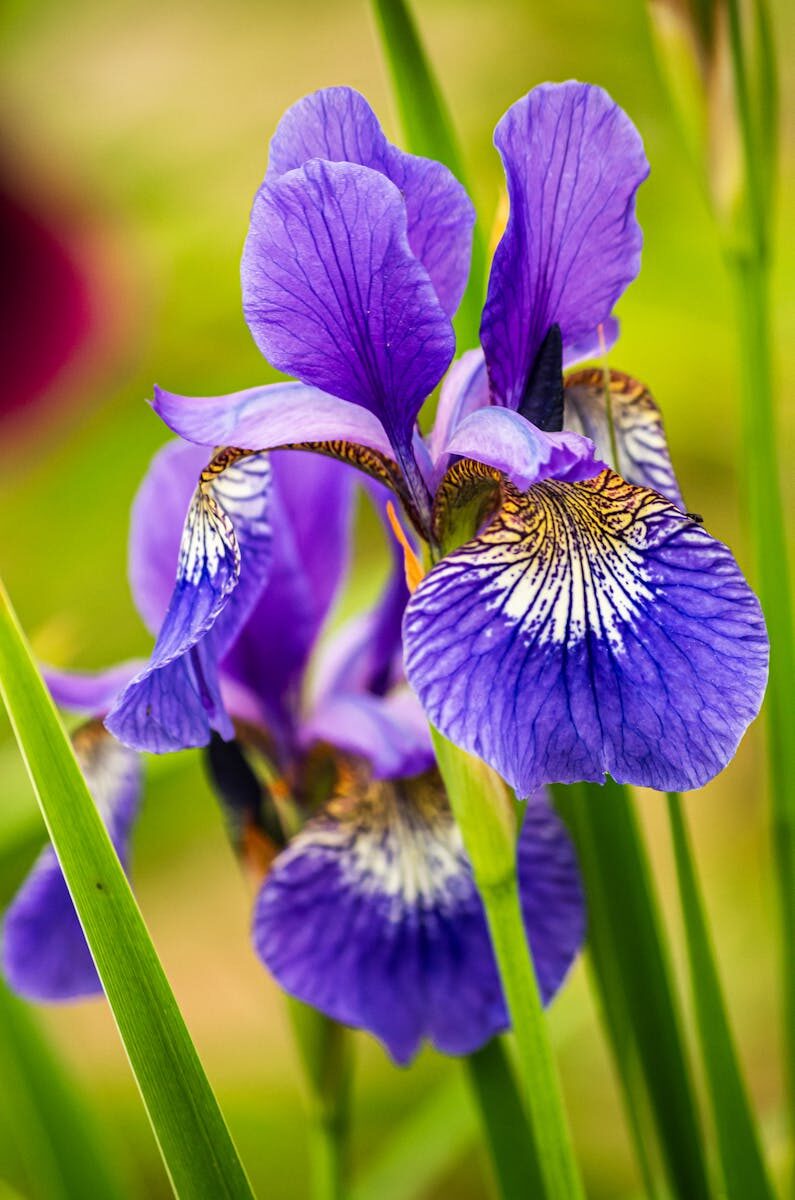
After months — sometimes years — of watching nothing but glossy, sword-shaped leaves fill out in a graceful fan, the plant sends up a flower stalk. Then one morning, almost without warning, there it is: a stunning blue-violet bloom, intricately banded at the center with yellow, white, and cinnamon, hovering above the foliage like a tiny tropical iris from another world.
It lasts one day.
And then, a few days later, it does it again. And again. For weeks.
That’s the Regina Iris — and once you understand how it grows, it’s one of the most rewarding plants you can add to your garden or home.
This complete care guide covers everything you need to know: what ‘Regina’ actually is, how to grow it indoors and out, how to make it bloom, how to propagate it, and how to troubleshoot the most common problems U.S. growers encounter.
What Is Regina Iris?
Botanical name: Neomarica caerulea ‘Regina’ Common names: Walking iris, fan iris, apostle plant, poor man’s orchid Family: Iridaceae Origin: Brazil (native to coastal shady, sandy soil near the ocean) USDA hardiness zones: 7–11 (evergreen in zones 9–11; dies back in zones 7–8)
Regina Iris is a cultivar of Neomarica caerulea — a rhizomatous perennial native to Brazil and closely related to the true irises of North America. It was introduced by grower Sid Gardino and named after his wife, Regina.
It is not a true iris, but the flowers are strikingly iris-like: three large outer petals held horizontally in rich violet-blue, with three smaller inner petals intricately marked with yellow, white, and cinnamon banding at the center. The blooms are fragrant and breathtaking — and they last only a single day.
Walking iris gets its common name from its unique propagation process: as new sprouts form at the top of the flower stalk, the plant bends toward the ground and takes root. It repeats this process for each new bloom, appearing to “walk” throughout gardens and outdoor landscapes.
The ‘Regina’ cultivar is particularly prized because it tends to have sturdier, more upright stems than some other Neomarica species, and its violet-blue flowers are larger and more vibrant. It makes a dependable mixed border plant or groundcover, is nice for larger patio containers, and can be grown indoors if given a bright location.
Regina Iris at a Glance
| Feature | Detail |
|---|---|
| Mature size | 2–3 ft. tall, 3–5 ft. wide |
| Bloom time | Late spring through summer (spring through fall in mild climates) |
| Flower color | Violet-blue with yellow, white, and cinnamon center |
| Flower lifespan | One day per bloom |
| Light | Bright indirect light or partial shade |
| Water | Consistently moist, well-drained soil |
| USDA zones | 7–11 |
| Hardiness | Cold hardy to approximately 30°F |
| Salt tolerance | Yes — excellent for coastal gardens |
Light Requirements
Getting the light right is one of the most important decisions you’ll make for your Regina Iris — and it’s slightly counterintuitive.
Neomarica iris loves to grow under bright, indirect sunlight or partial shade, not full sun.
In practice, this means:
- Outdoors: A spot with morning sun and afternoon shade is ideal. The best specimens seem to be in moist, well-drained soil in locations with morning sun and some shade in the afternoon. In hot summer climates across the South and Southwest, afternoon shade is not optional — direct afternoon sun will scorch the leaves and bleach the flowers.
- Indoors: Place your plant near a bright east- or north-facing window. A few hours of gentle morning sun is perfect. Avoid south or west windows where direct midday or afternoon sun hits the foliage.
- Too little light: The plant will grow lush, dark-green leaves but refuse to bloom. This is the most common reason Regina Iris doesn’t flower for indoor growers. If your plant has never bloomed, it almost certainly needs more light.
- Too much direct sun: Leaves turn pale, yellowish, or develop brown crispy tips. Move it to a shadier spot immediately.
Quick rule: Think of Regina Iris as a woodland-edge plant. It wants the light that filters through a tree canopy — bright but diffused, never harsh.
Watering
Water the plants regularly to keep the soil uniformly moist. That’s the golden rule for Regina Iris — and the emphasis is on uniformly.
This plant does not like to dry out completely between waterings. Inconsistent moisture — alternating between bone dry and waterlogged — stresses the plant and can prevent blooming.
Here’s how to water it correctly:
During the growing season (spring through fall): Water thoroughly when the top inch of soil feels dry. In warm weather, that may mean watering every 2–3 days for potted plants, or weekly for garden-planted specimens in humid climates.
In winter: Reduce watering significantly. Allow the plant to go dormant in winter and limit its watering to once monthly. Overwatering in the cool, low-light months of winter is a primary cause of root rot in this plant.
For potted plants: Always use a pot with drainage holes. Never let Regina Iris sit in standing water — soggy roots are the fastest way to kill it. If you’re using a saucer under the pot, empty it after every watering.
Signs of overwatering: Yellowing lower leaves, soft or mushy stems at the base, or a sour smell from the soil.
Signs of underwatering: Leaf tips turn brown and crispy, foliage wilts and loses its upright posture.
Soil
Regina Iris is adaptable to a range of soil types, but it has clear preferences.
It prefers loamy, sandy, or clay soils with acidic pH levels. The critical requirement is good drainage. This is a plant that likes consistent moisture but cannot tolerate waterlogged roots.
For garden planting: Work in generous amounts of organic compost before planting to improve both drainage and moisture retention. A slightly acidic to neutral pH (6.0–7.0) is ideal. This species was discovered in Brazil near the ocean in shady sandy soil, so it is salt tolerant — making it an excellent choice for coastal gardens in Florida, the Gulf Coast, and the Pacific Coast states.
For container growing: Use a well-draining potting mix. A good all-purpose tropical potting mix works well. You can improve drainage further by adding perlite (about 20–25% of the total mix). Avoid heavy, water-retentive mixes that stay wet for days after watering.
One important note: Regina Iris actually blooms best when slightly pot-bound. Don’t rush to repot into a much larger container. It thrives in a small container and blooms best when pot-bound. Just be sure to use one with drainage holes to prevent soggy soil.
Temperature and Humidity
Average humidity — approximately 40–50% relative humidity and average room temperatures of 60°–75° degrees Fahrenheit (15°–24° C) — are preferred.
Temperature: Regina Iris is a tropical plant. It handles heat well but is sensitive to cold. Cold hardy only to about 30°F. In USDA zones 7 and 8, the top growth may die back in hard freezes but the rhizomes can survive if the ground doesn’t freeze deeply. A layer of mulch over the root zone provides meaningful protection in borderline-cold zones.
In zones 9–11 (Florida, coastal California, the Gulf Coast, Hawaii), Regina Iris is fully evergreen and performs like a perennial ground cover.
For indoor growers: Keep it away from cold drafts, air conditioning vents, and heating vents. Sudden temperature changes stress the plant and can delay or prevent blooming.
Humidity: Standard indoor humidity is generally adequate. In very dry climates or heated homes in winter, occasional misting or placing the pot on a pebble tray filled with water (with the pot bottom above the waterline) helps maintain adequate moisture around the foliage.
Fertilizing
Regina Iris is not a heavy feeder, but consistent feeding during the growing season makes a meaningful difference in both vigor and bloom production.
Here’s a simple fertilizing schedule that works:
Early spring: Apply a granular slow-release balanced fertilizer (such as 10-10-10 or a bloom-booster formula like 5-10-5) around the base of the plant. Established plants should be fed in early spring, then again halfway through the growing season. Avoid applying fertilizer late in the growing season, as this stimulates new growth that can be easily damaged by early frosts.
During the growing season: Feed with a water-soluble, balanced fertilizer every two weeks throughout spring and summer. Liquid fertilizers should not be applied more frequently than every two weeks, and the manufacturer’s recommended dose should be halved. Orchid fertilizers are particularly well-suited to this plant — their nutritional balance supports both healthy foliage and bloom development.
What to avoid: Do not fertilize in late fall or winter when the plant is resting. Feeding a dormant or slow-growing plant leads to salt buildup in the soil and can burn the roots.
Tip: If your Regina Iris has never bloomed, try switching to a fertilizer with a higher middle number (phosphorus) — such as 5-10-5 or 10-20-10. Phosphorus promotes root development and flower production.
Planting in the Garden
If you’re in zones 7–11 and want to grow Regina Iris in the ground, here’s how to get it right.
When to plant: Spring, after the last frost date for your zone, is the ideal planting time. In zones 9–11, you can plant year-round.
Spacing: The rhizomes should be buried 2 inches deep in the soil and 2–3 feet apart. Regina Iris spreads readily once established, so give it room to walk.
Location: Choose a spot with morning sun and afternoon shade — the north or east side of a building, under a light tree canopy, or along a shaded garden path. Fast-growing, walking iris can spread quickly to form dense colonies. This makes it excellent as a ground cover under trees or in a partially shaded border, but plant it where you don’t mind it expanding.
Soil preparation: Break up the soil to a depth of 12–16 inches. Work in plenty of compost or aged organic matter. Good drainage is non-negotiable. If your site holds water after heavy rain, amend with coarse sand or perlite, or build a raised bed.
Mulching: A 2–3 inch layer of organic mulch around the base conserves moisture, moderates soil temperature, and feeds the soil as it breaks down over time. Keep mulch a few inches away from the base of the plant to prevent stem rot.
Growing Regina Iris in Containers
One of the best things about Regina Iris is how well it adapts to container life. This makes it accessible to gardeners anywhere in the U.S. — not just those in warm zones.
Container size: Start in a pot that’s snug rather than oversized. A 10–12 inch diameter pot is a good starting point for a single division. As mentioned, this plant blooms best when slightly pot-bound — don’t upsize too aggressively.
Indoors: Place near your brightest window. An east-facing window that gets a few hours of direct morning sun is ideal. Supplement with a grow light in winter if your home is dark.
Outdoors in summer: Container-grown Regina Iris thrives on a partially shaded patio or deck from late spring through early fall. The combination of outdoor humidity, warm temperatures, and indirect light often triggers blooming in plants that have been stubborn indoors.
Overwintering northern plants: Northern gardeners can grow this plant in containers. Before the first frost, bring your container indoors to a bright location. Reduce watering and stop fertilizing. The plant will slow down significantly but should hold its foliage through winter. Resume watering and feeding as days lengthen in late winter or early spring.
Repotting: Repot in spring only when the plant has become very crowded — typically every two to three years. Move up just one pot size. Refresh the potting mix entirely at repotting time.
How to Get Regina Iris to Bloom
This is the question most growers eventually ask — and usually after a long, flowerless wait.
The honest answer is: patience is required. Walking iris ‘Regina’ can take several years after planting before producing its first blooms. That is not a sign that something is wrong. It is simply the nature of this plant. Once it blooms for the first time, it typically becomes a reliable repeat bloomer.
That said, there are specific things you can do to encourage blooming:
Ensure enough light. Too little light is the single most common reason Regina Iris doesn’t bloom. If your plant is in a dark corner or a north-facing room with no direct sun, move it. This matters more than any other factor.
Let it get slightly root-bound. A plant in a too-large container puts energy into filling the pot with roots rather than flowering. If your pot is significantly larger than the root mass, consider moving to a smaller container.
Feed with a phosphorus-forward fertilizer. As noted above, phosphorus supports flower production. A bloom-booster fertilizer in spring can help tip a reluctant plant into flower.
Don’t overwater in winter. Allowing the plant to rest in winter — with reduced watering and no feeding — often triggers a more vigorous flowering response when growing conditions improve in spring.
Be patient. Some plants simply take time to reach flowering maturity. Three to four years from planting is not unusual for first bloom, particularly for plants grown from small divisions or rhizomes.
Propagation
Regina Iris offers three propagation methods — and the most charming one happens almost automatically.
Method 1: Plantlets (The “Walking” Method)
New sprouts form at the top of the flower stalk. The plant bends toward the ground, and the new plantlet takes root. It repeats this process for each new bloom, appearing to “walk” throughout gardens and outdoor landscapes.
To propagate using plantlets:
- Wait until the plantlet at the end of the flower stalk has developed small visible roots — usually when it’s a few inches long.
- Pin the end of the stalk down to the soil of a nearby pot or garden bed using a small stake or U-pin.
- Keep the soil moist. Roots will establish within a few weeks.
- Once the plantlet is growing vigorously, sever the connecting stalk.
For indoor plants, simply position a small pot of moist soil next to the parent plant and pin the stalk down into it.
Method 2: Division
Dividing the rhizome clump is the fastest way to create multiple plants from an established specimen.
- In spring, lift the plant from its pot or garden bed.
- Gently separate the rhizome clump into sections, each with at least 2–3 healthy leaves and an intact section of rhizome.
- Replant divisions at the same depth they were growing before (about 2 inches deep).
- Water consistently until new growth is established.
Method 3: Seed
This species propagates by seed, but also by rhizomes and plantlets. Propagation from fresh seed is easy and fairly fast. Plants mature to flowering size from seed in less than a year.
Collect seeds from spent flower heads, sow in moist, well-draining seed-starting mix, and keep warm (70–75°F) in bright indirect light. Germination typically occurs within 2–4 weeks with fresh seed.
One important note: Deadhead flowering stems to remove both developing seeds and developing plantlets to prevent undesired spread. In warm climates where Regina Iris grows vigorously, it can spread aggressively if left unmanaged.
Pruning and Maintenance
Regina Iris is genuinely low-maintenance. Here’s all the pruning it actually needs:
Remove spent flowers: Faded flowers can be removed from the plant at any point in the season to prevent them from producing seed. Since each bloom lasts only one day, the spent flower will naturally shrivel and drop — but trimming the stalk back after each bloom cycle keeps the plant looking tidy.
Remove dead leaves: Remove declining leaves as needed and before new growth begins during late winter. In zones where the plant stays evergreen, a light tidy-up in early spring keeps the clump looking its best.
Cut back after frost damage: In zones 7–8 where top growth is killed by hard freezes, cut the foliage back to the ground in late winter. New growth will emerge from the rhizomes as temperatures warm.
What not to do: Don’t cut the plant back hard in fall in zones 9–11 where it stays evergreen. Let it grow through winter and clean it up lightly in late winter or early spring.
Common Pests and Problems
Regina Iris is notably resistant to serious pest and disease problems — especially when grown outdoors. No serious insect or disease problems are typical for garden-grown plants.
Indoor plants are more vulnerable. When being grown indoors they are likely to be affected by several common pests, including aphids, mealybugs, and spider mites.
Here’s how to handle each:
Aphids: Small, soft-bodied insects clustered on new growth and undersides of leaves. Knock them off with a strong stream of water, or treat with insecticidal soap spray. Repeat every 3–4 days for two weeks.
Mealybugs: White, cottony masses typically found in leaf joints. Remove with a cotton swab dipped in rubbing alcohol. For larger infestations, treat with neem oil spray.
Spider mites: Very fine webbing on leaves and a dusty, stippled appearance to foliage. Spider mites thrive in hot, dry conditions. Increase humidity around the plant and treat with neem oil or insecticidal soap.
Root rot: The most serious problem, caused by overwatering or poorly draining soil. Symptoms include yellowing, wilting foliage and mushy stems at the base. If caught early, remove the plant from its pot, trim away any blackened or soft roots, allow the root ball to dry briefly, then repot in fresh, well-draining mix.
No blooms: Usually caused by insufficient light, oversized container, or insufficient age. See the blooming section above.
Brown leaf tips: Caused by low humidity, fluoride in tap water, or inconsistent watering. Try using filtered or rainwater, and maintain more consistent moisture.
Regina Iris for Different U.S. Regions
Florida and Gulf Coast (zones 9–11): This is where Regina Iris truly thrives. Grow it as an evergreen perennial ground cover in partial shade under palms or in woodland-style borders. This beauty thrives in shady spots and sandy soil, making it perfect for gardens near the coast, thanks to its salt tolerance.
Southeast (zones 7–9): Excellent garden performer. Provide afternoon shade during the hottest months. In zone 7, mulch heavily around the root zone before winter. Expect some die-back in hard freezes, but reliable re-emergence in spring.
Southwest and California (zones 8–11): Does well in coastal gardens. Needs regular irrigation in dry summers. Afternoon shade is essential in desert climates — full sun in Phoenix or Las Vegas will destroy it.
Northern states (zones 3–6): Grow as a container plant. Move outdoors to a shaded patio in summer, bring indoors before the first frost. With good light and consistent care, it will bloom reliably as a houseplant.
Mid-Atlantic and Midwest (zones 6–7): Marginally cold-hardy outdoors. Safest approach is container growing with winter protection indoors. Some zone 7 gardeners have success with heavy mulching and a sheltered south-facing wall position.
Frequently Asked Questions
Why is my walking iris not blooming? The most common causes are insufficient light, being in too large a container, or the plant simply hasn’t reached blooming maturity yet. Move it to a brighter spot, check the pot size, and be patient. First bloom can take 2–4 years from planting.
How long do Regina Iris flowers last? Each individual bloom lasts only one day. However, each flower stalk produces multiple blooms in succession over several weeks, and a mature clump will send up multiple stalks throughout the growing season — giving weeks of color from a single plant.
Can I grow Regina Iris as a houseplant? Yes, absolutely. Growing it indoors is easy and soon you’ll have lots of plantlet “babies” to share with friends. It needs a bright location — an east-facing window is ideal — and consistent watering throughout the growing season.
Is walking iris invasive? In warm climates where it spreads freely, it can become quite aggressive. Currently, Neomarica caerulea is listed as invasive in Cuba. In most U.S. garden settings, regular deadheading and removing plantlets before they root keeps spread manageable.
Why does my walking iris have brown tips? Brown tips are typically caused by low humidity, fluoride sensitivity (common with tap water), inconsistent watering, or too much direct sun. Try filtered or rainwater, increase ambient humidity, and check that the plant isn’t in a hot, sunny spot.
How fast does Regina Iris grow? It’s a moderate to fast grower in ideal conditions. In warm zones with consistent moisture and bright indirect light, it will establish a significant clump within two to three growing seasons and spread readily via its walking habit.
Final Thoughts
Regina Iris is one of those plants that rewards patience in a way few others do.
It asks for relatively little: bright indirect light, consistent moisture, decent drainage, and a pot that fits. In return, it gives you extraordinary one-day blooms that roll out in succession for weeks, glossy architectural foliage that looks elegant year-round, and the unique delight of watching it propagate itself across your garden with an almost purposeful determination.
For U.S. gardeners in warm zones, it makes an exceptional ground cover and border plant. For everyone else, it makes an unusually rewarding houseplant — one that will eventually produce those showstopping violet-blue flowers that made you want it in the first place.
Just don’t be in a hurry. The wait is worth it.
Want to explore more low-maintenance tropical plants that thrive in similar conditions? Check out our complete guide to shade-loving tropical perennials for U.S. gardens — with care profiles, USDA zone recommendations, and tips for growing tropicals both indoors and out.
For authoritative botanical information on Neomarica species and their growing requirements, the University of Florida IFAS Extension’s walking iris profile is one of the most reliable U.S.-specific references available, with regionally relevant guidance particularly useful for southeastern and Gulf Coast gardeners.