

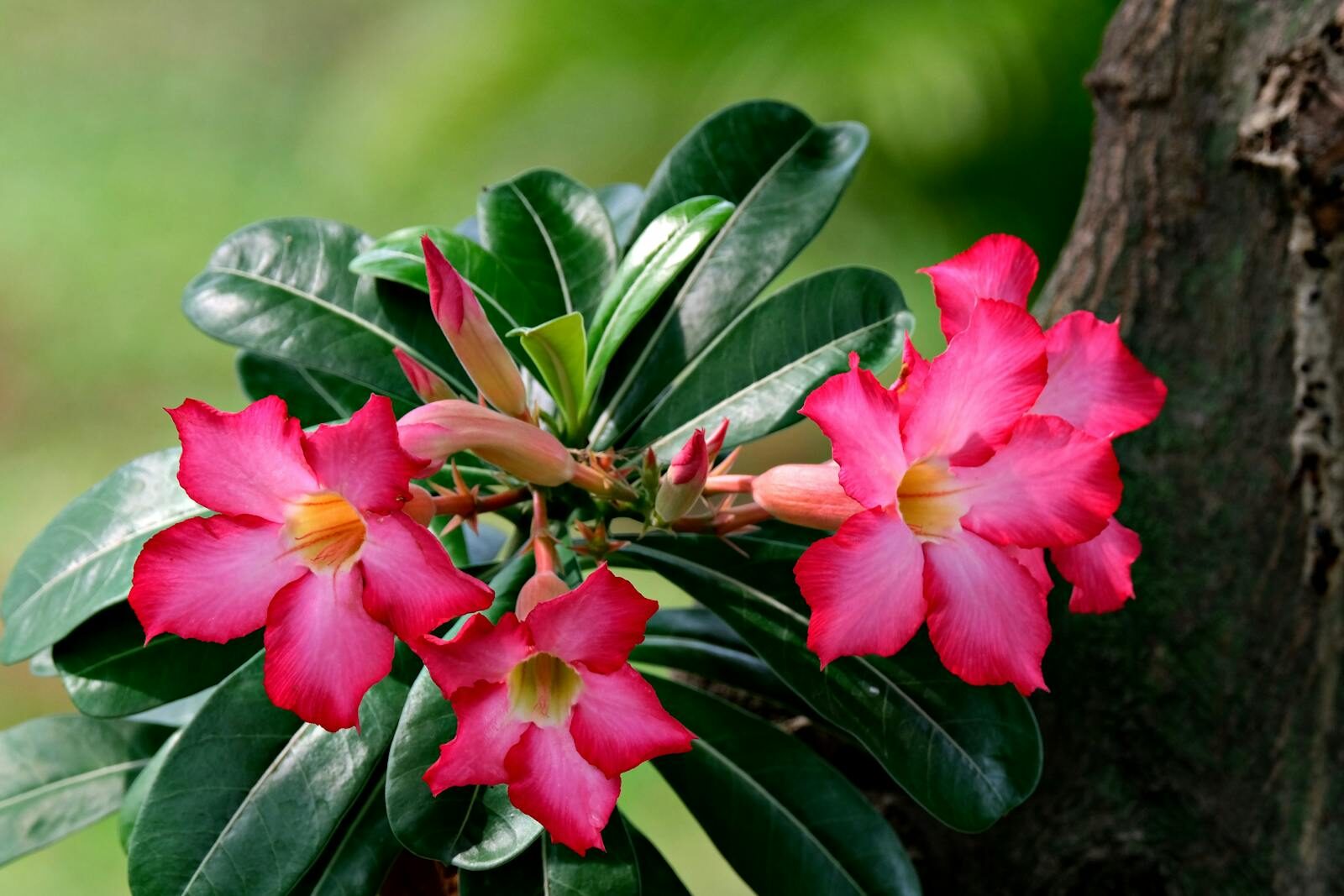
If you’ve ever fallen in love with a dipladenia’s glossy leaves and non-stop trumpet-shaped blooms only to watch it die off in October, you’re not alone. The question “Is dipladenia a perennial?” is one of the most Googled plant queries among American gardeners — and the honest answer is: it depends entirely on where you live.
This guide cuts through the confusion. By the time you finish reading, you’ll know exactly how to treat your dipladenia based on your USDA Hardiness Zone, how to overwinter it successfully indoors, and how to keep it flowering year after year like the showstopper it was born to be.
What Is Dipladenia, Really?
Before we answer the perennial question, it helps to understand what you’re actually growing. Dipladenia is a tropical flowering plant native to Brazil, Argentina, and Paraguay — regions that never experience frost. It belongs to the Apocynaceae family and is botanically classified under the genus Mandevilla (most species were reclassified from the original Dipladenia genus in the early 2000s).
What’s sold in American garden centers today as “dipladenia” is almost always Mandevilla sanderi or one of its compact hybrids — bushy, mounding plants with deep-green oval leaves and clusters of pink, red, white, or coral blooms. These are different from the taller, vining mandevilla you might train on a trellis, though they’re close cousins. Dipladenia tends to grow downward or in a rounded form, making it ideal for hanging baskets, patio pots, and window boxes.
The reason you’ll see it labeled “annual,” “perennial,” and sometimes nothing at all at your local nursery is that the answer genuinely changes depending on your climate zone. Nurseries selling into mixed-zone markets often default to vague labels — which helps no one.
So, Is Dipladenia a Perennial or an Annual?
Technically, dipladenia is a tender perennial. Botanically, it is designed to live for multiple years, and in the right climate, it absolutely will — producing bigger, fuller flower displays with each passing season. However, it lacks any cold-hardiness mechanism, which means a single hard frost will kill it if left outdoors unprotected.
Here’s how that plays out across the United States:
In USDA Zones 10–11 (southern Florida, Hawaii, parts of coastal Southern California, the lower Rio Grande Valley in Texas): Dipladenia behaves as a true, carefree perennial. It keeps its leaves year-round, blooms on and off throughout the year, and comes back bigger each spring with minimal intervention.
In USDA Zone 9b (parts of coastal California, central Texas, the Gulf Coast): Dipladenia is marginally perennial. Established, well-rooted plants in sheltered spots may survive mild winters — but only if temperatures don’t dip below 28°F for more than a few hours. Mulching heavily around the base and protecting from wind can tip the odds in your favor.
In USDA Zones 3–9a (the vast majority of the continental U.S., including the entire Northeast, Midwest, Pacific Northwest, and Mountain West): Dipladenia functions as a summer annual outdoors. It will bloom prolifically from late spring through the first fall frost — and then it’s done, unless you bring it inside.
The good news for gardeners in colder zones? Overwintering dipladenia indoors is entirely achievable, and we’ll walk through exactly how to do it below.
How to Confirm Your USDA Zone
If you’re not sure which zone you’re in, the most reliable tool is the USDA Plant Hardiness Zone Map, which was updated in 2023 and reflects current climate data. Simply enter your zip code and you’ll get your exact zone — down to the half-zone level (9a vs. 9b matters for marginal plants like dipladenia).
For even more precise guidance, check with your local Cooperative Extension Service. The University of Florida IFAS (for Southeast gardeners), Texas A&M AgriLife Extension, and Cornell Cooperative Extension (for Northeast gardeners) all offer free, zone-specific planting recommendations that account for local microclimates, which can vary by 3–5°F even within a single neighborhood.
Growing Dipladenia Year After Year: Zone-by-Zone Guide
Zones 10–11: True Perennial Growing
If you live in Miami, Honolulu, the San Diego coast, or the southernmost tip of Texas, consider yourself lucky — dipladenia is one of the easiest long-term garden plants you can grow.
Planting: You can plant in-ground or in containers nearly year-round, though avoid the hottest weeks of summer if possible. Choose a spot with full sun — at least six hours of direct light daily. Morning sun with light afternoon shade in Zone 11 is ideal to prevent leaf scorch.
Soil: Dipladenia demands excellent drainage. It’s a plant that will reward you handsomely for amending your soil with coarse perlite (about 30%) and compost (about 20%), and punish you mercilessly for planting it in heavy, water-retaining clay. If in doubt, raise the planting bed or use a container with multiple drainage holes.
Pruning: Cut the plant back by about one-third in late winter, around February or March, to encourage a fresh flush of bushy growth and eye-level blooms. Without pruning, the plant can become leggy and flowers push to the very top where you can barely see them.
Fertilizing: Use a balanced 10-10-10 fertilizer every four to six weeks from March through October. Taper back to half-strength through the winter months.
Watering: Water deeply once a week during dry spells. Avoid daily shallow watering, which promotes shallow roots and invites fungal problems. Dipladenia is surprisingly drought-tolerant once established — slight under-watering is always safer than over-watering.
Zone 9b: The Gray Zone
In Zone 9b — think Houston, San Antonio, parts of the Sacramento Valley, or coastal Louisiana — dipladenia sits in horticultural limbo. Some winters it’ll come back. Some winters it won’t.
Your best strategy here is to treat it as a container plant rather than an in-ground perennial. A large pot gives you flexibility: you can wheel it to a protected porch or garage during a cold snap without any of the stress of digging and replanting.
If you do plant in-ground, apply a 3–4 inch layer of mulch (pine straw works beautifully) around the root zone every November. This insulates the roots and gives them a fighting chance during cold nights. Don’t prune until you see new growth appear in spring — the old stems, even if they look dead, offer some protection to the crown below.
Zones 3–9a: Overwintering Indoors
For the majority of American gardeners — from Boston to Chicago, Seattle to Denver — dipladenia is a container plant that comes inside every fall. Done correctly, this is not a burden. It becomes a satisfying late-season ritual, and the plant you bring back outside next May will be noticeably more robust than the one you planted the year before.
Here is a step-by-step process that actually works:
Step 1 — Time it right (early September): Begin preparing before nighttime temperatures dip consistently below 55°F. Don’t wait for cold stress to show on the plant; by then, root metabolism has already slowed and recovery takes longer.
Step 2 — Pest inspection and cleaning: Before any dipladenia crosses your threshold, thoroughly rinse the entire plant with a strong spray of water — pay attention to leaf undersides, stems, and the soil surface. Spider mites, mealybugs, and scale insects love to hitch a ride indoors. If you spot anything suspicious, treat with insecticidal soap spray and let it dry completely before bringing the plant inside.
Step 3 — Prune lightly: Trim back any overly leggy or damaged stems by about one-third. This reduces the plant’s moisture needs during dormancy and keeps it manageable indoors.
Step 4 — Find the right indoor spot: Contrary to what some sources suggest, your warm, bright living room is actually not the best place for an overwintering dipladenia. What it needs is cool, dim, and dry — think an unheated basement, an insulated garage with a window, or a cool spare room. Ideal temperatures are 45–55°F. A warm room encourages weak, etiolated growth that is especially vulnerable to pests.
Step 5 — Adjust watering dramatically: Dipladenia enters a semi-dormant state in winter and needs very little water. Water only when the top two inches of soil are dry to the touch — roughly once every two to three weeks. Overwatering is the single most common reason dipladenia doesn’t survive the winter. Root rot in soggy, cold soil is swift and fatal.
Step 6 — Hold the fertilizer: Don’t fertilize at all from October through late February. The plant is resting. Feeding it now just produces weak, pale growth that stresses the plant further.
Step 7 — Return outside in May: Wait until all danger of frost has passed and overnight temperatures are consistently above 50°F before moving your plant back outdoors. Reintroduce it to full sun gradually over a week or two — going straight from a dim basement to full sun can scorch the leaves. Resume regular watering and fertilizing once you see new growth pushing.
Sunlight, Soil, and Water: The Non-Negotiables
Regardless of zone, dipladenia has some firm preferences that you’ll need to meet if you want consistent, repeat blooming.
Sunlight: Full sun is non-negotiable for heavy blooming. Aim for a minimum of six hours of direct sunlight daily. Morning light is ideal; afternoon shade is acceptable in the hottest climates. In lower-light conditions, the plant will stay alive but flowering drops off dramatically.
Temperature: Dipladenia thrives when daytime temperatures are between 65°F and 90°F. It begins to suffer below 50°F and will not survive freezing temperatures outdoors under any circumstances.
Soil: Well-draining, slightly acidic to neutral soil (pH 6.0–6.5) is ideal. Heavy clay soils are a death sentence without amendment. Whether growing in-ground or in containers, make sure water can move through the root zone freely.
Watering: Deep and infrequent beats shallow and frequent every time. Water until it drains from the bottom of the pot, then wait until the top two inches of soil are dry before watering again. Dipladenia has tuberous roots that store moisture — this is an evolutionary adaptation to the dry seasons of its South American homeland.
Containers: Choose a pot one size larger than the root ball, with at least two drainage holes. Repot in spring every year or two as the plant grows. Terracotta pots are particularly good for dipladenia because they allow excess moisture to evaporate through the walls.
Feeding Your Dipladenia for Maximum Blooms
Dipladenia is a heavy feeder during its active growing season. From spring through early fall, apply a balanced liquid fertilizer (10-10-10) or one slightly higher in phosphorus every two to four weeks. Phosphorus supports flower bud development, so a formulation like 10-30-20 can supercharge blooming during the peak summer months.
For overwintered plants returning outside in spring, wait for new growth to appear before resuming fertilization — usually late April or May depending on your zone. Starting too early before the root system is actively absorbing can lead to fertilizer burn.
Avoid high-nitrogen fertilizers during the growing season; too much nitrogen pushes leafy growth at the expense of flowers.
Pruning and Deadheading: Small Effort, Big Reward
Dipladenia blooms on new growth, which means pruning isn’t just cosmetic — it directly drives flowering.
Deadhead spent blooms regularly throughout the season. Old, wilted flowers are best snapped off by hand or clipped with clean secateurs. This signals to the plant to produce new buds rather than setting seed energy into faded flowers.
For structural pruning, the best window is late winter or very early spring, just before new growth pushes. Cut the plant back by a third. If the plant has gotten significantly leggy or overgrown, you can be more aggressive — dipladenia is a remarkably resilient pruner and will bounce back with a denser, more floriferous shape.
Common Problems and How to Fix Them
Yellowing leaves: Usually a sign of overwatering or poor drainage. Check that water is moving freely through the soil and that you’re letting it dry out between waterings. If the soil smells musty, root rot may already be underway — unpot the plant, trim any blackened roots, and repot in fresh, well-draining mix.
No flowers: Most commonly caused by insufficient sunlight or too much nitrogen fertilizer. Move the plant to a sunnier location and switch to a bloom-boosting, phosphorus-forward fertilizer.
Wilting despite moist soil: A sign of root rot, not drought. Reduce watering immediately and improve drainage.
Spider mites: Look for fine webbing on leaf undersides and stippled, dusty-looking foliage. Treat with a strong water spray followed by neem oil or insecticidal soap. Mites thrive in hot, dry conditions — indoor plants in winter are especially vulnerable.
Mealybugs: White, cottony clusters at leaf joints. Remove with a cotton swab dipped in rubbing alcohol, then treat the whole plant with insecticidal soap.
Note on toxicity: All parts of dipladenia are toxic if ingested, and the milky sap can irritate skin. Wear gloves when pruning and keep the plant away from pets and young children.
Dipladenia vs. Mandevilla: Does It Matter?
You’ll often see these two plants used interchangeably, and in most garden center contexts, that’s fine. The practical distinction that matters for gardeners is form: dipladenia grows in a compact, bushy, mounding shape — ideal for pots and hanging baskets. Mandevilla is a vigorous climber that needs a trellis or support structure and can reach 15–20 feet in warm climates.
Care requirements, cold tolerance, and overwintering procedures are essentially identical for both. If your plant tag says either name, treat it the same way.
Best Dipladenia Varieties for American Gardeners (2026)
A few varieties that have earned particularly strong reviews from gardeners across the U.S.:
Rio Series (Rio Deep Red, Rio Pink, Rio White): Compact, extremely free-flowering, and well-suited to containers. The Rio series is widely available at big-box retailers nationwide and is bred specifically for pot culture and hanging baskets.
Sundenia Series: Another compact, bushy variety with excellent heat tolerance. Performs reliably from Zone 4 containers through Zone 10 in-ground plantings.
Diamantina Series: Newer hybrids with double flowers and an extended bloom season. Slightly more heat-sensitive than the Rio series, but the double blooms are genuinely stunning.
Alice du Pont (Mandevilla): The classic large-flowered climbing mandevilla, not a true compact dipladenia, but worth mentioning for gardeners with vertical space to fill. Deep pink, fragrant, and extremely vigorous in Zones 9–11.
Quick-Reference Growing Summary
| Factor | Ideal Condition |
|---|---|
| USDA Zones (perennial) | 10–11 |
| USDA Zones (annual/overwinter) | 3–9 |
| Sunlight | Full sun, 6+ hours daily |
| Temperature range | 65–90°F |
| Minimum temperature | 50°F (roots: 28°F) |
| Soil pH | 6.0–6.5 |
| Watering | Deep and infrequent |
| Fertilizer (active season) | 10-10-10 or phosphorus-rich, every 2–4 weeks |
| Pruning time | Late winter/early spring |
| Overwintering temp indoors | 45–55°F |
Frequently Asked Questions About Dipladenia
Q: Is dipladenia a perennial or annual?
Dipladenia is technically a tender perennial — botanically designed to live for multiple years. In USDA zones 10–11, it behaves as a true carefree perennial. In zones 3–9, which covers most of the US, it functions as an outdoor annual unless you bring it indoors before frost each fall. Gardeners who overwinter it successfully get a bigger, fuller plant every spring.
Q: Will dipladenia come back every year?
It depends on your zone. In zones 10–11 (south Florida, Hawaii, coastal southern California), yes — without any effort from you. In zones 3–9, it will only come back if you bring it indoors before frost hits and keep it in a cool, dim location through winter. Many US gardeners do this routinely and find the plant gets significantly more impressive with each year.
Q: What temperature kills dipladenia?
Dipladenia begins to suffer below 50°F and will not survive a hard frost (32°F) outdoors. Root damage can occur if soil temperatures drop below 28°F, even if the air temperature is slightly above freezing. In zone 9b, established plants with heavy mulch protection can sometimes survive brief cold spells, but it’s not reliable. Bring container plants inside before the first frost date in your area.
Q: How do I overwinter dipladenia indoors?
The key steps: bring indoors before nights drop below 55°F (typically early September in zones 5–7, October in zones 8–9), inspect and treat for pests before bringing inside, prune back by one-third, place in a cool location (45–55°F) with minimal light, water only every 2–3 weeks, feed nothing until spring, and re-introduce gradually to full outdoor sun in May. Avoid the warm living room — cool and dim is what the plant needs.
Q: Can dipladenia survive winter outside in zone 8?
Rarely, and not reliably. Zone 8 winters (average minimums of 10–20°F) are too cold for dipladenia to survive outdoors, even with heavy mulching. Your best strategy in zone 8 is to grow in containers and bring them inside each fall. In zone 8b (parts of coastal Georgia, the Pacific Northwest coast), marginally hardy plants in extremely sheltered microclimates may occasionally make it, but it’s a gamble not worth taking when overwintering indoors is so straightforward.
Q: Why is my dipladenia not blooming?
The three most common culprits in US gardens: not enough sunlight (less than 6 hours daily), too much nitrogen fertilizer (which pushes leafy growth at the expense of flowers), or a plant that’s still recovering from being overwintered (give it two to four weeks after returning outside before expecting full bloom). Switch to a high-phosphorus fertilizer and move to the sunniest spot available.
Q: Is dipladenia the same as mandevilla?
Botanically, most dipladenia species were reclassified into the Mandevilla genus. For practical gardening purposes, the key difference is form: dipladenia is compact and bushy, suited to pots and baskets; mandevilla is a vigorous climber needing trellis support. Care, cold tolerance, and overwintering requirements are essentially identical.
Q: Is dipladenia toxic to dogs and cats?
Yes. All parts of the dipladenia plant are toxic to dogs, cats, and humans if ingested, and the milky sap can cause skin irritation. Keep the plant out of reach of pets and children. If you suspect your pet has ingested any part of the plant, contact your veterinarian or the ASPCA Animal Poison Control Center (888-426-4435) immediately.
Final Thoughts
Dipladenia is one of the most rewarding flowering plants an American gardener can grow — but only if you approach it with an honest understanding of what it is. It is not a cold-hardy perennial like coneflowers or daylilies that you can plant and forget. It is a tropical beauty that needs a warm climate or a reliable indoor retreat each winter.
The gardeners who get the most out of dipladenia are the ones who stop fighting its nature and start working with it. If you’re in Zone 10 or 11, plant it in full sun and let it run. If you’re in Zone 9, give it a container and a sheltered spot and If you’re in Zones 3–8, build your fall overwintering routine once and repeat it every year — your reward is a plant that comes back each May noticeably bigger, fuller, and more floriferous than the one you started with.
That’s the deal dipladenia offers. It’s a very good deal.
Want to learn more about growing tropical plants in non-tropical climates? Check out our guide on overwintering tender perennials indoors for more step-by-step strategies that apply to cannas, dahlias, and other warm-season favorites.