

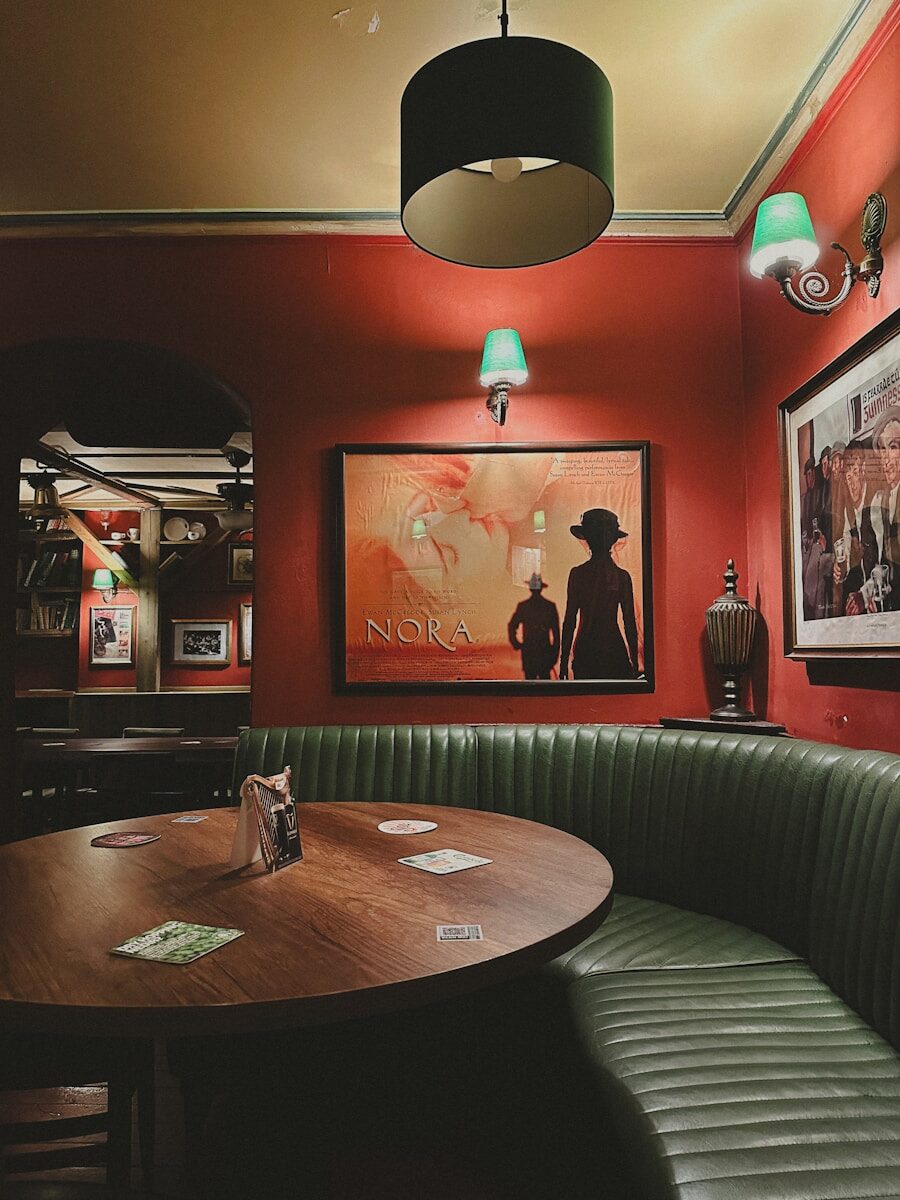
Think about the last great bar you visited. What made it feel right?
It probably wasn’t just the drinks. It was the vibe. The layout. The way the space invited you to sit down, relax, and stay a while.
A big part of that feeling comes from the tables.
Pub tables do more than hold glasses. They shape how guests feel, how long they stay, and how much they spend. The right table can turn a first-time visitor into a regular. The wrong one — wobbly, worn out, or just awkward — sends people heading for the door.
If you’re setting up a new bar or upgrading your current space, this guide is for you. We’ll walk through table heights, styles, materials, 2026 design trends, and everything else you need to make a smart, long-lasting choice.
Why Pub Tables Matter More Than You Think
Most bar owners spend a lot of time choosing barstools. They sit in them. They compare them and they agonize over the upholstery.
Tables? Those often get picked last.
That’s a costly mistake.
Here’s the truth: every single guest touches the table on every single visit. It holds their drinks. Their food. Their phones. On a busy Friday night, one table gets bumped, wiped, and loaded up hundreds of times. Over a full year, that adds up to tens of thousands of interactions.
Cheap tables show that wear fast. They wobble. The finish peels. The base rusts. And when guests notice, it chips away at their trust in your venue.
A table that costs more upfront but lasts 10 to 15 years isn’t just a better product. It’s a better investment.
Good table layouts also keep guests comfortable and coming back. When the spacing feels right and the height matches the seating, people linger longer — and longer stays mean more orders.
Pub Table Heights: Getting This Right First
Height is the first decision to make — before you pick any style or material. Get it wrong, and your stools won’t match your tables. Your guests will be uncomfortable. The whole room will feel off.
There are three main height options for pub tables.
Standard Dining Height: 28 to 30 Inches
This is the classic height. It matches a normal dining chair and feels familiar to everyone.
It works best in gastropubs that serve full meals and it creates a more sit-down, restaurant-style atmosphere. If your pub has a serious food program, this height makes sense for both your kitchen and your customers.
Counter Height / Pub Height: 34 to 36 Inches
This is the sweet spot for most American pubs.
At 34 to 36 inches, these tables work with bar stools or regular dining chairs. That flexibility is a big deal. You can mix seating styles across your floor without things looking inconsistent.
Counter-height tables feel casual and social — but not as informal as standing at the bar. That’s why they dominate American pub design.
Bar Height: 40 to 42 Inches
These are your true high-tops.
At 40 to 42 inches, they’re best near the bar itself or in high-energy zones where you want fast turnover. They’re great for viewing areas too — seated guests at a high-top can see the game or the stage over the crowd.
One important note: the taller the table, the stronger the base needs to be. At this height, use a commercial-grade base made from heavy-gauge steel or cast iron. A lightweight base at 42 inches is a safety issue waiting to happen.
Pro tip: Always buy your tables and stools at the same time. Check that there’s 10 to 12 inches of clearance between the seat and the underside of the tabletop. That’s what comfortable legroom looks like.
Types of Pub Tables: Which Style Fits Your Space?
Once you’ve settled on height, it’s time to pick a style. Each type serves a different purpose. Here’s a quick breakdown.
High-Top Tables
These are the most common tables in American bar design — and for good reason.
High-tops have a slim footprint. They don’t take up much floor space, which means you can fit more guests in without the room feeling cramped. A round or square high-top with a pedestal base is one of the most space-efficient setups you can buy.
Round tops work especially well in commercial spaces. They have no sharp corners — safer for staff and guests. They’re also easier to rearrange when group sizes change.
You’ll find high-tops everywhere from airport sports bars in Atlanta to craft taprooms in Portland. They’re versatile, practical, and almost always the right call.
Pedestal Base Tables
The pedestal base is one of the smartest designs for a busy pub.
With a four-legged table, guests have to work around the legs every time they pull out a stool. It gets awkward fast. A central pedestal solves that completely. The floor underneath stays clear — easy for guests to move in and out, easy for staff to clean.
Cast iron pedestal bases are the best choice for high-traffic venues. They’re heavy, which makes them stable. They don’t wobble or flex. And they hold up against years of daily use.
Communal and Farm Tables
Long communal tables — usually 8 to 12 feet, seating 8 to 16 people — started in craft brewery taprooms. Now they’re showing up in all kinds of American pubs.
These tables do two things really well. First, they encourage social interaction. Strangers end up talking. Groups blend together. That energy keeps people engaged and ordering.
Second, they’re the most efficient use of floor space when the room is full. No wasted gaps between small tables. No awkward dead zones. A communal table can also flex from individual seating on a quiet Tuesday to a full party setup on a Saturday night — without moving a single piece of furniture.
Booth-Side Tables
Some pubs pair freestanding tables with fixed booth seating along the walls.
This creates a flexible zone. For a couple on a date, it’s an intimate two-top setup. Push the table to one end, and suddenly you have one long booth for a larger group. It’s the same space serving two very different needs.
This setup is especially useful if your pub handles both casual dining and group events.
Outdoor Patio Tables
Outdoor seating expanded a lot after 2020 — and it’s stayed strong. Beer gardens, rooftop bars, and sidewalk setups are now a big part of pub culture in the U.S.
Outdoor tables have different rules. They need to resist UV damage, moisture, and temperature swings. For cold-weather markets like Chicago, Minneapolis, or Denver, they also need to be stackable so you can store them easily in the off-season.
Best materials for outdoor pub tables: teak, treated hardwood, polysteel, or powder-coated metal. Avoid anything lightweight if your space gets wind.
Materials: What Actually Holds Up
Material choice separates a table that lasts 3 years from one that lasts 15. This is where commercial-grade really matters.
Solid Hardwood
Oak, maple, walnut, and ash are the top choices for pubs that want a warm, high-quality look.
Hardwood tops age beautifully. They develop a patina over time that looks intentional — not worn out. And unlike laminate, they can be refinished if they get badly marked.
The trade-offs: hardwood costs more upfront and needs a sealed finish (polyurethane or commercial lacquer) to resist water and spills. But for any pub that wants to feel like a destination rather than a commodity venue, hardwood is worth the investment.
High-Pressure Laminate (HPL)
HPL is the practical workhorse of commercial pub furniture.
It’s water-resistant, scratch-resistant, and available in hundreds of finishes — including very convincing wood-grain options. It’s also significantly cheaper than solid wood.
The one weak spot: the edges. If edge banding gets chipped, moisture gets into the core and causes swelling. Always specify tables with solid wood or metal edge banding — not glued-on plastic strips.
Resin and Polypropylene
For outdoor tables, resin is the best all-around material. It resists moisture, UV rays, stains, and impacts. It doesn’t rust and it doesn’t fade. And it’s easy to clean.
Indoors, resin can look a bit synthetic up close — which can undermine the atmosphere in a traditional pub setting. So the split is fairly simple: resin wins outdoors, hardwood and HPL win indoors.
Metal Tops
Stainless steel and powder-coated steel tops suit industrial-style bars and brewery taprooms.
They’re essentially indestructible. Easy to wipe down. They look sharp in the right setting.
The downside: noise. Glasses and bottles are louder on a metal surface than on wood or laminate. In a venue that’s already loud, that extra noise adds up.
Table Bases: Don’t Cut Corners Here
The top gets all the attention, but the base is what makes or breaks durability.
For commercial pub tables, cast iron is the gold standard. It’s heavy — which means stable. It doesn’t rattle or flex. And it lasts decades.
For bar-height tables especially, use a base rated for commercial use. The extra height creates more leverage, which puts more stress on the base during normal use. A residential-grade base at 42 inches is a liability.
For outdoor bases, make sure the finish is powder-coated or galvanized to resist moisture and rust.
2026 Design Trends in American Pub Furniture
The look of American pubs is shifting. Here’s what’s resonating with guests right now — and what to consider as you plan your space.
Warm wood tones are back. The cool grays and whitewashed finishes that dominated bar design for most of the last decade are fading out. In 2026, operators are choosing warm honey oak, natural walnut, and amber-stained ash. If you’re picking tabletops, lean warm rather than cool.
Mixed materials are in. Pairing a butcher-block top with a black cast iron base. Or a stone-look laminate top on a brass pedestal. These combinations feel layered and intentional — they photograph well and make a space feel designed, not default.
Round shapes are outperforming square. Curved silhouettes are trending across hospitality design. Round and oval tabletops are outperforming square and rectangular ones for bar-height setups. Organic pedestal shapes are gaining ground over purely angular industrial bases.
Durability signals quality. Guests in 2026 notice real materials and solid construction. When customers see you’ve invested in good furniture, it tells them you care about the whole experience — not just the drinks.
ADA Compliance: What U.S. Pub Owners Must Know
If your pub is open to the public, the Americans with Disabilities Act (ADA) applies to your furniture setup. Here are the key rules for tables.
At least 5% of your tables — and never fewer than one — must be accessible. These tables must meet the following requirements:
- Height: 28 to 34 inches (standard dining height is compliant; counter and bar height are not)
- Clear floor space: At least 30 x 48 inches at one approach point for wheelchair access
- Knee clearance: At least 27 inches high, 30 inches wide, and 19 inches deep
In practice, most pubs keep a section of standard-height tables to meet this requirement — even if the rest of the floor is counter or bar height.
If your entire venue is high-tops with no accessible option, that’s a compliance issue. It needs to be fixed before it becomes a legal problem.
For full, up-to-date guidance, the ADA National Network offers free resources and answers questions from hospitality operators at no charge.
How to Buy Pub Tables: A Practical Checklist
Ready to shop? Use this checklist to avoid the most common mistakes.
Map your height zones first. Decide which areas will be standard height, counter height, and bar height before you look at any products. Mixing heights randomly across the floor always looks unplanned.
Know your use case. Indoor fixed seating, flexible indoor (tables that get rearranged), indoor/outdoor dual use, and fully outdoor all have different material needs. Be specific before you browse.
Check base compatibility. Confirm that your tabletop and base combination delivers the right finished height. Always check seat-to-tabletop clearance before you finalize.
Ask for weight ratings. A commercial pub table base should handle at least 300 lbs. of distributed load. Anything less is residential quality — it won’t hold up.
Get lead times in writing. Custom hardwood tables from U.S. manufacturers typically take 4 to 8 weeks. Build that into your timeline before you sign a lease or set an opening date.
Order one test piece for large orders. For any order over 10 tables, get a single sample first. See it in your actual space, under your actual lighting, before you commit to the full order.
Where to Buy Commercial-Grade Pub Tables in the U.S.
Specialist hospitality suppliers like Restaurant Furniture Plus, BFM Seating, and Tables Chairs Bar Stools are a good starting point. They stock commercial-specific base types (cast iron pedestal, X-base, trestle) and understand the needs of hospitality buyers.
Custom American manufacturers like Kase Custom (Arizona) are the right call when you need specific dimensions, custom finishes, or branded elements. Lead times are longer and prices are higher — but you get exactly what you need, built for commercial use from day one.
Big-box contract channels like Wayfair Professional and Amazon Business work fine for smaller budgets or quick-turnaround projects. Just verify that what you’re buying is genuinely commercial-grade, not residential furniture with a commercial label.
How to Keep Your Pub Tables Looking Good
Even the best table needs basic maintenance. These habits make a real difference.
Wipe up spills right away. Don’t let liquid sit on any surface. Even moisture-resistant laminate can be damaged when water gets under the edge banding over time.
Use bar mats and coasters. The constant impact of glass bases on bare tabletops wears out the finish faster than almost anything else.
Tighten the base hardware every quarter. All pedestal bases have bolts connecting top to base. They loosen with regular use. A quick walk through your venue with a wrench every three months prevents the wobble before guests notice it.
Refinish hardwood tops every 2 to 3 years. A light sand and a fresh coat of commercial polyurethane is cheap and fast. It can make a 10-year-old tabletop look brand new.
Store outdoor tables during winter. Even outdoor-rated furniture lasts longer with proper off-season storage. If you’re in Chicago, Minneapolis, or Denver, bring them in or cover them from November through March.
Quick Reference: Pub Table Types at a Glance
| Table Type | Height | Best For | Best Top Material | Best Base |
|---|---|---|---|---|
| Standard dining | 28–30″ | Gastropubs, full-service | Hardwood, HPL | Four-leg or pedestal |
| Counter / pub height | 34–36″ | Mixed seating zones | Hardwood, HPL | Pedestal, X-base |
| Bar height | 40–42″ | High-tops, stand areas | HPL, laminate, metal | Cast iron pedestal |
| Communal / farm | 28–30″ | Taprooms, large groups | Solid wood | Trestle, double pedestal |
| Outdoor patio | 28–42″ | Beer gardens, patios | Resin, teak, polysteel | Weighted pedestal |
Final Thoughts
A good pub table doesn’t just sit there.
It keeps guests comfortable. It handles years of daily punishment without falling apart and it tells every customer who walks through your door that this is a place worth their time.
The U.S. commercial furniture market was valued at $8.9 billion in 2025 and is growing steadily. There are more quality options available to American bar owners right now than ever before.
The operators who win treat tables as a long-term investment. They pick the right height before anything else. They specify commercial-grade bases — cast iron or heavy steel, not lightweight tube metal and they choose top materials that match their environment. And they keep up with the design trends that quietly but clearly tell guests: this place cares.
That’s the difference between a table that fills the floor and a table that defines the room.
Want to complete your pub seating setup? Read our guide on choosing bar stools for pub seating — covering seat height, footrest design, and how to match them to your tables perfectly.
For ADA compliance questions specific to your venue or state, the ADA National Network offers free guidance for hospitality operators.