

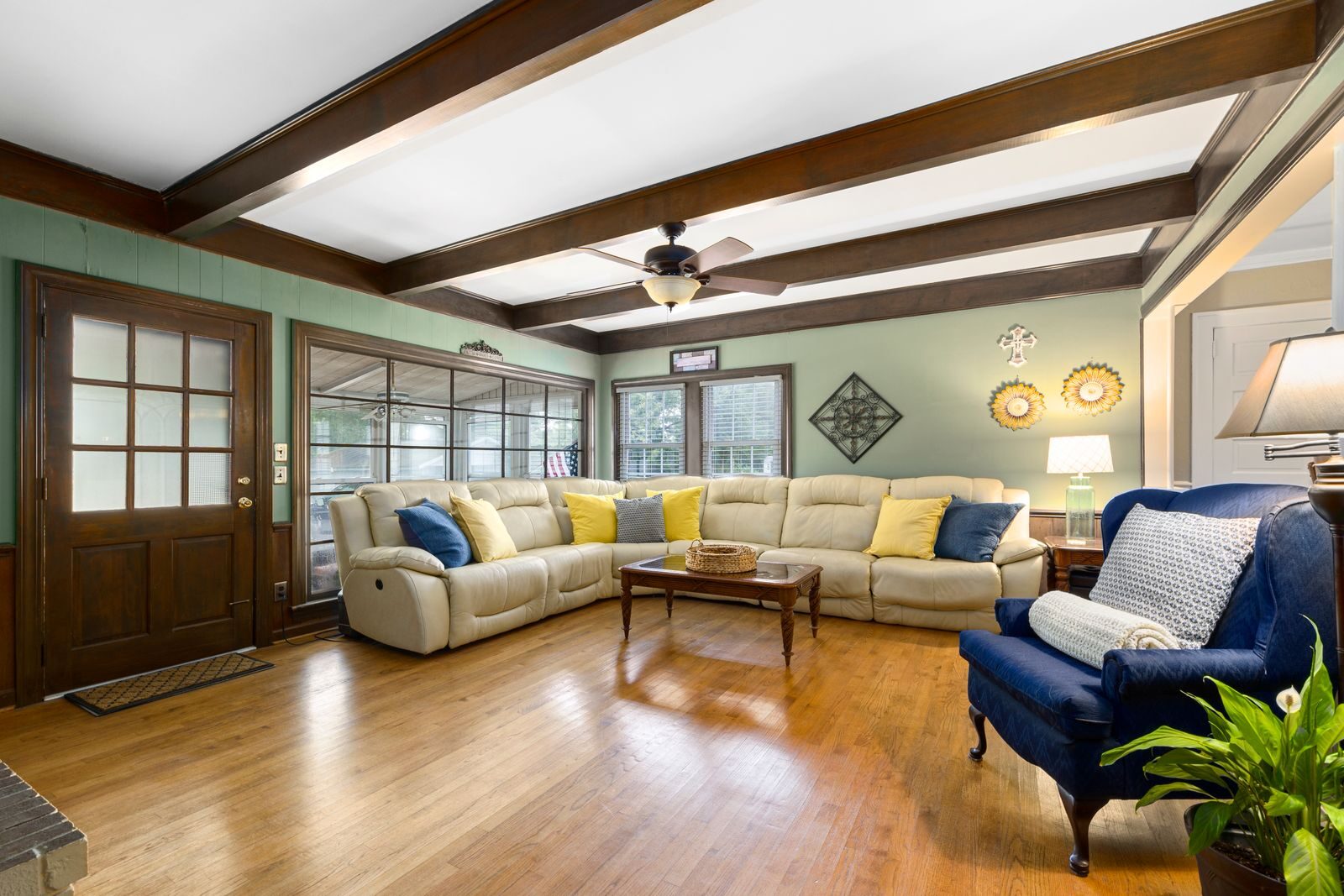
If you live in Florida, you already know a “Florida room” isn’t just a sunroom. It’s practically a way of life. Maybe yours is a fully air-conditioned glass addition. Maybe it’s a screened-in lanai off the pool, or a converted three-season porch. Either way, this room works harder than almost any other space in the house. It soaks up brutal UV exposure most of the year. It deals with humidity that can ruin ordinary upholstery in a single summer. And it still needs to look like a space you actually want to relax in.
The good news: 2026 has been a great year for sunroom and Florida room furniture. Performance fabrics feel softer and resist fading better than ever. Synthetic weaves now look almost identical to natural wicker and rattan. And after years of beige-on-beige outdoor furniture, color and personality are finally making a comeback. Here’s how to choose pieces that survive a Florida summer — and look great doing it.
What Makes Florida Room Furniture Different
Before we get into specific pieces, let’s look at why regular indoor furniture so often fails in this room.
- Intense, sustained UV exposure. A sunroom can take in more direct sunlight in one week than a living room sees in months. That exposure breaks down untreated fabric, foam, and wood finishes fast.
- High humidity. Florida’s heat and moisture create the perfect environment for mildew and mold. Ordinary upholstery doesn’t stand a chance, especially in screened or partially conditioned rooms.
- Temperature swings. A non-air-conditioned Florida room often runs much hotter than the rest of the house during the day. Over time, that heat stresses materials like solid wood and certain plastics.
- Storm and hurricane considerations. Lightweight furniture on a screened lanai should be easy to move or secure before severe weather hits. Most general sunroom advice skips this, but Florida homeowners can’t ignore it.
Keep these four factors in mind and you’ve basically won the game. Nearly every smart material and fabric choice below solves for one of them.
Best Materials for Florida Room Furniture in 2026
- Teak. Still the gold standard, and for good reason. Teak’s natural oils repel moisture and resist rot. Left untreated, it ages into an attractive silvery patina. Oil it periodically instead, and it keeps its original honey-brown tone. It costs more upfront, but a well-built teak set can realistically last decades in Florida’s climate.
- Eucalyptus and acacia. Both make popular, budget-friendly alternatives to teak. They offer solid weather resistance and a similar warm wood look. Just plan on resealing them occasionally to keep them protected long-term.
- All-weather wicker and synthetic rattan. Real wicker has no business in a humid Florida room. Synthetic versions do, though. Most are high-density polyethylene woven over a powder-coated aluminum frame, and they look remarkably convincing. They resist moisture, they won’t crack or fade like natural wicker, and they remain one of the most popular choices for Florida rooms in 2026.
- Powder-coated aluminum. Lightweight and rust-resistant. You’ll also find it in the bold colors trending this year (more on that below), not just the usual black or white.
- Poly-lumber (HDPE “poly-wood”). This dense, recycled plastic lumber won’t splinter, rot, or need sealing. The color runs all the way through the material, so scratches stay nearly invisible. It works especially well for dining tables and side tables.
- Concrete and stone accents. Polished concrete side tables and stools are showing up more in 2026 sunroom design, and they’re worth knowing about. They’re essentially indestructible, they stay cool to the touch, and they add architectural contrast next to softer woven and upholstered pieces.
- What to avoid: solid hardwoods without weather treatment, particleboard or MDF pieces, and any “indoor only” upholstered furniture in natural fiber fabrics. None of these materials can handle the humidity and sun a Florida room sees.
Best Fabrics for Florida Sun
This might matter more than the frame material itself. The wrong fabric will fade, mildew, or feel unbearably hot within a single season.
- Solution-dyed acrylic (Sunbrella and similar): the benchmark for sunrooms. These fabrics weave color into the fiber instead of printing it on top, so they resist fading even under direct, daily sun. They also shed water and resist mildew far better than natural fibers.
- Performance polyester blends (like Crypton): a strong choice for enclosed sunrooms, where glass filters out some of the direct UV exposure.
- Olefin: a budget-friendly, quick-drying option that resists fading and mildew. You’ll find it in most mid-range outdoor and sunroom furniture sets now.
- What to skip entirely: linen, silk, velvet, and untreated cotton. They look lovely in a catalog photo, but they won’t hold up to a Florida room’s humidity and light.
Color tip: medium, warm tones like beige, olive, terracotta, and warm gray hide UV wear better than pure white or saturated brights like cobalt or true red.
2026 Style Trends for Florida Rooms
Sunroom and outdoor furniture design has shifted noticeably this year. A few of these trends suit Florida rooms especially well:
- Color is back. After years of neutral-dominated outdoor furniture, confident color is making a real comeback in 2026. Think one or two dominant hues, built out with complementary woven textures, instead of scattered accent pillows.
- “Euro summer” coastal style. Riviera stripes, scalloped edges, and woven textures are everywhere this year. They pair naturally with Florida’s existing coastal look.
- Marine-grade rope detailing. Rope-wrapped frames and accents bring a nautical, breezy look that’s trending right now. It’s a natural fit for a room that often sits just steps from a pool or screened porch.
- Indoor-outdoor crossover pieces. More modular sofas now move seamlessly between a true outdoor patio and an enclosed sunroom. That’s especially handy if your Florida room opens directly onto a lanai or pool deck.
Choosing Furniture by Florida Room Type
Not every Florida room has the same exposure, and your furniture choices should reflect that.
Fully Air-Conditioned, Enclosed Florida Room
You have the most flexibility here. Indoor-style furniture upholstered in performance fabric usually works well — you don’t need true outdoor-rated pieces, since the glass filters UV exposure and the AC controls humidity.
Screened Lanai or Three/Four-Season Room
Treat this space much closer to true outdoor furniture. Choose fully weather-rated frames — teak, aluminum, or poly-lumber — and pick cushions in solution-dyed acrylic fabric that can handle direct humidity and occasional wind-blown rain.
Pool-Adjacent Florida Room
Prioritize materials that shrug off chlorine splashes and constant moisture. Synthetic wicker, aluminum, and poly-lumber all perform well here. Pair them with quick-drying Olefin or Sunbrella cushions.
Layout & Functional Tips
- Leave breathing room around seating. Florida rooms often double as walkways to the pool or yard. Keep paths clear instead of crowding furniture against the windows.
- Add sheer curtains or solar shades. Even UV-resistant fabric ages faster under constant direct sun. Filtering some of that light extends furniture life and keeps the room more comfortable in peak summer.
- Plan for storm prep. If you’re on a screened lanai, choose furniture light enough to move indoors or secure before a hurricane. Avoid anything too heavy or awkward to relocate on short notice.
- Use a washable, mildew-resistant rug. Indoor-outdoor flatweave rugs hold up far better than natural fiber rugs in a humid Florida room.
- Bring in plants. Boxwood topiaries, palms, or orchids reinforce the indoor-outdoor feel Florida rooms are known for. Many also tolerate the bright, indirect light these rooms get.
Florida Room Furniture Buying Checklist
- Frame material rated for humidity (teak, eucalyptus, acacia, aluminum, or poly-lumber)
- Fabric that’s solution-dyed acrylic, Crypton, or Olefin — not linen, cotton, or silk
- Removable, machine-washable or hose-down cushion covers
- Medium, warm color tones to minimize visible fading
- Lightweight enough to move or store ahead of severe weather, if applicable
- Stainless steel or powder-coated hardware (regular metal hardware rusts fast in this climate)
Furnishing more than just the Florida room? Many of the same material and fabric principles carry over to a pool deck or lanai. See our guides to the best outdoor bistro sets, rattan chairs, and garden swivel chairs.
Maintenance Tips for Humidity & UV
- Wipe down cushions and rotate them periodically so one side isn’t taking all the UV exposure
- Hose off synthetic wicker and aluminum frames a few times a year. This removes salt air residue and pollen buildup, especially in coastal areas
- Re-oil teak occasionally if you want to maintain its original tone rather than letting it silver naturally
- Use a dehumidifier in enclosed, air-conditioned Florida rooms during peak humidity months to protect both furniture and flooring
- Store cushions indoors during hurricane season or extended vacancies
Frequently Asked Questions
What’s the difference between a Florida room and a regular sunroom?
“Florida room” is mostly a regional term used across Florida and parts of the Gulf Coast South. It generally describes the same kind of space as a sunroom — a glass-enclosed or screened-in living area attached to the house. The furniture demands more, though, because Florida’s sun and humidity hit harder than they do in cooler, drier climates.
What furniture material lasts longest in a humid Florida room?
Teak generally lasts the longest, thanks to its natural moisture-repelling oils. Powder-coated aluminum and poly-lumber come in close behind — neither rots, rusts, nor absorbs humidity the way untreated wood does.
Is Sunbrella fabric worth the extra cost for a sunroom?
For most Florida rooms, yes. Solution-dyed acrylic fabrics like Sunbrella resist fading and mildew far better than standard upholstery. Because the color runs through the fiber itself, the fabric looks newer for much longer under constant sun.
Can I use regular indoor furniture in a Florida room?
It depends on the room. A fully air-conditioned, glass-enclosed room with UV-filtering window treatment can handle lighter indoor-style pieces just fine. A screened lanai or partially conditioned space can’t — regular indoor furniture will typically mildew or fade within a season or two.
What furniture should I avoid in a Florida room?
Skip particleboard or MDF furniture, untreated solid wood, and any upholstery in linen, silk, or untreated cotton. All of these break down fast under Florida’s heat, humidity, and UV exposure.
How do I protect Florida room furniture during hurricane season?
Choose lightweight, easy-to-move pieces where you can. Store cushions indoors when storms are forecast. And avoid heavy, hard-to-relocate furniture on screened lanais — it can become a hazard in high winds.
What colors work best for Florida room furniture?
Medium, warm tones like beige, olive, terracotta, and warm gray hide UV fading better than pure white or highly saturated colors. That said, 2026’s design trends lean back toward confident color, especially paired with natural woven textures like rattan.
Furnishing a Florida room really comes down to balancing comfort and durability. The good news? 2026’s performance fabrics and synthetic materials have closed most of that gap. You no longer have to choose one over the other.
Source referenced: Sunbrella — Performance Fabrics