

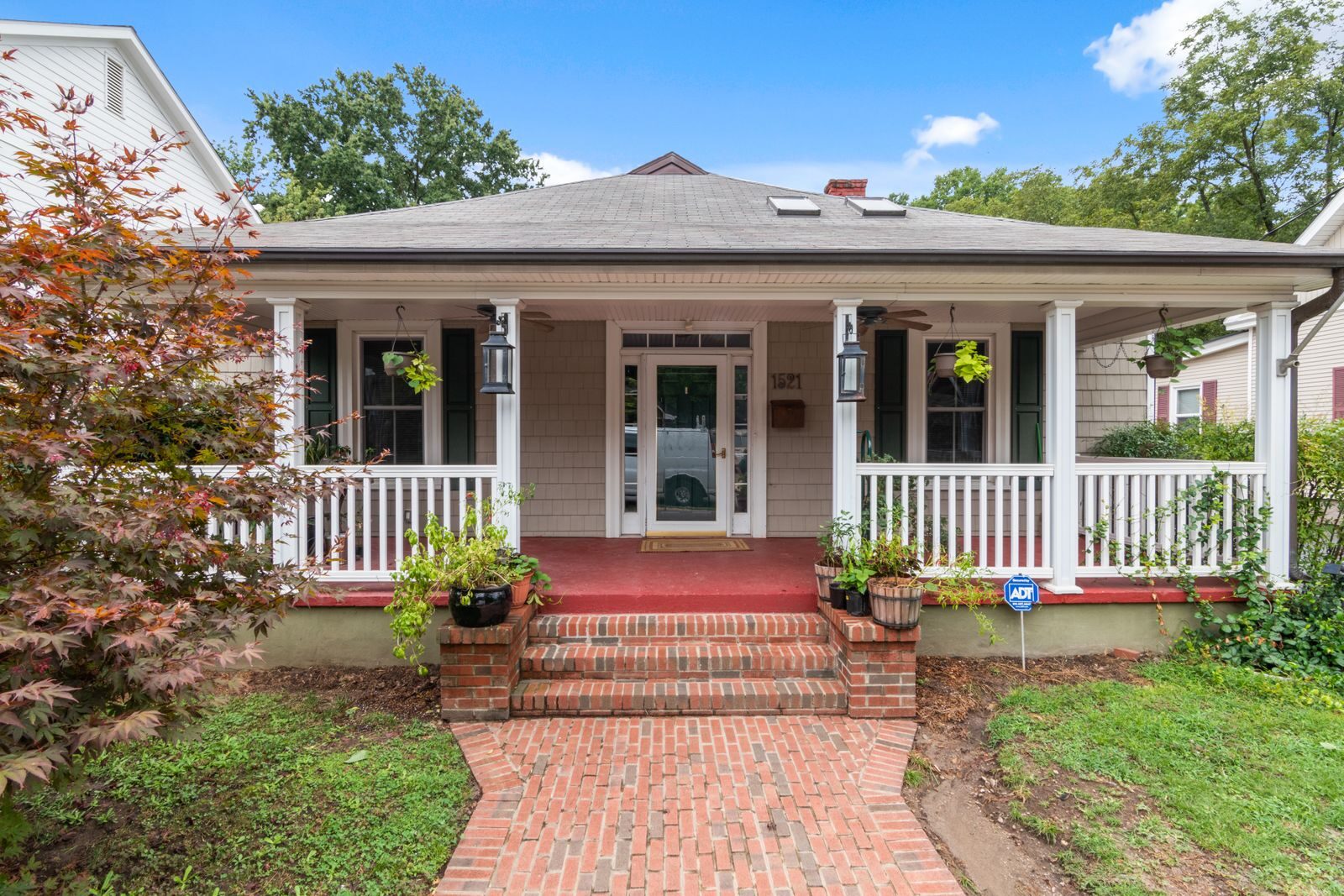
Are you a first-time buyer, a seasoned investor, or a homeowner wondering what your property is worth? Either way, Saint Jude Street consistently draws attention in local real estate circles. Streets with strong community identity hold their value — even when the broader market gets shaky. In addition, good schools, walkable blocks, and a genuine neighborhood feel make Saint Jude Street one of those places buyers keep coming back to.
So what does this guide cover? First, you’ll find current listing price ranges. Then you’ll get a clear picture of what the 2026 market means for buyers and sellers alike. Finally, you’ll walk away with practical steps to move confidently, whether you’re buying or selling.
What’s Happening Right Now: The 2026 Housing Market
Before diving into Saint Jude Street specifics, it helps to understand the national market forces at play. After all, those forces directly affect what you’ll pay — or receive — on any residential street in America.
The 2026 housing market is best described as a slow recalibration. Frenzied bidding wars are gone. Furthermore, sub-3% mortgage rates are a distant memory. The market has cooled — but it has not collapsed. For example, the National Association of Realtors projects a 4% median price increase in 2026, while Fannie Mae forecasts a 3.2% gain for the year.
What’s changed most is the pace. Buyers no longer waive inspections or write love letters to win a bidding war. As a result, real negotiating room now exists for the first time in years.
On the mortgage side, the 30-year fixed rate sits around 6.5% as of late May 2026, according to Freddie Mac survey data. Rates peaked above 7% in 2024 — so by comparison, today’s environment feels noticeably more stable for buyers.
Meanwhile, inventory is recovering. Active listings climbed 6.8% compared to last year, giving buyers more options than they’ve seen in several seasons. However, supply still sits below pre-pandemic levels. Because of that, well-priced homes on desirable streets like Saint Jude still draw serious interest fast.
For a full national breakdown, visit the National Association of Realtors’ 2026 Housing Outlook.
Saint Jude Street: Neighborhood Overview
Saint Jude Street homes attract a wide range of buyers — and for good reason. The appeal isn’t just inside the front door. Instead, it’s everything around it. You’ll find this kind of street in Midwestern suburbs, Sun Belt metros, and established Northeastern neighborhoods alike. In each case, the common thread is residential calm paired with everyday convenience.
Here’s what you typically find in Saint Jude Street communities:
Established, Tree-Lined Character — Mature neighborhoods anchor most Saint Jude Street locations. As a result, lots tend to be generous and the architecture reflects real craftsmanship — not cookie-cutter builds. That character, in turn, supports long-term value.
Proximity to Schools and Parks — These streets often fall within desirable school district boundaries. In fact, school quality ranks among the top three factors buyers cite when choosing a home.
Mixed Housing Stock — Expect a blend of property types. For instance, three-bedroom starter homes sit alongside larger four- and five-bedroom family properties. Many also include bonus rooms, finished basements, or expanded outdoor spaces.
Strong Owner-Occupancy Rates — Long-term owners dominate these neighborhoods. Consequently, you get well-maintained homes and stable values over time.
Current Listings and Price Ranges
Here’s what buyers can realistically expect when shopping on or near Saint Jude Street right now.
Entry-Level Homes (3 beds, 1–2 baths) Prices typically run from $280,000 to $380,000. However, the exact figure depends on metro area, lot size, and home condition. Footprints range from 1,200 to 1,600 square feet. As a result, these homes appeal to first-time buyers and downsizers alike.
Mid-Range Family Homes (3–4 beds, 2–3 baths) This is the sweet spot on most Saint Jude Street addresses. These homes run from 1,700 to 2,500 square feet and prices fall between $380,000 and $575,000 in most U.S. markets. Moreover, features like updated kitchens, two-car garages, and finished lower levels push prices toward the top of that range.
Larger and Premium Properties (4–5 beds, 3+ baths) Fully renovated, move-in-ready homes can reach $600,000 to $750,000 or more in competitive markets. In addition, homes with newer roofs, updated HVAC, quartz countertops, and outdoor entertaining spaces command top dollar. Many still attract multiple offers within the first week.
Key Pricing Factors to Consider:
- Lot size and usable outdoor space
- Age of major systems: roof, HVAC, water heater
- School district rating and proximity
- Recent comparable sales within a half-mile
- Days on market — over 30 days often signals negotiating room
What Buyers Need to Know Right Now
Searching for a home on Saint Jude Street? Here’s what today’s market means for you practically.
Your negotiating position is stronger than two years ago. Inventory is up and some sellers have adjusted their expectations. As a result, buyers can now ask for real concessions — seller-paid closing costs, repair credits, or a post-inspection price drop. In fact, Redfin estimated 47% more sellers than buyers nationally in April 2026. In other words, you have real leverage — especially on homes that have been sitting.
Waiting for rates to drop is a risky game. A May 2026 U.S. News survey found that 62% of buyers were holding off for lower rates. That same share also waited in 2025 — and rates held steady regardless. So if you’re financially ready and you’ve found the right home, don’t stall. You can refinance later, but you can’t go back and make an offer on a home someone else already bought.
Get pre-approved before you tour. Well-priced homes still move fast. Therefore, sellers want to see commitment upfront. A pre-approval letter gives you an immediate edge when submitting an offer.
Know your true monthly cost. At 6.5% rates, a $450,000 home with 20% down runs about $2,275 per month in principal and interest. Beyond that, add property taxes, homeowner’s insurance, and any HOA fees. That’s your real number — know it before you fall in love with a listing.
What Sellers on Saint Jude Street Should Know
Thinking about selling your Saint Jude Street home? Then understand this: the 2026 market rewards preparation and realistic pricing above all else.
Price it right from day one. Overpriced homes are sitting longer in 2026. In fact, 36% of relisted homes nationally return to market at a lower price than before. Eventually, sellers accept less than they would have with smart initial pricing. Don’t let that happen to you.
Presentation wins buyers. Buyers have more choices now, so decluttered, freshly painted, and modestly staged homes consistently beat comparable listings that skip this step. Furthermore, professional photography isn’t optional in 2026 — it’s the baseline expectation.
Small pre-listing improvements pay off. For example, replacing dated light fixtures, refreshing the landscaping, and having the HVAC serviced cost relatively little. Nevertheless, these moves tell buyers the home has received real care. Today’s buyers notice deferred maintenance, especially because inspection contingencies are back.
Plan for a longer timeline. Days on market have stretched compared to the 2021–2022 sprint. In most markets, therefore, expect 30 to 60 days from listing to closing. If you’re buying a new home simultaneously, plan your finances around that window in advance.
Saint Jude Street vs. Nearby Comparable Streets
Smart buyers and sellers always compare Saint Jude Street homes to properties on nearby streets. Here’s what to look for when doing that analysis.
Price per square foot — If Saint Jude Street homes sell at $200–$225 per square foot while a nearby street sits at $185, that premium deserves investigation. It usually signals a better school zone, a quieter block, or more desirable lot features like larger backyards or less traffic.
Recent turnover rate — High turnover can point to a transient rental population. On the other hand, very low turnover signals that buyers stay put — a strong endorsement of the street.
Age of renovations — Streets with recent, visible renovation activity — new roofs, fresh siding, landscaped yards — protect values better when markets soften. As a result, these blocks tend to attract more serious long-term buyers.
For more local trends and active listings in your area, check out our complete neighborhood buyer’s guide for side-by-side comparisons and practical tools.
The Saint Jude Street Investment Angle
Saint Jude Street properties offer investors a solid mix of stability and appreciation potential. Moreover, single-family rental demand continues to outpace apartments. Zillow projects 2.3% single-family rent growth in 2026, largely because many would-be buyers remain on the sidelines.
Rental demand stays consistent. Families who can’t yet afford to buy still need quality homes in good school districts. Therefore, a well-kept four-bedroom on Saint Jude typically commands a strong monthly rent with low vacancy.
Scarcity protects long-term value. You can’t build a new Saint Jude Street overnight. The mature trees, the neighborhood feel, and the school district access all take decades to develop. Consequently, that scarcity supports steady appreciation over time.
Watch your cash flow math carefully. Purchase prices remain elevated, and mortgage rates sit between 6% and 6.5%. As a result, cash flow on leveraged rental purchases is tighter than it was a few years ago. Nevertheless, long-term hold investors with less dependence on immediate yield are better positioned right now than short-term buyers.
How to Find the Best Homes on Saint Jude Street
Ready to start your search? Then follow this practical step-by-step roadmap.
1. Set up listing alerts first. Use Zillow, Redfin, or Realtor.com to create alerts for Saint Jude Street specifically. New listings move fast, so being first to know gives you a real competitive edge.
2. Next, work with a local buyer’s agent. A neighborhood-focused agent knows things that don’t appear online — upcoming listings before they hit the MLS, the history of individual properties, and agent relationships that can strengthen your offer.
3. Then drive the street yourself. Visit at different times — morning, evening, and weekends. As a result, you’ll pick up on traffic patterns, neighbor activity, and the overall vibe that no listing photo ever captures.
4. After that, read the seller disclosures carefully. Once you’re under contract, the disclosure document reveals the property’s full history: past repairs, known defects, pulled permits, and neighborhood issues. Read every word.
5. Finally, hire a qualified home inspector. Inspection contingencies are back in 2026, so use one. A thorough inspector finds issues that either become negotiating leverage or — in some cases — help you walk away from a costly mistake before it’s too late.
Frequently Asked Questions About Saint Jude Street Homes for Sale
Q: What is the average price of a home on Saint Jude Street? A: Prices vary based on location, size, and condition. Generally, most Saint Jude Street homes across U.S. markets range from the low $300,000s for starter homes to $700,000 or more for larger renovated properties. To get a precise current value, review recent comparable sales within a quarter-mile from the past 90 days.
Q: Are Saint Jude Street homes a good investment in 2026? A: Yes — especially for long-term investors. Established streets in desirable neighborhoods hold value well. In addition, single-family rental demand remains strong and home price appreciation runs at 2–4% annually over the next several years. As a result, a smart purchase on a quality street is a sound long-term asset.
Q: How long do homes on Saint Jude Street stay on the market? A: Well-priced homes sell in 30 to 64 days on average in most U.S. markets right now. However, move-in ready homes with accurate day-one pricing often sell within two weeks. On the other hand, overpriced homes can sit for months before sellers finally adjust.
Q: Can I negotiate the price on a Saint Jude Street home right now? A: Absolutely — more so than in recent years. Since inventory is up and the market favors balance, negotiation is firmly on the table. For example, asking for closing cost help, inspection repair credits, or a modest price reduction is entirely reasonable — especially on homes listed for more than three weeks without offers.
Q: What mortgage rate should I budget for when buying in 2026? A: Budget around 6.5% for a 30-year fixed mortgage as of June 2026. That said, some lenders and builders offer rate buydown programs that can cut your effective rate by 1–2 points — particularly on new construction. Because of that, it’s worth asking both your lender and your agent about available buydown options.
Q: Should I buy now or wait for mortgage rates to drop? A: Buy when you’re financially ready. Buyers who waited for lower rates in 2025 are still waiting in 2026, while prices kept rising modestly in the meantime. Therefore, if you find the right home at the right price, buy it now. You can always refinance when rates eventually fall.
Q: What should I check during a Saint Jude Street home inspection? A: Focus first on the roof age and condition — most roofs last 20–25 years. Beyond that, check the HVAC system, the foundation, and the electrical panel. In older neighborhoods, outdated plumbing or aging HVAC units are common findings. Nevertheless, a good inspector helps you determine whether these become negotiating tools or reasons to walk away.
Q: How do I know if a Saint Jude Street home is fairly priced? A: Ask your agent for a Comparative Market Analysis (CMA). It compares the home to similar properties sold in the last 60–90 days within a quarter-mile. If the asking price sits well above recent comps — without a clear reason like a major renovation or a larger lot — that’s a red flag worth discussing before you make an offer.
Final Thoughts
Saint Jude Street offers what great residential real estate always delivers: established character, real community, and lasting demand. Whether you’re buying your first home, upsizing for your family, or evaluating a rental investment, the street-level fundamentals hold up well.
In June 2026, preparation consistently beats speed. So research the comps, get pre-approved, and partner with a local agent who knows the street. Then act decisively when the right home appears.
Ultimately, the buyers who follow those steps are the ones who close on homes they’re truly proud of.