

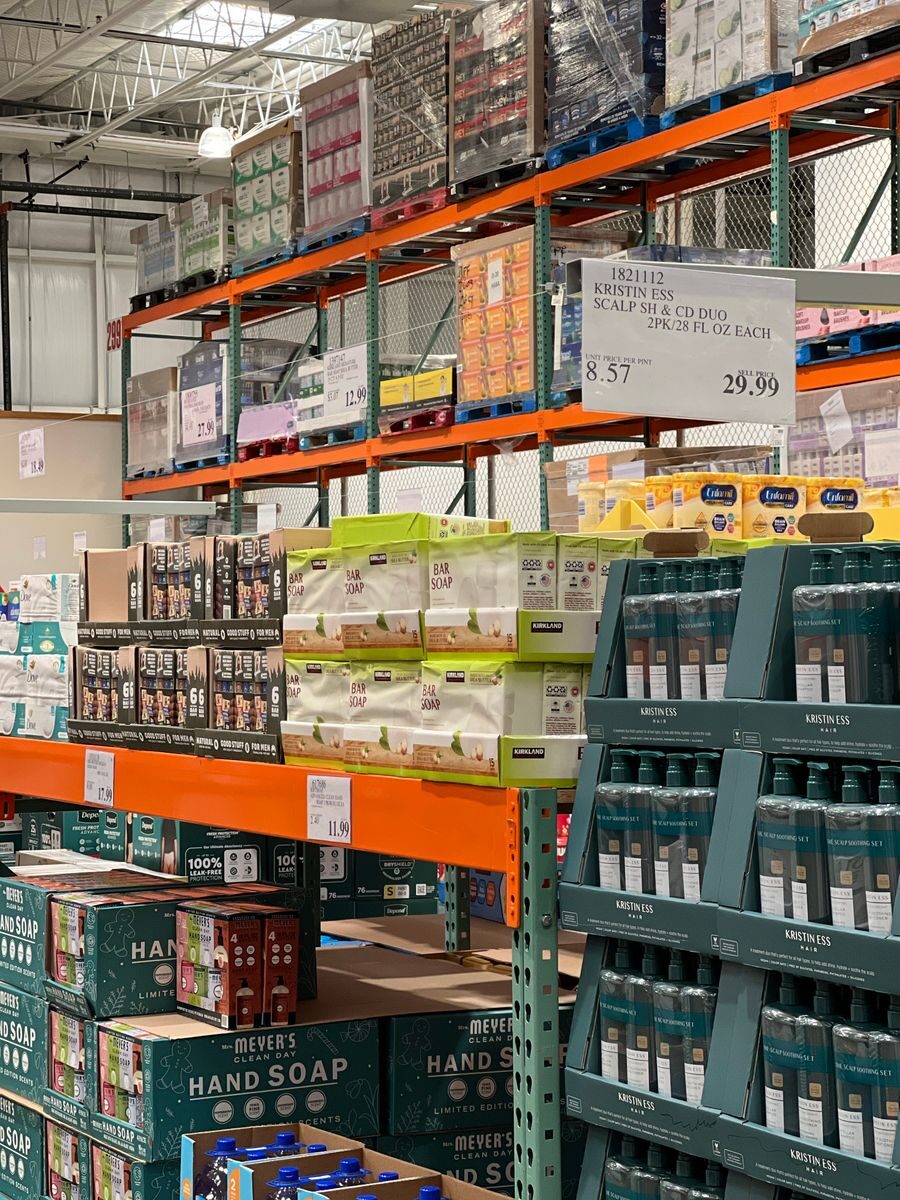
Buying a warehouse is one of the most significant financial decisions a business owner or real estate investor can make. Whether you’re a growing e-commerce brand looking to control your own fulfillment operations, a logistics company expanding its footprint, or an investor chasing strong returns in the industrial sector, purchasing a warehouse in 2026 comes with incredible opportunity — and real complexity.
The good news? The U.S. industrial real estate market is entering a more balanced, buyer-friendly phase after years of red-hot landlord conditions. Vacancy rates have stabilized, new supply is tapering off, and buyers with cash or financing ready are finding more room to negotiate than they’ve had since before the pandemic.
This guide walks you through everything you need to know before you write a check — from understanding the market, evaluating properties, navigating zoning laws, and identifying the best cities to buy in right now.
The U.S. Warehouse Market in 2026: What Buyers Need to Know
Before you start touring properties, it helps to understand the landscape you’re stepping into.
The industrial real estate market has gone through a dramatic cycle. From 2020 to 2023, demand exploded — driven by e-commerce growth, supply chain reshoring, and pandemic-era stockpiling. That sparked a historic construction boom. Now, in 2026, we’re on the other side of that wave, and the data tells an encouraging story for buyers.
According to Cushman & Wakefield’s Q1 2026 U.S. Industrial MarketBeat report, the national vacancy rate ended Q1 2026 at 7.0%, down slightly from the prior quarter’s peak, with asking rents ticking up modestly to $10.20 per square foot. Absorption surged — the U.S. industrial market posted its strongest first quarter in three years, with 40 million square feet of net absorption. That signals real, durable demand is still out there.
Here’s what that means for buyers: you’re entering a market where supply has peaked, demand is recovering, and prices — while still elevated in hot metros — have moderated from their 2022–2023 highs. If you’ve been waiting for a better entry point, 2026 may be it.
The industrial real estate market is also projected to grow from $279 billion in 2025 to $294 billion in 2026, representing a 5.3% CAGR, with e-commerce, automation, and reshoring all serving as long-term demand engines.
Types of Warehouses for Sale: Know What You’re Buying
Not all warehouses are created equal. The type of warehouse you buy will determine everything from your tenant pool to your operating costs to your resale value. Here are the main categories you’ll encounter:
General-Purpose Storage Warehouses These are the bread-and-butter properties of the industrial market — clear-span buildings used for storing goods, raw materials, or equipment. They’re the most common type for sale and suit a wide range of tenants or owner-operators.
Distribution and Fulfillment Centers Designed for high-throughput logistics operations, these properties typically feature numerous loading docks, high clear heights (often 32 feet or more), ESFR sprinkler systems, and trailer parking. They’re favored by e-commerce companies and third-party logistics (3PL) firms.
Flex Industrial / Flex Space A hybrid format combining warehouse space with office or showroom areas. Popular with contractors, small manufacturers, and service businesses. Flex properties tend to have lower clear heights (14–18 feet) but offer more versatility.
Cold Storage / Refrigerated Warehouses Specialized facilities for food, pharmaceutical, or temperature-sensitive goods. These command premium prices due to the mechanical infrastructure involved, but they also tend to attract long-term, sticky tenants.
Manufacturing Facilities Heavy industrial properties with reinforced floors, high power capacity, and crane infrastructure. These require specialized knowledge to evaluate and may come with environmental considerations.
Small-Bay Industrial Units typically under 10,000 square feet in multi-tenant configurations. This segment is one of the strongest-performing categories in 2026, with lower vacancy and faster lease-up times than big-box alternatives.
How Much Does a Warehouse Cost in the USA in 2026?
Price is, of course, top of mind for any buyer. Warehouse prices vary significantly based on location, building size, age, and functionality. Here’s a general framework for understanding costs:
Price Per Square Foot (Purchase)
Industrial sale prices in the U.S. currently range broadly based on geography:
- Tier 1 Markets (Los Angeles, New Jersey, Chicago, Dallas): $150–$400+ per square foot
- Tier 2 Markets (Atlanta, Phoenix, Indianapolis, Charlotte): $80–$200 per square foot
- Tier 3 / Secondary Markets (Midwest, rural Southeast): $40–$100 per square foot
For context, New Jersey — one of the nation’s most active industrial markets — is currently seeing average prices of $292 per square foot, while markets like Dallas and Atlanta are producing some of the highest total transaction volumes in the country.
Total Purchase Price Ranges
- Small warehouse (5,000–15,000 sq ft): $400,000 – $2.5 million
- Mid-size warehouse (15,000–50,000 sq ft): $1.5 million – $8 million
- Large warehouse (50,000–200,000 sq ft): $5 million – $40 million+
Beyond the purchase price, budget for due diligence costs, environmental assessments, title insurance, closing costs (typically 2–5% of purchase price), and any capital improvements you’ll need to make the space operational.
Top U.S. Markets for Buying a Warehouse in 2026
Geography matters enormously in industrial real estate. The best market for you depends on your business model, tenant strategy, and investment thesis. Here are the markets generating the most buyer interest right now:
Dallas–Fort Worth, Texas DFW is consistently the top U.S. industrial market by transaction volume and new leasing activity. Inland location, excellent highway connectivity, no state income tax, and a massive consumer population make it a perennial powerhouse. It led the nation in absorption gains in Q1 2026.
Atlanta, Georgia Atlanta is recalibrating after a period of explosive growth, with vacancy settling at a more rational level. Its position as a Southeast logistics hub, proximity to the Port of Savannah, and ongoing data center investment make it a smart long-term bet. Prime infill locations near I-75 still command strong rents.
Indianapolis, Indiana “The Crossroads of America” is increasingly living up to its nickname. Indianapolis offers lower entry prices, central geographic positioning, and strong absorption — it ranked among the top markets for Q1 2026 gains. It’s a particularly compelling market for buyers seeking yield over appreciation.
Phoenix, Arizona Phoenix has one of the largest industrial pipelines in the Western U.S. at roughly 7 million square feet under construction. Reshoring activity from Mexico-adjacent supply chains and tech sector growth are driving sustained demand.
Kansas City, Missouri Kansas City posted the second-lowest vacancy rate in the nation at just 8% among Southern and Midwest markets, per recent data. Its central location and intermodal infrastructure make it an underrated value play.
Charlotte, North Carolina A fast-growing Southeast market with strong absorption momentum in Q1 2026. Charlotte benefits from population growth, a business-friendly regulatory environment, and relatively lower entry prices compared to coastal markets.
What to Look for When Evaluating a Warehouse for Sale
Buying the wrong warehouse can be an expensive mistake. Here’s a practical checklist of what experienced buyers look at before making an offer:
Clear Height This is one of the most important specifications in modern warehousing. Buildings with 28–36-foot clear heights command significantly higher rents and attract more tenants. Older buildings with 18–22-foot clears are harder to lease to logistics operators and automation-dependent users.
Loading Infrastructure Count the dock doors and drive-in doors relative to the building’s square footage. A warehouse with inadequate dock access is a deal-breaker for distribution users. Industry standard is roughly one dock door per 5,000–10,000 square feet for distribution facilities.
Floor Load Capacity Industrial floors are rated in pounds per square foot (PSF). Standard is 5,000 PSF, but heavy manufacturing or automated racking systems may require 7,500 PSF or more. Always get this verified structurally.
Power Supply With the rise of warehouse automation, EV charging, and robotic systems, power has become a critical specification. Modern logistics facilities require 3,000–5,000 amps or more. Older buildings with limited power capacity are increasingly at a competitive disadvantage — and retrofitting electrical infrastructure is expensive.
Column Spacing Wider column spacing allows for more flexible racking configurations. Modern buildings typically offer 50×50-foot or wider column grids. Narrow columns reduce usable square footage and limit operational flexibility.
Zoning Confirm the property is properly zoned for your intended use — whether that’s light industrial, heavy industrial, warehousing, or distribution. Zoning rules vary significantly by municipality. Even a property that has operated as a warehouse in the past may carry restrictions that affect your plans.
Environmental History Get a Phase I Environmental Site Assessment (ESA) done before closing. Industrial properties sometimes carry legacy contamination — fuel spills, chemical storage, underground storage tanks — that can create significant liability. If the Phase I raises concerns, a Phase II with soil testing may be warranted.
Roof Condition Roof replacement on an industrial building can cost $3–$8 per square foot, which adds up fast. Always get an independent roof inspection. Ask for maintenance history and check the age and condition of the roofing membrane.
Truck Court Depth Distribution buildings need adequate truck court depth — the space between the dock doors and the property line or fence. Standard is 130 feet for double-loaded facilities, though 180+ feet is preferred for modern tractor-trailer operations.
Understanding Zoning and Permitting for Industrial Properties
One of the most overlooked aspects of buying a warehouse is fully understanding what you can and cannot do with the property from a regulatory standpoint.
Industrial Zoning Classifications Most municipalities divide industrial zoning into light industrial (I-1), general industrial (I-2), and heavy industrial (I-3). Light industrial typically permits warehousing, flex, and light manufacturing. Heavy industrial allows noisier, more intensive uses like chemical processing or heavy fabrication.
Permitted Use vs. Conditional Use Some activities require a conditional use permit (CUP) even within a properly zoned industrial property. If your intended use involves hazardous materials storage, vehicle fueling, outdoor storage, or high-frequency truck traffic, verify whether a CUP is needed.
Building Codes and Fire Suppression Depending on your state, older warehouses may need to be brought up to current fire code standards, particularly if you’re making changes that trigger a building permit. ESFR (Early Suppression, Fast Response) sprinkler systems are now standard in modern distribution buildings and can be costly to retrofit.
ADA Compliance If any portion of the building is open to the public or has office areas with employees, the Americans with Disabilities Act requires accessible restrooms, parking, and entryways. Confirm compliance or budget for upgrades.
Financing a Warehouse Purchase: Your Options in 2026
Industrial real estate isn’t cheap, and most buyers need financing. Here are the primary options available to U.S. buyers in 2026:
SBA 504 Loan The U.S. Small Business Administration’s 504 loan program is one of the best financing tools available for owner-occupants. It allows qualified small businesses to purchase commercial real estate with as little as 10% down, with a bank covering 50% and the SBA covering 40%. Interest rates are fixed and tied to U.S. Treasury rates. As of mid-2026, this remains a highly competitive option for businesses buying their own space.
Conventional Commercial Mortgage Standard commercial mortgages from banks and credit unions typically require 25–30% down and are amortized over 20–25 years. Rates vary based on creditworthiness, LTV, and market conditions. Expect to provide at least two years of business financials and a solid rent roll if there are tenants.
CMBS (Commercial Mortgage-Backed Securities) For larger transactions ($2M+), CMBS lenders offer competitive rates and higher leverage, though they come with prepayment penalties and less flexibility than bank loans.
Bridge Loans If you’re buying a value-add property that needs stabilization before qualifying for permanent financing, a bridge loan provides short-term capital (12–36 months) while you lease up the building or complete improvements.
All-Cash Purchase In competitive markets or for distressed deals, cash buyers move faster and often negotiate better pricing. If you have the capital, an all-cash acquisition followed by a cash-out refinance after stabilization is a proven strategy.
Due Diligence Checklist Before Closing
Once you have a signed letter of intent (LOI) or purchase agreement, the due diligence period — typically 30–60 days — is your window to verify everything. Don’t skip or rush it.
Here’s what your due diligence process should cover:
- Title Search and Title Insurance — Confirm clear title with no liens, easements, or encumbrances that could affect your use
- Survey — An ALTA survey maps the property boundaries, easements, and any encroachments
- Phase I Environmental Site Assessment — Required by most lenders; flags any recognized environmental conditions
- Building Inspection — Roof, HVAC, structural systems, electrical, plumbing, and dock equipment
- Zoning Verification — Confirm current zoning and any pending rezoning or overlay districts
- Lease Review — If the property has tenants, review all leases, rent rolls, and estoppel certificates
- Review Operating Expenses — Utilities, insurance, property taxes, and maintenance history
- Flood Zone Determination — Check FEMA flood maps; flood insurance can add significant annual cost
- ADA and Code Compliance — Identify any compliance gaps that will require remediation
For a deeper guide on the commercial real estate buying process, the National Association of Realtors (NAR) maintains excellent resources through its commercial real estate division.
Buying a Warehouse as an Investment: What the Numbers Look Like
Not every warehouse buyer intends to occupy the space themselves. Many are investors seeking income-producing industrial assets. Here’s how the investment math typically works:
Cap Rate The capitalization rate is the most common metric for valuing industrial properties. It’s calculated as Net Operating Income (NOI) divided by purchase price. Cap rates for industrial assets in primary markets currently run in the 5.0–6.5% range, while secondary and tertiary markets offer 6.5–8.5% or higher.
Net Lease Structures Most industrial tenants operate on triple-net (NNN) leases, meaning they pay base rent plus property taxes, insurance, and maintenance. This predictable, low-management income stream is one of the biggest draws of industrial real estate as an investment class.
Lease Terms Industrial tenants tend to sign longer leases than office or retail — often 5–10 years with options to renew. This provides investors with income stability and reduces turnover costs.
Value-Add Opportunities Properties with below-market rents, vacancy, or deferred maintenance can often be acquired at a discount and repositioned for stronger returns. Common value-add plays include upgrading dock equipment, improving power capacity, increasing clear height where structurally possible, and adding trailer parking.
Small-Bay Industrial: The Hidden Gem One of the most interesting trends in 2026 is the outperformance of small-bay industrial (sub-10,000 sq ft units). These properties have tighter vacancy, faster lease-up, and more resilient rent growth than big-box distribution — and institutional capital is just beginning to take notice. If you’re a private buyer competing with REITs and pension funds, this segment may offer better risk-adjusted returns and less bidding competition.
Red Flags to Watch Out For
Even experienced buyers can get burned on industrial deals. Here are the warning signs to watch for:
Environmental Issues Any history of fuel storage, chemical processing, or dry cleaning on a site warrants careful scrutiny. Remediation costs can reach hundreds of thousands of dollars or more — and can make a property effectively unsellable until cleanup is complete.
Outdated Power Infrastructure A building with 400-amp or 800-amp service is simply not competitive in today’s market. If upgrading electrical capacity requires working with the local utility to bring in new service, timelines can stretch 12–24 months and costs can exceed $500,000 in some markets.
Deferred Roof Maintenance A failing roof that has been patched repeatedly without full replacement is a liability. Get an independent thermographic inspection, not just a visual one.
Unfavorable Lease Terms If you’re buying a tenanted property, leases with below-market rents, excessive landlord obligations, or unusual tenant rights (like rights of first refusal on the building) can significantly impair your returns.
Limited Truck Access A warehouse that can’t accommodate 53-foot trailers or lacks adequate turning radii is functionally impaired. Visit the property during business hours and watch how trucks maneuver in and out.
Working With the Right Professionals
You should not navigate a warehouse purchase alone. The right team saves money, reduces risk, and gets deals done faster.
Commercial Real Estate Broker Work with a broker who specializes specifically in industrial properties, ideally one who knows the submarket you’re targeting. National firms like CBRE, JLL, Colliers, and Cushman & Wakefield have dedicated industrial teams, but don’t overlook strong regional boutique firms.
Commercial Real Estate Attorney Your attorney reviews the purchase agreement, title documents, lease agreements, and closing documents. Industrial transactions involve environmental indemnities and specialized representations that require expertise beyond a general practice attorney.
Commercial Lender If you’re financing the purchase, start the lender conversation early — ideally before you go under contract. SBA lenders, community banks, and regional banks with strong CRE portfolios are all worth approaching.
Environmental Consultant For any property with an industrial history, a qualified environmental professional (QEP) should conduct your Phase I ESA and advise you on Phase II if needed.
Property Inspector Hire an inspector who specializes in commercial and industrial buildings — not a residential home inspector. They’ll understand roof systems, dock levelers, fire suppression, and industrial HVAC.
How to Find Warehouses for Sale in the USA
Warehouses for sale are listed across a variety of platforms and channels. Here’s where to look:
- LoopNet — The largest commercial real estate listing platform in the U.S.; good starting point for most markets
- CoStar — Professional-grade database used by brokers; offers more comprehensive data but requires a subscription
- Crexi — Growing commercial real estate marketplace with strong industrial inventory
- Ten-X — Online auction platform for commercial properties, including industrial
- Local Brokers — Off-market deals often never hit public platforms; cultivating relationships with industrial brokers in your target market gives you access to deals before they’re widely advertised
- Auction.com — Distressed and bank-owned commercial properties, occasionally including industrial
- Direct Mail / Cold Outreach — For investors, identifying target buildings and reaching out directly to owners can surface motivated sellers who haven’t listed publicly
You can also explore our guide to commercial real estate investing strategies to understand how warehouses fit within a broader investment portfolio.
FAQ: Warehouse for Sale in the USA
1. What is the average price per square foot for a warehouse in the USA in 2026?
Warehouse prices vary widely by location and building quality. In primary markets like New Jersey, Los Angeles, and Chicago, prices range from $150 to $400+ per square foot. Secondary markets like Indianapolis or Kansas City typically run $80–$180 per square foot. Small-bay and flex industrial properties in suburban locations can sometimes be found for $60–$120 per square foot.
2. Is buying a warehouse a good investment in 2026?
Industrial real estate has been the top-performing commercial property sector for several years running, and the 2026 outlook remains solid. With vacancy stabilizing, new supply tapering off, and e-commerce and reshoring driving sustained demand, well-located warehouses with strong tenants continue to offer attractive risk-adjusted returns compared to office or retail assets. Moody’s projects approximately 3% annual rent growth for industrial in 2026, the highest across all commercial property types.
3. What should I look for when buying a warehouse?
The most important physical factors are clear height (aim for 28+ feet for modern use), number and quality of dock doors, floor load capacity, power supply (especially for automation), column spacing, and truck court depth. Beyond the building itself, evaluate location relative to your customers or workforce, zoning compatibility with your intended use, and environmental history. Always commission a Phase I Environmental Site Assessment and a professional building inspection before closing.
4. Can a small business owner use an SBA loan to buy a warehouse?
Yes — the SBA 504 loan program is specifically designed for owner-occupant small businesses purchasing commercial real estate. It allows as little as 10% down, offers fixed interest rates, and can be used for warehouses, manufacturing facilities, and other commercial properties. You must intend to occupy at least 51% of the building for new construction, or 51% of an existing building. A licensed SBA lender can walk you through eligibility requirements.
5. What are the best cities to buy a warehouse in the USA right now?
Based on current absorption trends, vacancy rates, and long-term demand drivers, the strongest markets in mid-2026 include Dallas–Fort Worth, Indianapolis, Charlotte, Phoenix, Kansas City, and Atlanta. Dallas leads in total transaction volume; Indianapolis offers strong yield potential at lower entry prices; Phoenix benefits from Western reshoring activity; and Kansas City combines central geography with one of the nation’s lowest vacancy rates.
6. What is a triple-net (NNN) lease, and why does it matter when buying a warehouse?
A triple-net lease is a commercial lease structure in which the tenant pays base rent plus all three major operating expenses: property taxes, building insurance, and maintenance costs. For investors, NNN leases are highly desirable because they create predictable, passive income with minimal landlord obligations. Most industrial properties are leased on a NNN or modified gross basis, making them attractive to income-focused buyers.
7. How long does it take to buy a warehouse?
The timeline varies depending on financing, deal complexity, and due diligence requirements. A typical warehouse purchase — from signed letter of intent to closing — takes 60 to 120 days. Cash deals can close in 30–45 days. SBA 504 loans typically take 90–120 days. More complex transactions involving environmental issues, zoning variances, or significant tenant negotiations can take 6 months or longer.
8. Do I need a commercial real estate broker to buy a warehouse?
While it’s technically possible to buy without a broker, it’s rarely advisable — especially for buyers who aren’t deeply familiar with industrial real estate. A good industrial broker brings market knowledge, access to off-market deals, comparable sales data, and negotiating expertise. In most U.S. transactions, the seller pays the broker commissions, meaning buyer representation is effectively free to you. Always work with a broker who specializes in industrial properties in your target market.
Final Thoughts: Is Now the Right Time to Buy a Warehouse?
For owner-occupants, the case is clear: buying your own warehouse gives you operational stability, eliminates rent risk, and builds equity in an asset class that has proven its durability. If your business needs logistics space and you have the capital or financing to buy, locking in your occupancy costs in a moderating market makes strong strategic sense.
For investors, the 2026 market offers a more measured entry point than the frenzied conditions of 2021–2022. Cap rates have expanded from their historic lows, giving buyers better initial yields. The structural demand drivers — e-commerce growth (online retail now accounts for over 16% of total U.S. retail sales), reshoring, and automation — are not going away. Industrial real estate is a long-game asset class, and today’s market conditions favor patient, disciplined buyers.
The key is doing your homework. Understand your market. Know your building specifications. Hire the right professionals. And don’t let the fear of overpaying stop you from making a well-underwritten deal.
The best warehouse you can buy is the one that serves your needs for the next 10 to 20 years — not just the one with the lowest price tag today.