

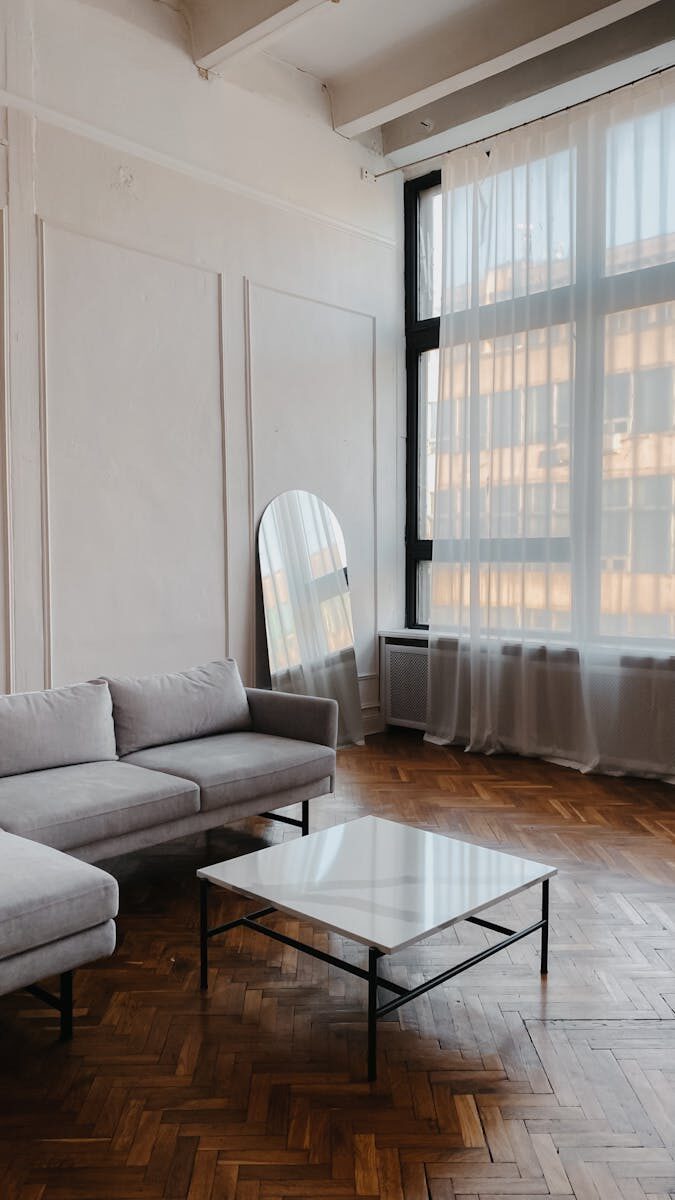
Walk into almost any well-styled living room featured in Architectural Digest or a high-end design showroom in New York or Los Angeles right now, and there’s a good chance you’ll spot one sitting front and center — a rectangular marble plinth coffee table, low to the ground, solid as sculpture, and impossibly chic. It’s the kind of furniture piece that stops people mid-conversation and makes them ask, “Where did you get that?”
Over the past few years, marble plinth coffee tables have moved from luxury hotel lobbies and editorial photo shoots into real American homes. And honestly, it makes sense. They’re versatile, they’re timeless, and when you find the right one, they anchor an entire room in a way that almost nothing else can.
But buying one isn’t as simple as falling in love with a photo on Pinterest. Marble is heavy, expensive, and varies wildly in quality. The “plinth” style specifically has a few design nuances worth understanding before you commit to a purchase. This guide covers everything — the design landscape, what to look for, what to avoid, price expectations, and how to style one in your actual home, not just a staged showroom.
What Exactly Is a Marble Plinth Coffee Table?
Before we get into buying advice, it’s worth being clear on terminology because the word “plinth” gets used loosely in furniture marketing.
A plinth, architecturally speaking, is a heavy, block-like base — think of the pedestal a classical statue sits on. In furniture design, a plinth-style coffee table takes that same idea: a solid, geometric block form, typically with clean right angles, minimal ornamentation, and a visual weight that feels intentional and grounded rather than delicate or airy.
A rectangular marble plinth coffee table specifically combines:
- Rectangular form — longer than it is wide, suited for sofas and sectionals
- Marble construction — either solid marble, marble veneer over a stone or MDF core, or sintered stone that mimics marble
- Plinth-inspired silhouette — blocky, low-profile, often with a solid base rather than legs
The result is a piece that reads as both furniture and sculpture. It’s functional, obviously — you put your coffee on it — but it also carries serious aesthetic weight in a room.
Why Rectangular Works Better Than Round in Most Living Rooms
This is a question worth settling early, especially if you’re torn between shapes. Round marble coffee tables are beautiful, but rectangular ones are almost always the more practical choice for the majority of American living rooms. Here’s why:
They scale with sectionals and long sofas. The standard American sofa runs between 84 and 96 inches wide. A rectangular table — typically ranging from 48 to 72 inches in length — gives you proportional coverage across that span. A round table in the same space can look undersized or awkwardly placed.
They define zones better. In open-concept floor plans — extremely common in newer construction across the Sun Belt, Pacific Northwest, and Mid-Atlantic — a rectangular coffee table helps visually anchor the seating area and separate it from the dining zone or entryway.
They offer more surface area. Practically speaking, you get more usable flat space for books, trays, remotes, and drinks without the awkward dead corners a square table creates.
They work with traffic flow. In a room where people walk around the seating arrangement regularly, the longer, narrower profile of a rectangular table often navigates foot traffic more gracefully than a large round or oversized square piece.
The Design Landscape: Popular Styles Right Now
Marble plinth coffee tables aren’t one-size-fits-all. Within this category there are several distinct design directions, each suiting a different interior style.
Monolithic Solid Marble
This is the purest expression of the form — a single slab of marble shaped into a low rectangular block, sometimes with the top and base cut from the same stone for a seamless, sculpture-like appearance. Brands like Nude Furniture, Organic Modernism, and select Italian stone studios produce pieces in this category.
These are statement investments — pricing typically starts around $2,500 and climbs well past $8,000 for premium stones. They’re also extraordinarily heavy, often 200–400 pounds, which means delivery logistics require planning.
Best for: Minimalist, Japandi, luxury contemporary, and architect-designed interiors.
Marble Top with Plinth Base
A more accessible interpretation — a thick marble slab top (often 1.5 to 2 inches thick) sits on a solid plinth base made from wood, lacquered MDF, concrete, or even a contrasting stone. This construction is lighter and more budget-friendly while still delivering the visual presence of the full marble look.
Best for: Transitional, modern farmhouse, and eclectic interiors where you want the marble focal point without going full-minimalist.
Sintered Stone and Marble-Look Alternatives
Sintered stone (brands like Dekton, Neolith, and Lapitec) has made serious inroads in the coffee table market. These engineered surfaces mimic the veining and tone of natural marble almost exactly, but they’re harder, lighter, more stain-resistant, and often less expensive. In a well-designed room, most guests won’t know the difference unless they look closely.
For buyers who love the aesthetic but have young kids, pets, or a more relaxed household, sintered stone is genuinely worth considering. Several furniture brands — including CB2 and Article — have released high-quality marble-look plinth tables in this material in the $600–$1,400 range.
Best for: Family homes, high-traffic living rooms, and buyers who want the look with lower maintenance anxiety.
Two-Tier Rectangular Plinth Tables
A variation gaining popularity in 2025 and into 2026 features a stepped or two-tier plinth design — essentially two rectangular slabs of slightly different sizes stacked with a small offset to create visual depth and additional surface area. They’re particularly popular in larger living rooms where a single-level table might read as too low or simple.
Best for: Larger living rooms, rooms with high ceilings, maximalist or sculptural interiors.
Key Buying Considerations
1. Marble Type and Quality
Not all marble is equal, and the variety makes a real difference in both aesthetics and durability.
Carrara marble (white with soft gray veining, quarried in Italy) is the most recognizable and widely used. It’s classic, relatively soft, and moderately priced. It’s also the most prone to etching from acidic liquids like wine and citrus.
Calacatta marble has bolder, more dramatic veining and is rarer and more expensive than Carrara. If a price seems too good for “Calacatta,” it’s likely Carrara being mislabeled — a common issue in online furniture retail.
Nero Marquina (black with white veining) and Emperador (dark brown) are popular alternatives for buyers who want a darker, moodier look. These tend to be harder and slightly more stain-resistant than white varieties.
Travertine sits at the edge of the marble family — it has a more porous, organic texture and suits warm, earthy interiors beautifully.
When reviewing listings, always ask for the specific stone name and origin. Reputable sellers can tell you exactly what stone they’re using.
2. Dimensions and Proportions
Getting the size right matters more than almost any other factor. A too-small table looks lost; a too-large one makes the room feel crowded and makes it hard to move around.
General guidelines:
- Leave 14 to 18 inches of clearance between the table edge and your sofa
- Table height should be within 1 to 2 inches of your sofa seat height — typically 16 to 18 inches for most plinth-style tables
- Table length should be roughly two-thirds the length of your sofa as a starting point
- In a room where a sectional is the anchor, aim for a table that covers at least the span between the two main seating sections
Always measure your actual space — including doorways and hallways — before ordering a marble piece. A 300-pound table that doesn’t fit through a standard 32-inch doorway is a genuine logistical problem.
3. Surface Finish: Polished vs. Honed
This is a preference question, but it has practical implications worth knowing.
Polished marble has the glossy, mirror-like surface most people picture. It shows off the stone’s natural depth and veining dramatically. It also shows every fingerprint, water ring, and scratch with equal clarity.
Honed marble has a matte, flat finish. It’s softer-looking, more casual, and far more forgiving with everyday use. Etching from spills is less visible on a honed surface (though it still occurs). Most interior designers actually prefer honed for coffee tables specifically because of how much use they see.
If you have kids, choose honed. If the table is more of a display piece in a formal living room, polished is stunning.
4. Weight and Delivery Logistics
This bears repeating: marble is extraordinarily heavy. A solid rectangular plinth table measuring 48 x 24 x 16 inches can weigh anywhere from 150 to 350 pounds depending on construction. This has implications for:
- Delivery: White-glove delivery (where a team brings the piece inside and places it for you) is worth every extra dollar for a marble coffee table. Curbside delivery of a 300-pound stone block is not practical for most people.
- Floor type: On hardwood or tile floors, a plinth-style table with a flat base creates significant concentrated weight. Use felt pads or a rubber mat underneath.
- Moving: If you rent or move frequently, a solid marble plinth table is a serious commitment. Consider a marble-top-on-base construction instead, which can often be disassembled.
5. Sealing and Surface Care
Natural marble is porous and will absorb liquids if left untreated. A quality stone sealer (applied every 12–24 months depending on use) dramatically reduces staining risk.
Most reputable furniture retailers ship marble tables pre-sealed, but it’s worth confirming. For ongoing maintenance:
- Wipe spills immediately — especially wine, coffee, citrus juice, and anything acidic
- Use coasters (yes, even on a “coffee” table)
- Clean with a mild, pH-neutral stone cleaner — never vinegar, bleach, or ammonia-based products
- Re-seal annually if the table gets heavy everyday use
Price Ranges: What to Expect in the US Market
Here’s an honest breakdown of what you’ll encounter at different price points as of 2026:
| Price Range | What You Get |
|---|---|
| Under $400 | Marble-look laminate or veneer over MDF; fine for renters or trend-testing |
| $400 – $900 | Genuine marble top (thin slab) on manufactured base; mid-market quality |
| $900 – $2,000 | Thicker marble slab, better construction, sintered stone options; solid value tier |
| $2,000 – $5,000 | High-quality natural stone, designer or boutique brands, better finishing |
| $5,000+ | Solid marble plinth, premium Italian or European stone, bespoke sizing |
For most buyers furnishing a primary living space, the $900–$2,000 range offers the best combination of genuine material quality, design integrity, and practical durability. Below that, you’re usually compromising on stone thickness or construction. Above $2,000, you’re paying for premium stone origin and brand prestige.
Top Retailers Worth Exploring in the US
While specific inventory changes frequently, these retailers consistently carry quality rectangular marble plinth coffee tables across multiple price points:
CB2 — Reliable mid-range options with consistent quality control and white-glove delivery available across major US cities.
Article — Canadian-founded but ships widely across the US; good marble-look and genuine stone options in the $600–$1,400 range with transparent material descriptions.
Rejuvenation / Williams-Sonoma Home — Upper mid-range, strong craftsmanship, good customer service for returns on heavy items.
1stDibs and Chairish — For vintage or designer marble plinth tables, these platforms are excellent. You can find genuine mid-century pieces and Italian designer tables at varying price points.
Local stone fabricators — In major metros like Atlanta, Dallas, Phoenix, Chicago, and Los Angeles, local stone fabricators will cut and finish custom marble coffee tables. This route often delivers better stone quality at lower cost than branded furniture retailers for buyers willing to coordinate pickup or local delivery.
For detailed care guidance on natural stone surfaces, the Marble Institute of America at marble-institute.com is an authoritative resource with homeowner-facing guides on sealing, cleaning, and restoration.
How to Style a Rectangular Marble Plinth Coffee Table
Buying the table is one thing — making it look intentional in your actual living room is another. Here are styling principles that work in real homes, not just styled shoots.
Keep the Top Intentionally Sparse
The instinct is to fill a beautiful stone surface with objects. Resist it. Marble plinth tables look best with negative space preserved. A simple tray grouping (one tray, two to three objects of varying heights), a single architectural book stack, or a low sculptural vase is enough. Let the stone itself be the star.
Layer with Textural Contrast
Marble is cold, smooth, and geometric. Balance it with warmth — a linen or jute area rug underneath, a boucle or velvet sofa alongside, and organic objects on top (a wood bowl, dried botanicals, a travertine or terracotta candle holder). The contrast is what makes marble rooms feel livable rather than sterile.
Match Metal Finishes Thoughtfully
Marble pairs beautifully with brushed brass, matte black, and aged bronze. Polished chrome or stainless steel can work in a more contemporary setting but risks feeling clinical. Whatever metals are in your light fixtures or hardware, echo at least one of them in an object on the table.
Consider Rug Placement
In most living rooms, the coffee table should sit fully on the area rug, or at least with the front legs of the surrounding seating on the rug. A marble plinth table floating on bare floor with no rug underneath can make the room feel unanchored, no matter how beautiful the piece is.
Frequently Asked Questions
Is a marble coffee table practical for everyday use? Yes, with realistic expectations. Marble will etch and potentially stain over time — that’s the nature of the material. Many owners actually come to appreciate the patina. If the idea of any marks bothers you, choose a honed finish or sintered stone alternative.
How do I move a marble plinth coffee table without damaging my floors? Use furniture sliders or moving blankets underneath the base. Never drag it. For significant moves, disassemble any removable components and recruit at least two strong people — three for anything over 200 pounds.
Can I put a marble coffee table on carpet? Yes, though the flat plinth base on thick carpet can create instability. A thin, firm area rug works better than deep pile carpet for stability and visual balance.
Are marble coffee tables going out of style? Design trends come and go, but natural stone furniture has appeared consistently across multiple design eras — mid-century, postmodern, and contemporary minimalism alike. A well-chosen marble plinth table is far more likely to outlast your sofa and your rug. It’s less of a trend piece and more of a long-term design investment.
What’s the best way to clean a marble coffee table daily? A soft, damp cloth (distilled water is ideal) followed by a dry microfiber wipe is sufficient for daily cleaning. Use a dedicated stone cleaner for deeper cleaning. Never use paper towels — they’re more abrasive than they seem on polished stone surfaces.
Final Thoughts: Is a Marble Plinth Coffee Table Right for You?
If you’re looking for a piece of furniture that earns its cost through longevity, visual impact, and the kind of presence that actually improves over time, a rectangular marble plinth coffee table is one of the best investments you can make in a living room. It’s genuinely heavy-duty furniture in every sense — physically, aesthetically, and in terms of staying power.
That said, go in with clear eyes. Measure carefully, understand the material, budget for proper delivery, and don’t skip the sealing step. The difference between a marble table that becomes a cherished part of your home for decades and one that becomes a source of frustration is almost always down to those practical decisions made before the purchase — not the purchase itself.
For more inspiration on grounding your living room with the right anchor pieces, check out our guide on How to Choose the Perfect Area Rug for Your Living Room.