

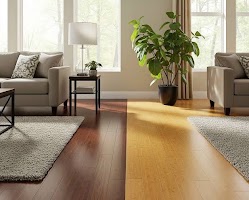
Renovating your home and stuck choosing between bamboo flooring and hardwood? You’re not alone. This is one of the most common flooring dilemmas American homeowners face in 2026 — and honestly, there’s no one-size-fits-all answer.
I’ve spent the last several years writing about home improvement, and this comparison keeps coming up for good reason. Both materials look beautiful, both carry a wood-like warmth, and both have passionate fans. But dig a little deeper and you’ll find some real differences in cost, lifespan, maintenance, and environmental impact that can make or break your decision.
This guide breaks it all down — clearly, honestly, and without the marketing fluff. By the time you’re done reading, you’ll know exactly which flooring makes sense for your home, your budget, and your lifestyle.
What’s the Difference Between Bamboo and Hardwood Flooring?
Before getting into the head-to-head comparison, it helps to understand what each material actually is.
Hardwood flooring is cut from deciduous trees — oak, maple, walnut, cherry, and hickory are the most common in the U.S. It comes in two main forms: solid hardwood (a single plank of real wood from top to bottom) and engineered hardwood (a real wood veneer bonded over plywood layers). Hardwood has been used in American homes since the colonial era, and it’s still considered the gold standard by most real estate agents and appraisers.
Bamboo flooring, on the other hand, is technically not wood at all. Bamboo is a fast-growing grass, and that distinction matters more than most people realize. The stalks are harvested, sliced into strips, and either pressed horizontally, vertically, or — in the most popular modern version — shredded and compressed into what’s called strand-woven bamboo. The result looks like hardwood, but the production process is quite different.
Both are sold in plank form, both can be nailed, glued, or floated over a subfloor, and both require similar care routines. The similarities, however, end pretty quickly once you look at the numbers.
Cost Comparison: Bamboo vs Hardwood in 2026
Let’s talk money first, because for most homeowners, budget is the deciding factor.
Bamboo flooring typically runs $2 to $20 per square foot for materials and installation combined, depending on the type (horizontal, vertical, or strand-woven) and your local labor market. Mid-range strand-woven bamboo — the most durable type — tends to fall in the $7–$12 per square foot range installed.
Hardwood flooring carries a wider price spread. Standard domestic species like red oak or maple usually cost $5 to $15 per square foot for materials alone. When you factor in professional installation — which most contractors strongly recommend for hardwood — total costs frequently run $12 to $21 per square foot, and exotic species like Brazilian walnut or teak can push well past that.
Here’s a quick side-by-side snapshot for a typical 500 sq ft room in the U.S.:
| Bamboo (Strand-Woven) | Hardwood (White Oak) | |
|---|---|---|
| Material cost | $5–$10/sq ft | $8–$14/sq ft |
| Installation cost | $3–$6/sq ft | $4–$9/sq ft |
| Total (500 sq ft room) | ~$4,000–$8,000 | ~$6,000–$11,500 |
| Refinishing cost | $1–$3/sq ft | $3–$5/sq ft |
| Lifespan | 20–30 years | 50–100+ years |
If you’re working with a tighter budget — say, a rental property or a starter home — bamboo gives you a premium look at a noticeably lower price point. If you’re renovating your forever home or a higher-end property, hardwood’s longer lifespan and resale value often justify the extra spend.
Pro tip for U.S. homeowners: Labor rates vary significantly by region. Installing hardwood in Atlanta or Dallas will cost considerably less than the same job in San Francisco or New York City. Always get at least three local quotes before committing to either option.
Durability: Which Floor Actually Holds Up Longer?
Durability is where this comparison gets interesting — and a little misleading.
The Janka Hardness Scale
The flooring industry uses the Janka hardness rating to measure how resistant a material is to denting and surface wear. Here’s where bamboo surprises people.
- Red Oak: 1,290
- White Oak: 1,360
- Hard Maple: 1,450
- Strand-Woven Bamboo: 3,000–5,000 (varies by brand)
On paper, strand-woven bamboo blows most hardwoods out of the water. But here’s the catch: hardness is just one part of the durability story.
Lifespan and Refinishing
This is where hardwood wins decisively. A quality hardwood floor, properly maintained, can last 50 to 100 years or more — and can be sanded and refinished multiple times throughout that lifespan, essentially giving it a second (or third) life. Many American homes built in the early 1900s still have their original oak floors.
Bamboo, by contrast, has an average lifespan of 20 to 30 years. While strand-woven bamboo can be refinished, it typically tolerates fewer sanding cycles than solid hardwood due to its thinner wear layer. Lower-quality bamboo flooring — and there’s a lot of it on the market — can scratch, dent, and delaminate within just a few years.
Moisture and Climate Sensitivity
Both materials expand and contract with changes in humidity, but bamboo can be particularly sensitive. If you live in a high-humidity region like Florida, Louisiana, or the Pacific Northwest, bamboo can warp or swell without adequate moisture management. Hardwood has the same vulnerability, but because it’s a thicker, more stable material, quality solid hardwood tends to handle moderate humidity swings better.
Bottom line on durability: If you want a floor built to last decades and withstand multiple refinishes, solid hardwood is the longer-term investment. If you’re drawn to strand-woven bamboo, buy from a reputable brand and pair it with proper humidity control.
Eco-Friendliness: Is Bamboo Really the Greener Choice?
Bamboo is heavily marketed as the sustainable flooring option, and in some ways, that reputation is well-earned. In other ways, it’s more complicated.
Bamboo’s Environmental Advantages
Bamboo is genuinely one of the fastest-growing plants on earth — certain species grow up to 35 inches per day, according to Guinness World Records. Most bamboo used for flooring reaches harvestable maturity in just 3 to 5 years, compared to oak trees that can take 20 to 70 years to grow large enough for lumber. Bamboo also regenerates from its root system after cutting, meaning the land doesn’t need to be replanted.
The Fine Print
However, “sustainable” isn’t the same as “zero impact.” Most bamboo flooring sold in the U.S. is manufactured in China, which means a significant carbon footprint from ocean shipping. The strand-woven manufacturing process also involves chemical adhesives and resins — some of which, in lower-quality products, may off-gas volatile organic compounds (VOCs) into your home.
When shopping for bamboo, look for products certified to CARB Phase 2 standards (California Air Resources Board), which are the strictest VOC limits in the U.S. and a solid benchmark nationally.
Hardwood, when sourced responsibly, is also a genuinely renewable resource. Look for the FSC (Forest Stewardship Council) certification, which ensures the wood was harvested from responsibly managed forests. Domestic hardwood species like Appalachian oak or Tennessee hickory also carry a much shorter supply chain than imported bamboo — a meaningful carbon consideration.
The honest eco verdict: Bamboo wins on raw renewability. Hardwood wins when it’s domestically sourced and FSC-certified. Neither is perfect, but both are far better than synthetic flooring options like vinyl or laminate from a lifecycle perspective.
Aesthetics: Style, Finish Options, and Design Flexibility
This is where personal preference takes over, but there are some practical differences worth knowing.
Hardwood offers an almost limitless palette. With dozens of domestic and exotic species available — each with its own grain pattern, color range, and character — you can find a hardwood to complement virtually any interior style. White oak with a matte, wire-brushed finish has dominated U.S. design trends in 2025 and remains a top pick heading into 2026, according to industry surveys. You can also stain hardwood to achieve custom colors, something you can’t easily do with bamboo.
Bamboo has a more distinctive aesthetic: clean, straight grain lines and a naturally pale, contemporary look. Carbonized bamboo adds warmer amber tones through a heat treatment process, though that process also reduces hardness. If you love modern, minimalist, or Scandinavian-inspired interiors, bamboo can be a striking choice. But bamboo’s limited staining options mean you’re largely working with its natural palette.
Trend note for 2026: Warmer, natural wood tones are dominating the U.S. market right now — wide-plank white oak, natural walnut, and lighter ash finishes are all extremely popular. Bamboo can fit that aesthetic if styled correctly, but hardwood has more design range overall.
Home Resale Value: What Buyers and Appraisers Actually Think
If you’re renovating with an eye toward resale, this section matters a lot.
According to the National Association of Realtors (NAR), installing new hardwood floors yields an estimated 118% return on investment at resale — meaning you typically recoup more than you spent. Refinishing existing hardwood floors does even better, with a 147% cost recovery in many markets. Real estate agents across the U.S. consistently report that hardwood floors make listings easier to sell and support higher asking prices, particularly in homes valued above $400,000.
Bamboo flooring is generally viewed positively by buyers, especially sustainability-conscious ones, but it doesn’t carry the same appraisal weight as hardwood. Many appraisers and buyers are simply less familiar with it, and some are cautious about the long-term durability of lower-quality bamboo products.
If resale value is a primary concern, hardwood is the safer bet — particularly in established neighborhoods, traditional-style homes, or higher price-point markets on the East and West Coasts.
Maintenance: Day-to-Day Care for Both Floors
Good news: the daily care routine for bamboo and hardwood is nearly identical.
For both floor types, you should:
- Sweep or dust mop regularly to prevent grit and dirt from scratching the surface
- Use a damp (never soaking wet) mop with a pH-neutral cleaner
- Clean spills immediately — standing water is the enemy of both materials
- Use felt pads under furniture legs
- Keep indoor humidity between 35–55% to minimize expansion and contraction
- Avoid rubber-backed rugs, which can trap moisture against the surface
Where they differ: hardwood can be sanded and refinished every several years to restore its original look — a major advantage over decades of use. Strand-woven bamboo can also be refinished, but typically only one or two times before the wear layer becomes too thin.
If you have pets with claws or very active kids, strand-woven bamboo’s higher Janka rating may actually give it an edge on day-to-day scratch resistance compared to softer hardwood species like pine or cherry. For harder hardwoods like hickory or white oak, it’s a close race.
Bamboo vs Hardwood: Room-by-Room Recommendations
Not every floor is right for every room. Here’s a quick guide:
Living Room & Dining Room: Both work beautifully. Hardwood is the classic choice for these high-visibility spaces, especially if resale value is a priority. Strand-woven bamboo is a solid, more budget-friendly alternative.
Bedrooms: Either option works well. Bamboo’s slightly more moisture-resistant surface can be a minor benefit in rooms where you might occasionally track in humidity.
Kitchen: Both require caution. Engineered hardwood is more stable than solid hardwood here. Strand-woven bamboo can also work, but avoid lower-grade bamboo products in high-spill areas.
Basement: Neither solid hardwood nor solid bamboo is recommended for below-grade applications where moisture levels fluctuate. Engineered hardwood is your best bet here.
Bathrooms: Neither bamboo nor hardwood is ideal for full bathrooms. Tile or luxury vinyl plank is a better choice.
Who Should Choose Bamboo Flooring?
Bamboo flooring is likely the right call if:
- You’re working within a tighter budget and want a premium look
- You prioritize eco-friendly materials and sustainability credentials
- You’re designing a modern, minimalist, or contemporary space
- You’re renovating a rental property where long-term ROI from refinishing is less critical
- You’re drawn to bamboo’s unique, clean-line aesthetic
Who Should Choose Hardwood Flooring?
Hardwood flooring is probably the better fit if:
- You want the longest possible floor lifespan and multiple refinishing cycles
- Resale value is a significant factor in your renovation decision
- You want maximum design flexibility with stains, species, and finishes
- You’re renovating a traditional-style American home where hardwood is the expected finish
- You live in a climate with significant humidity swings and want a more stable material
Quick Comparison Summary
| Feature | Bamboo | Hardwood |
|---|---|---|
| Cost (installed) | $2–$20/sq ft | $6–$25/sq ft |
| Lifespan | 20–30 years | 50–100+ years |
| Hardness (strand-woven) | Very high (3,000–5,000 Janka) | Varies by species |
| Refinishing | 1–2 times | Multiple times |
| Eco-friendliness | Strong (fast-growing) | Good if FSC-certified |
| Resale value | Good | Excellent (118% ROI) |
| Style options | Limited | Extensive |
| Moisture resistance | Moderate | Moderate |
| Best for | Budget renovations, modern style | Long-term investment, resale |
The Bottom Line: Which Is Better in 2026?
There’s no universal winner here — and anyone who tells you otherwise is oversimplifying.
Choose bamboo if budget is the priority and you’re drawn to its contemporary look and sustainability story. Just buy strand-woven bamboo from a CARB-certified manufacturer, not the cheapest box-store option.
Choose hardwood if you’re building long-term home value, want design flexibility, and are willing to invest more upfront for a floor that can literally outlast you.
If you’re somewhere in the middle — budget-conscious but still focused on value — engineered hardwood is worth a serious look. It offers real wood aesthetics with better moisture stability, often at a price point closer to high-end bamboo.
For more guidance on flooring decisions, installation tips, and home improvement planning, check out our Complete Home Renovation Cost Guide — it covers everything from flooring to kitchen updates with real cost data for U.S. homeowners.
And when you’re ready to start getting quotes, the National Wood Flooring Association’s contractor locator is a reliable way to find certified flooring professionals in your area.
Frequently Asked Questions
Is bamboo flooring as good as hardwood? High-quality strand-woven bamboo is extremely durable — often harder than many hardwoods on the Janka scale — but hardwood generally lasts longer and offers more refinishing cycles. For most homeowners, hardwood remains the stronger long-term investment.
Does bamboo flooring add home value? Bamboo adds value compared to carpet or laminate, but it doesn’t carry the same appraiser recognition as hardwood. In markets where buyers specifically value sustainability, it can be a selling point. But for most U.S. markets, hardwood delivers higher resale ROI.
Which is more eco-friendly, bamboo or hardwood? Bamboo wins on renewable resource speed (3–5 year harvest cycle vs. 20–70 years for trees). However, most bamboo is imported from China, adding shipping emissions. Domestically sourced, FSC-certified hardwood can be equally or more eco-friendly depending on the full lifecycle.
Can bamboo flooring be installed over radiant heat? Yes, but it must be a floating or tongue-and-groove installation rather than glue-down or nail-down, to allow for expansion. The same applies to hardwood over radiant heat systems.
How long does bamboo flooring last compared to hardwood? Bamboo flooring typically lasts 20 to 30 years with proper care. Hardwood can last 50 to 100 years or more, especially with periodic refinishing. That lifespan difference is one of hardwood’s biggest advantages.