

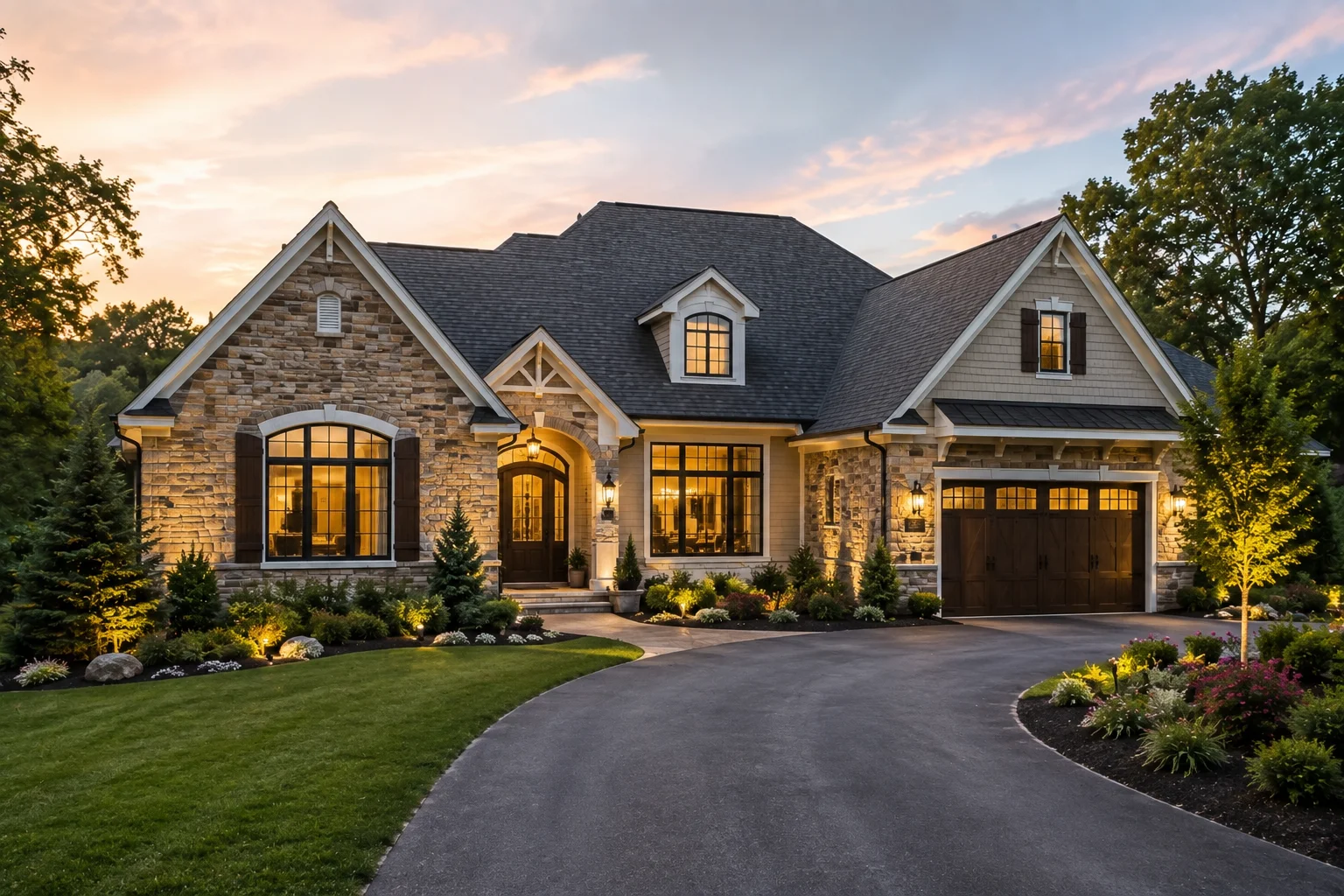
Searching for a gated community home in Pennsylvania? You’re definitely not alone. More buyers than ever are prioritizing privacy, security, and shared amenities. As of August 2026, Pennsylvania offers well over a thousand active gated community listings. These range from cozy Pocono lake retreats to sprawling luxury estates outside Philadelphia.
I’ve spent years tracking regional housing trends across the Mid-Atlantic. Pennsylvania’s gated community market has quietly become one of the more interesting corners of the state’s real estate scene. So, in this guide, we’ll walk through what these communities actually offer. We’ll also cover where to find them, current pricing, and what to know before you make an offer.
What Makes a Gated Community Different in Pennsylvania?
Gated communities typically combine controlled access with shared amenities. Think pools, walking trails, golf courses, or lake access. Unlike a standard neighborhood, these developments are managed by a homeowners association, often called an HOA. This group collects monthly or annual dues. In exchange, it maintains shared spaces and enforces community guidelines.
Pennsylvania’s gated communities fall into a few broad categories. Some cater specifically to retirees through age-restricted 55-plus developments. Others are designed as vacation or lake communities, especially throughout the Poconos region. Still others function as upscale suburban enclaves near major metro areas like Philadelphia and Pittsburgh. These appeal to buyers who want privacy without leaving city conveniences too far behind.
Because each community operates differently, it’s worth understanding the type you’re drawn to first.
Where to Find Gated Communities Across Pennsylvania
The Poconos Region
Northeast Pennsylvania’s Pocono Mountains region has long been a hub for gated lake communities. Developments like Hemlock Farms and The Hideout offer year-round living alongside vacation-style amenities. These include private lakes, golf courses, and 24-hour security. According to real estate teams specializing in the region, the Poconos area is renowned for its stunning landscapes and luxurious living options, particularly within gated communities.
Buyers here typically fall into two camps. Some are full-time residents who work remotely or commute to nearby towns. Others are weekend or seasonal homeowners looking for a retreat within driving distance of New York City or Philadelphia.
Greater Philadelphia and Suburban Communities
The Philadelphia suburbs host several well-established gated developments. These include Montgomery Walk and Regency at Providence. The latter is particularly notable. It includes 363 resale single-family homes within an established neighborhood setting. These communities tend to attract buyers seeking upscale amenities. At the same time, they want easy access to the city’s job market, healthcare systems, and cultural attractions.
Home prices in this region generally run higher than the state average. This reflects both the desirability of the location and the premium amenities included with HOA membership.
Pittsburgh and Western Pennsylvania
Western Pennsylvania’s gated community inventory is smaller but still active. In Pittsburgh specifically, the median listing price for gated community homes currently sits around $275,000, with most homes staying on the market for roughly 57 days and receiving about two offers. Compared to the Philadelphia suburbs, this represents a more affordable entry point. Buyers can enjoy the gated community lifestyle without the higher metro-area price tag.
55-Plus and Retirement Communities
Pennsylvania also has a strong presence of age-restricted gated communities designed specifically for retirees. Housing researchers have identified 41 gated 55-plus communities across the state, offering new and resale condos, townhomes, and single-family homes at a wide range of price points. These communities often include amenities tailored to active adult lifestyles. Clubhouses, fitness centers, and organized social activities are common features.
Current Pricing Trends in Pennsylvania Gated Communities
Pricing across Pennsylvania’s gated communities varies dramatically. Region, lot size, and amenities all play a role. As of mid-2026, statewide search platforms show over 1,200 active gated community listings across Pennsylvania.
At the higher end, luxury gated properties near Philadelphia’s western suburbs regularly list in the multi-million dollar range. Towns like Malvern are good examples of this. Meanwhile, more modest gated properties throughout central and western Pennsylvania often fall well under $500,000. This makes the gated lifestyle accessible to a broader range of buyers than many people initially assume.
HOA fees also vary widely. Some communities charge a few hundred dollars annually for basic maintenance. Others require monthly dues exceeding $70. These higher fees typically cover amenities like security staffing, landscaping, and shared recreational facilities. Before making an offer, always request a full breakdown of current HOA fees. Also ask about any planned special assessments, since these costs can meaningfully affect your monthly housing budget.
If you’re new to evaluating HOA-governed properties, our guide to understanding HOA fees and homeowner association rules breaks down exactly what to ask before signing a purchase agreement.
What to Look for When Touring Gated Community Homes
Touring a gated community feels different from viewing a standalone home. So, it helps to know what questions matter most.
First, ask about the security setup itself. Some communities use staffed gatehouses with 24-hour personnel. Others rely on keypad or remote-access entry only. This distinction matters if security was a primary reason you started your search in this category.
Second, review the HOA’s financial health. A well-funded reserve account suggests the community can handle major repairs without hitting homeowners with sudden special assessments. Road resurfacing and pool renovations are common examples. Ask your agent or the HOA directly for recent meeting minutes and reserve fund statements.
Third, consider resale demand in that specific community. Some gated developments hold their value exceptionally well. This is especially true near strong school districts or major employment centers. Others, especially seasonal lake communities, can see more price fluctuation. This often depends on broader vacation-home market trends.
Finally, don’t skip the fine print on community rules. Many gated communities restrict things like exterior paint colors, fencing, and short-term rentals. Some even limit landscaping choices. If flexibility matters to you, review the community’s covenants and restrictions carefully first. Do this before falling in love with a specific listing.
Financing a Gated Community Home in Pennsylvania
Financing works similarly to standard home purchases. Still, a few extra factors come into play. Lenders will typically review the HOA’s financial statements as part of underwriting. This applies especially to condo or townhome purchases within gated developments. If the HOA has insufficient reserves or a high percentage of delinquent dues, some lenders may require additional documentation. In rare cases, they may decline financing altogether.
Buyers should also factor HOA dues into their overall debt-to-income calculations. Lenders count these fees alongside your mortgage payment when determining affordability. Working with a lender experienced in HOA-governed properties can help you avoid surprises during approval.
Is a Gated Community Right for You?
Ultimately, this decision comes down to lifestyle priorities. Gated communities appeal strongly to buyers who value predictable neighborhood aesthetics and added security. Access to shared amenities matters too, especially without personally maintaining a pool or golf course. Retirees, remote workers seeking quieter surroundings, and families wanting a strong sense of community often find these developments appealing.
On the other hand, some buyers prioritize maximum flexibility or minimal monthly fees. Others want fewer restrictions on property use. These buyers may find traditional, non-gated neighborhoods a better fit. There’s no universally right answer here. It’s worth spending time in a community and talking with current residents first. Review HOA documents thoroughly before committing.
Frequently Asked Questions
How many gated community homes are currently for sale in Pennsylvania? As of August 2026, statewide listing platforms show more than 1,200 active gated community properties across Pennsylvania. These span everything from affordable starter homes to multi-million dollar luxury estates.
What are the most popular gated communities in Pennsylvania? Popular options include Hemlock Farms and The Hideout in the Poconos. Regency at Providence and Montgomery Walk in the Philadelphia suburbs are also well known. Each community offers different amenities, so it’s worth comparing a few first.
Are gated communities in Pennsylvania more expensive than regular neighborhoods? Not always. Luxury gated developments near Philadelphia can run into the millions. However, other regions, including parts of western Pennsylvania, offer gated homes at median prices around $275,000. Pricing depends heavily on location, lot size, and included amenities.
Do gated communities in Pennsylvania have age restrictions? Some do, and some don’t. Pennsylvania has at least 41 identified gated 55-plus communities designed specifically for active adults and retirees. Meanwhile, many other gated developments welcome buyers of all ages.
What HOA fees should I expect in a Pennsylvania gated community? HOA fees vary widely. Smaller communities might charge a few hundred dollars annually. Developments with extensive shared amenities, like pools, golf courses, or staffed security, can run over $70 monthly. Always request a full fee breakdown before making an offer.
Is it harder to get a mortgage for a home in a gated community? Generally, financing works the same as any other home purchase. That said, lenders may review the HOA’s financial health more closely, particularly for condos or townhomes. Working with an experienced local lender can help streamline this part of the process.
Are gated communities in the Poconos good for year-round living, or just vacation homes? Both, actually. Many Pocono gated communities support full-time residents who commute or work remotely. Alongside them, seasonal homeowners use their property primarily as a weekend or vacation retreat.
How long do gated community homes typically stay on the market in Pennsylvania? This varies by region. As an example, gated community homes in the Pittsburgh area currently average around 57 days on market. Popular Philadelphia-area communities can move faster, especially during peak buying seasons in spring and early summer.
Final Thoughts
Pennsylvania’s gated community market offers something for nearly every type of buyer. Maybe you’re chasing a lakeside retreat in the Poconos. Perhaps you want a low-maintenance retirement lifestyle near Philadelphia, or an affordable entry point into gated living around Pittsburgh. Pricing, HOA structures, and community rules vary significantly across the state. Because of this, taking time to compare a few developments before committing pays off in the long run. Working with a local agent who knows the specific community you’re considering can also make a meaningful difference. This especially helps when it comes to understanding HOA finances and long-term resale potential.
To browse current, up-to-date gated community listings across the state, you can explore Zillow’s Pennsylvania gated community search results for real-time pricing and availability.