

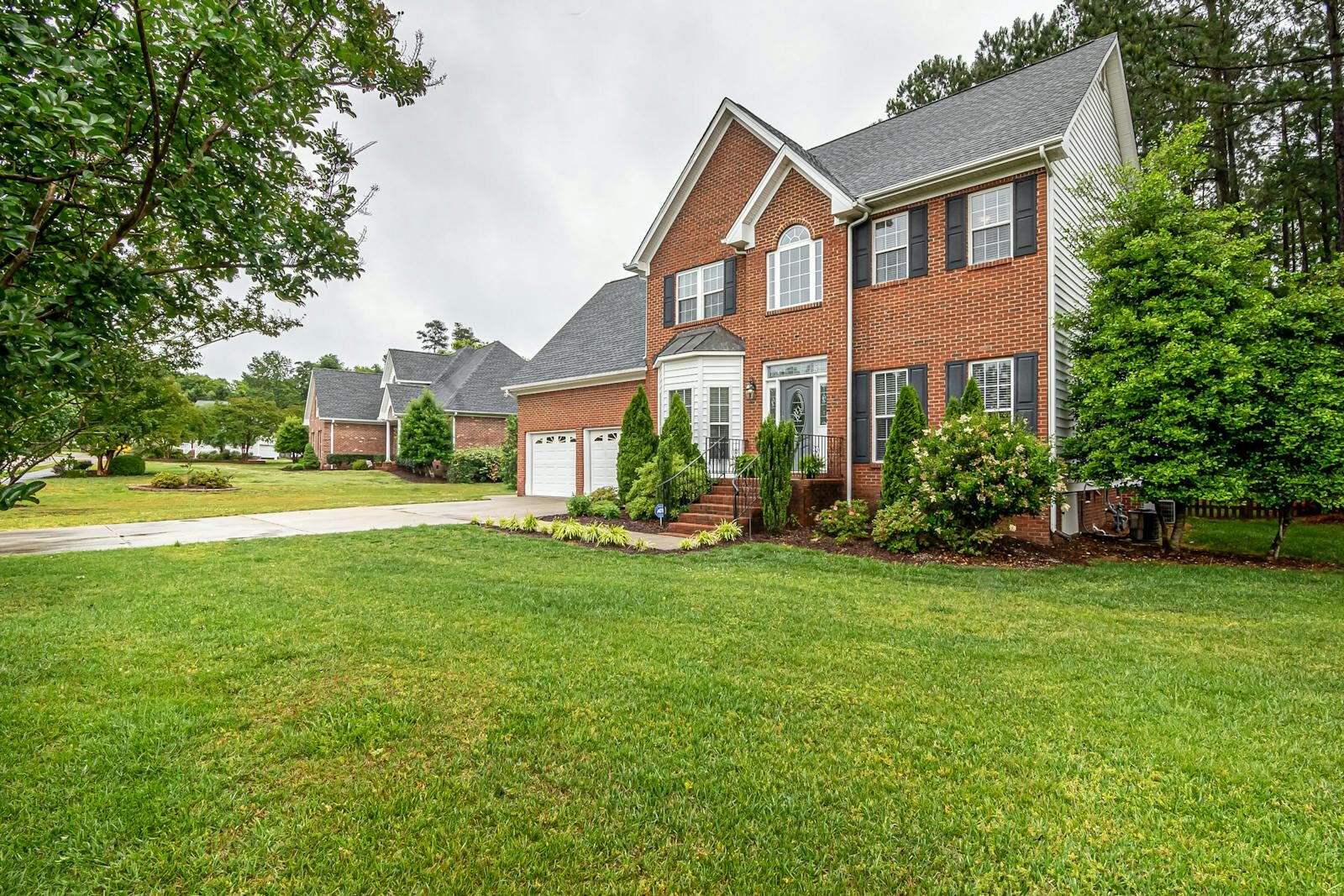
Something is happening in Northeastern Pennsylvania that a lot of buyers still haven’t noticed — and that works in your favor.
Home prices here are a fraction of what you’d pay in New York, New Jersey, or Philadelphia. The scenery is legitimately beautiful. The communities are real. And for remote workers, the math on commuting a few days a week is entirely workable from most of this region.
But the window is narrowing. Prices rose 17% across Pennsylvania in the past year alone. Inventory is tight. And buyers who understand how the local market actually works are closing on homes that out-of-state buyers searching Zillow are missing.
Whether you’re relocating, investing, or buying your first home, this guide gives you a straight look at what Northeastern PA has to offer in 2026 — by area, by budget, and by the specific things that actually matter when you’re ready to buy.
Why NEPA Is Getting So Much Attention Right Now
A few years ago, Northeastern Pennsylvania barely appeared on national real estate radar. That’s changed.
Pennsylvania recently landed on Realtor.com’s list of the 10 hottest real estate markets of 2026 — a dramatic shift from just a year earlier, when that list was made up entirely of Southern and Western markets. The statewide median sale price is now $287,000, up 17.14% year-over-year. Homes are selling for 99.86% of asking price on average, meaning sellers have genuine leverage and buyers who hesitate lose deals.
Three things are driving this:
- City migration. Buyers priced out of the Northeast corridor have been relocating to NEPA for years. Crime rates, tax burdens, and the sheer cost of living in major metros have pushed thousands of families to look here. That trend accelerated during the pandemic and hasn’t reversed.
- Remote work. Scranton and the Pocono region put you within 90 minutes to two hours of New York City. For workers who go to the office two or three days a week, that’s livable — especially when your housing dollar goes three to four times further.
- Genuine affordability. Scranton’s median home price is 47% below the national average. Its cost of living overall is 11% lower than the U.S. average. You simply don’t find those numbers this close to major metros on the East Coast.
The Market by Area: Where to Look and What to Expect
Northeastern PA covers a wide swath of territory. Here’s an honest breakdown of each county and what buyers actually find there.
Lackawanna County: Scranton and the Abingtons
Lackawanna County anchors the north of the region and centers on Scranton — Pennsylvania’s sixth-largest city.
Over the three months ending April 2026, Scranton home prices were up 16.2% year-over-year. The median sale price hit $222,000. Homes are selling in an average of just 24 days. By any measure, this is a moving market.
The county’s median climbed to $247,000 by late 2025, up nearly 5% from the year before, according to the Greater Scranton Board of Realtors. At that price, you’re buying a home in a city with a legitimate downtown revival, strong healthcare employment through Geisinger and Commonwealth Health, and a university (Scranton) that keeps the cultural pulse going.
The range of what’s available is wide. Sub-$150,000 starter homes exist in Scranton city neighborhoods. On the other end, the Abingtons — Clarks Summit, Clarks Green, South Abington Township — draw buyers who want walkable main streets, strong schools, and $300,000–$450,000 homes that would cost twice that in the Philadelphia suburbs.
Clarks Summit is the standout community here. Walkable, charming, with one of the better school districts in the region and a genuine small-town feel that surprises buyers expecting something drab. Buyers relocating from New York and Philadelphia almost always end up touring homes here.
Dunmore, right next to Scranton, offers established borough living at prices that make first-time buyers take notice. Dalton and Scott Township appeal to buyers who want acreage without leaving Scranton’s amenity orbit.
Luzerne County: Wilkes-Barre and the Wyoming Valley
Luzerne County runs south of Scranton along the Wyoming Valley and offers the most genuinely affordable prices in all of NEPA — a real advantage for first-time buyers and investors.
The city of Wilkes-Barre itself has a median around $165,000. That’s entry-level price with a real city behind it. Surrounding communities are a different story.
The Back Mountain — Dallas, Shavertown, Trucksville — is Luzerne County’s most prestigious residential corridor. The Dallas School District draws consistent praise from families. Newer construction sits alongside established neighborhoods on larger lots. Budget $300,000 to $600,000-plus here.
Mountain Top has grown into a genuine suburban destination. Newer construction, solid schools, and a median around $461,900 reflect real demand from buyers who want space and quality without the Wyoming Valley’s older housing stock.
Hazleton, at the region’s southern edge, offers some of the most affordable homes in all of NEPA — often under $150,000 — alongside a booming logistics and distribution economy that’s attracted significant investment over the past several years.
Monroe County: The Heart of the Poconos
Leave the Wyoming Valley and the region’s character shifts completely.
Monroe County is mountain resort territory: lake neighborhoods, ski resort communities, vacation enclaves, and a growing population of remote workers who discovered they could swap a New York apartment for a Pocono house and barely change their commute count.
Interstate 80 puts you roughly 75 to 90 minutes from Midtown Manhattan. For two-days-a-week office workers, that’s the math that’s driving demand here.
Average home prices in Mount Pocono run around $316,000. Supply is structurally constrained — Monroe County municipalities issued permits covering only 2% housing supply growth between 2017 and 2023 — which means prices have continued rising even as the broader market cooled.
Stroudsburg and East Stroudsburg serve as the practical hub: schools, hospital access, grocery, and a real walkable downtown. These are the communities where year-round residents anchor their lives.
Pocono Pines, Pocono Lake, and Pocono Summit are established communities with mixes of year-round and weekend residents. Tobyhanna and Pocono Township have seen newer construction and strong demand from both primary buyers and vacation property investors.
Pike and Wayne Counties: Lake Country and True Seclusion
Pike County hugs the Delaware River on the New Jersey border. For New York metro buyers, it’s the closest NEPA gets to a full escape — close enough to I-84 for occasional office trips, far enough to genuinely feel like you’ve left.
Milford, Pike County’s borough seat, is the region’s best-kept secret. Victorian architecture, independent shops and restaurants, access to the Delaware Water Gap National Recreation Area, and a quietly growing arts community. Buyers find it surprising. Then they put in offers.
Wayne County is defined by Lake Wallenpaupack — one of the largest lakes in Pennsylvania and the anchor of the region’s lakefront property market. Properties here range from modest camp-style cabins to substantial year-round homes. They command premiums. They also offer a lifestyle that’s genuinely hard to replicate anywhere else in the Northeast at this price point.
What Your Budget Gets You in 2026
Here’s a straightforward breakdown — no real estate jargon, just honest expectations.
- Under $200,000: Still workable in NEPA, but you’ll need flexibility on condition or location. In Scranton, Wilkes-Barre, and Hazleton, this budget can still yield a 3-bedroom single-family home — plan to put some work in. In the Poconos, this range covers smaller condos and community properties within gated lake developments.
- $200,000 – $350,000: The sweet spot for most primary buyers. This covers move-in-ready homes in established Scranton and Wilkes-Barre suburbs, solid Pocono properties in well-maintained developments, and entry-level homes in the Back Mountain and Clarks Summit corridors. Competition here is real. Well-priced, well-presented homes at this level often see multiple offers within a few days of listing.
- $350,000 – $550,000: Upper-tier suburban homes throughout Lackawanna and Luzerne counties. Newer construction in Monroe County’s growing communities. Lake-access properties in Pike and Wayne counties. This budget opens up the best of the Back Mountain and the most sought-after Abingtons neighborhoods.
- $550,000 and above: Custom homes on larger parcels. True lakefront on Lake Wallenpaupack. High-end new construction in Mountain Top and Clarks Summit. The most desirable addresses in Milford and Pike County. This tier has seen real appreciation as the pool of relocation buyers has expanded.
What Types of Homes You’ll Find
NEPA’s housing stock reflects the region’s layered history. That’s a feature, not a bug.
Single-family homes dominate at every price point — classic American foursquares and colonials, postwar ranches and split-levels, and contemporary builds in newer developments.
Historic homes are one of NEPA’s most compelling opportunities. Victorian-era properties with original carved woodwork, stained glass transoms, and wraparound porches sell here for a fraction of what comparable homes cost in Philadelphia or the Hudson Valley. Buyers who do their renovation math carefully can acquire genuine architectural character at prices that don’t exist in coastal markets.
Lakefront and water-access properties in Pike, Wayne, and Monroe counties are consistently among the fastest-moving in their markets when priced right. They’re not cheap — but they’re dramatically cheaper than comparable properties in the Catskills, the Jersey Shore, or Cape Cod.
Short-term rental properties in the Pocono Mountains remain an active investment category. Properties near Camelback, Jack Frost, or Big Boulder ski resorts, or within private lake communities, can generate meaningful Airbnb and Vrbo income. That said — check HOA restrictions and local Monroe County regulations before purchasing with rental income in mind. This is an area where local legal guidance pays for itself quickly.
New construction is limited, particularly in the Wyoming Valley, where buying and renovating existing homes is still meaningfully cheaper than building new. Monroe County sees more new construction activity, but supply remains constrained relative to demand.
Practical Tips for Buyers
Get Pre-Approved Before You Tour
In a market where well-priced Scranton homes are going under contract in 24 days, showing up without a pre-approval letter puts you at a disadvantage from the first showing. Work with a lender familiar with the Pennsylvania market — local credit unions and regional banks often process faster and offer more competitive rates on NEPA transactions than national lenders.
Know the Seasonal Rhythm
NEPA’s market has a real seasonal pattern. Spring — April through June — brings the most inventory but also the most buyer competition. Fall delivers a second wave of listings with less competing pressure. Winter listings are often the best deals, because sellers who list in November or December tend to have genuine motivation. The Pocono vacation market has its own overlay: ski season (October through March) drives demand for mountain properties in ways the Wyoming Valley market doesn’t see.
Work with a Local Agent
National platforms like Zillow and Redfin are good for initial research. But they consistently lag MLS data by a day or two — and in a market where homes go under contract in under a week, that gap costs you deals. An agent with direct MLS access and real neighborhood knowledge is the single most impactful resource a serious buyer can have.
Classic Properties, an independent company with 160-plus agents covering Scranton, Wilkes-Barre, the Poconos, the Back Mountain, Wyoming County, and more than 10 NEPA counties, brings the kind of local depth that makes a real difference in a competitive search. For a broader orientation to the Pennsylvania buying process, the Pennsylvania Association of Realtors’ homebuyer resource library is a genuinely useful starting point — especially for buyers relocating from out of state who want to understand how PA transactions differ from what they’re used to.
Budget for Property Taxes Specifically
Pennsylvania property taxes vary significantly by county and municipality. Lackawanna and Luzerne County rates tend to run higher than Monroe and Wayne County rates in proportional terms. Get a property-specific tax estimate from your agent or a local tax professional before you make an offer — not after.
Understand the Closing Process
Pennsylvania is an attorney-closing state. A licensed PA attorney handles the closing, not a title company alone. Budget for attorney fees alongside standard closing costs. Transfer taxes total 2% of the sale price, typically split evenly between buyer and seller — though that’s negotiable.
Be Honest About the Commute
NEPA is not a daily commute to New York City or Philadelphia. Those are 2–3 hour drives. For two or three office days a week, that’s livable for motivated buyers who’ve made the lifestyle calculation. For daily commuters, it doesn’t work. Be clear with yourself about which category you’re in before you fall in love with a listing.
Investment Properties: What the Numbers Look Like
The long-term rental market in Scranton, Wilkes-Barre, and Hazleton runs on a different logic than the Pocono vacation rental market — and it’s attracting serious investor attention from New York and New Jersey.
Acquisition costs for multi-family properties in these cities remain dramatically lower than anything comparable in coastal markets. The tenant base is anchored by university students, healthcare workers, and young professionals — relatively stable renters with lower seasonal volatility than mountain vacation markets. Investors who understand the local market are finding per-unit acquisition costs that simply don’t exist anywhere else this close to the Northeast corridor.
Looking at specific segments of the market? See our guides to Lake Wallenpaupack homes for sale and gated community homes for sale in Pennsylvania.
Frequently Asked Questions
What is the average home price in Northeastern PA in 2026?
It varies significantly by location. Scranton’s median is around $222,000. Wilkes-Barre proper runs lower, around $165,000. The Back Mountain and Abingtons corridors sit in the $350,000–$500,000 range. Pocono communities span roughly $250,000 to over $400,000 for resort and lakefront properties.
Is it a good time to buy in Northeastern PA?
For financially prepared buyers who’ve done their research — yes. The frenzied multiple-offer environment of 2021–2022 has cooled into something more measured. You have more room to do due diligence without waiving every contingency. But prices are still rising and inventory is still constrained. The buyers who are winning right now came prepared and moved decisively.
How long do homes stay on the market?
In Scranton, around 24 days on average. Lackawanna County overall was running 42–48 days in late 2025. The Pocono market varies more widely by property type. Starter homes priced $150,000–$250,000 in established neighborhoods consistently move faster than the county averages.
Are the schools good in Northeastern PA?
Yes, with variation. The Dallas School District in the Back Mountain, Abington Heights near Clarks Summit, and several Wayne County districts consistently rank among the region’s highest performers. Research specific districts for every property you’re seriously considering.
What should out-of-state buyers know about buying in Pennsylvania?
Pennsylvania is an attorney-closing state — factor legal fees into your closing cost budget. Transfer taxes total 2% of the sale price, split evenly between buyer and seller by convention (but negotiable). Your agent can refer you to attorneys experienced in NEPA transactions and walk you through how the process differs from your home state.
Is Northeastern PA Right for You?
NEPA doesn’t sell itself on glamour. It sells itself on what actually holds up over time: real communities, four seasons of outdoor recreation, access to some of the most beautiful land in the Mid-Atlantic, and housing prices that make ownership feel like a reasonable goal rather than a distant aspiration.
The 2026 market is more balanced than the peak frenzy years. But it’s not a buyer’s market in the old sense. Inventory is still tight. Prices are still moving. The structural appeal of the region — affordability, quality of life, proximity to major metros — hasn’t changed. Buyers who come prepared, work with people who know the market, and act decisively when the right home appears are closing on properties that are genuinely hard to find anywhere else on the East Coast.