

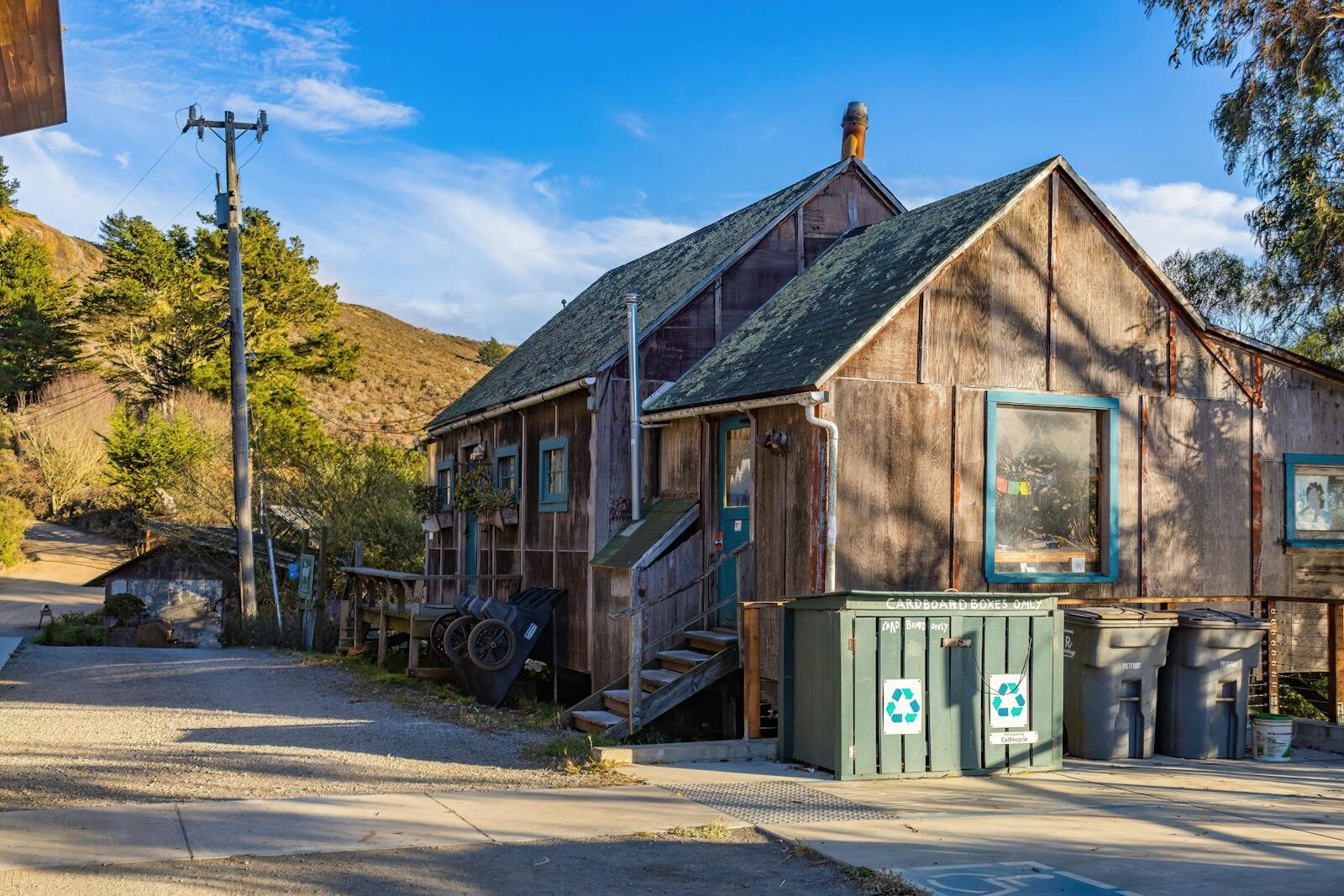
There’s something about a cabin that just gets under your skin. The smell of pine wood, the crackle of a fire on a cold mountain night, the feeling of stepping off the grid — even if just for the weekend. If you’ve been thinking about buying a cabin, 2026 might be the best year yet to stop dreaming and start searching.
Whether you’re picturing a rustic log retreat in the Smokies, a lakefront hideaway in Michigan, or a snow-load-rated mountain cabin in Montana, the U.S. cabin market in 2026 is full of opportunity — if you know where to look and what to expect.
This guide walks you through everything: where the best cabins are being listed, what you should budget, how to finance your purchase, what to inspect before you close, and how to avoid the mistakes that trip up first-time cabin buyers.
The 2026 Cabin Market: What’s Happening Right Now
The demand for cabins and rural retreats hasn’t cooled off. If anything, the shift toward intentional, nature-based living has become more entrenched since the pandemic years.
According to current data from LandSearch, there are over 5,600 cabins with land actively listed for sale across the United States, with an average listing price of around $972,500 — though that number skews high due to luxury mountain estates. Affordable options exist well below that figure, especially in emerging markets.
The prefab and modular cabin segment is booming. U.S. prefab cabin sales surged 22% year-over-year in 2025, with more than 47,000 units delivered — nearly double the volume of five years ago. This isn’t just a trend driven by aesthetics; it reflects real demand for turnkey, code-compliant structures that blend sustainability, speed of build, and lifestyle appeal.
Log cabins remain especially popular in states like Alaska, Arkansas, Kentucky, Montana, Pennsylvania, West Virginia, and Wyoming — regions where mountainous terrain and rural charm are baked into the culture. If you’re drawn to those states, you’re in good company.
Best States to Buy a Cabin in 2026
Not all cabin markets are created equal. Here’s a breakdown of the top regions where buyers are finding the best mix of affordability, outdoor access, and long-term investment potential.
West Virginia: The Hidden Gem of Affordable Cabin Living
West Virginia tops nearly every affordability list heading into 2026. With a projected median home price around $249,000, it offers some of the most accessible entry points for cabin buyers in the entire country. The Appalachian Mountains provide dramatic scenery, excellent hiking, and a peaceful pace of life that’s hard to replicate. If you’re dreaming of a cozy log cabin surrounded by hardwood forest without taking out a seven-figure mortgage, West Virginia deserves serious consideration.
Davis, WV in particular has emerged as an affordable mountain alternative to overpriced resort towns, with cabin properties and land available at prices far below comparable listings in New England or Colorado.
Montana: Mountain Living Without the Aspen Price Tag
Montana continues to attract buyers who want wide-open space, dramatic mountain scenery, and access to world-class outdoor recreation — skiing, fly fishing, hiking, and hunting. Anaconda, Montana is one of the standout towns in 2026, with real estate data showing homes and land parcels in the $200,000–$300,000 range. Steel-framed, snow-load-rated cabin models designed for 120+ psf ground snow loads represent 44% of Mountain West cabin sales in Q1 2026 — a sign that builders and buyers alike are taking the region’s winters seriously.
Michigan: Great Lakes Access at Midwest Prices
Michigan offers something few states can match: stunning Great Lakes coastlines, charming lakeside towns, and home prices that remain accessible. With a projected median price around $249,000, the state draws buyers looking for waterfront cabin properties. Ironwood, in the Upper Peninsula, is a notable spot — you can find land parcels near Lake Superior, including 20-acre wooded lots, for around $65,000.
Tennessee and North Carolina: Year-Round Income Potential
If you’re thinking about buying a cabin that also generates rental income, the Great Smoky Mountains region is hard to beat. Asheville, NC in particular offers a median vacation rental property revenue of around $29,942 annually, with median sale prices around $439,145. Both Tennessee and North Carolina benefit from massive year-round tourism, meaning your cabin can work for you even when you’re not in it.
Vermont: Four-Season Investment in New England
Vermont’s cabin market remains competitive, driven by steady ski tourism and a growing four-season appeal. The state has established itself as one of the top vacation home markets in the northeastern U.S., with strong occupancy rates and long-term appreciation potential in mountain towns and lakefront communities alike.
How Much Does a Cabin Cost in 2026?
Cabin prices vary enormously based on size, location, condition, and amenities. Here’s a realistic breakdown:
- Budget cabins (under $150,000): Older structures in rural Midwest or Appalachian markets; may require significant renovation
- Mid-range cabins ($150,000–$400,000): The sweet spot for most buyers — solid construction, some land, good access to outdoor recreation
- Premium cabins ($400,000–$800,000): Larger footprints, lakefront or ski-adjacent locations, updated interiors
- Luxury mountain retreats ($800,000+): High-end finishes, significant acreage, views-first positioning
The 30-year fixed mortgage rate was sitting at approximately 6.30% at the end of April 2026. That’s worth factoring into your monthly budget calculations before you fall in love with a listing.
If you’re open to a prefab or modular cabin, costs can come in significantly lower than site-built equivalents, with faster timelines and more predictable pricing.
Types of Cabins for Sale: Know What You’re Buying
Before you start scrolling listings, it helps to understand the different types of cabin properties on the market — because they come with different maintenance needs, financing options, and resale considerations.
Log Cabins: The classic. Built from stacked logs, they’re beloved for their aesthetics and insulation properties. They also require specific maintenance — re-staining, chinking, and checking for moisture intrusion and rot. When you’re buying a log cabin, the logs themselves are both structural and visible, so their condition matters enormously.
A-Frame Cabins: Characterized by their steep, triangular rooflines, A-frames have had a major design comeback. They’re popular in mountain and lakefront settings and tend to photograph beautifully — which makes them strong short-term rental candidates.
Prefab and Modular Cabins: Factory-built components assembled on-site. Modern prefab cabins have come a long way in terms of quality and design. They offer faster build times, consistent quality control, and are increasingly available in designs optimized for specific regional climates.
Rustic Retreats vs. Modern Cabins: There’s a wide spectrum between a true off-grid hunting cabin and a modern mountain home with smart home tech, radiant floor heating, and designer kitchen. Know which end of the spectrum you’re after before you start comparing listings.
Financing Your Cabin Purchase: What You Need to Know
Cabin financing works differently than buying a primary residence, and many buyers are caught off guard. Here’s what to expect.
Many cabins can be financed with a conventional mortgage, but lenders will assess whether the property is classified as a primary home, a vacation/second home, or an investment property — and each classification comes with different down payment requirements and interest rates.
If the cabin lacks a permanent foundation, is off-grid, or doesn’t meet minimum size requirements, standard mortgage products may not apply. In those cases, buyers often look at:
- USDA Rural Development loans for eligible rural properties
- Portfolio loans from community banks familiar with rural real estate
- Home equity loans or HELOCs if you’re already a homeowner with equity to leverage
- Owner financing in cases where the seller is willing to hold the note
One important detail for construction loans: log cabin construction loans often take significantly longer than conventional home construction loans. A longer build time exposes the project to greater risks including material cost changes and labor fluctuations. Work with a lender who has specific experience in rural and cabin financing — not just a generalist mortgage broker.
For more guidance on mortgage options and loan types, the Consumer Financial Protection Bureau (CFPB) offers a comprehensive, unbiased resource that walks you through the entire home financing process.
What to Inspect Before You Buy: The Cabin Due Diligence Checklist
Cabins have a romantic image — but they also have specific vulnerabilities that a standard suburban home inspection won’t always catch. Before you close on any cabin property, make sure the following have been checked:
Structural and Foundation Issues
- Condition of the foundation or pier system (many older cabins sit on piers, not slabs)
- Evidence of settling, shifting, or water damage in the basement or crawl space
Log and Wood Integrity (for log cabins specifically)
- Check for rot, insect damage (particularly carpenter ants and wood-boring beetles), and cracked chinking
- Inspect after any significant rain or snow — moisture is the number one enemy of log construction
Roof
- Age and condition of roofing materials
- Ice damming history in northern climates
- Chimney condition and flashing
Water and Septic Systems
- Well water quality test — not just pressure, but contamination screening
- Septic system inspection and pumping history — this is non-negotiable
- Condition of pipes for winterization if the cabin sits unoccupied for stretches
Access and Infrastructure
- Road access year-round vs. seasonal only
- Cell coverage and internet availability if you plan to work remotely
- Utility hookups or off-grid power systems
Zoning and Permitting
- Confirm the property is zoned for your intended use (short-term rental regulations vary widely by county)
- Verify that any additions or structures were permitted
According to data from HomeAdvisor, home inspections nationally average around $343, with most buyers paying between $296 and $424. For cabins, budget toward the higher end and add specialized inspections for septic, well water, and radon. In 2025, 46% of buyers used inspection results to negotiate repairs or credits — and the average buyer negotiated $14,000 off the purchase price using inspection findings. That makes a thorough inspection one of the best investments you’ll make in the entire buying process.
Short-Term Rental Potential: Should You Airbnb Your Cabin?
One of the most common questions among cabin buyers in 2026 is whether the property can generate income as a vacation rental. The short answer: often yes — but with caveats.
Markets like the Smoky Mountains (Tennessee/North Carolina), Vermont ski towns, the Pocono Mountains in Pennsylvania, and the lake towns of Wisconsin have established, year-round demand from travelers who strongly prefer private cabins over hotel stays. Privacy, fireplaces, hot tubs, and outdoor experiences continue to drive bookings.
That said, short-term rental regulations have tightened considerably in many counties. Before you buy with rental income in mind, verify:
- Whether the county or HOA permits short-term rentals on the property
- What permits or licenses are required (state and county levels both matter)
- Local occupancy tax requirements
A cabin that looks like a great Airbnb on paper can quickly become a headache if local ordinances restrict or prohibit short-term rentals. Do this research before you make an offer, not after.
Tips for Finding Cabins for Sale in 2026
The cabin search looks a little different than searching for a suburban home. Here’s how to approach it effectively:
Use specialized listing platforms. General portals like Zillow and Realtor.com are useful, but platforms like LandSearch, Land and Farm, and Lands of America cater specifically to rural properties and often have more complete cabin and acreage listings.
Work with a local real estate agent. A buyer’s agent who specializes in rural and recreational properties in your target region is invaluable. They know the zoning quirks, the access issues, the seasonal road conditions, and which listings are fairly priced versus overcooked.
Be flexible on timing. Cabin listings tend to pick up in late winter and spring as sellers prepare for the warmer months. If you’re looking in ski country, you may find more motivated sellers in late spring after the ski season ends.
Think about resale and rental at the same time. Even if you plan to keep the cabin forever, buy with an eye toward what makes it desirable to future buyers: lake or river access, proximity to a ski resort or national park, and year-round road access all add lasting value.
Get preapproved before you start serious shopping. In today’s market, sellers expect preapproval letters with every serious offer. Having yours ready means you can move fast when the right property comes along.
Common Mistakes First-Time Cabin Buyers Make
Knowing what to avoid is just as valuable as knowing what to look for.
Underestimating maintenance costs. Cabins require more ongoing upkeep than a standard home — especially log cabins, which need regular staining, chinking inspections, and pest monitoring. Budget 1–2% of the purchase price annually for maintenance.
Ignoring seasonal access. Some of the most scenic cabin properties are only accessible via roads that become impassable in winter or after heavy rain. If you’re planning year-round use, confirm that road access is reliable in all seasons.
Skipping the septic inspection. This is the single most common expensive surprise for cabin buyers. A failed septic system can cost $15,000–$50,000 to replace. Always inspect it.
Not checking zoning before making a rental plan. County zoning regulations and HOA rules can completely invalidate a rental income strategy. Research this before you fall in love with a property.
Assuming “prefab” means universal compliance. If you’re buying or building a prefab cabin, verify that your chosen model has state-specific building code evaluations — and confirm those reports cover your county’s specific wind, seismic, and energy code amendments.
Is Buying a Cabin in 2026 a Good Investment?
The honest answer is: it depends on what you mean by “investment.”
If you’re buying primarily for personal use and lifestyle enjoyment, the math is straightforward — you’re trading dollars for a place that brings you genuine joy, and that has real value even if it doesn’t pencil out on a spreadsheet.
If you’re buying with rental income in mind, the numbers can work well in the right markets — but it takes careful location selection, an honest assessment of seasonal demand, and a realistic picture of operating costs (management fees, cleaning, furnishing, insurance, and maintenance all add up).
What’s clear is that the underlying demand for private, nature-adjacent retreats isn’t going away. Travelers consistently prefer the privacy and experience of a cabin over a hotel room. Remote and hybrid work has made location flexibility a permanent feature of many people’s lives. And land — especially scenic, recreational land — remains a finite resource.
If you find the right property at a price that makes sense, a cabin purchased in 2026 could very well become one of the most meaningful assets you ever own — measured in memories as much as in dollars.
Final Thoughts: Start the Search with Clarity
Buying a cabin is one of the most personal real estate decisions you can make. Unlike buying a primary home driven by school districts and commute times, a cabin purchase is driven by vision — your vision of what the good life looks like.
Take that vision seriously. Know your target region. Understand the market. Get your financing in order. And when you find the right place — the one where you can picture yourself sitting on the porch with a cup of coffee watching the sun come up over the ridge — move with confidence.
Your dream cabin in 2026 is out there. Go find it.
Related Reading: How to Choose the Right Property Type for Your Lifestyle