

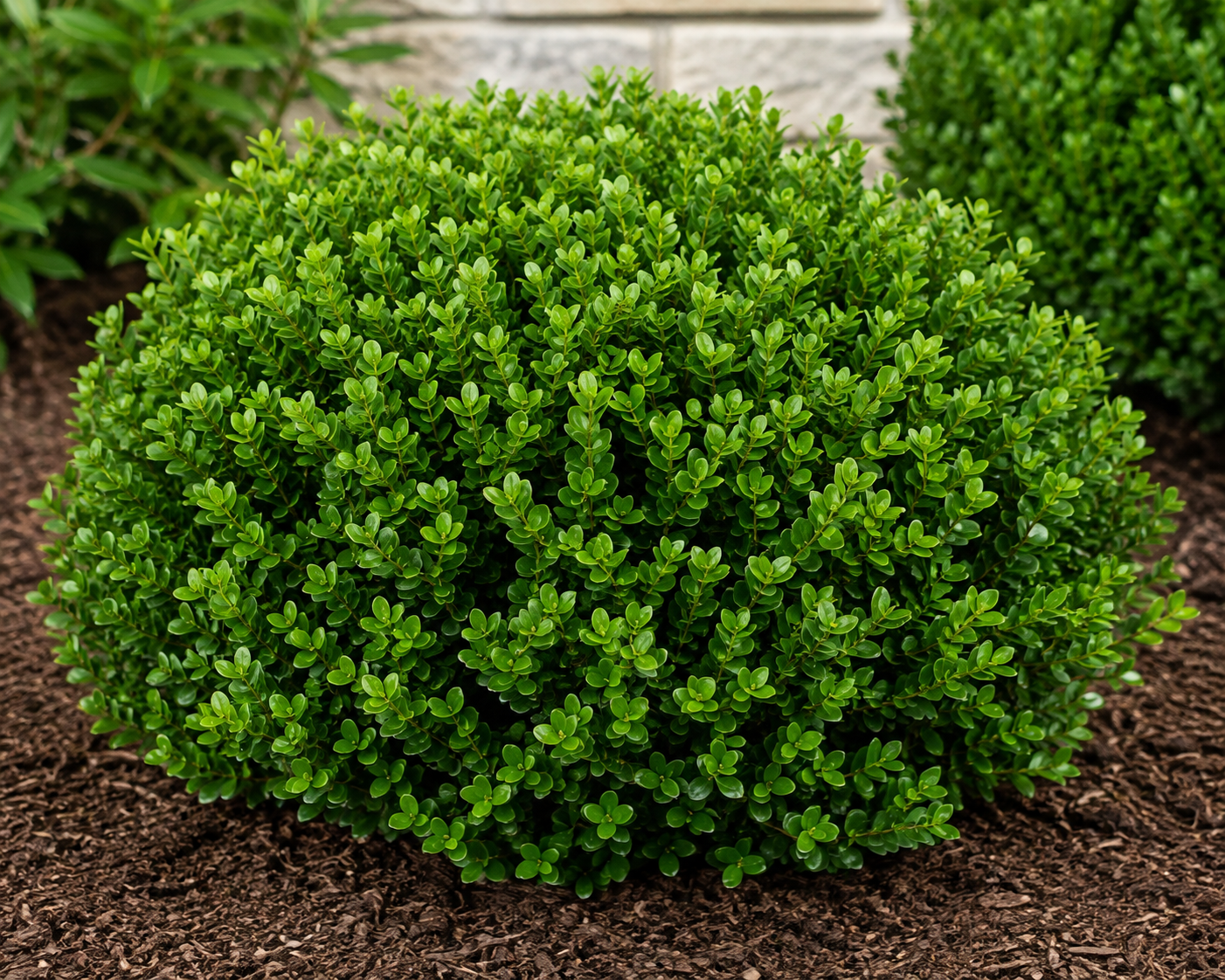
Have you driven past a formal garden with neat, cone-shaped evergreens lining a walkway? There is a good chance you were looking at Green Mountain Boxwood. This cultivar has become one of the most requested landscape shrubs in the US. It earns that popularity honestly. It holds a naturally upright, pyramidal shape without constant pruning. It stays green through winter. And it tolerates a genuinely wide range of climates.
This guide covers everything you need to grow Green Mountain Boxwood successfully. We will walk through light, water, soil, and pruning. We will also cover pests and disease honestly. That includes a detail many retailers gloss over, since this plant is not quite as trouble-free as some marketing suggests.
What Is Green Mountain Boxwood?
Green Mountain Boxwood, botanically Buxus ‘Green Mountain’, was developed at Sheridan Nurseries in Canada during the mid-1960s. It is a hybrid between two boxwood species. Breeders selected it specifically for cold hardiness and a naturally dense, conical growth habit. That natural cone shape is its signature feature. Many boxwoods need frequent shearing to hold a formal shape. Green Mountain fills out into a tidy pyramid largely on its own.
Mature plants typically reach 4 to 5 feet tall and 2 to 3 feet wide. Growth stays slow and controlled throughout the plant’s life. That slow growth rate is actually an advantage for most homeowners. It means less frequent pruning. It also means a shrub that holds its intended shape for years without getting away from you.
Where Does Green Mountain Boxwood Grow Best?
This cultivar is hardy across USDA zones 4 through 9. That range covers most of the continental United States. It stretches from cold Minnesota winters to humid Southeastern summers, which makes it one of the more versatile boxwood options on the market.
Regional considerations still matter, though. In the Upper Midwest and Northeast, winters bring sustained freezing temperatures and drying winds. Sheltered planting sites help prevent winter bronzing and leaf desiccation in these areas. In the Southeast and Gulf Coast, summer humidity runs high. Good air circulation becomes more important here, since dense, humid conditions favor fungal disease.
Light Requirements
Green Mountain Boxwood tolerates a wide range of light conditions, from full sun to fairly heavy shade. That said, the ideal spot gets partial shade with morning sun and some afternoon protection, especially in warmer climates. Morning sun encourages dense, healthy foliage. It also avoids the scorching risk that intense afternoon sun can bring.
In colder northern climates, more sun exposure is generally fine. It can even help maintain denser growth. In hot Southern regions, though, some afternoon shade helps prevent leaf scorch. It also keeps foliage from turning a dull, bleached green during peak summer heat.
Soil and Planting
Well-drained soil matters more than any other single factor in this plant’s long-term health. Green Mountain Boxwood tolerates a wide range of soil types, including clay, loam, and sandy soil. Standing water at the roots, though, quickly leads to root rot. If your yard has heavy clay, consider amending the planting area. A slightly raised bed can also improve drainage.
This plant has shallow roots. Avoid cultivating or digging near the base once it is established. Mulch instead. Use a 2 to 3-inch layer of organic mulch, kept a few inches away from the trunk itself. This helps regulate soil temperature and conserve moisture without smothering the roots.
When planting, dig a hole roughly as deep as the root ball. Make it about three times as wide. This gives roots room to spread outward into loosened soil. That spread speeds up establishment considerably compared to a narrow planting hole.
Watering Green Mountain Boxwood
New plantings need consistent, deep watering to establish a strong root system. Water deeply twice a week during the first growing season. Avoid frequent light sprinkles. Shallow, frequent watering actually encourages shallow root growth. That leaves the plant more vulnerable to drought stress later on.
Once established, Green Mountain Boxwood becomes moderately drought-tolerant. Even so, it performs best with consistent moisture, particularly during extended dry spells. A weekly deep watering during dry summer periods keeps foliage looking full and vibrant, rather than dull or stressed.
Winter watering matters too, especially in regions with dry winters. Boxwoods lose moisture through their leaves year-round, even during dormancy. So occasional winter watering during dry spells helps prevent the bronzing and desiccation that cold winds can cause.
Fertilizing
Apply a balanced, slow-release fertilizer in early spring, just as new growth begins. This gives the plant the nutrients it needs to support healthy foliage through the growing season. Avoid over-fertilizing. Excess nitrogen pushes rapid, weak growth. That growth can actually detract from the plant’s naturally dense, compact form.
Most established Green Mountain Boxwoods need only one feeding per year. Additional fertilizer rarely improves results. It can sometimes cause more harm than good, particularly if it encourages tender new growth right before a cold snap.
Pruning Green Mountain Boxwood
One of the biggest advantages of this cultivar is how little pruning it actually needs. Its naturally conical shape develops largely on its own. Most pruning is simply light shaping or the removal of dead and damaged branches.
If you do prune, timing matters. Avoid pruning too early in spring. Early pruning stimulates tender new growth that a late frost can easily damage. Light pruning throughout the growing season works well for maintaining shape. Save more thorough shaping for late winter or very early spring, once the risk of hard frost has passed. That timing works best for larger structural changes.
Thin the interior of the plant occasionally to improve air circulation. Dense, unthinned boxwoods are more prone to fungal issues. Airflow through the foliage helps leaves dry out after rain or humid weather.
Pests and Diseases: What Retailers Don’t Always Tell You
Many retail listings market Green Mountain Boxwood as pest and disease resistant. That claim deserves a closer look. According to the NC State Extension Gardener Plant Toolbox, Green Mountain is actually moderately susceptible to boxwood blight. This serious fungal disease has damaged boxwood plantings across much of the eastern United States in recent years. Green Mountain is also known to be susceptible to boxwood leafminer, one of the most common and damaging boxwood pests. This pest hits hardest in the Mid-Atlantic, Northeast, and Midwest.
Boxwood blight spreads rapidly in warm, wet conditions and can kill infected plants. Watch for dark leaf spots, black streaking on stems, and rapid defoliation. If you suspect blight, remove and destroy affected material immediately. Disinfect any tools used on the plant before working on healthy boxwoods nearby. The fungus spreads easily on tools, hands, and even clothing.
Boxwood leafminer causes blistered, discolored leaves. Over several seasons, it can noticeably thin out an infested plant. Adults emerge in mid-spring. Pruning out infested tip growth before emergence can help reduce populations. Severe infestations sometimes warrant a targeted insecticide application, timed to catch adults before they lay eggs.
If disease pressure is a significant concern in your region, look into the newer NewGen Boxwood series. Breeders developed these cultivars specifically for improved resistance to both blight and leafminer. That said, most home gardeners still grow Green Mountain successfully for many years. Reasonable prevention and prompt attention to early symptoms go a long way.
Winter Care
Winter wind and sun exposure can cause foliage to bronze or turn an orange-brown color, particularly in exposed, windy sites. This bronzing is usually cosmetic rather than a sign of serious damage. The plant typically greens back up once warmer weather returns. Still, a sheltered planting location noticeably reduces this issue in regions with harsh winters.
For newly planted boxwoods facing their first winter, a burlap wind barrier offers meaningful protection while roots are still establishing. Once the plant is well-rooted, usually after the first full growing season, additional winter protection generally becomes unnecessary in most zones within its hardiness range.
Companion Planting Ideas
Green Mountain Boxwood pairs naturally with a wide range of perennials and other shrubs, thanks to its neutral green color and structured shape. Boxwood works especially well as a backdrop for flowering plants, since its dense evergreen form makes bright blooms stand out more clearly by contrast. Popular pairings include hydrangeas, roses, and salvia, all of which bring seasonal color against the boxwood’s steady green structure.
For a more formal garden design, consider lining a pathway with evenly spaced Green Mountain specimens, then filling the beds behind them with lower-growing groundcovers or seasonal annuals. This layered approach creates visual depth without competing with the boxwood’s clean, architectural lines.
In mixed borders, Green Mountain also works well alongside ornamental grasses. The contrast between the boxwood’s dense, solid form and the airy movement of grasses like feather reed grass or fountain grass creates textural interest throughout the growing season, and the boxwood continues providing structure even after the grasses die back for winter.
Landscape Uses for Green Mountain Boxwood
Its naturally upright, conical form makes Green Mountain a popular choice for formal hedges, foundation plantings, and topiary work. It holds its shape with minimal shearing. That makes it especially well suited for homeowners who want a structured look without frequent maintenance.
It also performs well as a standalone specimen or in symmetrical pairs flanking an entryway or walkway. Its slow, controlled growth rate keeps it proportional to its planting location for years. It will not quickly outgrow its space the way faster-growing shrubs often do.
Comparing Green Mountain to Other Popular Boxwood Cultivars
Homeowners often compare Green Mountain against other well-known cultivars like Green Velvet and Winter Gem. Green Velvet stays lower and more rounded, generally reaching just 2 to 4 feet tall, which suits low borders and edging better than a formal cone shape. Winter Gem holds its green color slightly better through harsh winters, though it grows a bit more loosely than Green Mountain’s tight, structured form.
If disease resistance is your top priority, the NewGen series, including cultivars like NewGen Freedom, offers a similar upright silhouette with meaningfully better resistance to both blight and leafminer. The tradeoff is availability. NewGen cultivars can be harder to find at general garden centers compared to the widely stocked Green Mountain.
What Does Green Mountain Boxwood Cost in 2026?
Pricing varies by container size and retailer. Smaller plants in 1 to 3-gallon containers typically run $30 to $60. Prices fluctuate based on seasonal sales and regional availability. Larger, more established plants, measured by height rather than container size, cost significantly more. Expect $75 for smaller specimens, ranging up to $200 or more for larger, landscape-ready plants in the 30 to 36-inch range.
Buying smaller plants and letting them grow into their mature size costs considerably less than purchasing large, established specimens. This approach does require more patience, though, given this cultivar’s naturally slow growth rate. For formal hedge plantings that need uniform size and shape, it is often worth paying a premium for matched, nursery-grown plants rather than mixing sizes from different sources.
For more on comparing Green Mountain against other popular boxwood cultivars, including blight-resistant options, see our full boxwood varieties comparison guide. It breaks down several cultivars side by side.
Final Thoughts
Green Mountain Boxwood remains a genuinely excellent choice for gardeners who want structure, year-round greenery, and a naturally tidy shape without constant maintenance. Give it well-drained soil and consistent watering during establishment. Stay a little vigilant around leafminer and blight. Do that, and this cultivar will reward you with reliable, elegant structure in your landscape for many years.
Frequently Asked Questions
How fast does Green Mountain Boxwood grow?
Green Mountain Boxwood is a slow grower, typically adding just a few inches per year. It generally takes several years to reach its mature size of 4 to 5 feet tall and 2 to 3 feet wide.
Is Green Mountain Boxwood resistant to boxwood blight?
No, despite some marketing claims. Green Mountain is considered moderately susceptible to boxwood blight. Good air circulation, proper drainage, and prompt removal of infected material help reduce risk significantly.
What zones can Green Mountain Boxwood grow in?
This cultivar is hardy in USDA zones 4 through 9. That makes it suitable for most of the continental United States, from cold northern winters to humid Southern summers.
How much sun does Green Mountain Boxwood need?
It tolerates full sun to fairly heavy shade. It performs best with partial shade, though, especially morning sun with some afternoon protection in hotter climates.
Why is my Green Mountain Boxwood turning orange or bronze in winter?
Winter bronzing usually results from cold wind and sun exposure drying out the foliage. It is typically cosmetic. The plant generally greens back up once warmer weather returns in spring.
How often should I water an established Green Mountain Boxwood?
Once established, water deeply about once a week during dry periods. New plantings need more frequent deep watering, roughly twice weekly, during their first growing season.
Does Green Mountain Boxwood need a lot of pruning?
No. Its naturally conical shape develops largely on its own. Most pruning involves light shaping or removing dead and damaged branches rather than heavy structural cuts.
How much does a Green Mountain Boxwood cost?
Smaller plants in 1 to 3-gallon containers generally run $30 to $60. Larger, more established plants can cost $75 to $200 or more, depending on height and how the plant is sized at the nursery.