

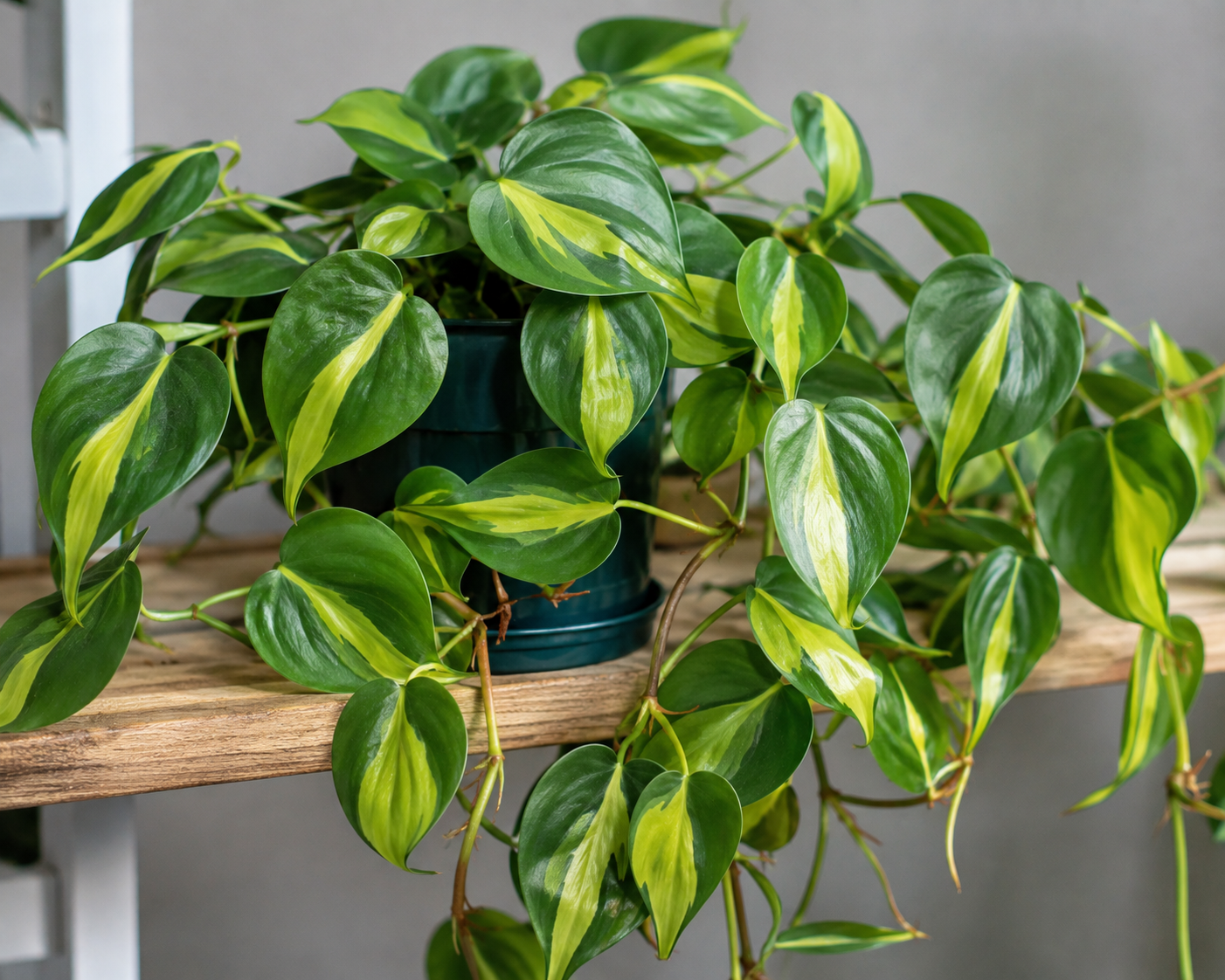
If you’ve scrolled past a plant with heart-shaped leaves striped in lime, cream, and forest green, you’ve probably met Philodendron Brasil. It’s one of the most photographed houseplants in the United States right now. And honestly, it earns the attention. But here’s the thing most product listings won’t tell you: this plant’s stunning color depends almost entirely on how much light it gets. Skip that detail, and your Brasil slowly fades. Within a few months, it can turn into a plain green vine.
I’ve grown Philodendron Brasil in three very different homes over the years. First, a humid apartment in Florida. Then, a dry high-rise in Denver. Now, a plant room in the Midwest with mixed natural and grow-light exposure. Each setup taught me something the generic care tags never mention. This guide pulls all of that together. It’s updated with the latest growing recommendations for 2026, so you can keep your Brasil thriving instead of just surviving.
Quick Care Summary
- Light: Bright, indirect light — 3-5 feet from an east or west window
- Water: Let top half of soil dry between waterings, roughly weekly
- Soil: Chunky aroid mix — orchid bark, perlite, and potting soil
- Humidity: 40-60%, though it tolerates average home humidity
- Temperature: 65-80°F, no cold drafts
What Is Philodendron Brasil, Exactly?
Philodendron Brasil is botanically known as Philodendron hederaceum ‘Brasil’. It’s a variegated cultivar of the classic Heartleaf Philodendron. The name comes from its coloring, which resembles the green and yellow of the Brazilian flag. It’s a vining, hemiepiphytic plant. That means in its native Central and South American habitat, it climbs trees rather than growing strictly in soil.
Because of that climbing background, Brasil doesn’t need heavy, compacted potting mix. Instead, it prefers something loose and airy. It also needs quick drainage. Consequently, growers who use a chunky aroid blend tend to see faster growth. They also see fewer root problems than those using standard potting soil straight from the bag.
Despite its fancy appearance, Brasil is genuinely beginner-friendly. It tolerates inconsistent watering. It also handles average humidity and a bit of neglect just fine. That said, it’s not indestructible. A few care mistakes can quietly undo its good looks.
Why Light Is the Most Important Factor
Here’s the piece of the puzzle that trips up even experienced plant owners. Variegated leaves contain less chlorophyll than solid green ones. That’s because the cream and lime sections can’t photosynthesize efficiently. As a result, Brasil needs more light than a plain green philodendron. It needs that extra light to maintain both its color and its energy levels.
For best results, place your plant within three to five feet of an east- or west-facing window. If you want to get technical, aim for roughly 10,000 to 20,000 lux. That’s around 1,000 to 2,000 foot-candles. A free light meter app on your phone can help you check this. You won’t need to buy extra equipment.
If your Brasil isn’t getting enough light, you’ll usually notice it early. New leaves emerge smaller, and the variegation looks muddy. The vibrant contrast fades over time. In more severe cases, new growth reverts to solid green. When that happens, prune the all-green leaves back to the nearest node. Do this as soon as you notice it. Otherwise, the plant will often favor that faster-growing green foliage. Your variegation will gradually disappear as a result.
For homes with limited natural light, a simple LED grow light can help. This is especially true in northern states during winter. Position it above the plant, and you’ll often see a difference within a few weeks.
Watering: Less Frequent Than You Think
Philodendron Brasil is fairly drought-tolerant. In fact, overwatering is a far more common problem than underwatering. During the active growing season, water thoroughly once the top half of the soil has dried out. This season generally runs from spring through early fall. In many U.S. households, that works out to roughly once a week. However, homes with drier indoor air or more light may need slightly more frequent watering.
A helpful trick many growers rely on involves watching the leaves closely. It’s sometimes called the “Philodendron curl.” When the leaves start to curl slightly inward, that’s usually a signal. The plant is telling you it’s ready for a drink. Waiting for this visual cue tends to be more reliable than a rigid weekly schedule. After all, every home’s humidity and light levels are different.
Avoid letting the pot sit in standing water. Soggy soil is risky, especially combined with limited airflow. It’s one of the fastest ways to invite root rot. If your pot doesn’t have drainage holes, either drill some or repot into one that does. This single adjustment prevents more plant deaths than almost any other care change.
Soil and Potting Setup
Brasil naturally grows as a climbing plant rather than a strictly soil-bound one. Because of this, it appreciates a chunky, well-aerated mix. A blend of orchid bark, perlite, and a quality indoor potting soil works well. This holds true for most homes across the U.S., regardless of regional climate differences. Some growers also add sphagnum peat moss or coco coir. This adds extra water retention without compacting the mix.
If you’re repotting, choose a container only one size up from the current one. Philodendrons generally prefer being slightly snug in their pots. An oversized container can hold excess moisture longer than the roots need. That increases the risk of rot.
Humidity and Temperature
Brasil tolerates average indoor humidity better than many other variegated aroids. That’s part of why it’s such a popular pick for homes without a humidifier. Still, it grows faster in more humid conditions. It also produces larger, more vibrant leaves when humidity sits between 40 and 60 percent.
Some regions of the country are naturally drier, like the Southwest. Higher-altitude cities, such as Denver, face this too. Indoor heating in winter can pull humidity down significantly in these areas. If you notice browning leaf edges during colder months, try a few fixes. Group your Brasil with other houseplants, use a pebble tray, or run a small humidifier nearby.
Aim for a consistent temperature range between 65 and 80 degrees Fahrenheit. Brasil is native to tropical regions, so it doesn’t handle cold drafts well. Keep it away from drafty windows in winter. Also keep it away from air conditioning vents in summer. Sudden temperature swings stress the plant more than most people expect.
Fertilizing for Strong Growth
During the growing season, feed your Brasil monthly. Use a balanced, water-soluble liquid fertilizer diluted to half strength. Soilless or bark-heavy mixes drain nutrients faster than dense potting soil. Because of this, plants grown in chunkier blends typically need more consistent feeding to stay well-nourished.
Hold off on fertilizing in late fall and winter. Growth naturally slows down during these months. Feeding a dormant plant doesn’t speed things up. Instead, it can lead to salt buildup in the soil. Over time, that buildup may damage the roots.
Pruning and Propagation
Regular pruning keeps Philodendron Brasil bushy rather than long and leggy. Pinch back vines just above a leaf node whenever they start to look sparse. Use the cuttings to propagate new plants. This is also your main tool for preventing reversion. So don’t skip it if you notice solid green leaves appearing.
Propagation itself is refreshingly simple. That’s part of why Brasil has become such a popular plant to trade and gift. Take a stem cutting with at least one node. Place it in water or moist sphagnum moss. Roots typically appear within two to four weeks. Once roots reach about an inch long, transfer the cutting into your regular potting mix.
A Quick Note on Safety
Do you have pets or small children at home? If so, it’s worth knowing that Philodendron Brasil can be harmful. Like other members of the Araceae family, it contains calcium oxalate crystals. These crystals are toxic if chewed or ingested. According to the ASPCA’s Animal Poison Control resource, philodendrons can cause oral irritation in pets. They may also cause drooling and swallowing difficulty in dogs and cats. Placing the plant on a high shelf or in a hanging pot usually keeps curious pets away.
Common Problems and How to Fix Them
Yellow Leaves
Yellow leaves usually point to overwatering. A pot without proper drainage can also cause this issue. Let the soil dry out further between waterings. Also check that excess water isn’t pooling at the bottom.
Brown, Crispy Leaf Edges
Brown, crispy leaf edges are often a humidity issue. This is especially common during winter heating season across much of the U.S. Increasing humidity typically resolves this within a few weeks. Moving the plant away from heating vents can help too.
Leggy Growth with Widely Spaced Leaves
Leggy growth with widely spaced leaves means your Brasil isn’t getting enough light. Move it closer to a window, or add supplemental grow lighting. Follow up with a pruning session to encourage fuller growth.
Reverted, All-Green Leaves
Reverted, all-green leaves mean the plant is prioritizing energy-efficient growth. It’s choosing that over variegation. Prune these leaves promptly, and improve lighting conditions. This encourages colorful new growth going forward. Our White Wizard Philodendron guide covers the same reversion issue for another variegated aroid.
Where to Buy Philodendron Brasil in 2026
Availability has improved significantly over the past couple of years. Demand for variegated tropicals has grown across the U.S. Big-box retailers, local independent nurseries, and specialty plant shops now stock Brasil regularly. You’ll typically find it in 4-inch to 6-inch pots. Prices generally range from around $10 for a smaller starter plant. Fuller, established specimens can cost $30 or more. Costs vary by region and season, though.
If you’re new to variegated aroids in general, our 15 best pothos varieties guide is a good next stop for comparing similar trailing houseplants.
Final Thoughts
Philodendron Brasil earns its reputation as a nearly perfect beginner plant. But “beginner-friendly” doesn’t mean “hands-off.” Give it bright, indirect light. Let the soil dry appropriately between waterings. Prune away reverted leaves before they take over. Do that consistently, and you’ll see results. You’ll end up with long, trailing vines full of that unmistakable lime-and-green variegation. That’s exactly what made this plant so popular in the first place.
Every home is a little different. So don’t be afraid to adjust based on what your specific space and light conditions actually offer. Plants rarely follow instructions perfectly, and that’s okay. Pay attention to how yours responds. You’ll quickly learn to read its signals better than any guide could teach you.
Frequently Asked Questions
How often should I water Philodendron Brasil?
Most homes in the U.S. do well watering once a week during the growing season. This varies based on light, humidity, and pot size, though. A better rule of thumb is to water once the top half of the soil feels dry. Try to avoid following a strict calendar schedule.
Why is my Philodendron Brasil losing its variegation?
This usually happens due to insufficient light. The cream and lime sections of the leaves can’t photosynthesize as efficiently as green tissue. Because of this, low light causes the plant to favor solid green growth instead. Moving it closer to a bright window can help restore variegation. Pruning reverted leaves also helps over time.
Is Philodendron Brasil toxic to cats and dogs?
Yes. Like other philodendrons, it contains calcium oxalate crystals. These can irritate the mouth and throat if chewed. It’s best kept out of reach of pets and curious children.
Can Philodendron Brasil grow in low light?
It can survive in low light, but it won’t thrive there. Over time, low light leads to smaller leaves and leggy growth. It also causes fading variegation. For the best appearance, bright indirect light is strongly recommended.
What’s the best soil mix for Philodendron Brasil?
A chunky aroid mix works best. It typically combines orchid bark, perlite, and a quality potting soil. This setup mimics the plant’s natural climbing habitat. It also helps prevent overly wet, compacted roots.
How do I make my Philodendron Brasil bushier?
Regular pruning is the key. Pinch vines back just above a leaf node whenever they start looking sparse or leggy. Consider tucking a few cuttings back into the same pot, too. This creates a fuller look overall.
Why are the leaves on my Brasil turning brown at the edges?
This is often caused by low humidity. It happens most during winter months when indoor heating dries out the air. Grouping plants together can help with this. Using a humidifier or placing a pebble tray nearby works too.
How long does it take Philodendron Brasil to root in water?
Most cuttings develop visible roots within two to four weeks. This happens in water or moist sphagnum moss. Once roots reach about an inch in length, they’re ready to be potted in soil.
[…] If you’re shopping in person, check independent garden centers and greenhouses before big-box stores — angel wing begonias are often sold as smaller starter cuttings that are easier (and cheaper) to grow into a full specimen than buying a mature plant outright. For another statement houseplant with bold foliage, take a look at our Philodendron Brasil care guide. […]
[…] the infestation clears. These are the same pests that affect other tropical houseplants — see our Philodendron Brasil care guide for another common battle […]
[…] our Kimberly Fern care guide covers another humidity-loving fern with similar needs, and our Philodendron Brasil guide is a good low-light option beyond […]
[…] you’re just starting out, our Philodendron Brasil care guide and Angel Wing Begonia guide cover two other easy, colorful houseplants that pair beautifully with […]
[…] Thinking about expanding your indoor plant collection? Two easy-going options that pair well with a ZZ are the Jade Pothos and the Philodendron Brasil. […]