

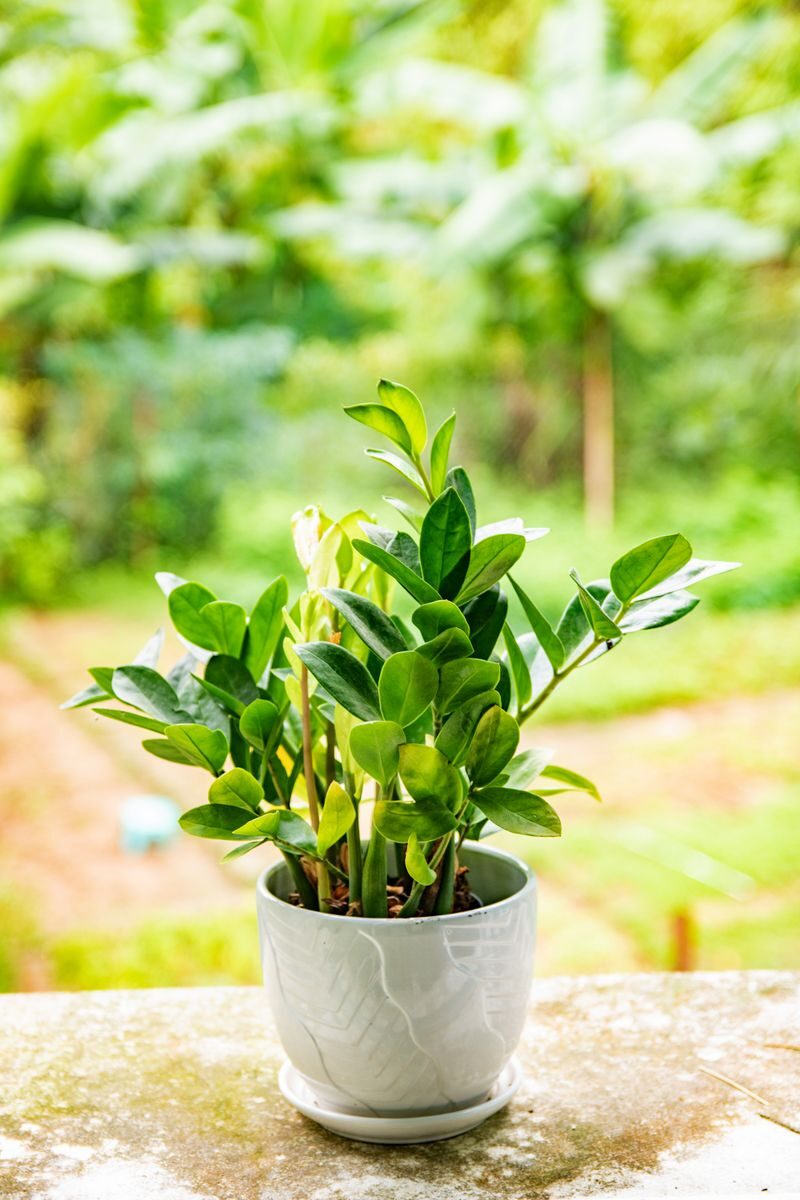
There’s a reason the ZZ plant has become one of the most popular houseplants across American homes over the past decade — and it’s not just because it looks good. The Zamioculcas zamiifolia is genuinely one of the most forgiving, adaptable, and low-maintenance plants you can bring indoors. It thrives in conditions that would kill most other houseplants, tolerates neglect with almost impressive grace, and rewards even minimal care with lush, glossy foliage.
That said, “low-maintenance” doesn’t mean “no-maintenance.” I’ve talked to experienced plant collectors, indoor garden specialists, and everyday plant parents across the US — from humid Houston apartments to dry Denver condos — and the same issues come up again and again. Overwatering. Wrong light. Wondering why those beautiful leaves are turning yellow.
This guide covers everything you need to know about ZZ plant care in 2026 — including updated insights on newer cultivars, soil science, and what the latest research says about keeping your plant genuinely thriving rather than just surviving.
What Is a ZZ Plant? A Quick Introduction
The ZZ plant (Zamioculcas zamiifolia) is native to Eastern Africa, specifically the dry grasslands and forests of Kenya, Tanzania, and Zimbabwe. It’s a member of the Araceae family — the same family that includes pothos, peace lilies, and philodendrons.
In its natural habitat, the ZZ plant survives long dry seasons by storing water in its thick rhizomes — potato-like underground structures that sit just beneath the soil surface. This adaptation is the key to understanding almost everything about how to care for it indoors. It’s essentially built to survive drought, which means the number one mistake most plant owners make is treating it like a plant that needs frequent watering.
The ZZ has been a staple of commercial spaces — offices, hotel lobbies, shopping centers — for decades, precisely because it tolerates low light and irregular watering. Over the past few years, though, it’s moved firmly into the home décor spotlight, partly driven by the rise of minimalist and biophilic interior design trends that favor bold, architectural foliage plants.
Popular ZZ Plant Varieties in 2026:
- Zamioculcas zamiifolia — the classic, with deep green glossy leaves
- ZZ Raven (Zamioculcas zamiifolia ‘Raven’) — near-black foliage that’s become extremely popular in modern interiors; new growth emerges bright green and darkens as it matures
- ZZ Zenzi — a compact dwarf variety, perfect for desks and small spaces; leaves are more tightly clustered and slightly curled
- ZZ Lucky Classic — a naturally compact form with a more symmetrical, bushy growth habit
- Variegated ZZ — rare, slow-growing, and increasingly sought after; features creamy white and green marbled foliage
ZZ Plant Care: The Complete Breakdown
Light Requirements
One of the ZZ plant’s greatest strengths is its adaptability to a wide range of light conditions. It can survive in low light — including office environments with only fluorescent lighting — but it genuinely thrives in bright, indirect light.
Ideal light: Bright, indirect light from a north- or east-facing window. An east-facing window that gets morning sun is close to perfect.
Acceptable: Medium indirect light — a few feet back from a south or west window, or behind a sheer curtain.
Tolerable: Low light — the plant will survive but grow very slowly and may lose some of its luster.
Avoid: Direct afternoon sun, especially through south- or west-facing windows in the summer. Prolonged direct sun bleaches the leaves and causes brown, crispy patches. This is a particular issue in high-sun states like Arizona, California, Nevada, and Texas.
A common misconception is that the ZZ plant actually prefers dark corners. It doesn’t — it merely tolerates them. If you want growth and healthy new fronds, give it as much indirect light as you reasonably can.
Watering: The Most Important Thing to Get Right
If there’s one thing that kills more ZZ plants than anything else, it’s overwatering. The rhizomes store water so efficiently that the plant can go weeks — sometimes months in winter — without needing a drink. When the soil stays wet too long, those rhizomes rot, and a rotting rhizome is very hard to come back from.
The golden rule: Water only when the top 2 to 3 inches of soil are completely dry. In most US homes, this works out to roughly every 2 to 3 weeks in the warmer months and every 4 to 6 weeks in winter.
How to water correctly: Water thoroughly until it drains freely from the bottom of the pot, then let the soil dry out fully before watering again. Never let the pot sit in standing water — empty saucers after watering.
Signs you’re overwatering: Yellowing leaves, soft mushy stems at the base, a soggy or sour-smelling soil.
Signs you’re underwatering: Wrinkled or shriveled stems, very slow growth, dry and brittle leaf tips — though underwatering is far less common a problem with ZZ plants than overwatering.
A soil moisture meter (widely available at US garden centers and on Amazon for $10–$20) takes the guesswork out entirely and is worth the investment if you tend to be an anxious waterer.
Soil and Potting Mix
The ZZ plant needs fast-draining soil that doesn’t hold moisture. Standard potting mix alone retains too much water and increases the risk of root and rhizome rot.
Best soil mix for ZZ plants in 2026:
A combination of:
- 50% well-draining potting mix (something like Miracle-Gro Indoor Potting Mix works as a base)
- 25% perlite (improves drainage and aeration)
- 25% coarse sand or pumice (further improves drainage)
This mix mimics the well-draining, slightly sandy soils of the ZZ’s native East African habitat. If you want a shortcut, several US brands now sell cactus and succulent mix that works very well for ZZ plants right out of the bag — just add a handful of extra perlite.
Repotting: ZZ plants grow slowly and prefer to be slightly root-bound. Repot every 2 to 3 years, or when you can see roots emerging from the drainage holes. Move up only one pot size at a time — going too large increases the risk of overwatering.
Temperature and Humidity
The ZZ plant is comfortable in the same temperature range that most Americans keep their homes — between 65°F and 85°F (18°C–29°C). It doesn’t like cold drafts, air conditioning vents blowing directly on it, or temperatures below 50°F.
Important for US homeowners: If you live in a cold-climate state like Minnesota, Wisconsin, or Michigan and tend to keep your home cool in winter, keep the ZZ away from drafty windows and exterior walls. A consistent temperature is more important than the specific number.
Humidity: The ZZ plant is not fussy about humidity. It tolerates the dry indoor air that comes with central heating in winter — a problem that stresses many tropical houseplants — without complaint. No misting, humidifier, or pebble tray required, though it will appreciate average to moderate humidity if available.
Fertilizing
ZZ plants are light feeders. In 2026, the standard recommendation from most plant specialists remains simple: a balanced, water-soluble fertilizer once a month during the active growing season (spring and summer), diluted to half the recommended strength.
Do not fertilize in fall and winter — the plant’s growth slows significantly and excess fertilizer salts can build up in the soil and damage the roots.
What to use: A balanced 10-10-10 or 20-20-20 liquid fertilizer works well. Brands like Espoma Organic Indoor Plant Food and Joyful Dirt are popular choices widely available at US garden centers and online.
Signs of over-fertilizing: Brown leaf tips and edges, white crusty deposits on the soil surface. If you see these, flush the soil thoroughly with plain water to wash out excess salts.
Pruning and Grooming
The ZZ plant doesn’t require much pruning. Remove any yellow, brown, or damaged leaves at the base of the stem using clean, sharp scissors or pruning shears. This keeps the plant looking tidy and prevents any potential disease from spreading.
Wipe the leaves occasionally with a soft, damp cloth to remove dust — this isn’t just aesthetic. Dusty leaves absorb light less efficiently, so keeping them clean genuinely helps the plant photosynthesize more effectively.
Do not use leaf shine products on ZZ plants. The natural waxy coating on the leaves is part of the plant’s physiology, and commercial shine sprays can clog the leaf pores and cause long-term damage.
Common ZZ Plant Problems and How to Fix Them
Yellow Leaves
This is the most common complaint from ZZ plant owners, and it has three main causes:
Overwatering is the most frequent culprit. Check the soil — if it’s wet or even damp, ease off watering and let it dry completely.
Too little light can also cause yellowing over time, particularly if the plant is in a dark corner. Move it closer to a window.
Natural aging — the oldest, lowest leaves on the plant will yellow and drop off naturally as the plant produces new growth. One or two yellow leaves near the base is normal; widespread yellowing is not.
Brown Leaf Tips
Usually caused by one of three things: low humidity combined with dry indoor air (common in winter), fluoride in tap water, or over-fertilizing. Try switching to filtered or distilled water and ease back on fertilizer. Brown tips can also be trimmed off with clean scissors — cut at an angle to maintain the natural leaf shape.
Leggy or Stretched Growth
If your ZZ plant is producing long, stretched-out stems with wide gaps between leaves, it’s reaching for light. Move it to a brighter location. This is especially common in north-facing rooms or spaces far from any window.
Root and Rhizome Rot
This is the most serious ZZ plant problem and, unfortunately, the most common result of chronic overwatering. Signs include soft, blackened stems at the base, a foul smell from the soil, and a plant that looks wilted despite wet soil.
If you catch it early, unpot the plant, cut away all blackened and mushy rhizomes with a clean knife, dust the cut surfaces with activated charcoal or cinnamon (both have mild antifungal properties), and repot in fresh, well-draining soil. Let the plant dry out significantly before watering again.
Pests
ZZ plants are remarkably resistant to pests, but they’re not immune. The most common issues are:
Fungus gnats — tiny flies that breed in consistently moist soil. The fix is letting the soil dry out more thoroughly between waterings. Yellow sticky traps (available at most US garden centers) catch adults while you address the underlying moisture issue.
Mealybugs — white, cottony clusters typically found in leaf joints and along stems. Remove them with a cotton swab dipped in 70% isopropyl alcohol, then treat with neem oil spray.
Spider mites — more common in very dry indoor environments. Wipe leaves with a damp cloth and treat with insecticidal soap if needed.
Is the ZZ Plant Toxic?
Yes — this is important to know. The ZZ plant is toxic to humans, dogs, and cats. All parts of the plant contain calcium oxalate crystals, which cause irritation, burning, and swelling of the mouth and throat if ingested. Skin contact with the sap can cause irritation in some people, so wearing gloves when pruning or repotting is a good habit.
Keep the plant out of reach of children and pets. The ASPCA maintains a comprehensive list of plants toxic to animals — it’s an excellent resource if you share your home with cats or dogs and want to vet any new plant before bringing it home.
The ZZ plant is on this list as toxic, so placement matters. A high shelf, a hanging planter, or a room that pets don’t access are all good solutions if you love the plant but also have animals.
How to Propagate a ZZ Plant
Propagating ZZ plants is rewarding but requires patience — this is a slow grower. There are three main methods:
Stem cutting propagation is the most popular method. Cut a healthy stem at the base, let the cut end dry for a few hours (this prevents rot), then place it in a jar of water or directly into moist, well-draining soil. In water, you’ll start to see small rhizome formation in 4 to 8 weeks. Transfer to soil once rhizomes are visible and about an inch long.
Leaf cutting propagation works but is even slower — expect 3 to 6 months before you see meaningful growth. Remove a healthy leaf with its petiole (the small stalk attaching it to the stem), let it dry briefly, then insert the base into moist soil. Keep the soil barely moist and be patient.
Division is the fastest method if you have a mature plant with multiple stems. When repotting, gently separate the rhizome clumps and pot them independently. Each section with at least one healthy rhizome will grow into a new plant.
ZZ Plant in Your Home: Styling and Placement Ideas
Beyond care, the ZZ plant is genuinely one of the most versatile decorating tools in the houseplant world. Its upright, architectural form works in almost any interior style.
In small apartments: The Zenzi variety stays compact and works beautifully on a bookshelf or desk, adding greenery without overwhelming a small space.
In modern and minimalist interiors: The ZZ Raven, with its near-black foliage, pairs strikingly with white walls, concrete floors, and black metal accents — a look that’s been particularly popular in cities like Chicago, New York, and Los Angeles.
In offices and commercial spaces: The classic ZZ remains the go-to choice for reception areas, conference rooms, and office spaces across the US. It handles fluorescent lighting, inconsistent watering from weekend absences, and air conditioning without complaint.
As a statement plant: A large, mature ZZ plant — 3 to 4 feet tall — in a quality ceramic or terracotta pot can anchor a corner of a room the way a piece of sculpture would. Give it enough indirect light and it will hold that commanding presence for years.
Frequently Asked Questions
How often should I water my ZZ plant?
Every 2 to 3 weeks during spring and summer, and every 4 to 6 weeks in fall and winter. Always check that the top 2 to 3 inches of soil are dry before watering.
Can ZZ plants grow in low light?
Yes, but they grow very slowly and won’t look their best. They tolerate low light better than most houseplants, but they genuinely thrive in bright, indirect light.
Why are my ZZ plant leaves turning yellow?
The most common cause is overwatering. Let the soil dry out fully between waterings and make sure the pot has adequate drainage. Yellow lower leaves can also be a normal part of aging.
How fast does a ZZ plant grow?
Slowly. Under ideal conditions, you might expect 6 to 12 inches of new growth per year. This is a plant for patient people — but its longevity more than compensates.
Can I put my ZZ plant outside in summer?
Yes, in mild weather — it does well on a shaded porch or patio in summer across most of the US. Keep it out of direct sun and bring it back inside when temperatures drop below 60°F.
How big do ZZ plants get?
The standard Zamioculcas zamiifolia typically reaches 2 to 4 feet tall indoors. The Zenzi stays under 2 feet. With ideal conditions and a large pot, some specimens can reach 5 feet.
Final Thoughts: A Plant Worth the Long Game
The ZZ plant rewards patience and restraint more than almost any other houseplant. Water less than you think you need to. Give it as much indirect light as your space allows. Use fast-draining soil. Leave it alone the rest of the time.
Follow those basic principles and this plant will be with you for years — potentially decades. I’ve seen ZZ plants that are 15, even 20 years old, still producing glossy new growth in the same corner they’ve lived in since they were brought home as a small cutting.
For a plant this forgiving, this beautiful, and this adaptable to American indoor environments, that kind of longevity is a genuinely remarkable thing.
Thinking about expanding your indoor plant collection? Two easy-going options that pair well with a ZZ are the Jade Pothos and the Philodendron Brasil.
[…] you’re building out a broader low-light houseplant collection, our ZZ Plant guide covers another nearly indestructible option that pairs well with the care approach covered […]