

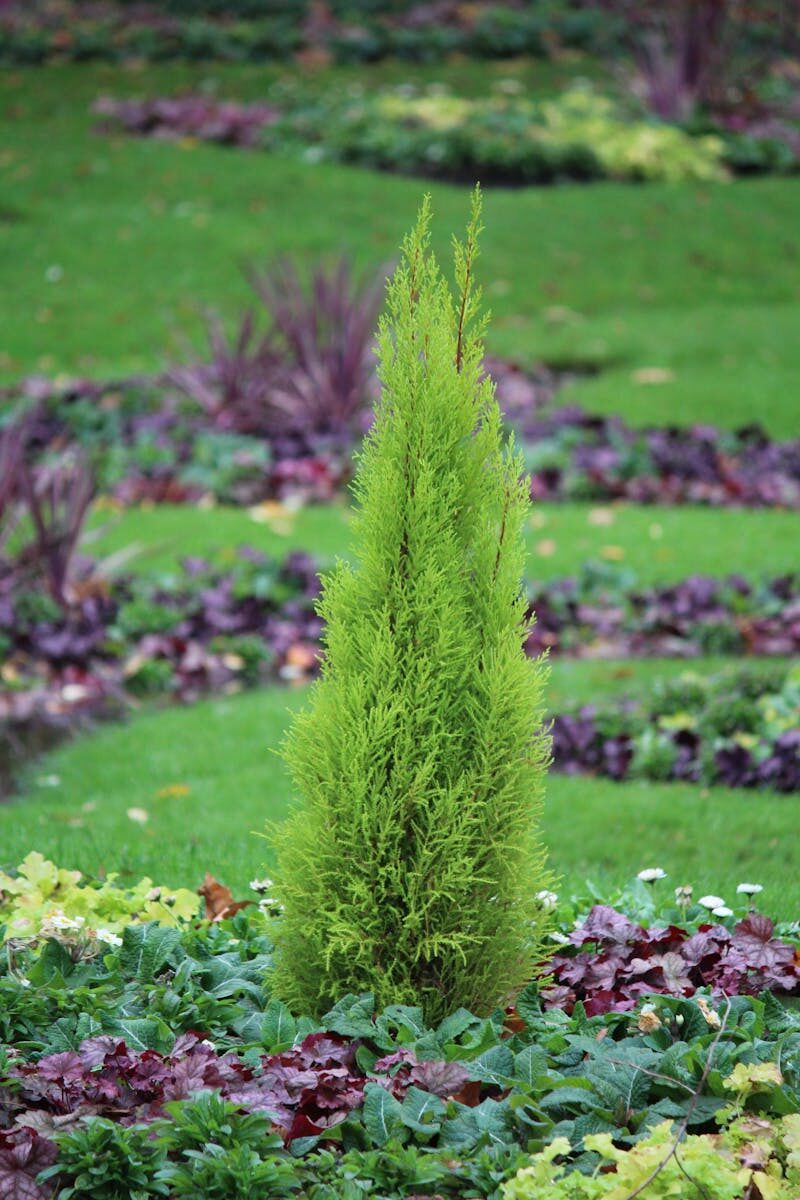
Walk past a lemon cypress tree and brush your hand lightly against its feathery branches. What you’ll notice immediately is a clean, bright citrus fragrance — not from fruit, not from essential oil, but from the tree itself. That singular quality is exactly why Cupressus macrocarpa ‘Goldcrest’ has earned a devoted following among gardeners, interior plant lovers, and homeowners across the United States.
Whether you’ve picked one up as a living holiday decoration, spotted it at your local nursery, or inherited one with a new home, the lemon cypress tree is one of those plants that rewards attentive care with years of vibrant color and personality. But like any plant, it has specific needs — and misunderstanding them is what leads most gardeners to accidentally lose a perfectly healthy tree within a few months.
This complete care guide covers everything you need to know about growing a lemon cypress tree successfully, whether it’s sitting on your windowsill in Seattle, growing in a container on a patio in Atlanta, or planted in a California backyard.
What Is the Lemon Cypress Tree? A Quick Overview
The lemon cypress tree (Cupressus macrocarpa ‘Goldcrest’) is a cultivar of the Monterey cypress, a species native to the central California coast. Its most recognizable traits are its bright golden-green, needle-like foliage; its naturally conical, upright growth habit; and the distinctive lemon scent it releases when its branches are touched or brushed.
The tree comes in two main forms that serve different purposes:
Standard Lemon Cypress (Cupressus macrocarpa ‘Goldcrest’): When grown outdoors in favorable conditions, this variety can reach up to 16 feet tall. It’s used as a landscape specimen tree, privacy screen accent, or container plant on large patios.
Dwarf Lemon Cypress (Cupressus macrocarpa ‘Goldcrest Wilma’): A more compact cultivar that typically stays under 3 feet, making it the ideal choice for indoor containers, tabletop arrangements, and small outdoor spaces.
Both varieties are evergreen, meaning they retain their foliage year-round — one of their most appealing traits for homeowners who want color and structure in the landscape regardless of season.
USDA Hardiness Zones: Lemon cypress is cold-hardy in USDA Zones 7–10, which covers much of the American South, the Pacific Coast, and parts of the Mid-Atlantic. Gardeners in colder zones (5 and 6) can still enjoy lemon cypress successfully in containers that are brought indoors during winter.
Lemon Cypress Tree Care: The Core Requirements
Understanding what a lemon cypress tree genuinely needs — versus what it merely tolerates — is the foundation of successful growing. Here’s a breakdown of each key care requirement.
Sunlight: The Non-Negotiable Requirement
Lemon cypress trees are sun-lovers. This isn’t a plant that adapts well to shade or indirect light — consistent, direct sun exposure is critical for maintaining the vibrant golden-green color that makes this tree so attractive.
Outdoors: Place your lemon cypress where it receives a minimum of 6 to 8 hours of direct sunlight daily. South or west-facing locations work best in most parts of the U.S. In particularly hot climates like Arizona, Nevada, or inland California, some afternoon shade during peak summer heat can prevent foliage scorch.
Indoors: Position the tree as close as possible to a south-facing window. East and west-facing windows may provide adequate light if they offer several hours of direct sun. Avoid north-facing windows entirely — the light level simply isn’t sufficient for long-term health. Rotating the pot a quarter turn weekly ensures all sides of the tree receive even light exposure and prevents the lopsided growth that’s common in indoor specimens.
One important note: lemon cypress trees sold as holiday or seasonal décor are often grown in greenhouse conditions, which means the foliage you see when you buy them may be especially bright and dense. As the tree adjusts to typical indoor light levels, it’s normal to see some slight changes in foliage density over the first few months. This isn’t a sign of poor health — it’s the plant acclimating to its new environment.
Watering: Finding the Right Balance
Watering is where most lemon cypress owners go wrong, and it’s the leading cause of tree decline. The challenge is that lemon cypress trees need consistent moisture — but they absolutely cannot tolerate waterlogged roots.
The basic rule: Water when the top 1 to 2 inches of soil feel dry to the touch. When you water, water thoroughly until moisture drains from the bottom of the container. Then allow the soil to partially dry before watering again.
Outdoors in the ground: Established trees are relatively drought-tolerant once their root systems are developed (typically after 1–2 growing seasons). During hot, dry summers — particularly in Southern states like Texas, Georgia, or the Carolinas — supplemental watering during extended dry spells prevents stress browning.
Indoors: Indoor trees dry out more slowly and are more vulnerable to overwatering. Err on the side of slightly drier rather than constantly wet. Check the soil every 3–4 days rather than watering on a fixed schedule, since seasonal changes in indoor temperature and light affect how quickly the soil dries.
Winter watering: In winter, both indoor and outdoor trees need significantly less water. Reduce frequency, but never allow the tree to dry out completely — lemon cypress does not recover easily from severe desiccation.
Signs of overwatering: Yellowing or mushy branch tips, a sour smell near the soil surface, and a general wilted appearance despite wet soil are classic overwatering indicators.
Signs of underwatering: Dry, brittle foliage that crumbles when touched, browning from the tips inward, and soil that pulls away from the container edges.
Soil: Drainage Is Everything
Lemon cypress trees require well-draining soil. This is especially critical for container-grown trees, where poor drainage leads almost inevitably to root rot — the single most common cause of lemon cypress death.
For container planting: Use a high-quality potting mix blended with 20–30% perlite or coarse sand to improve drainage. Ensure the container has adequate drainage holes, and never let the pot sit in a water-filled saucer for extended periods.
For in-ground planting: Lemon cypress performs best in loamy, slightly acidic to neutral soil (pH 5.5–7.0). In heavy clay soils — common throughout the Midwest and parts of the Southeast — amend with compost and coarse grit before planting, or build up a slightly raised planting area to improve drainage naturally.
Avoid compacted or waterlogged planting sites. If water pools in a location after rain, lemon cypress will not thrive there regardless of how attentively you care for it otherwise.
Temperature and Humidity
Lemon cypress trees are cool-season performers that prefer temperatures in the range of 50°F to 75°F (10°C to 24°C). They can tolerate light frost and brief temperature dips to around 5°F (-15°C), but prolonged hard freezes will damage or kill the tree.
Indoors: Keep the tree away from heating vents, radiators, and woodstoves. Forced hot air is one of the fastest ways to dry out and stress a lemon cypress. Temperatures in the low-to-mid 60s Fahrenheit during winter are actually ideal — a slightly cooler indoor environment mimics the tree’s natural seasonal preference.
Humidity: Moderate humidity is fine, but lemon cypress tolerates typical indoor conditions reasonably well. In very dry indoor environments — particularly in homes with forced-air heating during winter — occasional light misting of the foliage or placing a pebble tray filled with water beneath the container can help maintain adequate humidity around the plant.
Fertilizing: Less Is More
Lemon cypress trees are not heavy feeders, and over-fertilizing can cause more harm than under-fertilizing. A straightforward fertilizer routine is all that’s needed.
During the growing season (spring through early fall): Apply a balanced, slow-release granular fertilizer (10-10-10 or similar) once in early spring. Alternatively, use a diluted liquid fertilizer at half strength every two weeks during the active growing period.
During winter: Fertilizer application can be reduced to once a month at reduced concentration if the tree is indoors and still receiving good light. Outdoor trees in dormancy do not need fertilizing until spring.
Avoid high-nitrogen fertilizers that push excessive soft growth — this makes the tree more vulnerable to pest damage and cold injury.
Pruning: Maintaining That Perfect Cone Shape
One of the most appealing things about lemon cypress is its naturally conical growth habit, which requires relatively little intervention to maintain. Light pruning, done correctly, keeps the tree looking its best.
When to prune: Late winter to early spring — just before the new growing season begins — is the ideal time for shaping. You can also do light tidying throughout the growing season as needed.
How to prune: Use sharp, clean pruning shears and snip the tips of branches to encourage bushier, denser growth and maintain the conical outline. Never cut back into old wood (bare stems without foliage) — lemon cypress does not regenerate growth from bare wood the way many other plants do. Cutting into bare stems leaves permanent bare patches.
Keeping juvenile foliage: The bright chartreuse color that makes lemon cypress distinctive is actually characteristic of its juvenile growth stage. Regular, moderate pruning encourages the continuous production of this juvenile foliage.
Growing Lemon Cypress Indoors vs. Outdoors
Many Americans purchase lemon cypress trees as holiday decorations in November and December, intending to keep them as houseplants afterward. Here’s what you should know about both contexts.
As an Indoor Plant
Lemon cypress can live successfully indoors long-term, but it requires more attention than many other houseplants. The critical factors are: maximum sunlight exposure, avoiding heat sources, not overwatering, and maintaining reasonable humidity.
One of the most practical approaches for U.S. homeowners is to keep the tree indoors during winter months and move it outside to a partially sheltered, sunny patio or deck from late spring through early fall. This “best of both worlds” strategy gives the tree the outdoor light and air circulation it thrives on during warm months while protecting it from harsh winters.
As an Outdoor Landscape Tree
In USDA Zones 7–10 — which includes states like California, Oregon, Washington, Georgia, Florida, Texas, and parts of the Mid-Atlantic — lemon cypress can be grown outdoors year-round as a landscape plant. It works beautifully as a specimen tree, a container plant on patios and decks, a low-growing privacy accent, or as part of a formal garden design.
Common Problems: Troubleshooting Your Lemon Cypress
Even attentive gardeners occasionally encounter problems with lemon cypress. Here’s how to identify and address the most common issues.
Browning Foliage
Browning is the most frequently reported lemon cypress problem, and it can have several different causes:
- Overwatering/root rot: The most common cause overall. Accompanied by mushy growth, soil that stays wet for days, and a sour odor at the soil surface.
- Underwatering/drought stress: Foliage dries and crumbles, browning typically starts at branch tips and progresses inward.
- Low light indoors: Insufficient sunlight causes foliage to lose color and eventually decline.
- Wind damage: Exposed outdoor trees, particularly in coastal areas or open plains, can experience foliage desiccation from harsh, drying winds.
- Transplant shock: Newly repotted or recently planted trees may show temporary browning as they establish.
Address the most likely cause systematically — adjust watering first, then evaluate light and location.
Pests
Lemon cypress is generally a resilient plant, but a few pests do occasionally target it:
Aphids are among the most common visitors, particularly in warm regions during early summer. They cluster on new growth and cause foliage to yellow and brown if left unchecked. A strong stream of water applied daily for several days is often sufficient to dislodge them. Encouraging natural predators like ladybugs is also effective for minor infestations.
Spider mites tend to show up in hot, dry conditions — particularly on indoor trees or outdoor trees during summer droughts. The foliage develops a dull, stippled appearance, and fine webbing may be visible on close inspection. Increasing humidity and applying insecticidal soap spray resolves most spider mite problems.
Scale insects attach to stems and branches, appearing as small, waxy bumps. They’re slow-moving and easy to miss until an infestation is established. Treat with horticultural oil spray, ensuring thorough coverage of all stems.
Root Rot
Root rot from overwatering and poor drainage is a serious condition that requires prompt action. If you suspect root rot — soggy soil, yellowing, wilting despite wet conditions, soft or discolored roots — remove the tree from its container, trim away any blackened or mushy roots with clean pruners, allow the root ball to air dry briefly, then replant in fresh, well-draining soil. Ensure the new container has adequate drainage.
Fungal Diseases
Cypress tip blight is a fungal condition that causes browning and dieback at branch tips. It’s more common in areas with consistently wet weather or poor air circulation. Prune affected tips, improve airflow around the tree, and treat with an appropriate fungicide if the problem is persistent. Avoid overhead watering, which keeps foliage wet and promotes fungal development.
Propagating Lemon Cypress
Lemon cypress can be propagated from cuttings, though it requires patience. Take 4–6 inch stem cuttings from healthy, semi-hardwood growth in late summer. Strip the lower needles, dip the cut end in rooting hormone powder, and plant in a well-draining propagation mix. Keep the cutting in bright indirect light with consistent moisture, and roots should develop within 8–12 weeks. Gradually acclimate rooted cuttings to brighter conditions before potting up or planting out.
For most home gardeners, purchasing established plants from a reputable nursery is more practical than propagation — but it’s a worthwhile project for those who want to expand their collection without additional cost. If you’re growing other trees in containers, our guide to growing a cherry tree in a pot covers many of the same container-care principles.
Lemon Cypress as a Holiday Tree
One of the most charming uses of dwarf lemon cypress in American homes is as a living, fragrant alternative to cut Christmas trees. The naturally conical form, bright golden-green color, and citrus scent make it an ideal small tabletop tree that can be decorated with lightweight ornaments and lights.
The key to successfully transitioning a holiday lemon cypress back to a long-term houseplant is light management. After the holiday season, move the tree to the brightest window available rather than storing it in a dim corner.
For more guidance on growing and maintaining trees as both décor and living plants, the University of California Cooperative Extension offers science-based resources on California native and ornamental tree care that many American gardeners find especially helpful.
Quick-Reference Lemon Cypress Care Summary
Here’s a fast reference for keeping your tree healthy throughout the year:
Light: Full sun, 6–8 hours daily; south-facing window indoors Water: When top 1–2 inches of soil are dry; never waterlogged Soil: Well-draining potting mix with added perlite; pH 5.5–7.0 Temperature: 50°F–75°F preferred; cold-hardy to about 5°F Fertilizer: Balanced slow-release in spring; reduced in winter Pruning: Late winter/early spring; snip tips only, never bare wood USDA Zones: 7–10 outdoors year-round; Zone 6 and below in containers Common Problems: Overwatering, low light, aphids, spider mites, root rot
If aphids or spider mites are a recurring issue across your garden, our Million Bells pest section covers the same treatment methods for flowering annuals.
Final Thoughts
The lemon cypress tree is one of those plants that rewards you with something genuinely special — a living burst of golden-green color and a clean, natural fragrance that no artificial room spray can replicate. It’s also a plant that asks for a bit of respect in return: consistent sunlight, careful watering, and well-draining soil are non-negotiable.
The good news is that once you understand what a lemon cypress actually needs and stop treating it like a low-maintenance foliage plant, it’s remarkably straightforward to grow. Thousands of gardeners across California, the Pacific Northwest, and the Southern United States keep lemon cypress trees thriving in containers and landscapes year after year with nothing more than attentive basic care.
Whether yours sits on a sunny kitchen windowsill in Chicago or grows tall in a Southern California garden bed, the guidance in this article gives you everything you need to help your lemon cypress live a long, healthy, fragrant life.
For another cold-hardy evergreen that works well in both landscapes and containers, see our Taylor Juniper growing guide.