

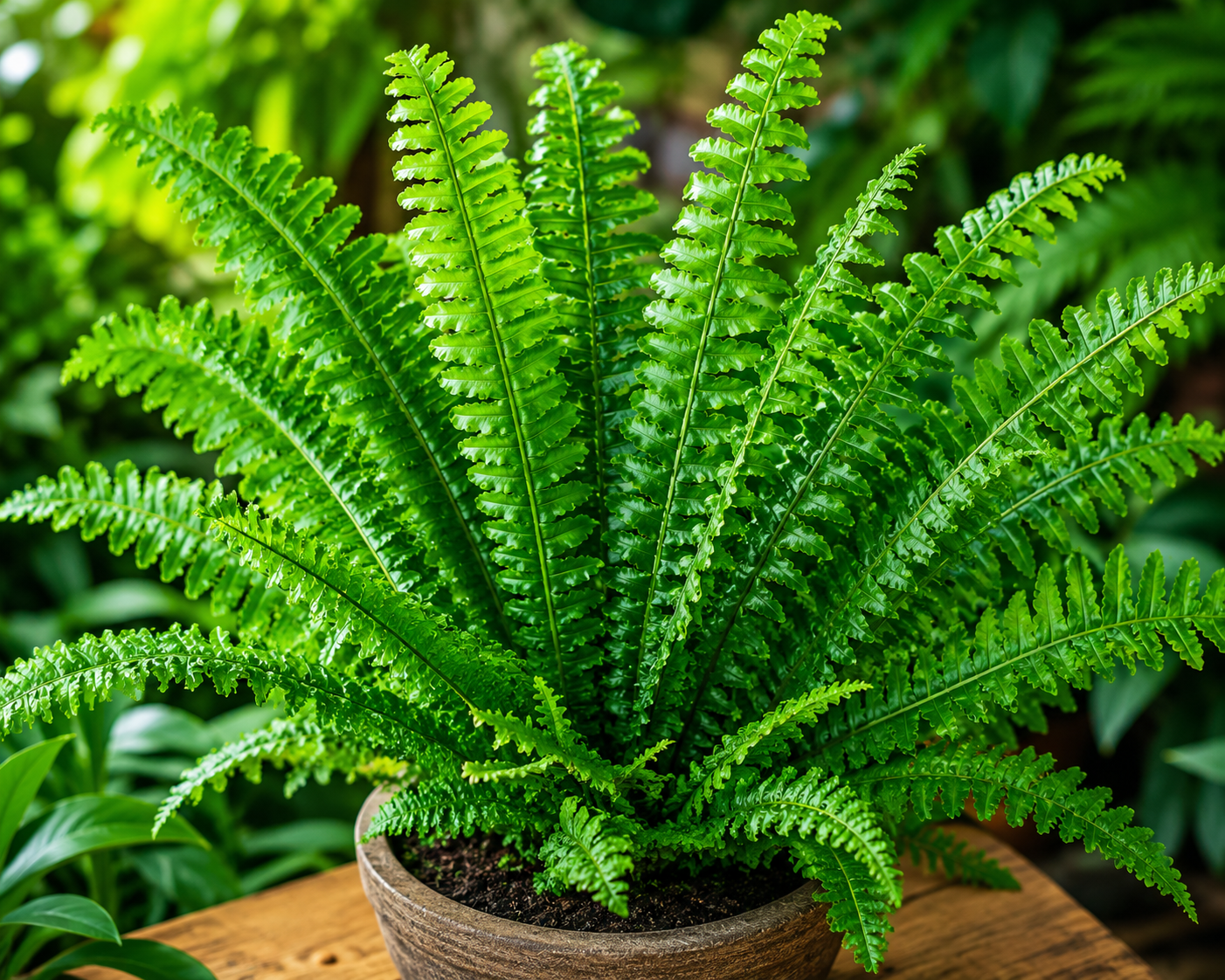
If you want a plant that looks like it wandered off a movie set, the Macho fern earns that reputation honestly. Also known as Nephrolepis biserrata, this fern produces arching fronds that can stretch up to four feet long. It dwarfs the average Boston fern, and it does so with surprisingly little fuss. However, “little fuss” doesn’t mean “no rules.” Get a few key details wrong, and this fern will let you know fast through crispy tips or yellowing leaves.
This guide walks through everything you need to know, from light and watering to regional growing conditions across the United States. Whether you’re growing yours on a shaded porch in Florida or as a houseplant in a Chicago apartment, you’ll find practical, tested advice below.
What Makes the Macho Fern Different
Most ferns stay modest in size. The Macho fern does not. Given the right conditions, it can reach three to six feet wide, with individual fronds occasionally hitting the six-foot mark outdoors in tropical climates. Indoors, expect something more manageable, usually two to three feet across.
The foliage is glossy, deep green, and finely divided, which gives the plant a fuller, more dramatic look than many other ferns. Because it tolerates lower light than most tropical plants, it works well in spots where other greenery struggles, like covered patios, north-facing rooms, or shaded entryways.
Light Requirements: Bright, Indirect, and Consistent
Macho ferns prefer bright, indirect light, though they’ll also get by in moderate shade. Direct afternoon sun is the one thing to avoid, since it scorches the fronds quickly.
Indoors, place your fern near an east or north-facing window, or a few feet back from a south or west-facing one. Outdoors, a covered porch, a spot under tall trees, or an area with dappled shade works best. If the fronds start looking pale or washed out, that’s often a sign of too much direct light. If growth slows and stems stretch thin, the plant probably needs more brightness.
Watering: The Part Most People Get Wrong
Here’s where Macho ferns get a little particular. They want consistently moist soil, but they also can’t sit in soggy or waterlogged conditions for long. That balance trips up a lot of new growers.
A simple rule works well here: water whenever the top inch of soil feels dry to the touch. Don’t wait for the whole pot to dry out, and don’t let water pool in a saucer underneath. Well-draining soil and a pot with drainage holes make this whole process much easier to manage.
During winter, growth naturally slows down, so cut back watering frequency slightly. In summer, especially outdoors in hot regions, you may need to water every few days.
Humidity and Temperature
Since this fern is tropical by nature, it appreciates humidity. Average indoor humidity is usually fine, but if your home runs dry, especially during winter heating season, a pebble tray or occasional misting helps keep fronds from browning at the tips.
Temperature-wise, Macho ferns thrive between 50 and 80 degrees Fahrenheit. They are not frost-tolerant. If nighttime temperatures are dropping below 50°F, it’s time to bring container plants indoors.
Soil and Fertilizing
Well-drained, loamy soil rich in organic matter suits this fern best. A standard houseplant potting mix amended with perlite or coco coir usually does the trick, since it holds moisture without staying waterlogged. Slightly acidic soil, somewhere around 6 to 6.5 pH, is ideal, although the plant isn’t overly fussy about this in practice.
As for fertilizer, less is more. A diluted, balanced liquid fertilizer once a month during spring and summer is plenty. Skip feeding in fall and winter when growth naturally slows.
Growing Macho Ferns Across the United States
Local climate plays a big role in how you’ll grow this plant, so here’s a regional breakdown for US gardeners.
In Florida, Texas, and along the Gulf Coast, generally USDA zones 9 through 11, Macho ferns can live outdoors year-round. They’re a popular landscaping choice in South Florida especially, where nurseries frequently sell them for porches, hanging baskets, and shaded garden beds. Because Nephrolepis biserrata is occasionally found growing wild in swamps and wet hammocks across central and southern Florida, according to research published by the University of Florida’s Center for Aquatic and Invasive Plants, it’s genuinely well-suited to the state’s humidity and warmth.
In zones 7 and 8, think coastal South Carolina, Georgia, and parts of the Southwest, the fern can sometimes survive mild winters outdoors with heavy mulching, but most growers treat it as a seasonal annual or bring it indoors once temperatures dip.
Everywhere else, including the Midwest, Northeast, and Mountain West, this plant is strictly an indoor grower or a warm-season patio plant that comes inside before the first frost. That’s not a downside, though. Plenty of gardeners in Ohio, Illinois, and New York grow spectacular Macho ferns as houseplants, moving them outside for summer and back in before fall cools things down.
Common Problems and How to Fix Them
Even easygoing plants run into trouble sometimes. Here are the issues you’re most likely to encounter.
Yellowing fronds usually point to underwatering, though overwatering can occasionally cause the same symptom. Check the soil moisture before assuming which one you’re dealing with.
Brown, crispy tips typically mean low humidity, fluoride-treated tap water, or inconsistent watering. Switching to filtered or distilled water sometimes solves this on its own.
Pests like scale, mealybugs, and spider mites tend to show up on indoor plants kept in dry conditions. Insecticidal soap or neem oil handles most infestations without much trouble.
Root rot happens when soil stays wet for too long. If you notice mushy, dark roots during repotting, trim away the damaged sections and repot into fresh, well-draining soil.
Repotting and Propagation
Macho ferns grow fast, so expect to repot every one to two years, or whenever the plant outgrows its container. Choose a pot just one size larger, since oversized pots hold excess moisture that the roots don’t need.
Propagation is straightforward too. Division works best: simply separate a section of the root ball that has its own fronds and roots attached, then plant it in its own pot. Spring is the ideal time for this, right as active growth kicks back in.
Actionable Care Checklist
- Place in bright, indirect light; avoid direct afternoon sun
- Water when the top inch of soil dries out; never let it sit soggy
- Keep temperatures between 50 and 80°F
- Use well-draining, slightly acidic potting mix
- Feed monthly with diluted fertilizer during spring and summer only
- Repot annually or every other year into a slightly larger container
- Bring outdoor plants inside once nights drop below 50°F
If you’re also growing other tropical houseplants indoors, our guide to creating a low-light indoor garden covers additional species that thrive in similar conditions.
For deeper botanical detail on Nephrolepis species and their growing requirements, the University of Florida’s IFAS Extension offers well-researched, regularly updated plant fact sheets worth bookmarking.
Frequently Asked Questions
Is the Macho fern the same as a Boston fern? No, though they’re closely related. Boston fern (Nephrolepis exaltata) stays smaller and more compact, while the Macho fern (Nephrolepis biserrata) grows significantly larger, with broader, more dramatic fronds.
Can Macho ferns survive outdoors year-round in the US? Only in USDA zones 9 through 11, which covers most of Florida, South Texas, and similar warm, humid regions. Everywhere colder, they need to come indoors before frost hits.
Why are my Macho fern’s fronds turning brown at the tips? This is almost always a humidity or water quality issue. Low indoor humidity, chlorinated tap water, or inconsistent watering schedules are the usual culprits.
How often should I water a Macho fern indoors? Check the soil rather than following a strict schedule. Water once the top inch feels dry, which often works out to every few days depending on your home’s humidity and temperature.
Is the Macho fern toxic to pets? No. Macho ferns are considered non-toxic to cats, dogs, and other household pets, making them a safer choice for plant-loving pet owners.
Do Macho ferns need direct sunlight to grow big fronds? No, and direct sun can actually damage the fronds. Bright, indirect light produces the healthiest, fullest growth without the risk of scorching.
How big can a Macho fern actually get? Outdoors in tropical climates, it can spread three to six feet wide with fronds reaching up to six feet long. Indoors, expect a more modest two to three feet across.
What’s the best way to increase humidity for an indoor Macho fern? A pebble tray with water underneath the pot, occasional misting, or a small humidifier nearby all help, especially during dry winter months when indoor heating lowers humidity levels.