

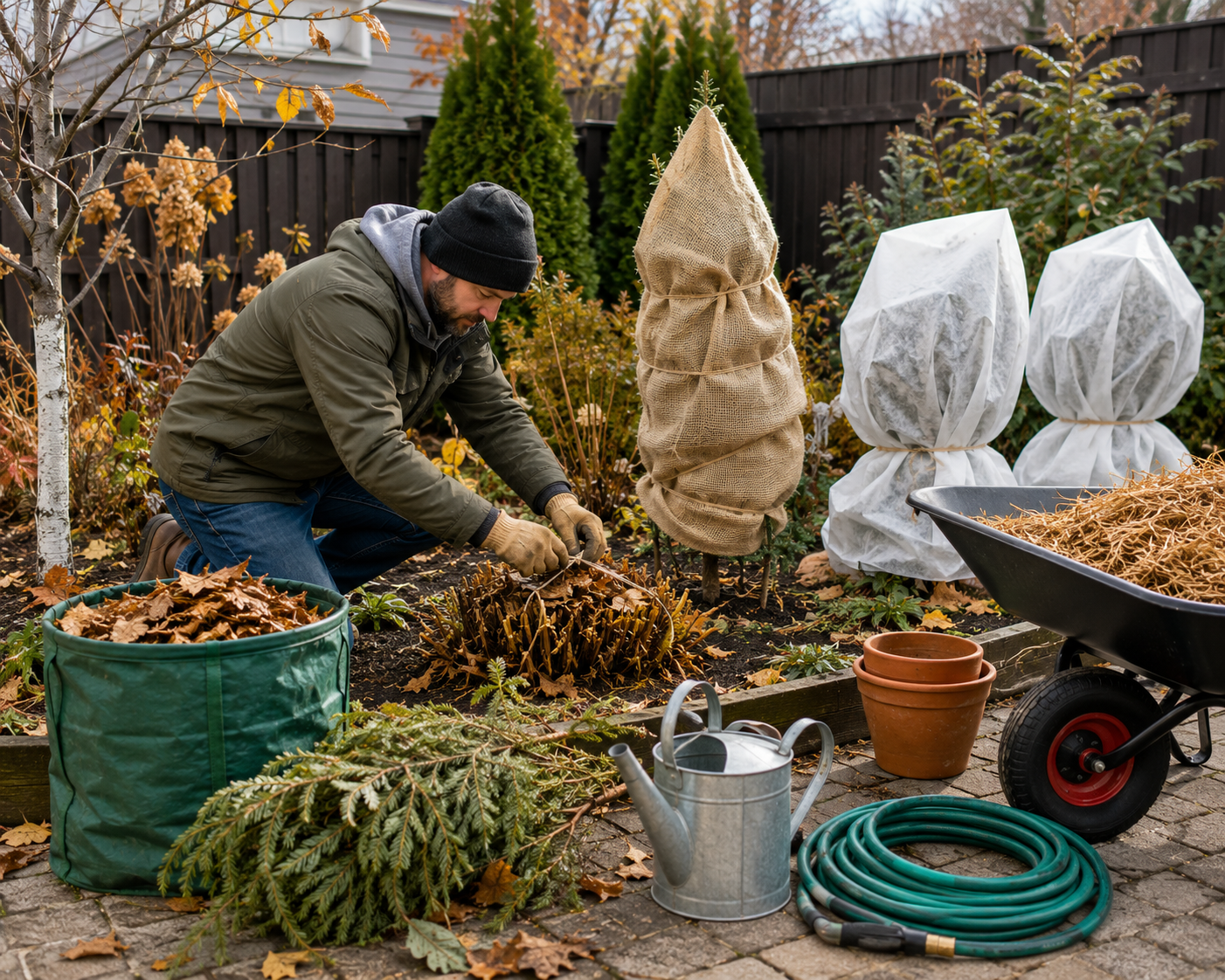
The first cold snap always sneaks up on me. One week I’m still harvesting tomatoes. The next, frost is coating the fence line, and my basil has gone black overnight. If that sounds familiar, you already know why winterizing matters. However, it’s not just about damage control. A little effort in fall genuinely sets the stage for a healthier, more productive garden come spring.
I’ve spent more than a decade working plots in humid Southern soil and dry, windy high-desert beds. Through it all, one lesson holds true everywhere: gardens that are put to bed properly wake up stronger. This guide walks through ten essential winterizing steps. Each one is backed by university extension research and real hands-on experience, so you can protect your soil, plants, and tools through the cold months ahead.
Why Winterizing Your Garden Really Matters
Winter isn’t just a pause button for your garden. Beneath the surface, soil biology, root systems, and overwintering pests are still active. This is true even when everything looks dormant on top. Because of this, what you do (or don’t do) in fall directly shapes your success next season.
Skipping winterization can lead to compacted soil, nutrient loss, and pest infestations. It can also leave perennials unable to survive the freeze-thaw cycle. On the other hand, a properly winterized garden holds moisture better and resists erosion. It also gives beneficial soil organisms a chance to keep working through the cold. In short, winterizing isn’t extra work. It’s an investment that pays off the moment spring planting begins.
When Should You Start Winterizing?
Timing depends heavily on where you live. As a general rule, start winterizing two to four weeks before your area’s average first frost date. Most gardeners in USDA hardiness zones 4 through 7 begin this process between late September and late October. Meanwhile, warmer zones can wait a bit longer.
That said, don’t just rely on a fixed calendar date. Weather patterns shift from year to year. Because of this, it’s smarter to track your local frost forecast instead. Frost damage typically begins once temperatures drop below 32°F for several hours. A hard freeze, defined as four or more hours below 28°F, usually marks the real deadline for finishing major cleanup tasks.
If you’re unsure which zone you’re in, the USDA Plant Hardiness Zone Map is a reliable, up-to-date tool. It lets you check your exact zone by zip code. It’s worth bookmarking, since it also helps you choose the right perennials. That way, you’ll know which plants can safely stay outdoors through winter.
10 Essential Steps to Winterize Your Garden
1. Clear Out Dead and Diseased Plant Debris
Start by removing spent annuals, diseased foliage, and any plant material that looks stressed or infected. This step matters more than most gardeners realize. After all, leaving diseased debris in place gives fungal spores and overwintering pests a cozy place to survive.
Healthy plant material, though, doesn’t need to go to waste. You can chop it up and work it lightly into the top few inches of soil. There, it will break down and add organic matter over winter. Diseased material, on the other hand, should be discarded rather than composted. Most home compost piles simply don’t get hot enough to kill off pathogens.
2. Test and Amend Your Soil
Fall is actually one of the best times to test your soil. Results usually come back faster, and you’ll have months to correct any imbalances before spring planting begins. A basic soil test reveals your pH level along with nutrient deficiencies you might not notice just by looking at your plants.
If your soil needs lime to raise pH, apply it now. Lime takes several months to fully adjust soil chemistry. So, a fall application gives it time to work before you’re ready to plant. Similarly, this is a good moment to mix in compost or aged manure. The nutrients will have all winter to integrate into the soil structure.
3. Add a Protective Layer of Mulch
Once your beds are cleaned up, spread two to four inches of organic mulch over the soil surface. Shredded leaves, straw, and wood chips all work well. Mulch acts like an insulating blanket, buffering roots from sudden temperature swings. It also reduces the freeze-thaw heaving that can push shallow-rooted plants right out of the ground.
Mulch also suppresses weeds, retains moisture, and slowly breaks down to feed your soil. If you have access to fallen leaves, shred them with a mower first. Otherwise, whole leaves tend to mat together. This can smother small plants or create a soggy, airless layer.
4. Cut Back Perennials (But Leave Some Standing)
Most perennials, including peonies, daylilies, and hostas, benefit from being cut back to two or three inches above the soil line. This reduces the chance of fungal disease overwintering in dead foliage. It also tidies up beds for spring growth.
That said, don’t cut everything back. Coneflowers, black-eyed Susans, and ornamental grasses provide seed heads that feed birds through the lean winter months. Their hollow stems also shelter beneficial insects, like native bees. Leaving some structure standing is good for the ecosystem. Honestly, it looks lovely dusted with frost, too.
5. Protect Tender Plants and Containers
Not every plant can handle a hard freeze. Tender perennials like dahlias and tropical plants often need to be dug up and stored indoors. Meanwhile, young trees and newly planted shrubs benefit from extra insulation, such as burlap wrapping or a thick mulch ring around the base.
Container plants deserve special attention too. Pots freeze faster than in-ground soil, since cold reaches them from every side. Moving containers close to a house wall helps a lot. Grouping pots together or wrapping them in insulating material can also prevent roots from freezing solid.
6. Drain and Store Your Irrigation Equipment
If you use drip irrigation, soaker hoses, or a sprinkler system, drain them completely before the first hard freeze. Water left inside pipes and hoses expands as it freezes. As a result, it can crack fittings and split hose walls, leading to costly repairs next season.
Disconnect hoses from outdoor spigots, drain them fully, and coil them for indoor storage. Meanwhile, shut off and blow out irrigation lines if your system allows it. This single step often gets overlooked. Yet it’s one of the easiest ways to avoid an unpleasant surprise in spring.
7. Clean, Sharpen, and Store Your Tools
Winter is the perfect time to give your tools some overdue attention. Clean off caked soil, sap, and rust first. Then, sharpen blades on pruners, shovels, and hoes so they’re ready to go the moment spring arrives. A light coating of oil on metal parts also helps prevent rust during months of storage.
While you’re at it, clear out the garden shed. Toss cracked pots, expired seed packets, and any chemicals you no longer need. A decluttered shed makes spring prep faster. Frankly, it’s satisfying to start the new season with everything organized.
8. Plant Garlic, Bulbs, and Cover Crops
Fall isn’t only about cleanup. It’s also planting season for several crops that need a cold period to thrive. Garlic, for instance, is typically planted in October or November. That way, it can establish roots before the ground freezes, then resume growth in early spring.
Spring-flowering bulbs like tulips and daffodils also go in the ground now. If you have empty vegetable beds, consider sowing a cover crop such as clover or winter rye. Cover crops protect bare soil from erosion and suppress weeds. They also add organic matter once tilled under in spring.
9. Guard Trees and Shrubs From Winter Wildlife
Hungry deer, rabbits, and voles can do serious damage to bark and young branches during winter. Food sources are scarce, so they’ll turn to your garden instead. Wrapping the base of young trees with hardware cloth or tree guards prevents gnawing damage that can girdle and kill a tree.
Additionally, watch for snow and ice buildup on shrubs and evergreens. Gently brushing off heavy snow after a storm helps too. This simple habit prevents branches from snapping under the weight, especially on multi-stemmed shrubs that tend to splay outward.
10. Plan Ahead for Spring
Finally, use the slower winter months to your advantage. Sketch out next year’s garden layout and order seeds early, before popular varieties sell out. It also helps to jot down notes about what worked and what didn’t this past season. Keeping a simple garden journal, even a basic notebook, helps you track bloom times, pest issues, and yields from year to year.
This kind of planning might not feel like “real” gardening work. Even so, it genuinely improves outcomes. Gardeners who reflect and plan ahead tend to make smarter decisions. This applies to spacing, crop rotation, and plant selection alike, once spring finally arrives.
Regional Winterizing Tips Across the US
Climate varies dramatically across the country. Because of this, your winterizing checklist should flex depending on where you garden.
Northeast and Upper Midwest (Zones 3-5): Focus heavily on mulching and root protection, since deep freezes and heavy snow are common here. Start winterizing early, ideally by late September, since the growing season ends abruptly.
Mid-Atlantic and Ohio Valley (Zones 6-7): You have a bit more flexibility with timing, but don’t skip soil testing. Freeze-thaw cycles are frequent in this region. As a result, mulch is especially important for protecting shallow roots.
South and Gulf Coast (Zones 8-9): Frost risk is lower here, but it isn’t zero. Keep frost cloth on hand for occasional cold snaps. Meanwhile, use this milder window to plant cool-season vegetables, like collards and kale, that can overwinter outdoors.
Southwest and High Desert (Zones 7-9): Cold nights combined with intense daytime sun create unique stress on plants. Focus on wind protection and mulching. After all, dry desert cold can be just as damaging as humid Northern winters.
Pacific Northwest (Zones 7-9): Rain, not cold, is usually the bigger concern here. Prioritize drainage and raised beds. Preventing waterlogged roots matters more than deep-freeze protection in this climate.
No matter your region, checking with your local Cooperative Extension office is one of the smartest moves you can make. These offices are often connected to state universities. As a result, they provide free, science-based advice tailored to your exact climate and soil conditions.
Common Winterizing Mistakes to Avoid
Even experienced gardeners fall into a few predictable traps each fall. First, piling mulch directly against tree trunks or plant stems can trap moisture and invite rot. Always leave a small gap around the base instead. Second, composting diseased plant material seems efficient. In reality, though, it often reintroduces pathogens the following season instead of eliminating them.
Another common mistake is cutting back every perennial without exception. This removes valuable winter habitat for pollinators and birds. Finally, many gardeners forget to drain hoses and irrigation lines until it’s too late. This often results in cracked equipment that needs replacing every spring. Avoiding these few missteps can save considerable time, money, and frustration.
Final Thoughts
Winterizing your garden doesn’t need to be complicated, but it does require a bit of intention. Clean up debris, protect your soil, insulate tender plants, and store your tools properly. Once that’s done, you’ve handled most of the heavy lifting. From there, winter becomes less about worry and more about anticipation for what’s coming next.
I still remember the first spring I winterized properly, instead of just letting everything die back on its own. The difference was obvious almost immediately. My soil was healthier, pest problems were fewer, and perennials came back stronger than ever. Give these ten steps a try this fall. There’s a good chance your garden will thank you come spring. For more on building healthy soil year-round, check out our complete guide to soil health and composting basics.
Frequently Asked Questions
1. When is the best time to start winterizing my garden? Most gardeners should begin two to four weeks before their area’s average first frost date. In colder zones, this often falls in late September. Milder regions, however, can wait until October or even November.
2. Do I need to cut back all my perennials before winter? Not necessarily. Diseased or floppy perennials benefit from cutting back. However, plants like coneflowers and ornamental grasses provide food and shelter for birds and beneficial insects. Because of this, it’s fine to leave some standing through winter.
3. Is it okay to compost dead plants in fall? Healthy plant debris can typically be composted or worked into the soil. Diseased or pest-infested material, however, should be discarded instead. Most backyard compost piles simply don’t reach temperatures high enough to kill off pathogens.
4. How much mulch should I use to protect my garden beds? A layer of two to four inches is generally sufficient for insulating roots and suppressing weeds. Just avoid piling mulch directly against stems or trunks, since this can trap moisture and encourage rot.
5. Should I still water my garden in the winter? In most regions, natural rain and snow provide enough moisture. That said, evergreens and newly planted trees in dry climates may need occasional deep watering, even in winter.
6. What vegetables can I plant in the fall for a winter harvest? Cold-hardy crops like garlic, kale, spinach, and collards often do well when planted in fall, especially in milder southern climates. Garlic, in particular, needs a cold period to develop properly before harvest the following summer.
7. How do I protect container plants from freezing? Move pots close to a building wall, or group them together for shared insulation. Wrapping them in burlap or bubble wrap helps too. Because pots freeze faster than ground soil, container plants often need this extra protection.
8. Do I need to winterize my garden if I live in a mild climate? Yes, though the process looks a bit different. Even in zones with rare frost, soil testing, mulching, and cover cropping still improve soil health. In turn, this helps your garden transition smoothly into the next growing season.
This guide combines research from university cooperative extension programs with hands-on gardening experience to help home gardeners of all skill levels prepare confidently for winter.
[…] For a broader pre-winter routine covering the rest of your garden, see our guide to winterizing your garden. […]