

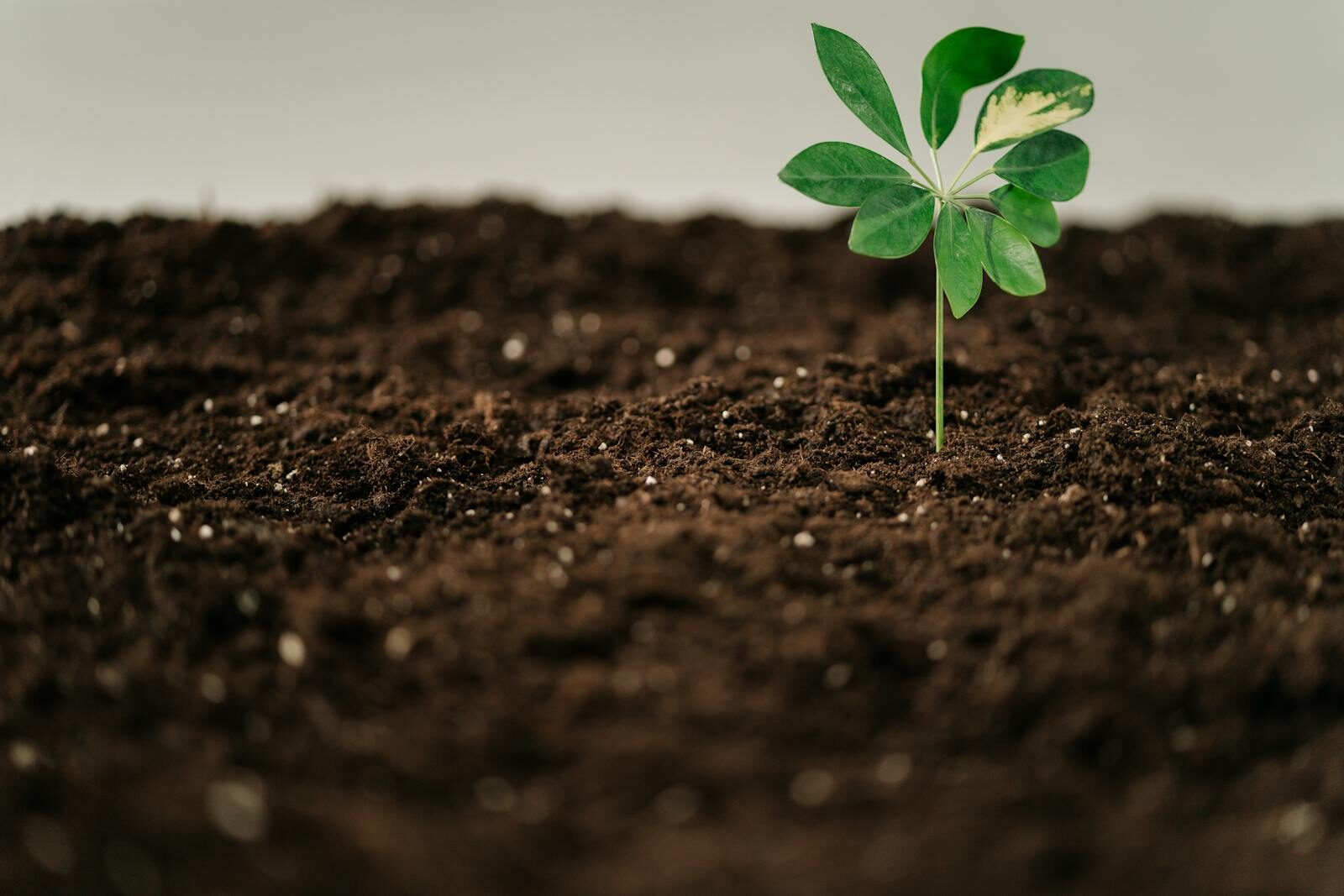
If you’ve ever planted a vegetable garden that just wouldn’t thrive, or watched flowers wilt despite your best efforts, the problem probably wasn’t your green thumb — it was your soil. And if you’ve ever grown anything in loam topsoil and felt like you were cheating somehow, welcome to the club. Loam is widely considered the gold standard of gardening soils, and for good reason.
Whether you’re a backyard grower in the Pacific Northwest, a raised-bed gardener in Texas, or someone setting up their first container garden in a Chicago apartment, understanding loam topsoil can genuinely change the way you garden. Let’s get into it.
What Is Loam Topsoil?
Loam topsoil is a naturally balanced soil mixture made up of three primary components: sand, silt, and clay — plus organic matter (humus) that ties it all together. The classic loam ratio is roughly:
- 40% sand – for drainage and aeration
- 40% silt – for moisture retention and nutrient holding
- 20% clay – for structure and nutrient exchange
What makes loam special isn’t just its composition — it’s the balance. Sandy soils drain too fast and don’t hold nutrients well. Clay soils compact, hold too much water, and suffocate roots. Silt alone erodes quickly. Loam combines the best properties of all three while minimizing their weaknesses.
When you grab a handful of moist loam and squeeze it, it holds its shape briefly, then crumbles apart easily when prodded. That crumbly, dark, slightly grainy texture is what you’re looking for.
The Difference Between Loam, Topsoil, and Loam Topsoil
These three terms get used interchangeably at garden centers, but they’re not quite the same thing — and knowing the difference can save you money and frustration.
Topsoil refers simply to the uppermost layer of the earth’s surface, typically the top 4 to 12 inches. It’s naturally rich in organic matter compared to the subsoil below it, but its quality varies enormously depending on where it’s sourced. Bagged “topsoil” from a big-box store can sometimes be low-quality fill dirt with minimal nutrients.
Loam is a classification of soil based on its texture and particle composition. It describes the sand/silt/clay ratio, not the depth at which it’s found.
Loam topsoil is the best of both worlds — it’s topsoil that happens to have a loamy composition. It sits near the surface (where root activity is highest) and has that ideal balanced texture. When gardeners talk about the “perfect” soil, this is almost always what they mean.
The Science Behind Loam: Why the Texture Matters So Much
Soil texture affects nearly everything that happens underground. Here’s a closer look at why loam’s composition makes it so effective.
Drainage Without Drought
Because loam contains sand particles, water drains through it rather than pooling. Root rot — one of the most common killers of garden plants — happens when roots sit in waterlogged soil. Loam’s drainage properties prevent this.
At the same time, the silt and clay particles hold enough moisture between watering sessions that roots can access water when they need it. This balance is critical in dry American climates like Arizona, New Mexico, or Southern California, where soil can dry out rapidly.
Aeration and Root Penetration
The loose, crumbly structure of loam creates air pockets throughout the soil profile. Roots need oxygen to function, and compacted soils suffocate them. Loam allows roots to grow deep and spread wide, which translates to stronger, more productive plants.
This is especially relevant in urban gardens across the US, where years of foot traffic and construction activity have left the native soil hard and compacted. Adding loam topsoil or amending existing soil to be more loam-like can reverse that damage.
Nutrient Retention and Cation Exchange
Clay particles carry a negative electrical charge that attracts and holds positively charged nutrient ions (like calcium, potassium, and magnesium). Loam’s clay content gives it what soil scientists call a high cation exchange capacity (CEC) — meaning it holds on to nutrients rather than letting them wash away with every rain.
Organic matter in loam further boosts CEC and adds its own slow-release nutrients as it decomposes. This is why loam topsoil often requires less fertilizer than sandy or clay-heavy soils.
pH Stability
Loam tends to naturally buffer against dramatic pH swings. While the ideal soil pH for most vegetables and ornamentals is between 6.0 and 7.0 (slightly acidic to neutral), some soil types push far outside that range. Loam’s buffering capacity means your pH is more likely to stay in a plant-friendly zone without constant amendments.
Benefits of Loam Topsoil for Gardening
Let’s be direct about what loam topsoil actually delivers for everyday gardeners.
1. Vigorous Plant Growth
Plants grown in loam consistently outperform those in sandy or clay soils. Roots spread freely, nutrients are abundant, and moisture is available without being excessive. The result is faster establishment, stronger stems, and higher yields in vegetable gardens.
2. Fewer Watering Headaches
Because loam retains moisture without becoming waterlogged, you water less frequently than you would in sandy soil — and you don’t have to stress about overwatering the way you do in clay. For busy gardeners (which is most of us), this is a practical win.
3. Better Fertilizer Efficiency
When you fertilize a loamy soil, those nutrients stay available to plant roots rather than leaching out immediately. You’ll likely spend less on fertilizer over a season, and you’ll get more consistent results from what you do apply.
4. Easier to Work
Loam is a pleasure to dig. It doesn’t compact into a concrete-like block the way clay does, and it doesn’t fall apart and blow away like sandy soil. Planting, transplanting, and cultivating are all significantly easier.
5. Supports Soil Biology
A thriving underground ecosystem — earthworms, beneficial bacteria, mycorrhizal fungi — is the engine behind healthy, productive soil. Loam provides the conditions these organisms love: adequate moisture, good aeration, and organic matter to feed on. A single teaspoon of healthy loam soil can contain billions of bacteria and thousands of fungal strands.
6. Versatility Across Plant Types
Whether you’re growing tomatoes, roses, Kentucky bluegrass, or fruit trees, loam topsoil works. Few other soil types are this broadly supportive, which is why it’s the go-to recommendation from extension offices and master gardeners across the country.
Is Loam Topsoil Right for Your Region? A US Perspective
America’s native soils vary dramatically by region, which means the case for adding or amending with loam topsoil looks different depending on where you live.
Pacific Northwest (Oregon, Washington): Heavy rainfall and dense clay subsoils make drainage a constant issue. Loam topsoil blended into raised beds significantly improves drainage and reduces compaction.
Southwest (Arizona, Nevada, New Mexico): Desert soils are often sandy, alkaline, and nutrient-poor. Loam topsoil brings moisture retention and organic matter that these soils desperately lack.
Midwest (Iowa, Illinois, Indiana): This region is actually blessed with some of the most naturally loamy prairie soils in the world. Still, urban and suburban lots often have depleted, compacted soil from construction — loam topsoil can restore what’s been lost.
Southeast (Georgia, Alabama, the Carolinas): Clay-heavy red soils and sandy coastal soils both benefit from loam amendments. The hot, humid climate accelerates organic matter breakdown, so adding loam topsoil regularly helps maintain soil quality.
Northeast (New York, New England): Rocky, glacially-deposited soils are often thin and acidic. Loam topsoil adds depth and a more balanced texture, particularly useful in vegetable gardens and lawn renovation.
How to Use Loam Topsoil in Your Garden
Knowing you need loam is one thing — knowing how to use it effectively is another.
For Raised Beds
Fill raised beds with a mix of loam topsoil, compost, and some coarse sand or perlite for extra drainage. A common ratio that works well: 60% loam topsoil, 30% compost, 10% perlite or coarse sand. This gives you an almost perfect growing medium that’s also lightweight enough to avoid straining bed frames.
For In-Ground Gardens
Till your existing soil to a depth of 8 to 12 inches, then blend in loam topsoil and compost at a ratio of roughly 1:1 with your native soil. This is especially important in clay-heavy or sandy yards. Top-dress beds annually with 1 to 2 inches of loam topsoil or compost to maintain soil quality.
For Lawn Establishment or Repair
Spread 3 to 4 inches of loam topsoil over bare areas before seeding. For overseeding thin or patchy lawns, a lighter 1-inch top-dressing worked into the surface can improve seed-to-soil contact and germination rates significantly.
For Container Gardening
Pure loam topsoil is typically too heavy for containers and can compact over time. Blend it with 30-40% perlite or high-quality potting mix to keep things light and well-draining.
How to Test Your Existing Soil Before Buying Loam
Before spending money on loam topsoil, it’s worth knowing what you’re already working with. There are three easy ways to do this.
The Jar Test: Fill a quart jar one-third full of soil, add water to the top, shake vigorously, and let it settle for 24 to 48 hours. Sand settles first (bottom layer), silt settles in the middle, and clay remains near the top. The relative thickness of each layer tells you your soil’s approximate composition.
The Feel Test: Moisten a small amount of soil and roll it between your fingers. Sandy soil feels gritty. Clay feels sticky and plastic-like. Loam feels smooth but not sticky, with some grittiness.
A Lab Test: For the most accurate picture, send a sample to your local Cooperative Extension Service. Many state universities across the US offer this service for $15 to $30, and they’ll give you specific recommendations for amendments — including whether you need loam and how much. The USDA Natural Resources Conservation Service also offers excellent resources for understanding your soil health.
Buying Loam Topsoil: What to Look For
Not all loam topsoil sold commercially is created equal. Here’s what to watch for when buying.
Smell it. Quality loam topsoil should smell earthy — that classic “good dirt” smell comes from a compound called geosmin produced by healthy soil bacteria. A sour, ammonia-like, or chemical smell is a red flag.
Look at the color. Rich, dark brown to black color indicates high organic matter content. Pale gray or reddish soils are often low in organic matter and may be subsoil masquerading as topsoil.
Check for debris. Avoid bags or bulk deliveries that contain rocks, chunks of debris, construction material, or plastic. Some bagged “topsoil” from discount stores is essentially recycled fill dirt.
Ask about testing. Reputable suppliers — especially those selling bulk loam topsoil by the cubic yard — should be able to provide basic information about pH and composition.
Buy local when possible. Locally sourced loam topsoil is more likely to be adapted to your region’s climate and less likely to introduce invasive weed seeds from other parts of the country.
Common Mistakes Gardeners Make with Loam Topsoil
Even gardeners who know they need loam sometimes use it incorrectly. Here are the pitfalls to avoid.
Just laying it on top without tilling: Loam topsoil placed on top of hard, compacted soil without incorporation creates a “perched water table” — water pools at the interface between the two soil layers rather than draining through. Always till or blend it in.
Skipping compost: Loam topsoil is excellent on its own, but it becomes extraordinary when blended with mature compost. Don’t skip this step, especially in heavily depleted soils.
Overwatering because the soil “looks dry”: Loam holds moisture deeper than sandy soils, so the surface can look and feel dry while the root zone is still adequately moist. Use a soil moisture meter or stick your finger 2 to 3 inches into the soil to check before watering.
Letting it compact over time: Even loam topsoil can compact with repeated foot traffic or heavy rain. Avoid walking on garden beds, mulch heavily, and add organic matter annually to maintain that open, crumbly structure.
Loam Topsoil vs. Other Soil Amendments: A Quick Comparison
| Soil Type | Drainage | Moisture Retention | Nutrient Holding | Root Penetration | Best Use |
|---|---|---|---|---|---|
| Loam Topsoil | Excellent | Good | High | Excellent | General gardening |
| Sandy Soil | Too fast | Poor | Low | Good | Drought-tolerant plants |
| Clay Soil | Poor | Too much | Moderate | Difficult | Structural fill |
| Potting Mix | Good | Moderate | Varies | Good | Containers |
| Garden Compost | Good | Good | Very high | Good | Amendment, not base |
Maintaining Loam Soil Quality Year After Year
Once you have loam in your garden, protecting that investment matters.
Mulch consistently. A 2 to 3 inch layer of organic mulch (straw, wood chips, shredded leaves) regulates soil temperature, reduces moisture loss, and feeds the soil food web as it breaks down. It’s one of the single highest-return things you can do for your soil.
Avoid bare soil. Exposed loam is vulnerable to erosion from rain and wind, and direct sun can bake and harden the surface. Cover beds with mulch or cover crops in the off-season.
Practice crop rotation. Different plants take different nutrients from the soil. Rotating your vegetable crops annually prevents nutrient depletion and disrupts pest and disease cycles.
Add compost annually. Even the best loam topsoil loses organic matter over time as it’s consumed by soil organisms and plant roots. Topping beds with 1 to 2 inches of compost each spring replenishes this and keeps your soil thriving.
Minimize tilling. Frequent, deep tilling destroys soil structure, harms earthworms, and kills the fungal networks that make loam so biologically productive. Gentle surface cultivation is usually all that’s needed.
For more on building and protecting your soil over time, check out our complete guide to soil health and garden bed preparation for step-by-step seasonal advice.
Frequently Asked Questions
Is loam topsoil the same as regular topsoil? Not always. “Topsoil” just refers to the uppermost layer of soil, regardless of its composition — it can be sandy, clay-heavy, or loamy. “Loam topsoil” specifically means topsoil with the balanced sand-silt-clay ratio that makes it ideal for plant growth. Bagged topsoil at a garden center isn’t guaranteed to be loam unless it’s labeled as such.
How much loam topsoil do I need for a raised bed? For a standard 4×8-foot raised bed filled to 12 inches deep, you’ll need roughly 32 cubic feet (just over 1 cubic yard) of growing medium. A common mix is 60% loam topsoil, 30% compost, and 10% perlite or coarse sand.
Can I use loam topsoil straight from the bag, or does it need amending? Loam topsoil works well on its own, but blending in mature compost (roughly 1:3 with your loam) boosts nutrient content and biological activity further. For containers, cut loam topsoil with 30–40% perlite so it doesn’t compact over time.
What’s the difference between loam and garden soil sold at stores? “Garden soil” sold at big-box retailers is often a blend of topsoil and compost or other amendments, formulated for general use but not necessarily tested for a true loam ratio. True loam topsoil is defined by its specific sand-silt-clay balance, which affects drainage and nutrient retention more precisely than a generic “garden soil” blend.
How do I know if my existing soil is already loam? Run the jar test: fill a quart jar one-third with soil, top with water, shake, and let it settle for 24–48 hours. If you see roughly even layers of sand, silt, and clay with the soil crumbling easily when moist and squeezed, you likely already have loam and may not need to buy more.
Does loam topsoil go bad or lose its quality over time? Loam itself doesn’t expire, but its organic matter content depletes as plants and soil organisms consume it. Topping beds with 1–2 inches of compost each spring keeps loam soil performing at its best long-term.
Final Thoughts
Loam topsoil isn’t magic — it’s science. Its balanced composition of sand, silt, clay, and organic matter creates the ideal environment for plant roots to grow, nutrients to stay available, and water to move at just the right pace. For gardeners across the United States, whether you’re amending existing beds, filling raised planters, or starting a lawn from scratch, loam topsoil is the foundation worth building on.
If your current soil is compacted, nutrient-poor, or just not producing the results you want, loam topsoil is almost certainly part of the solution. Get a soil test, understand what you’re working with, and then build up from there. Your plants — and your future harvests — will show you the difference.