

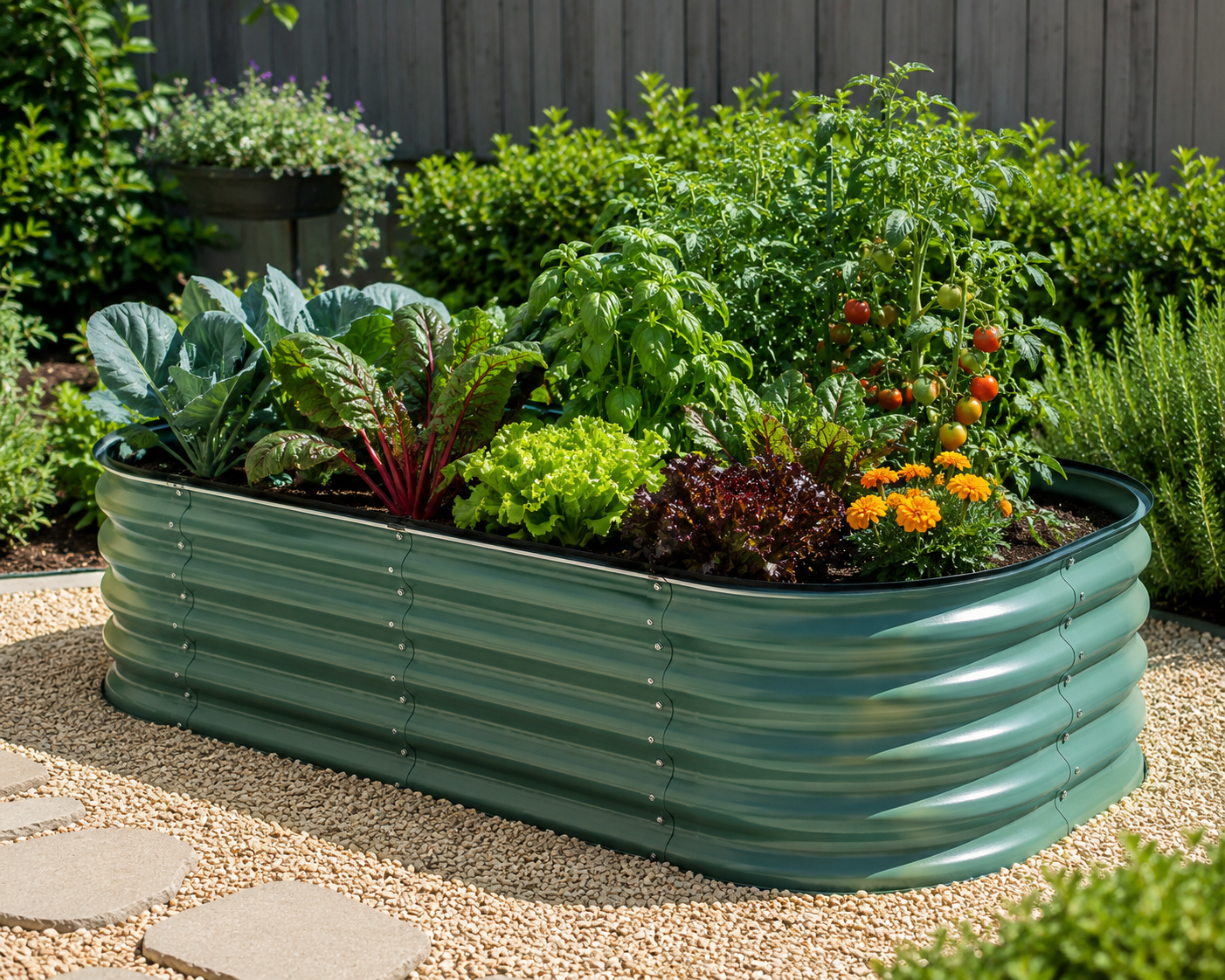
Scroll through any gardening blog or Instagram feed this year, and you’ll spot the same sleek metal raised beds everywhere. That brand is almost always Vego Garden. It’s easy to see why so many home gardeners across the USA have switched to it. I dug through real owner reviews, compared specs, and talked to gardeners who’ve used these beds for multiple seasons. Here’s everything you need to decide if Vego Garden’s modular metal beds fit your yard.
Maybe you garden on a small suburban lot in Ohio. Maybe you’ve got a rocky backyard in New England, or a sun-baked patio in Arizona. Raised beds solve a lot of problems at once. They give you better soil control. They cut down on weeds. They’re also kinder to your back. Vego Garden built its whole reputation on making that experience simple and good-looking. Let’s walk through what makes these beds stand out.
Why Raised Beds Matter for American Home Gardeners
Soil quality varies wildly across the United States. Gardeners in the Midwest often fight heavy clay. Gardeners in the Southwest deal with sandy, fast-draining ground that won’t hold moisture. Home gardeners in the Pacific Northwest battle poor drainage from constant rain. A raised bed sidesteps all of these regional headaches. You fill it with your own soil blend instead of fighting what’s already in your yard.
This matters even more in cold-weather zones with short growing seasons. Raised beds warm up faster in spring than ground-level soil does. Gardeners in colder zones, like Minnesota or Vermont, can often start planting one to two weeks earlier than an in-ground garden allows. That head start makes a real difference for tomatoes, peppers, and other warm-season crops.
What Makes Vego Garden Different From Other Raised Bed Brands
Vego Garden is a US-based company. The beds use a corrosion-resistant metal blend of zinc, aluminum, and magnesium, often called Aluzinc coating. That’s a meaningfully different approach than the cedar or pine beds many gardeners grew up using. Wood eventually rots, warps, or needs yearly sealing. Metal beds hold their shape season after season without that ongoing maintenance.
HGTV recently tested these beds and highlighted the modular design as the standout feature. You can reconfigure the same panels into different layouts depending on your space, and some kits offer up to ten configuration options. That flexibility matters if you’re not totally sure yet what shape will work best in your yard. You’re not locked into one permanent footprint like you would be with a traditional wooden bed.
Vego Garden also makes taller options beyond the classic 17-inch bed. Look for 26-inch and 32-inch models, plus elevated and wheeled versions. That range matters because gardeners have different physical needs. Maybe bending or kneeling is hard for you or a family member. A taller elevated bed genuinely changes how enjoyable gardening feels every day.
The Core Vego Garden Product Lineup
Understanding the lineup helps you pick the right bed instead of guessing. Here’s a quick breakdown of the main series most home gardeners consider.
Classic Series: This is the original, most popular line. It’s made from Aluzinc-coated steel in a corrugated design. You can build anything from a simple rectangle to a U-shape or long row. It’s also the most budget-friendly option in the collection.
Modern Series: This line uses powder-coated, commercial-grade galvanized steel. It has a flatter, more minimalist look that suits contemporary landscaping. It costs more, but the finish holds up beautifully in sunny climates without fading.
Novel Series: This style sits between Classic and Modern. It has a cleaner, softer aesthetic. Many gardeners choose it specifically for front-yard or visible garden spaces where curb appeal matters most.
Elevated and Wheeled Beds: These designs put accessibility first. You get a comfortable working height without any bending. Wheeled versions let you reposition the bed to chase sunlight throughout the season.
Composting Systems: Vego has also expanded into composting bins. These pair naturally with the raised bed lineup. Most raised bed gardeners eventually want an easy way to recycle kitchen scraps back into their soil.
How Much Do Vego Garden Beds Cost in 2026
Pricing depends heavily on size and series. As of mid-2026, an 8-foot by 2-foot, 17-inch tall Classic bed typically runs around 180 dollars. Larger multi-panel configurations and taller elevated models cost several hundred dollars more. That’s a bigger upfront cost than a basic wooden kit from a hardware store. Most owners say the math works out over time, though, since you’re not replacing rotted boards every few years.
Prices on raised beds shift with seasonal sales. Compare current listings before you buy. This matters most heading into spring planting season, when demand and pricing both tend to move.
Setting Up a Vego Garden Bed: What to Actually Expect
Assembly isn’t difficult, but it does take time, especially your first attempt. Multiple long-term owner reviews back this up consistently.
Each panel arrives with protective plastic film on both sides. You’ll need to peel that off before you start. Most kits include dozens of individual bolt, washer, and nut sets. Reviewers recommend a power drill instead of a hand screwdriver. Hand-tightening fifty or more bolt sets will wear out your patience fast. Most single-tier beds come together in about an hour once you find a rhythm. Larger, multi-configuration kits take longer.
A few practical setup tips come up again and again in owner reviews:
Lay out all panels and hardware before you start. This saves you from hunting for pieces mid-build. Use a rubber mallet to gently seat panels together if they feel snug. Place a cardboard weed barrier underneath the bed if you’re setting it on grass. This blocks weeds from growing up into your soil. Fill the bottom third with untreated logs or branches using the hugelkultur method. This cuts down how much soil you need to buy.
Soil Filling: The Part Nobody Talks About Enough
Here’s something to plan for before you buy: filling a raised bed often costs more than the bed itself. A standard 8-foot by 4-foot, 17-inch tall bed needs somewhere between 30 and 40 cubic feet of soil. That adds up fast, depending on the quality blend you choose. Many experienced gardeners recommend a mix of roughly 40 percent topsoil, 40 percent compost, and 20 percent aeration material like perlite or coarse sand. This gives you a solid foundation for almost any vegetable or flower crop.
Watching your budget? Fill the bottom portion with organic filler material first, like branches, leaves, or straw. Add your soil blend on top. This trick also improves long-term drainage and nutrient cycling.
Durability and Longevity: What Owners Report After Multiple Seasons
Metal beats wood on one big point: longevity. Vego Garden markets its beds as built to last 20-plus years outdoors. That’s a long-term claim, and it’s hard to fully verify this early. But multi-year reviews look encouraging so far. Several gardeners who’ve owned their beds for two to three full growing seasons report no rust, no warping, and no structural issues. That holds true even through harsh winters and hot, humid summers.
No product comes without trade-offs, though. A few owners note that metal beds heat up more than wood in extremely hot climates. This can affect soil temperature and root health during peak summer heat in places like Texas or the desert Southwest. Try lining the interior with a barrier, or choose a lighter-colored finish. Either option helps offset the heat if you garden somewhere with intense summer sun.
Matching Bed Configuration to Your Region and Yard Size
The panels are modular, so think regionally before you order. Gardeners in the Southeast deal with humidity and heavy summer rain. They often prefer taller beds with excellent drainage, since standing water around root systems leads to rot and fungal issues fast. A 26-inch elevated configuration paired with a well-draining soil mix works especially well in states like Florida, Georgia, or Louisiana.
Western states like Arizona, Nevada, or parts of California run drier. A lower profile bed closer to the ground actually helps retain moisture better here. Taller beds dry out faster in low-humidity heat. Pair that setup with drip irrigation and a layer of mulch on top of the soil. Your water bill will thank you.
Urban lots in cities like Chicago, Boston, or Seattle tend to run tight. A compact U-shape or narrow rectangular configuration makes the most of limited square footage. You still get meaningful growing space. Because the same panel set rearranges later, you’re not stuck with a bad decision if you move or redesign your yard.
Winters bring freezing temperatures and heavy snow load across the Midwest and Northeast. Confirm your soil mix has good structure so it doesn’t compact under snow weight. Look for strong corner bracing, a feature Vego Garden’s kits generally handle well. Good bracing helps the panels hold their shape through repeated freeze-thaw cycles instead of bowing outward over time.
Who Should Consider Vego Garden Beds
Vego Garden fits a specific type of gardener best. Being honest about that upfront saves you some buyer’s remorse. Do you want a raised bed polished enough for a front yard? Do you want one you won’t rebuild in five years? Do you want the flexibility to change your garden’s shape as your needs evolve? These beds are hard to beat. They’re also an excellent choice if you garden with mobility limitations, thanks to the taller and elevated options.
Working with a tight budget? A basic cedar kit might get you gardening for less money upfront, as long as you don’t mind rebuilding it every few years. There’s no wrong answer here. It comes down to how much you value long-term durability versus initial cost.
Actionable Tips Before You Buy
Measure your space carefully first. Sketch out your desired configuration before ordering, since the modular panels only pay off if you actually use that flexibility.
Choose your bed height based on your body, not just looks. Size up to a 26-inch or 32-inch model if kneeling is uncomfortable for you.
Budget for soil separately from the bed itself. Try a layered fill method to cut costs without sacrificing plant health.
Check your USDA hardiness zone before choosing what to plant first. A raised bed’s faster spring warm-up can shift your ideal planting window earlier than your region’s typical last frost date.
Watch for seasonal sales, especially in early spring. That’s peak raised bed buying season across most of the country.
Want a deeper dive into raised bed materials? This guide on choosing the right raised garden bed material compares wood and metal for climate durability and long-term cost.
Want more independent testing detail before you decide? Check out HGTV’s full raised bed review for a hands-on comparison against other leading brands.
Frequently Asked Questions
Are Vego Garden raised beds worth the higher price compared to wood?
For most home gardeners, yes, especially if you plan to garden in the same spot for many years. The metal panels resist rust and don’t rot like wood does. That spreads the higher upfront cost over two decades or more, instead of rebuilding every few seasons.
How tall should my raised bed be?
It depends on what you’re growing and your own comfort level. A 17-inch bed works well for most vegetables and flowers. Choose a 26-inch or 32-inch elevated bed instead if bending or kneeling is difficult for you.
Can Vego Garden beds be used in cold climates?
Yes, and they actually offer an advantage in colder regions. Metal beds warm up faster in spring than ground-level soil. That gives gardeners in northern states a slightly earlier start to their growing season.
Do Vego Garden beds get too hot in the summer?
Metal conducts heat more than wood does. This matters if you garden somewhere with intense summer sun, like the Southwest. Positioning your bed with some afternoon shade, or using a lighter-colored finish, helps manage this.
How long does assembly take?
Most single-tier beds take roughly an hour once you have the right tools set up. Larger or multi-configuration kits take longer. A power drill speeds things up considerably compared to a hand screwdriver.
How much soil do I need to fill a raised bed?
An 8-foot by 4-foot bed at 17 inches tall typically needs 30 to 40 cubic feet of soil. Many gardeners cut costs by filling the bottom with organic material like branches or straw first, then topping it off with a proper soil blend.
Do these beds work for small spaces or patios?
Yes. The modular design lets you configure smaller shapes. Vego also offers compact and elevated options that work well on patios or in tight urban yards with limited ground space.
Are Vego Garden beds better than other modular metal bed brands?
Gardeners frequently compare Vego Garden to other modular metal brands. Personal style preference plays a role here, but the combination of configuration flexibility, accessibility options, and long-term durability claims has made it one of the most consistently recommended brands among long-term reviewers.
Final Thoughts
Choosing a raised bed really comes down to matching the product to how you actually garden, not just how it looks in photos. Vego Garden earned its popularity by solving real problems: rotting wood, rigid shapes, and beds that don’t work for every body type. Ready to invest in a setup that should outlast several wooden alternatives? Like the idea of reconfiguring your garden as your needs change? These modular metal beds deserve serious consideration for your next growing season.