

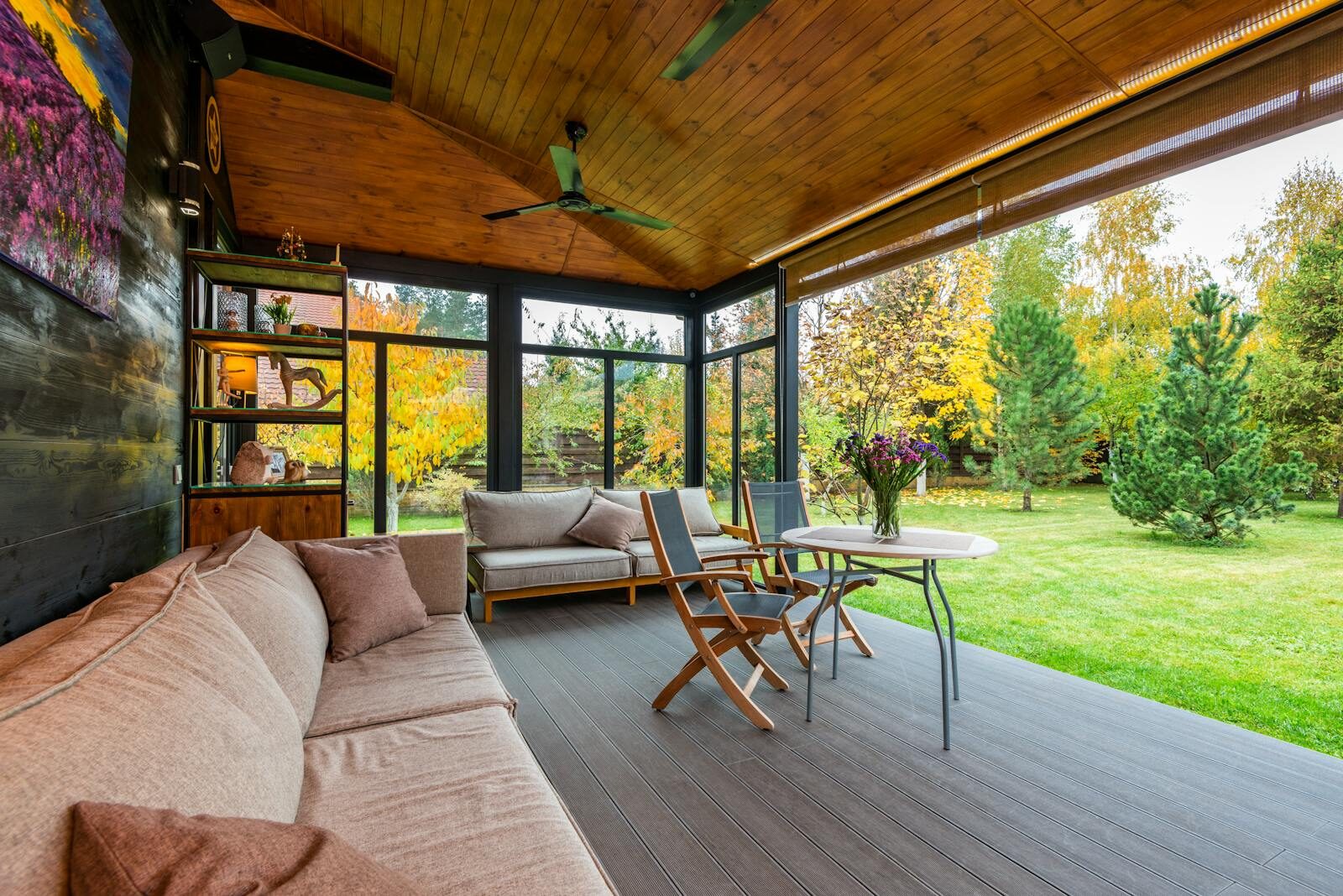
If you’ve ever looked out at your back porch in late September, watching the leaves turn gold but knowing the mosquitoes are still out in full force, you’ve probably thought: there has to be a better way to enjoy this. There is — and it’s called a three season room.
Whether you’re in the Pacific Northwest dealing with spring rain, the humid summers of the Southeast, or the crisp autumn mornings of New England, a three season room gives you a flexible, livable space that bridges the gap between your home’s interior and the great outdoors. And in 2025 and into 2026, American homeowners are investing in these spaces more than ever before, driven by a continued love of outdoor living and the desire to get more return on their square footage.
This guide walks you through everything you need to know — design styles, practical features, regional considerations, and smart upgrades — so you can create a three season room that actually works for your lifestyle.
What Exactly Is a Three Season Room?
A three season room (also called a sunroom, screened porch, or three-season porch) is an enclosed addition to your home designed to be used comfortably during spring, summer, and fall — but not typically insulated or heated enough for harsh winter use. Unlike a four season room, it doesn’t require the same level of insulation, HVAC infrastructure, or building permits in most U.S. states, which makes it significantly more affordable and faster to build.
The defining features are usually:
- Screened or glass panel walls that let in light and air while keeping bugs and debris out
- A solid roof (or pergola-style cover) that provides shade and rain protection
- A foundation or raised deck that connects to the home’s existing structure
- Open or semi-open ventilation rather than full climate control
Think of it as the sweet spot between a screened porch and a fully enclosed sunroom — you get the feeling of being outside without the downsides.
Three Season Room Ideas to Inspire Your Design
1. The Classic Screened Porch with a Modern Twist
The traditional screened porch never goes out of style, but homeowners are updating it in fresh ways. Instead of basic aluminum screening, consider solar mesh screens that reduce glare and UV exposure while still offering that open-air feel. Pair that with cedar tongue-and-groove ceiling boards (a huge trend in 2025-2026), oversized ceiling fans, and woven pendant lighting, and you’ve got a space that feels curated rather than tacked on.
For flooring, composite decking in earthy tones — think warm teak or weathered gray — holds up beautifully through the temperature swings of spring and fall without the maintenance headaches of real wood.
Best for: Homeowners in the South and Midwest who want maximum airflow without sacrificing bug protection.
2. The All-Glass Three Season Room
If your property has a killer view — whether it’s a wooded backyard in Vermont, a mountain vista in Colorado, or a lake in Minnesota — glass panel systems are worth every penny. EZE-Breeze panels and similar vinyl-glazed track systems let you open up entire wall sections on warm days and close them tight when temperatures drop or rain rolls in.
This option gives you the look of a full sunroom at a fraction of the cost because the panels are not permanent glass panes — they’re removable and flexible. You also get a much brighter space than traditional screening allows, which is a real game-changer for spring mornings when the light is incredible but it’s still 45°F outside.
Pro tip: Pair this with in-floor radiant heating mats (a popular upgrade in 2025) to extend use deeper into fall without a full HVAC system.
3. The Pergola-Covered Outdoor Living Room
Not every three season room needs to be fully enclosed. A pergola with a louvered roof system — brands like Struxure and Renson have become increasingly popular in the U.S. market — lets you control how much sun, shade, and rain you’re dealing with at any given moment via a remote or app.
Outfit it with all-weather furniture, a built-in outdoor kitchen or bar cart, a fire table for those chilly October evenings, and you’ve got an entertainment space that rivals any interior room in your home. Add outdoor-rated curtain panels along the perimeter and you get privacy and wind protection without full enclosure.
This approach works especially well for homeowners in drier climates like Arizona, California, and Texas where the “three seasons” of comfortable outdoor weather span much of the year.
4. The Converted Garage or Carport Space
Here’s one a lot of homeowners overlook: your detached garage or carport may be the perfect skeleton for a three season room. In many U.S. cities and suburbs, converting an existing structure is far easier from a permitting standpoint than building a new addition. You already have a roof, a slab, and often electrical — you just need walls, screening or panels, and some design love.
Paint the concrete floor with an epoxy coating in a warm neutral, add drop-track lighting, bring in comfortable seating, and hang a few pieces of outdoor-rated art. What was once a cluttered parking space becomes the hangout spot everyone wants to be in.
5. The Four-Season-Ready Three Season Room
If you’re already investing in a quality three season room, a little extra planning now can make it genuinely four-season-capable later without a full rebuild. The key is in the framing and foundation choices. Build with properly insulated walls, wire for heat (even if you don’t install it immediately), and choose double-pane low-E glass panels instead of single-pane options.
Many homeowners across the Northern U.S. — places like Chicago, Detroit, and the Twin Cities — are taking this hybrid approach in 2025-2026, knowing that climate patterns are shifting and they want flexibility built in from day one.
Design Elements That Make or Break the Space
Flooring That Can Handle the Elements
Your flooring has to deal with tracked-in mud from spring, bare feet and spilled drinks in summer, and damp leaves in fall. The best options in 2026:
- Porcelain tile — incredibly durable, looks sharp, but can feel cold in fall
- Composite decking — warm, low-maintenance, great for open-air or lightly enclosed spaces
- Sealed concrete — industrial-chic look, highly durable, best with area rugs for comfort
- Luxury vinyl plank (LVP) rated for temperature fluctuations — a newer option that many homeowners are choosing for its comfort and affordability
Avoid real hardwood unless the space is truly climate controlled. Temperature and humidity swings will cause warping and cracking within a season or two.
Lighting That Works Day and Night
Good three season rooms earn their keep well into the evening. Layer your lighting with three types:
- Ambient lighting — overhead fans with light kits, flush-mount fixtures, or recessed cans
- Task lighting — pendant lights over a dining table or reading nook
- Accent lighting — string lights (always popular), step lights, or landscape lighting visible through the screens
Smart lighting systems like Lutron Caseta and Philips Hue now offer outdoor-rated options that can be controlled via app, which is incredibly convenient when you want to shift the mood from a bright summer dinner party to a low-key fall evening.
Furniture That Lasts More Than One Season
This is where a lot of people make an expensive mistake. They buy cheap patio furniture, bring it into their new three season room, and wonder why it looks faded and sad within two years.
What to invest in:
- Teak or eucalyptus wood frames — naturally resistant to moisture and insects
- Sunbrella or equivalent solution-dyed acrylic fabrics — fade-resistant, mold-resistant, and available in hundreds of styles
- Powder-coated aluminum frames — lighter than steel, rust-proof, and incredibly durable
The outdoor furniture market has matured significantly in the past few years. You can now find genuinely beautiful pieces that look like something from an interior design showroom but are built to handle real outdoor conditions.
For more on building a functional and beautiful outdoor space that connects to your home’s interior, check out our guide on how to design a seamless indoor-outdoor living space — it pairs perfectly with everything you’re building here.
Practical Considerations Before You Build
Permits and HOA Approvals
In most U.S. states, any addition to your home — even a screened porch — requires a building permit. The requirements vary significantly by municipality. In Florida, for example, screened enclosures have very specific wind-load requirements because of hurricane risk. In California, seismic considerations affect foundation choices.
Always check with your local building department before you start designing. Also, if you live in a neighborhood with a Homeowners Association, you’ll need approval before breaking ground. Many HOAs have specific rules about enclosure materials, colors, and roof styles. Getting this wrong can mean costly changes after the fact.
Costs: What to Budget in 2026
Three season room costs vary enormously based on size, materials, and your location, but here’s a realistic range for U.S. homeowners in 2026:
- Basic screened porch addition (200–300 sq ft): $15,000–$30,000
- Glass panel system (EZE-Breeze style): $25,000–$50,000
- Pergola with louvered roof: $20,000–$60,000 depending on size and features
- Full converted addition with glass walls: $40,000–$80,000+
Labor costs have remained elevated since 2022, and quality contractors in major metro areas are typically booked 2–4 months out. If you’re planning for spring installation, start your contractor conversations in late winter.
The good news: according to Remodeling Magazine’s Cost vs. Value Report, screened porch additions consistently rank among the top ROI home improvement projects in the U.S., often returning 60–80% of the investment at resale — and that’s before you factor in years of personal enjoyment.
Ventilation and Airflow
One thing that surprises new three season room owners is how hot these spaces can get in the height of summer, especially if the room faces west or southwest. Ceiling fans are a must, not an option. And if you have a glass panel system, operable windows or sections that open completely are critical for cross-ventilation.
In humid climates — the Gulf Coast, Southeast, and Mid-Atlantic — consider a dehumidifier during peak summer months. Trapped humidity leads to mold on furniture, musty odors, and general discomfort. A small portable unit can make a massive difference.
Regional Ideas Tailored for U.S. Homeowners
Northeast (New England, Mid-Atlantic): Focus on fall-readiness. Incorporate a wood-burning or gas fireplace insert, layered textiles, and warm lighting for those September and October evenings when the foliage is peak but temps are dropping.
Southeast (Florida, Georgia, Carolinas): Bug protection is everything. High-quality screens with a fine mesh (20×20 mesh or better) keep out no-see-ums and mosquitoes. Solar screens on sun-facing sides reduce UV and heat. Ceiling fans should be rated for damp or wet locations.
Midwest (Illinois, Ohio, Michigan): Build for the shoulder seasons. Spring and fall are often the best weather months in the Midwest. Invest in adjustable panels or screens that you can swap out. Consider polycarbonate roof panels that let in natural light even on overcast days.
Pacific Northwest (Oregon, Washington): Rain management is the priority. Make sure your roof drainage is thoughtfully designed, and choose materials that handle perpetual dampness — composite, powder-coated metal, and concrete hold up far better than wood in this climate.
Southwest (Arizona, New Mexico, Texas): Shade is king. Louvered pergola systems and retractable shade sails are popular for a reason. Look for furniture with UV-resistant ratings. Misters along the perimeter can drop apparent temperatures by 10–15 degrees on hot evenings.
Sustainability and Smart Features Worth Adding
Homeowners are increasingly asking for three season rooms that align with their broader sustainability goals. Some features worth considering:
- Solar panel integration on the roof structure, especially on south-facing rooms
- Rainwater collection connected to gutter systems for garden irrigation
- LED lighting throughout — a no-brainer for energy efficiency
- Smart sensors for automated blinds or louvered roofs that respond to sunlight and rain
The U.S. Department of Energy’s guidelines on energy-efficient home additions (available at energy.gov) offer useful benchmarks if you’re building with efficiency in mind, especially if you’re considering upgrading to a four-season space down the road.
Bringing It All Together: How to Start Your Project
The best three season rooms don’t happen by accident — they’re the result of intentional planning that starts with how you actually want to use the space.
Ask yourself:
- Is this primarily for dining, lounging, or both?
- How many people will typically use it at once?
- Do you entertain frequently, or is this mostly a personal retreat?
- What’s your honest budget, including a 15–20% contingency?
- Are there views you want to maximize or sightlines you want to block?
Once you’ve answered those questions, find a local contractor who specializes in outdoor living additions — not just a general contractor who does it occasionally. The difference in quality and efficiency is significant. Ask to see completed projects, talk to past clients, and get at least three competitive bids.
A well-designed, well-built three season room doesn’t just add square footage to your home. It changes how you live in it — drawing you outside more, giving you a place to breathe between seasons, and creating memories in a space that feels uniquely yours.
Final Thoughts
There’s something genuinely special about a space that exists between the indoor and outdoor worlds — where you can hear rain on the roof, feel a fall breeze, and still sit in a comfortable chair with a cup of coffee without anything biting you. That’s what a great three season room delivers.
Whether you go all-in on a glass-panel addition with heated floors, or simply upgrade your existing screened porch with better furniture and thoughtful lighting, the investment in this kind of space pays dividends in quality of life that’s hard to put a number on.
Start with a clear vision, plan for your specific region and climate, invest in quality materials, and don’t rush the contractor selection process. Do those things, and your three season room will be one of the best decisions you’ve ever made for your home.