

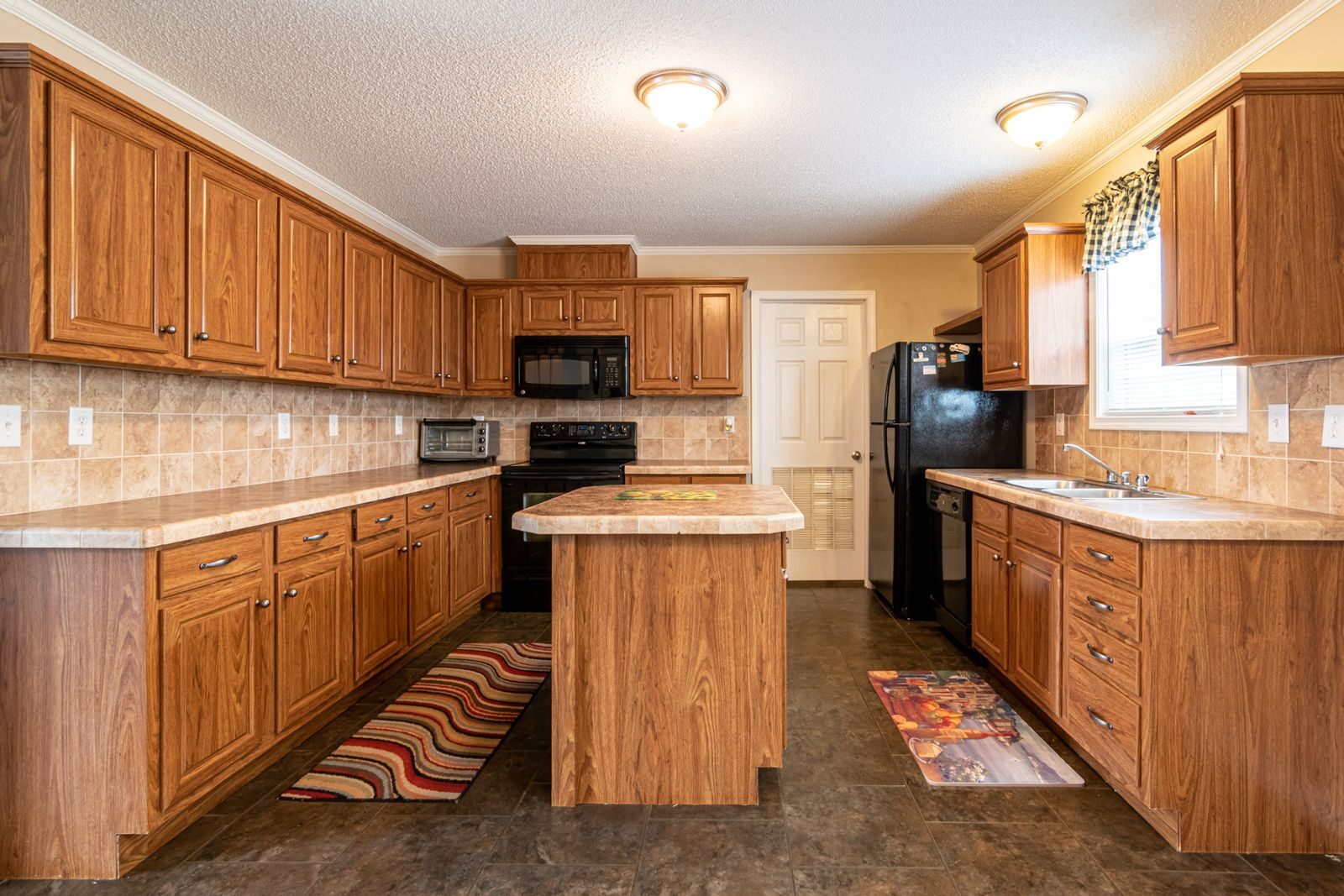
If you’ve been scrolling kitchen remodel photos lately, you’ve probably noticed something. White and gray kitchens are fading into the background, and warm, dark wood is stepping forward. Walnut, in particular, has become the wood that designers keep returning to in 2026. It’s rich, it’s timeless, and it photographs beautifully without trying too hard.
But walnut cabinets aren’t just a passing aesthetic. They’re also a serious investment, so it helps to understand what’s actually trending, what things cost, and what tradeoffs come with the territory. This guide walks through the current design trends, realistic 2026 pricing across the U.S., and the practical questions you should ask before committing to walnut in your own kitchen.
Why Walnut Is Leading Kitchen Design in 2026
Walnut isn’t new. Designers have used it for decades in furniture and high-end cabinetry. However, something shifted over the past two years. After a long stretch of pale oak and all-white kitchens dominating home renovations, homeowners started craving spaces that feel warmer and more lived-in.
Industry data backs this up. According to reporting on 2026 contractor trends, dark wood cabinets including walnut, mahogany, and smoked oak are seeing a major resurgence, with 59% of professionals noting increased demand compared to the pale oak that dominated recent years. Meanwhile, the National Kitchen & Bath Association has also tracked this shift closely. Their 2026 Kitchen Trends Report found that dark woods like walnut now appear in about 35% of kitchen designs, largely thanks to their luxurious grain patterns.
So why the change? Designers point to psychology as much as aesthetics. Bright, all-white kitchens photographed well for Instagram, but many homeowners eventually found them cold and clinical. Walnut brings warmth, texture, and a sense of permanence that a flat white finish simply can’t match. It also tends to hide everyday wear better than pale finishes, which matters a lot in busy family kitchens.
Top Walnut Cabinet Design Trends for 2026
Walnut kitchens today look noticeably different from the walnut kitchens of a decade ago. Here’s what’s actually showing up in current builds and renovations.
Matte and Hand-Rubbed Finishes
Glossy walnut is largely out. Instead, matte and hand-rubbed finishes are the standard for 2026, since they let the wood’s natural grain take center stage instead of reflecting light back at you. Matte finishes are replacing glossy cabinets, with 60% of designers saying minimalism will keep gaining ground this year. If you want cabinets that feel handcrafted rather than mass-produced, a matte or wire-brushed texture is the way to go.
Two-Tone Kitchens with a Softer Contrast
Two-tone kitchens haven’t disappeared, but the execution has changed. Instead of stark navy-and-white pairings, homeowners are choosing subtler combinations within the same warm color family. A common approach pairs light oak or cream upper cabinets with a walnut island or lower cabinets, which grounds the room without creating harsh visual breaks. This layered approach is popular enough that nearly one in five U.S. homeowners now choose contrasting upper and lower cabinet finishes, according to recent Houzz survey data.
Planked and Fluted Walnut Panels
Texture is having a real moment. Vertical fluting and planked walnut formats add rhythm and depth to large surfaces, especially on kitchen islands and full-height pantry walls. These details create shadow lines that shift throughout the day as natural light moves across the room, adding a subtle architectural quality that flat panels can’t replicate.
Walnut Islands as Standalone Furniture
Instead of matching every cabinet in the kitchen, many designers are treating the island as its own feature piece. Pairing a light wood perimeter, such as white oak or maple, with a dark walnut island creates instant contrast and turns the island into the visual anchor of the room. It’s a simple move, but it consistently reads as more intentional and more custom.
Warm Metal Hardware
Brass, especially unlacquered brass that develops patina naturally over time, pairs beautifully with walnut’s warm undertones. Matte black hardware also works well and tends to suit almost any wood species, so it’s a safer choice if you’re not ready to commit to a specific metal finish long-term.
Curved Cabinetry and Islands
Soft curves continue to gain popularity, often used to round off the ends of cabinet runs or soften an island’s edges. Combined with walnut’s organic grain, curved forms create a warmer, more sculptural feel that fits naturally with the broader “quiet luxury” direction shaping kitchens this year.
How Much Do Walnut Kitchen Cabinets Cost in 2026
Cost is often the deciding factor, so let’s talk numbers. Walnut sits at the top of the domestic hardwood market, and pricing reflects that.
Semi-custom walnut cabinets in 2026 typically run between $600 and $850 per linear foot, while fully custom projects using book-matched sequences and select-grade lumber can exceed $1,500 per linear foot. That’s a meaningful premium. In fact, walnut generally commands a 30% to 50% price bump over white oak, largely because select-grade American walnut is harvested in smaller quantities and demand keeps climbing.
Regional pricing across the U.S. does vary. Homeowners in major metro areas like New York, Los Angeles, and Chicago should expect to land toward the higher end of that range due to labor and shipping costs. Meanwhile, buyers in the Midwest and parts of the South, where several domestic hardwood mills are located, sometimes find slightly better pricing on raw material, though skilled cabinetmaker labor still drives most of the total cost.
If the full walnut price tag feels out of reach, there’s a workaround worth considering. Many manufacturers now offer walnut-colored finishes on other hardwoods, such as cherry, maple, hickory, or oak. These alternatives deliver a similar visual warmth for meaningfully less money, though they won’t replicate walnut’s exact grain character. We cover this comparison in more detail in our white oak vs. walnut cabinets guide, which is worth a read if budget is a major factor in your decision.
Walnut vs. Walnut-Colored Cabinets: What’s the Difference
This distinction trips up a lot of buyers during the showroom process. Real walnut cabinets are milled from actual walnut lumber or veneer, so they display natural grain variation, color depth, and the subtle amber patina that develops with sunlight exposure over the years. Walnut-colored cabinets, on the other hand, are stained to look like walnut but are actually built from a different, usually less expensive, species of wood.
Neither option is inherently wrong. If grain authenticity and long-term value matter to you, genuine walnut is worth the investment. However, if you simply love the color and want to save money, a well-stained alternative hardwood can look nearly identical in photos and everyday use. The real difference shows up over decades, as authentic walnut ages with more character and depth.
Is Walnut Right for Your Kitchen? Pros and Cons
Before you commit, it helps to weigh walnut’s strengths against its practical limitations.
Pros:
- Rich, one-of-a-kind grain patterns, since no two walnut boards look identical
- Strong durability, often lasting 20 to 30 years or longer with proper sealing
- Natural oils that offer some built-in moisture and insect resistance
- Excellent at hiding fingerprints, smudges, and everyday wear compared to lighter finishes
- Consistently high resale appeal, since buyers associate solid wood with quality construction
Cons:
- Higher upfront cost than nearly any other domestic hardwood
- Softer than oak, so it’s more prone to dents and scratches from daily use
- Performs best in kitchens with good natural light; dim, low-window spaces can make it feel heavy
- Color shifts slightly over time with UV exposure, developing an amber or orange tint in direct sun
- Requires periodic refinishing if you choose an oil finish rather than a sealed one
If your kitchen gets plenty of natural light and you’re planning to stay in your home long-term, walnut tends to be a rewarding choice. On the other hand, if your kitchen is small, dim, or you’re renovating primarily to sell soon, a lighter or more budget-friendly wood might serve you better.
Buying Guide: What to Ask Before You Order Walnut Cabinets
Once you’ve decided walnut is the right direction, a few practical questions will help you avoid costly mistakes.
Ask about lumber grading. Select-grade walnut with book-matched grain sequencing costs more, but it produces a noticeably more cohesive look across large cabinet runs. Ask your cabinetmaker exactly which grade you’re paying for.
Confirm the finish type. Matte, hand-rubbed, and oil finishes all behave differently over time. Oil finishes need reapplication roughly every 6 to 12 months, while sealed finishes require far less maintenance but slightly mute the wood’s natural texture.
Discuss your kitchen’s lighting. A good cabinetmaker should ask about your window placement and natural light before recommending walnut, since dark cabinets in a north-facing or windowless kitchen can feel closed-in rather than cozy.
Get a realistic installation timeline. Standard kitchens typically take three to seven days for cabinet installation, while larger or more customized projects can stretch closer to two weeks, especially if electrical or plumbing work is involved.
Ask how they’ll manage wood movement. Wood naturally expands and contracts with humidity changes. This isn’t a defect, but your installer should explain how they’ll account for seasonal shifts, particularly if you live somewhere with big temperature swings between summer and winter.
Caring for Walnut Cabinets Long-Term
Walnut is a low-maintenance wood overall, but a few habits will keep it looking its best for decades. Avoid harsh chemical cleaners, since they strip the finish and dull the grain over time. Instead, wipe cabinets with a soft, slightly damp cloth and a mild soap when needed.
If you live somewhere with dry winters, particularly across the Midwest, Rockies, or northern states, running a humidifier during colder months helps minimize wood movement and cracking. Coastal and Southern homeowners dealing with higher humidity generally have less to worry about, since walnut’s natural oils provide decent moisture resistance already.
Finally, keep an eye on direct sunlight exposure near windows. Since walnut can develop a warmer, slightly orange patina with prolonged UV exposure, rotating small decor items or using UV-protective window film can help the color age evenly across your cabinetry.
Local Context: What U.S. Homeowners Should Know
Climate plays a bigger role in cabinet performance than most people expect. In humid regions like the Gulf Coast or the Pacific Northwest, walnut’s natural oil content actually gives it an edge over softer woods like maple, since it resists moisture-related warping reasonably well. Meanwhile, in drier climates such as the Southwest or the high plains, indoor humidity control becomes more important to prevent the wood from drying out and cracking at the joints.
Resale value also varies by region. In competitive coastal markets where buyers expect higher-end finishes, walnut cabinetry tends to stand out as a premium feature that can support a stronger asking price. In more budget-conscious markets, the return on investment may not fully offset the added cost, so it’s worth discussing expected resale value with a local real estate agent or contractor before finalizing your material choice.
For more detailed, region-specific guidance, the National Kitchen & Bath Association publishes ongoing research on material trends and consumer preferences across the U.S., which is a solid resource if you want data straight from the source.
Frequently Asked Questions
Are walnut kitchen cabinets still trending in 2026? Yes, and demand has actually grown. Dark wood cabinets, including walnut, have overtaken pale oak as the preferred finish among a majority of design professionals this year, largely because homeowners want kitchens that feel warm and lived-in rather than sterile.
How much do walnut cabinets cost per linear foot in 2026? Semi-custom walnut cabinets generally run $600 to $850 per linear foot, while fully custom, book-matched designs can exceed $1,500 per linear foot depending on lumber grade and craftsmanship.
Is walnut a durable choice for kitchen cabinets? Walnut holds up well in kitchens and can last 20 to 30 years or more with proper sealing. That said, it’s softer than oak, so it’s more prone to minor dents and scratches from everyday bumps.
What’s the difference between walnut and walnut-colored cabinets? Real walnut cabinets are made from actual walnut lumber or veneer, showing natural grain variation. Walnut-colored cabinets are stained to mimic that look but are typically built from a different, less expensive wood species.
Do walnut cabinets work in small or dark kitchens? Not always. Walnut performs best in kitchens with good natural light. In small or dim spaces with limited windows, dark walnut can make the room feel heavier and more closed-in.
How do I maintain walnut cabinets over time? Stick to mild soap and a soft cloth for cleaning, avoid harsh chemicals, and consider running a humidifier during dry winter months. If you chose an oil finish, plan on reapplying it every six to twelve months.
Do walnut cabinets increase home resale value? Generally, yes. Buyers tend to associate solid wood cabinetry with quality construction and are often willing to pay more compared to painted alternatives, though the exact return varies by local market.
Can I mix walnut with other cabinet colors or woods? Absolutely. Pairing walnut islands with lighter perimeter cabinets, such as white oak or maple, is one of the most popular design choices in 2026 and creates a natural focal point without overwhelming the space.
Final Thoughts
Walnut kitchen cabinets aren’t just having a moment. They represent a broader shift toward warmth, texture, and materials that feel genuinely built to last. Whether you go with fully custom walnut or a more budget-friendly walnut-colored alternative, the key is matching the wood to your kitchen’s lighting, your household’s daily habits, and your long-term plans for the home. Take the time to ask the right questions before you order, and walnut can easily become the kind of investment that only looks better with age.