

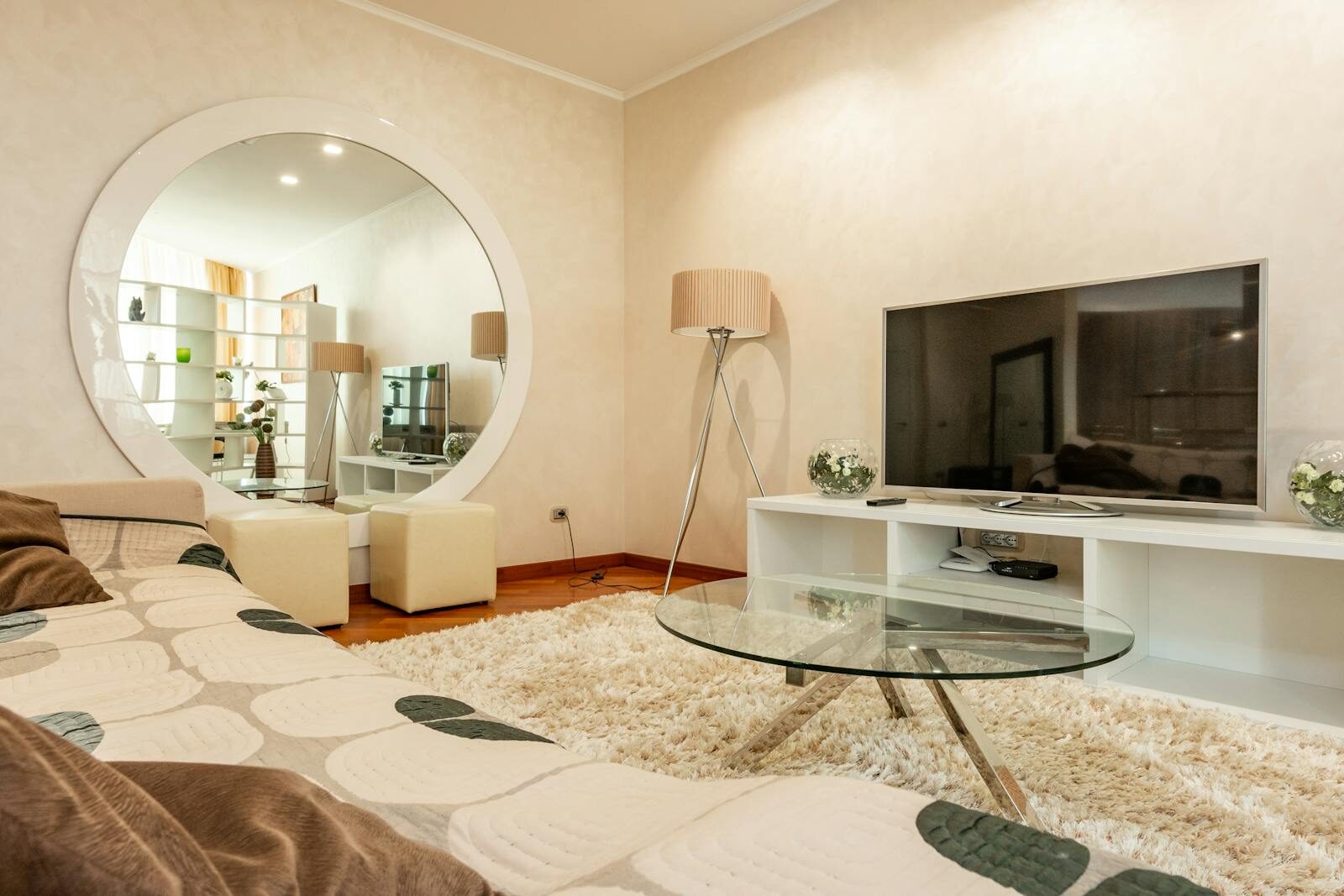
Small living rooms have a secret weapon that most people walk right past: the corner. That awkward, often-empty spot where two walls meet is one of the most underutilized areas in American homes — and in 2026, smart homeowners and designers are finally putting it to work.
Whether you’re furnishing a 10×12 apartment living room in Chicago, a studio condo in Austin, or a starter home in suburban Ohio, a well-chosen corner entertainment center can completely transform how a small space looks and functions. It tucks your TV setup out of the way, frees up prime wall space for other furniture, and — when done right — actually makes the room feel larger, not smaller.
I’ve spent years helping people plan and style small living rooms, and the corner setup is one of my most-recommended solutions for anyone dealing with limited square footage. This guide covers the best ideas, current trends, practical sizing advice, and everything else you need to make a smart decision in 2026.
Why a Corner Entertainment Center Makes Sense in 2026
Before we dive into specific ideas, it’s worth understanding why corner placement has gained so much traction in recent years — and why it makes even more sense now.
American apartments and starter homes have been trending smaller. The average small living room in the U.S. runs between 120 and 180 square feet, with common dimensions around 10×12 or 12×15 feet. In spaces like these, a traditional flat-wall entertainment center can eat up 6 or more feet of prime wall real estate — wall space that could otherwise hold a sofa, a bookcase, or even a small dining setup in open-plan layouts.
Corner units change that equation entirely. By fitting snugly into an otherwise dead zone, they free up the room’s main walls and create a more open, breathable layout. Placing your TV in the corner also creates a natural viewing angle that helps reduce glare from windows and keeps the screen from dominating the room visually.
There’s a design advantage too. In 2026, the prevailing philosophy in living room design — driven by the continued rise of Japandi aesthetics and “quiet luxury” interiors — is that furniture should support a space rather than overpower it. A corner unit, properly scaled, does exactly that.
The 7 Best Corner Entertainment Center Ideas for Small Spaces
1. The Floating Corner Unit
If one trend defines small-space TV furniture in 2026, it’s floating — and it works brilliantly in corners too.
A wall-mounted corner console sits 8–12 inches off the floor, which does something almost magical: because you can see the floor beneath it, your brain reads the room as larger than it actually is. The floor continuity tricks the eye into perceiving more space, a well-documented principle in interior design.
Modern floating corner units have evolved beyond the basic boxy shelf. Look for designs with curved or radiused edges (a big 2026 trend), hidden cable channels built into the mount, and asymmetrical shelving configurations that add visual interest without bulk. Finish options range from warm white oak to matte charcoal, so it’s easy to find something that fits your existing decor.
Best for: Minimalist and modern interiors, renters who want a clean look, rooms under 150 sq ft.
Practical tip: Make sure your walls can support the weight. In older U.S. apartments and rental homes, locate the studs before you start — most corner TV mounts need to anchor into at least two studs for stability.
2. The Tall Corner Tower Unit
When floor space is tight but vertical space isn’t being used, going tall is one of the smartest moves you can make.
A tall corner entertainment tower — typically standing 60 to 72 inches high — uses the room’s height rather than its footprint. You get plenty of storage on a small base, and the vertical lines actually draw the eye upward, which makes ceilings feel higher and the room feel more generous overall.
Look for models with adjustable shelving so you can accommodate different equipment heights, enclosed lower cabinets to hide gaming consoles, routers, and the inevitable cable chaos, and open upper shelves for display. Models with built-in LED lighting strips add ambiance while also serving a practical purpose — making it easy to find remotes in a dim room.
Best for: Rooms with 8-foot or higher ceilings, people who need significant storage, traditional and transitional decor styles.
Practical tip: Anchor tall units to the wall — especially important in homes with children or pets. Most units over 60 inches should be secured with the anti-tip hardware that typically comes included (but is often skipped). This is both a safety and stability issue.
3. The L-Shaped Corner Configuration
The L-shaped corner entertainment center extends along two walls rather than just sitting at the angle point. This creates a wrap-around effect that’s incredibly functional in small rooms with open floor plans.
The extra surface area along both walls lets you spread out — TV in the center corner position, media components on one side, decorative display or plant shelving on the other. Some L-shaped designs include a swivel base for the TV section, so you can angle the screen toward the kitchen or dining area in open-plan layouts, which is a genuinely useful feature for smaller apartments where the living and dining zones share the same room.
In 2026, the best L-shaped designs use modular components — meaning you buy the pieces you need and configure them for your exact corner dimensions, rather than being stuck with a fixed shape that may or may not fit your room perfectly.
Best for: Studio apartments and open-plan spaces, people who need to maximize storage across multiple surfaces, rooms where the TV needs to be viewable from more than one angle.
4. The Japandi-Style Low-Profile Corner Console
Japandi — the design philosophy that blends Japanese minimalism with Scandinavian functionality — is not just surviving in 2026, it’s thriving. And its influence on corner TV furniture is significant.
The Japandi corner console sits very low to the ground, typically just 12 to 18 inches tall. It keeps sightlines completely open, creates a grounded, gallery-like feeling in the room, and lets the space breathe. The aesthetic hallmarks include warm wood tones (roasted oak and walnut are the dominant finishes right now, a shift from the cooler ash tones that led in previous years), slatted cabinet doors, handle-less facades, and clean geometric lines with no ornamental detail.
This style works best when you’re willing to commit to it consistently throughout the room. If your other furniture is ornate or heavily traditional, a low Japandi console will feel out of place. But when the room’s palette and furniture shapes are aligned, this is one of the most visually elegant solutions available for small spaces.
Best for: Modern, minimalist, and Scandinavian-inspired interiors; rooms with low seating like floor cushions or low-profile sofas; apartments with good natural light.
5. The Built-In Corner Nook
If you own your home (or have a very accommodating landlord), a built-in corner entertainment nook is the gold standard for small-space design. This involves constructing shelving and cabinetry directly into the corner — floor to ceiling if your budget allows — so the unit becomes part of the room’s architecture rather than a piece of furniture sitting in front of it.
Built-ins look custom because they are custom. They eliminate the gap between furniture and wall that often makes freestanding pieces look slightly provisional, and they offer vastly more storage per square foot than any freestanding alternative. You also get full control over dimensions, finish, and feature details like integrated lighting, wire management, and adjustable shelf heights.
The trade-off is cost and commitment. A professionally built corner entertainment niche typically runs $1,500 to $5,000+ depending on your location and the complexity of the design. A growing number of American homeowners are achieving similar results with a semi-DIY approach — using IKEA BILLY bookcase units or PAX frames as the foundation, then adding custom trim, paint, and hardware to create a seamless built-in look at a fraction of the cost.
Best for: Homeowners, long-term renters with permission to modify walls, anyone who wants maximum storage and a fully custom look.
6. The Rustic Farmhouse Corner Unit
Not every small space calls for sleek minimalism. If your home leans warm, cozy, and traditional — think shiplap walls, vintage accessories, and woven textiles — a rustic farmhouse corner entertainment center can anchor the room beautifully.
These units typically feature distressed or natural wood finishes (reclaimed pine and knotty oak are popular), sliding barn door fronts on lower cabinets, black metal hardware accents, and a generally unpretentious, lived-in aesthetic. They’re also widely available at accessible price points — you’ll find solid options at stores like Living Spaces, Wayfair, and At Home, as well as at local furniture chains across the Midwest and South where the farmhouse look has deep roots.
In a small room, keep the scale proportional. A hulking farmhouse unit with ornate millwork details will feel oppressive at close range. Look for cleaner, simpler interpretations of the style — natural wood with sliding doors, minimal decorative elements, and a compact footprint.
Best for: Traditional, farmhouse, and transitional interiors; family homes; anyone who prefers warm materials over sleek finishes.
7. The Modular Mix-and-Match System
Modular furniture has been building momentum for a few years, but in 2026 it’s become a genuinely mature product category with high-quality options at multiple price points.
A modular corner entertainment system lets you configure your own setup from individual components: a base console for the TV, add-on shelving towers on one or both sides, optional closed cabinets beneath, and upper floating shelves above. You can start with a simple two-piece setup and expand over time as your needs or budget allow. When you move — whether across the city or across the country — the pieces break down into manageable units that can be reconfigured for a completely different space.
This is especially smart for renters and younger homeowners who know their living situation is likely to change. The modular approach also means you’re never stuck with a piece that’s the wrong size — you adapt the furniture to the room rather than adapting the room to the furniture.
Brands like IKEA, West Elm, and a growing number of direct-to-consumer furniture companies offer credible modular systems in both budget and premium tiers.
Best for: Renters, frequent movers, people who want flexibility over time, anyone furnishing a space they expect to change.
Sizing Your Corner Entertainment Center: The Numbers That Matter
Getting the size right is the most important step — and the one most people skip. Here’s a practical framework:
TV size vs. unit width: Your entertainment center should generally be at least 6–10 inches wider than your TV on each side for visual balance. A 55-inch TV works well on a unit that’s 65–75 inches across. A 43-inch TV on a 47-inch unit looks cramped.
Room size vs. unit depth: Corner units typically project 18–24 inches into the room from the wall angle. In a room under 150 square feet, prioritize units on the shallower end of that range — every inch of floor clearance matters.
Height: As a general rule, the center of your TV screen should be at eye level when you’re seated, which is typically 42–48 inches from the floor. Work backward from there to determine what mount height or unit height you need.
The 2/3 rule for visual proportion: Interior designers often recommend that your entertainment center span roughly two-thirds of the wall width it faces. In a corner setup, this applies to the visual footprint — the unit shouldn’t feel either tiny and lost or so large that it overwhelms the space.
2026 Design Trends to Know Before You Buy
A few specific trends are shaping the corner entertainment center market this year and are worth knowing before you shop:
Warm wood tones are in. The cool, bleached, Scandinavian-pale wood finishes that dominated 2022–2024 have given way to warmer, richer tones. Roasted oak, walnut, and warm medium browns are the go-to choices in 2026 — they photograph beautifully, age gracefully, and pair well with the earthy, textural living room palettes that are trending right now.
Cable management is no longer optional. Exposed cable chaos reads as dated and careless in 2026. Look for units with dedicated cable routing channels, back-panel cutouts, and wire management accessories. If your unit doesn’t come with these features built in, invest in a cable management kit — they’re inexpensive and make an enormous visual difference.
Integrated lighting adds significant value. LED strip lighting inside shelving, underneath floating units, or behind TV panels adds ambiance and is enormously popular right now. It’s also functional — backlighting reduces eye strain when watching TV in a dark room.
Smart TV cabinets with built-in charging stations are emerging as a premium feature, particularly for households with multiple devices. Some 2026 units include USB-A and USB-C charging ports integrated into the unit’s surface — a small but genuinely useful convenience.
Sustainability matters more. Buyers in the U.S. are increasingly looking at materials and manufacturing practices. Furniture made from FSC-certified wood, recycled materials, or low-VOC finishes is gaining market share — both because of genuine environmental concern and because these products tend to be better made.
Where to Buy Corner Entertainment Centers in the USA
You don’t have to visit a specialty furniture store to find a quality corner unit. Here’s where American shoppers are having the best results in 2026:
IKEA remains the dominant choice for modular, budget-friendly setups. The BRIMNES and HAVSTA series work well in corners with some creative configuration. Assembly required, but the value is hard to beat.
Wayfair offers the widest online selection in the U.S., spanning everything from sub-$200 basic units to $1,500+ solid wood pieces. Filter by “corner” and sort by verified reviews — look for products with 4.3 stars or higher and at least 100 reviews.
Living Spaces (available throughout California and the Southwest) has a strong selection of mid-range entertainment furniture with good in-store experience and fast delivery.
West Elm is the go-to for modern and Japandi-leaning styles at the premium-mid price point. Their modular media consoles are particularly well-executed.
At Home (formerly Garden Ridge) offers surprisingly well-made farmhouse and transitional corner units at accessible prices, with stores across 40 states.
For custom or semi-custom built-in projects, search for local carpenters or finish carpenters through Houzz’s service directory — you’ll find vetted local professionals in most U.S. metro areas.
Common Mistakes to Avoid
Buying without measuring first. This sounds obvious, but it’s the most common mistake. Measure your corner angle too — not all corners are perfectly 90 degrees, particularly in older homes. A unit designed for a true 90-degree corner may not sit flush in a slightly off-angle space.
Choosing style over scale. A beautiful unit that’s too large for the room will make the space feel cramped and claustrophobic. When in doubt, go smaller — a proportionally correct piece always looks better than an oversized one.
Ignoring viewing distance. The ideal viewing distance for a 55-inch 4K TV is roughly 4.5 to 7 feet from the screen. Measure this in your room before placing the unit — if you can’t achieve at least 4 feet of clear viewing distance, consider a smaller screen or a different placement strategy.
Skipping ventilation for electronics. Enclosed lower cabinets look tidy, but if your gaming console, cable box, or streaming device doesn’t have airflow, it will overheat. Look for units with ventilated backs, or leave cabinet doors slightly ajar for equipment that runs hot.
A Quick Note on Styling Your Corner Setup
The furniture is only half the picture. A few styling decisions make a significant difference in how your corner entertainment center reads in the room:
Keep the top surface clear or nearly so. One or two intentional objects — a small potted plant, a simple sculpture, a framed photo — looks curated. A cluttered surface looks like overflow storage.
Use vertical height purposefully. If your unit has tall side shelving, alternate between books, plants, small objects, and intentional empty space. Breathing room between objects is what makes a shelf look styled rather than stuffed.
For more ideas on pulling the full living room together around your entertainment setup — including how to choose a rug, arrange seating, and manage lighting — check out our complete small living room design guide for practical layout tips that work in real American homes.
Final Thoughts
The corner of your living room is one of the most valuable pieces of real estate you’re probably not using well. In 2026, with living spaces getting smaller and design standards getting smarter, a well-chosen corner entertainment center is one of the highest-impact changes you can make to a small room.
Whether you go with a sleek floating unit that makes your floor look endless, a warm Japandi console that grounds the room in natural materials, a practical modular system that grows with you, or a fully custom built-in that looks like it was always part of the house — the corner is waiting to be transformed.
Measure carefully, choose a style that fits the room you actually have (not the one you wish you had), and don’t skip the cable management. Do those three things, and your corner setup will look intentional, polished, and right for years to come. For a deeper dive into viewing distances, TV sizing, and room layout planning, the Wirecutter’s TV buying guide is one of the most thorough and trustworthy free resources available — particularly useful when pairing a new TV with a new entertainment setup.