

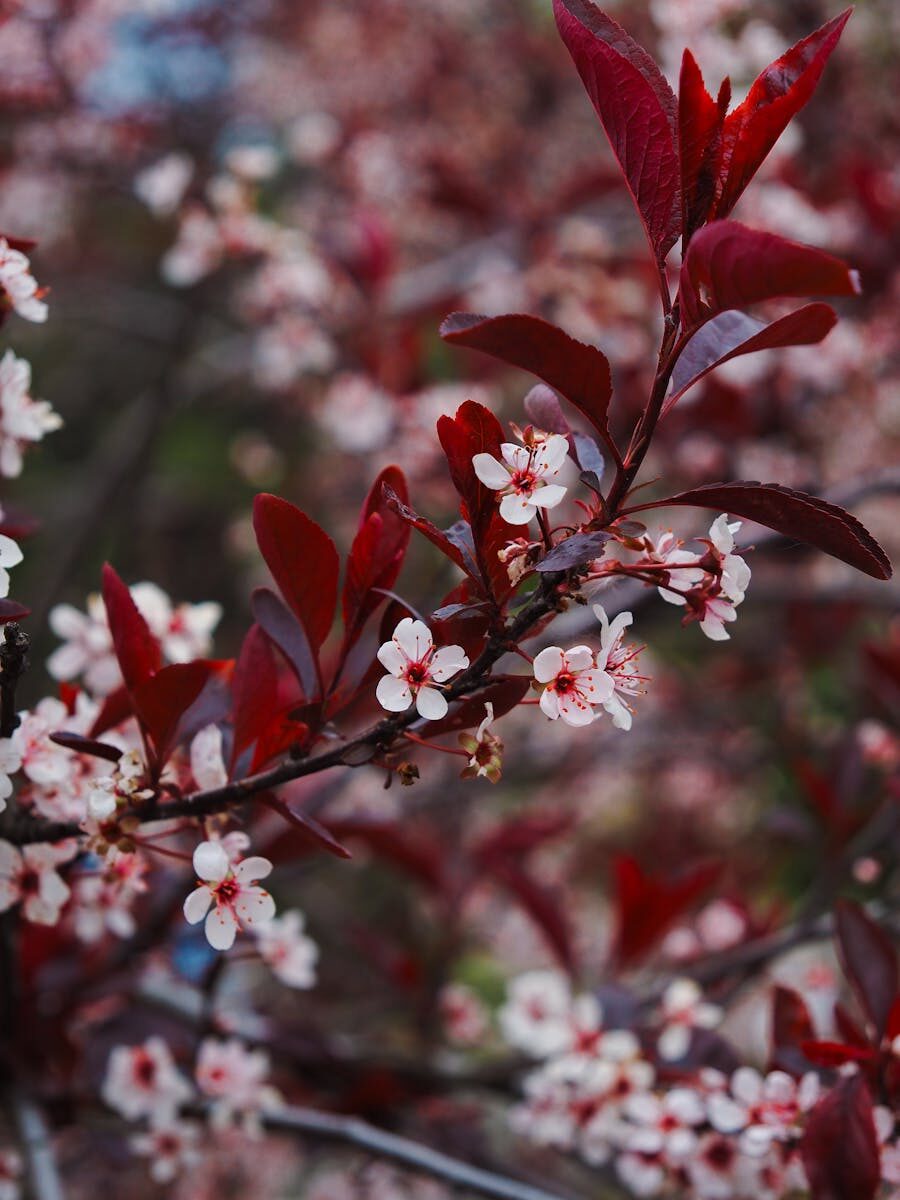
If you’ve ever driven through a Southern neighborhood in early spring and spotted a tree practically glowing with deep burgundy-red leaves and soft pink blossoms, there’s a good chance you were looking at a Royal Red Leaf Peach tree. It stops you in your tracks. It’s bold, dramatic, and somehow still delicate — the kind of tree that makes your neighbor slow down their car to ask, “What IS that?”
I’ve grown several ornamental and fruiting peach varieties over the years, and the Royal Red Leaf (Prunus persica ‘Royal Red Leaf’) consistently earns its spot in the landscape. It isn’t just pretty — it’s a genuinely rewarding tree to grow once you understand what it needs. And that’s exactly what this guide is for.
Whether you’re planting your first tree in a Georgia backyard or squeezing one into a tight Pacific Northwest lot, this complete growing guide walks you through everything: variety background, soil and site prep, planting steps, watering, fertilizing, pruning, pest management, and harvesting.
What Is the Royal Red Leaf Peach Tree?
The Royal Red Leaf Peach is an ornamental-fruiting variety of Prunus persica, a species native to China and cultivated globally for thousands of years. What sets ‘Royal Red Leaf’ apart from standard green-leaved peach trees is its striking deep red to burgundy foliage, which emerges in spring alongside bright pink blossoms and holds its color through the growing season.
It’s a taller variety — typically reaching 15 to 20 feet at maturity — which distinguishes it from the more compact dwarf cultivars like ‘Bonfire’ that were actually developed from Royal Red Leaf rootstock. Because of its height and robust growth, it works beautifully as a specimen tree, a privacy screen anchor, or a focal point in larger landscape designs.
The fruit it produces is edible, though most gardeners grow this tree primarily for its ornamental value. The peaches themselves are smaller than commercial varieties, mildly sweet, and excellent for jams, preserves, or baked goods rather than fresh eating straight off the branch.
Quick Stats at a Glance:
- Botanical name: Prunus persica ‘Royal Red Leaf’
- Type: Deciduous ornamental-fruiting tree
- Mature height: 15–20 feet
- Mature spread: 12–15 feet
- USDA Hardiness Zones: 5–9
- Foliage: Deep red to burgundy, semi-glossy
- Bloom time: Early spring (March–April)
- Fruit: Small peaches, summer ripening
- Sun: Full sun (minimum 6–8 hours daily)
- Self-fertile: Yes — no second tree required
Why Grow a Royal Red Leaf Peach Tree?
Before we get into the how, let’s talk about the why. A lot of homeowners ask me whether the Royal Red Leaf is really worth the effort compared to a standard peach. Here’s my honest take.
The ornamental value is unmatched among fruiting trees. Most fruit trees are functional but visually plain. The Royal Red Leaf gives you four-season interest: pink flowers in early spring, deep burgundy foliage through summer, small golden-blushed fruit in late summer, and interesting branch structure in winter.
It’s self-fertile. You don’t need a second tree to get fruit, which is a practical bonus for smaller properties across the USA.
It thrives across a wide growing range. From the mid-Atlantic down through the Deep South, across the Midwest, and into the Pacific Northwest, this tree performs well in most of the continental USA with a few regional adjustments.
It grows fast. Unlike many ornamentals that take a decade to make an impression, Royal Red Leaf peach trees can put on 18 to 24 inches of growth per year under good conditions.
Best USDA Zones and USA Regional Guidance
The Royal Red Leaf Peach tree is hardy in USDA Zones 5 through 9, which covers the vast majority of the lower 48 states. That said, how you approach planting and care shifts depending on where you live.
Southeast (Zones 7–9 — Georgia, Alabama, Tennessee, Carolinas): This is arguably the sweet spot for Royal Red Leaf peach trees. Long warm summers and mild winters mean the tree establishes quickly and produces reliably. Watch for peach leaf curl in wet springs and keep fungal disease management on your radar.
Mid-Atlantic (Zones 6–7 — Virginia, Maryland, Pennsylvania, New Jersey): Excellent peach country. Plant in early spring as soon as the soil is workable. Late frosts can occasionally nip early blossoms — choose a slightly sheltered site if late freezes are common in your area.
Midwest (Zones 5–6 — Ohio, Indiana, Illinois, Missouri): Zone 5 gardeners should prioritize a south-facing planting site with good wind protection. Mulch heavily for the first two winters. Chill hour requirements are generally met without any trouble in this region.
Pacific Northwest (Zones 7–9 — Western Oregon and Washington): The wet, cool springs of the PNW make peach leaf curl a real threat. Apply dormant copper-based fungal sprays before bud swell in late winter. The Royal Red Leaf can do well here with proactive disease management.
Southwest and California (Zones 8–9): In lower-chill areas like Southern California, verify that your specific microclimate gets enough winter chill hours — this variety typically needs around 600 to 800 hours below 45°F to break dormancy properly and set fruit.
How to Choose a Healthy Royal Red Leaf Peach Tree
Buying the right tree from the start saves you years of frustration. Here’s what to look for:
Buy from a reputable local nursery or certified online nursery. Locally sourced trees are often better acclimated to your specific region’s conditions. If buying online, look for nurseries that ship bare-root trees during the dormant season (late winter/early spring), as these establish more readily than container trees shipped in summer heat.
Inspect the roots and trunk. Whether bare-root or container-grown, avoid trees with circling roots, soft bark, or any visible signs of canker (sunken, discolored patches on the trunk). Healthy bare-root trees have firm, light-colored roots with no mushy spots.
Check the graft union. Royal Red Leaf peach trees are typically grafted onto a hardy rootstock. The graft union should be well-healed with no cracking or swelling.
Choose a one- to two-year-old whip. Younger trees establish faster and often overtake older, larger containerized trees within two or three growing seasons.
Selecting the Right Planting Site
Site selection is probably the single most important decision you’ll make for this tree’s long-term success. Get this right and everything else becomes much easier.
Sunlight is non-negotiable. Royal Red Leaf peach trees demand full sun — at least 6 to 8 hours of direct sunlight per day. In partial shade, you’ll get weak growth, reduced flowering, faded foliage color, and poor fruit production. If your yard is heavily shaded, this isn’t the right tree for that spot.
Good drainage is essential. Peach trees are highly susceptible to root rot in waterlogged soil. Avoid low-lying areas where water pools after rain. If you’re working with clay-heavy soils common across the Southeast and Midwest, you’ll need to amend the soil or consider raising the planting area slightly.
Air circulation matters. Plant away from fence lines, walls, or dense shrub borders that restrict airflow. Good air movement around the canopy reduces fungal disease pressure dramatically — something every experienced peach grower will tell you.
Spacing. Give your Royal Red Leaf peach tree at least 15 to 20 feet of clearance from structures, other large trees, and utility lines. It’s a medium-to-large tree, and crowding it leads to disease problems and poor fruit set.
Avoid frost pockets. Low-lying areas in your yard collect cold air on frosty nights. Early spring frosts can destroy the blossoms right when the tree is at its most spectacular. A slightly elevated site, even just a gentle slope, dramatically reduces frost risk.
Soil Preparation: Getting the Foundation Right
The Royal Red Leaf Peach tree isn’t particularly fussy about soil type, but it does have clear preferences that are worth addressing before you plant.
Target a soil pH of 6.0 to 6.5. This slightly acidic range optimizes nutrient availability for peach trees. In the Southeast and parts of the Mid-Atlantic, soil is naturally in this range. In the Midwest and Pacific Northwest, soils may be more alkaline — get a simple soil test through your county extension office before planting. They’re inexpensive and give you a precise roadmap.
Improve drainage in heavy soils. If your soil is clay-dominant, work in two to three inches of coarse sand and a generous amount of aged compost across the planting area — ideally a space three to four times the diameter of your intended root ball. Avoid adding peat moss alone, as it compacts over time.
In sandy soils (common in parts of Florida, the Carolinas, and the Southwest), add generous amounts of compost to improve moisture retention and organic matter content.
Don’t over-enrich at planting. It’s tempting to dump a lot of fertilizer into the planting hole, but this can actually burn young roots and create lush, weak growth that attracts pests. Prepare the soil with compost and organic matter, but hold off on synthetic fertilizers until the tree is established.
Step-by-Step Planting Instructions
Best time to plant: Early spring, as soon as the soil can be worked and frost danger is passing. In Zones 8–9, late winter planting (January–February) during dormancy works well. Fall planting is possible in milder zones but leaves the tree less time to establish before winter.
Step 1: Dig the hole. Make it two to three times as wide as the root ball and just as deep as the root ball is tall. Flaring the hole wider than deep encourages horizontal root development, which means a sturdier, better-anchored tree.
Step 2: Loosen the hole walls. Score the sides of the hole with your shovel to prevent roots from circling inside a “glazed” wall of compacted soil.
Step 3: Set the tree at the right depth. The graft union — that slight swelling or angle change near the base of the trunk — should sit two to three inches above the soil line. Planting too deep is one of the most common and devastating mistakes with grafted fruit trees.
Step 4: Backfill with native soil. Use the soil you removed — mixed with a small amount of compost — to fill the hole. Firm it gently as you go to eliminate large air pockets.
Step 5: Water thoroughly. Give the tree a deep, slow watering immediately after planting. This helps settle the soil around the roots and begins the establishment process.
Step 6: Mulch the base. Apply a three to four inch layer of organic mulch (wood chips, shredded bark, or straw) in a ring around the tree. Keep the mulch several inches back from the trunk itself to prevent rot. Extend the mulch ring out to the drip line if possible.
Step 7: Stake if necessary. In windy sites, stake the tree with a single stake set into undisturbed soil beside the root ball. Use a flexible tree tie to allow some trunk movement — this actually helps the tree develop a stronger root system over time. Remove the stake after one growing season.
Watering Your Royal Red Leaf Peach Tree
Newly planted trees (Year 1): This is when consistent watering is most critical. Aim for deep watering once or twice per week during dry periods, especially in summer. You want to wet the soil to a depth of 12 to 18 inches each time, rather than giving frequent shallow sprinklings that encourage shallow roots.
A simple check: push a long screwdriver or wooden dowel into the soil 24 hours after watering. It should slide in easily to about 12 inches if moisture is adequate.
Established trees (Year 2 and beyond): Established peach trees are reasonably drought-tolerant but perform best with consistent soil moisture during fruit development. In most of the USA, natural rainfall handles the majority of needs, with supplemental irrigation during dry stretches in summer.
Signs of overwatering: yellowing leaves, wilting despite wet soil, root rot symptoms. Peach trees in poorly drained soil will show stress quickly.
Drip irrigation is ideal for peach trees. It delivers water directly to the root zone, keeps foliage dry (reducing fungal disease), and conserves water compared to overhead sprinklers.
Fertilizing for Strong Growth and Color
The deep red foliage color of the Royal Red Leaf Peach is partly genetic, but nutrition plays a real supporting role. Trees under nutritional stress tend to look washed out and produce weak growth.
Young trees (Years 1–3): Apply a balanced fertilizer (10-10-10) in early spring, before new growth emerges. For the first year, use a light hand — about ¼ pound of actual nitrogen per year of tree age is a reliable guideline. Split applications in early spring and again in May keep growth steady without overstimulating.
Mature trees (Year 4+): Shift to a lower-nitrogen fertilizer or a specifically formulated fruit tree fertilizer in early spring. Too much nitrogen in a mature tree produces excessive leafy growth at the expense of flowers and fruit.
Micronutrient watch: In alkaline soils — common in parts of the Midwest, Southwest, and Mountain states — iron and zinc deficiencies show up as yellowing between leaf veins on new growth. Use a chelated iron foliar spray in spring if you notice this, and consider working elemental sulfur into the mulch zone to gradually lower pH over time.
What to avoid: Do not fertilize after mid-summer. Late-season nitrogen encourages tender new growth that won’t have time to harden off before winter, leaving it vulnerable to frost damage.
Pruning the Royal Red Leaf Peach Tree
Pruning is where many home growers hesitate — and where the most mistakes happen. But with peach trees, regular pruning isn’t optional. It’s what keeps the tree healthy, productive, and well-shaped year after year.
The goal: an open-center shape. Rather than a single central leader growing straight up, you’re training this tree to a vase-like or open-center form. This allows sunlight and air to penetrate the entire canopy — essential for fruit development, foliage color, and disease prevention.
When to prune: Late winter, just before bud swell — typically February through early March in most of the USA. Pruning at this time lets you see the branch structure clearly, reduces disease risk compared to fall pruning, and stimulates vigorous spring growth.
What to remove every year:
- Dead, damaged, or diseased wood
- Branches that cross or rub against each other
- Vigorous vertical shoots (water sprouts) that grow straight up from major branches
- Any suckers emerging from the base or below the graft union
Heading cuts (shortening branches) on the previous season’s growth encourages the lateral branching that peach trees fruit on. Don’t be afraid to cut — peach trees respond well to aggressive pruning and will bounce back with renewed vigor.
Thin the fruit when it’s the size of a marble. Yes, this feels wrong, but removing two-thirds of small developing fruit allows the remaining peaches to reach proper size and develop better flavor. Space remaining fruit 6 to 8 inches apart on the branch.
Common Pests and How to Handle Them
The Royal Red Leaf Peach tree faces the same pest pressures as other peach varieties. Here’s what to watch for and what actually works.
Peach Tree Borer: The most damaging insect pest in most of the USA. The larvae tunnel into the base of the trunk. Look for gummy, reddish sap at the base of the tree. Pheromone traps help monitor populations, and preventative insecticide applications around the base in late July through August are effective in high-pressure areas.
Oriental Fruit Moth: This pest attacks both shoots and fruit, especially in warmer zones. Mating disruption pheromone dispensers hung in the tree canopy are highly effective and reduce the need for chemical sprays.
Aphids: Often appear in flushes of new spring growth. A strong water spray knocks most colonies off; beneficial insects like ladybugs and lacewings handle the rest in most cases. Insecticidal soap is the next step if needed.
Scale insects: Brown or white bumps on bark and stems. Dormant horticultural oil applied in late winter — before buds open — is very effective and disrupts the life cycle before the season starts.
Disease Management
Peach Leaf Curl (Taphrina deformans): This fungal disease is the most common problem for home peach growers, particularly in the Southeast and Pacific Northwest where wet springs are frequent. It causes leaves to pucker, thicken, and turn red or purple before falling. A single preventative application of a copper-based fungicide during late winter — before bud swell — provides strong protection. Timing is everything here.
Bacterial Canker: Shows up as brown spots on leaves and sunken, dead patches in bark. Prune only during dry weather, disinfect tools between cuts, and avoid late-season fertilizing that encourages soft, vulnerable growth.
Brown Rot: A fungal disease that hits ripening fruit, turning it brown and soft very quickly. Maintain good air circulation through proper pruning, remove and bag any mummified fruit remaining in the tree or on the ground, and consider a preventative fungicide application as fruit approaches ripeness in high-humidity regions.
The good news is that diligent pruning for airflow, proper site selection, and one or two timely preventative fungicide applications handle the vast majority of disease problems before they start.
Harvesting Peaches from Your Royal Red Leaf Tree
While most people grow the Royal Red Leaf primarily for its landscape beauty, the fruit it produces is a genuine bonus worth enjoying.
When to harvest: Late summer — typically August into early September in most of the USA, varying slightly by zone. The fruit is ready when it yields slightly to gentle pressure near the stem end and has developed its full blush coloring.
How to harvest: Cup the peach in your hand and give it a gentle twist. A ripe peach releases cleanly from the branch with almost no force. If you’re pulling hard, give it another few days.
What to do with the fruit: Fresh eating is possible, though the flavor is milder than commercial peach varieties. Where this fruit really shines is in preserves, jams, chutneys, cobblers, and pies — the natural sugars concentrate beautifully with heat, and the deep color of the skin adds a gorgeous blush to preserves.
Companion Planting Ideas
Thoughtful companion planting around your Royal Red Leaf Peach tree can reduce pest pressure, improve pollinator activity, and enhance the visual design of your landscape.
Good companions include:
Lavender and catmint — both attract beneficial insects, including the parasitic wasps that prey on peach tree borers and Oriental fruit moth larvae. Their purple tones also complement the burgundy foliage beautifully.
Garlic and chives — planted around the drip line, alliums are thought to deter aphids and other soft-bodied insects, and they’re practically no-maintenance.
Comfrey — a dynamic accumulator that draws up deep soil minerals and makes them available as mulch. Chop the leaves and leave them around the base of the tree as a nutrient-dense mulch throughout the growing season.
Avoid planting other stone fruits in the same soil where peaches have recently grown, as shared soil pathogens can cycle between related species.
Landscaping with the Royal Red Leaf Peach Tree
This is where the Royal Red Leaf really earns its keep. Few trees give you this much visual payoff across four seasons.
Use it as a single specimen in a lawn or mixed border where it can be seen from multiple angles. The deep burgundy foliage creates a striking contrast against silver-leaved plants, ornamental grasses, or the bright greens of boxwood or holly.
In smaller yards, pair it with ornamental grasses at its feet and low-growing flowering perennials in complementary tones — think rudbeckia, echinacea, or Russian sage — to create a layered, seasonal display.
For privacy or screening, a staggered row of Royal Red Leaf Peach trees combined with evergreens provides seasonal interest in the warmer months while the evergreens maintain structure in winter.
Troubleshooting Quick Reference
| Symptom | Likely Cause | Solution |
|---|---|---|
| Leaves curl and pucker in spring | Peach leaf curl (fungal) | Copper fungicide next winter before bud swell |
| Gummy sap at trunk base | Peach tree borer | Pheromone traps; trunk insecticide in late summer |
| Yellow leaves with green veins | Iron deficiency (alkaline soil) | Chelated iron spray; lower pH with sulfur |
| Fruit developing brown spots | Brown rot | Improve air circulation; remove mummies |
| Weak, faded foliage color | Insufficient sun or nutrition | Relocate if possible; balanced spring fertilizer |
| No fruit set | Insufficient chill hours | Verify chill hour requirements for your zone |
Frequently Asked Questions
How fast does a Royal Red Leaf Peach tree grow? Under good conditions — full sun, proper soil, adequate water — expect 18 to 24 inches of new growth per year. Young trees establish quickly and begin making a visual impact within one to two seasons.
Does the Royal Red Leaf Peach need a pollinator? No. It’s self-fertile, meaning a single tree will produce fruit without a second tree nearby. That said, fruit set and quality often improves when other Prunus species are blooming in the vicinity and pollinators are active.
When is the best time to plant in the USA? Early spring is ideal for most of the country — as soon as the ground is workable and temperatures are consistently above freezing. In Zones 8 and 9, late winter bare-root planting gives trees the longest possible establishment period before summer heat.
How long does a Royal Red Leaf Peach tree live? With good care, peach trees typically live 15 to 20 years. Consistent pruning, good drainage, and proactive disease management are the biggest factors in longevity.
Can I grow this tree in a container? The standard Royal Red Leaf grows too large for long-term container culture. For container growing, look at compact cultivars like ‘Bonfire’ or ‘Patio Bonfire’ — which were actually developed from Royal Red Leaf rootstock and carry similar ornamental characteristics in a much smaller plant.
Final Thoughts
The Royal Red Leaf Peach tree rewards growers who take the time to understand what it needs. It isn’t a plant-it-and-forget-it species — but it’s far from high-maintenance when you get the fundamentals right: full sun, good drainage, annual pruning, and one or two preventative disease applications in late winter.
What you get in return is genuinely spectacular. A tree that turns heads in spring with its soft pink blooms, dazzles through summer with deep burgundy foliage, and puts summer fruit on your kitchen counter — all in one plant.
If you’re searching for more guidance on selecting the right soil amendments and rootstock options for your region, the University of Georgia Cooperative Extension’s Peach Production Guide is one of the most thorough and up-to-date resources available for home and commercial peach growers across the USA.
And if you’re putting together a broader ornamental fruit tree plan for your property, check out our guide to [Best Ornamental Fruit Trees for American Home Gardens] for ideas that work beautifully alongside your Royal Red Leaf Peach.