

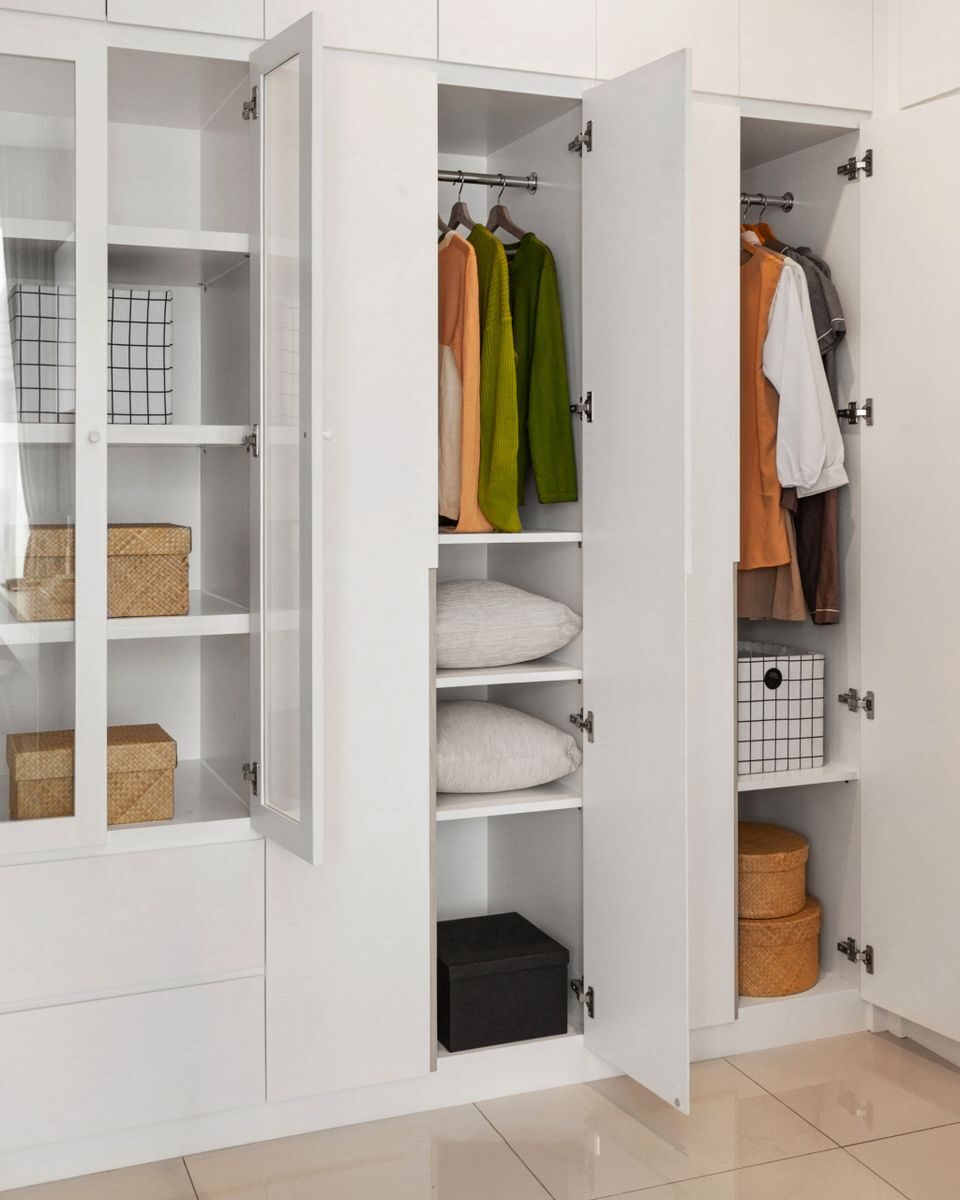
If you’ve ever stared at a corner of your living room wondering how it became a graveyard for shoes, power strips, and things you swear you’ll deal with “later,” you already understand the problem a tall storage cabinet is built to solve. Vertical storage is one of the smartest moves you can make in any home — it reclaims floor space, keeps clutter out of sight, and honestly makes a room feel bigger almost immediately.
But here’s the thing: not all tall cabinets are created equal. Walk into any IKEA, browse Amazon, or visit a local furniture shop in Dallas or Denver, and you’ll be staring at dozens of options in different heights, finishes, materials, and configurations. Knowing what to look for before you buy saves you money, regret, and possibly a second trip to the returns counter.
This guide covers everything you need in 2026 — the best types, the right sizes for every room, what materials hold up, safety essentials, and practical buying tips drawn from real experience. Let’s get into it.
Why Tall Storage Cabinets Make Sense in 2026
American homes aren’t getting bigger — they’re getting smarter. The average U.S. apartment size hovers around 908 square feet, with studios averaging closer to 457 square feet. That means every square foot of floor space is precious, and the smartest way to store more is to go up, not out.
A slim tall storage cabinet can hold far more than a low, wide credenza while using a fraction of the floor area. It draws the eye upward, which also makes ceilings feel higher — a nice bonus in smaller spaces. The home organization market reflects this shift: it’s projected to grow from roughly $12.5 billion in 2024 to over $20 billion by 2033, driven largely by compact-living trends across cities like New York, Chicago, Los Angeles, and Seattle.
There’s also the decluttering reality. More U.S. households are paying for off-site storage units — a number that rose from 11.1% in 2022 to 13.4% in 2024. A well-chosen tall cabinet can eliminate that expense entirely by bringing those belongings back in-house and out of sight.
Types of Tall Storage Cabinets (And Where Each One Shines)
1. Pantry-Style Tall Cabinets
These are the workhorses of the kitchen and utility space. Floor-to-ceiling in design, they typically run 84 to 96 inches tall with a standard 24-inch depth and widths ranging from 18 to 33 inches. Inside, you’ll find a mix of fixed and adjustable shelves — sometimes with pull-out drawers or door-mounted organizers.
Best for: Kitchen pantry overflow, laundry rooms, home offices that need serious supply storage.
Tip: In smaller U.S. kitchens — think row houses in Philadelphia or bungalows in Austin — a 24-inch-wide pantry cabinet placed at the end of a counter run can replace an entire wall of clutter.
2. Wardrobe and Freestanding Closet Cabinets
If you’ve ever lived in a pre-war apartment in Chicago or a converted loft in Brooklyn, you know the pain of minimal closet space. A freestanding wardrobe cabinet fills that gap beautifully. These typically stand 70 to 80 inches tall with a deeper footprint (around 20 to 24 inches) and include hanging rods, shelves, or a combination of both.
Best for: Bedrooms lacking built-in closets, guest rooms, rental apartments where you can’t make permanent changes.
Tip: Look for models with at least one hanging section tall enough for full-length coats (you’ll need at least 60 inches of internal clearance for that).
3. Display Cabinets with Glass Doors
These are where function meets style. A glass-door tall cabinet shows off what’s inside — whether that’s a curated collection of ceramics, books, barware, or décor — while still keeping dust and little hands at bay. In 2026, fluted glass inserts and arched door profiles are trending hard, offering a sophisticated look that fits both traditional and transitional interiors.
Best for: Living rooms, dining rooms, home bars, and any space where you want storage to double as a decorative element.
Tip: Interior cabinet lighting (even battery-powered LED strips) transforms a display cabinet from furniture into a focal point.
4. Bathroom Tall Storage Cabinets
Bathrooms are chronically understoraged. A narrow floor-to-ceiling bathroom cabinet — often called a linen tower or bathroom hutch — fits into tight spots beside the toilet or vanity and stores far more than the typical medicine cabinet. Look for units that are moisture-resistant and have solid-door lower sections to hide cleaning supplies or personal care items.
Best for: Master baths, hall bathrooms, powder rooms where counter space is limited.
Tip: In humid climates like Florida or Houston, prioritize cabinet materials rated for moisture exposure — solid wood or high-quality MDF with water-resistant finishes beat bare particleboard every time.
5. Office and Filing Tall Cabinets
Remote work isn’t going anywhere, and home offices need storage that keeps paperwork, tech accessories, and supplies out of the visual chaos. A tall office storage cabinet often includes lockable doors, adjustable shelving, and space configured for file boxes or binders. Metal-framed units offer a more industrial aesthetic that suits converted garages or basement offices.
Best for: Home offices, studio apartments where the living room doubles as a workspace, small businesses operating from home.
Tip: If you’re using a tall cabinet in a shared space — say, a dining room that moonlights as a home office — choose a closed-door model so work disappears the moment you close it.
6. Entryway and Mudroom Cabinets
Americans spend a lot of time near the door: shoes, bags, keys, mail, dog leashes, seasonal gear. A tall entryway cabinet — sometimes called a hall cabinet or mudroom locker — channels all of that chaos into one organized spot. The best versions combine open cubbies at the bottom (for shoes), closed storage in the middle (for bags and outerwear), and shelves up top for less-used items.
Best for: Foyers, mudrooms, hallways, garage entries.
Tip: If you have kids, a cabinet with labeled cubbies at their height keeps morning routines from becoming a daily treasure hunt.
Tall Storage Cabinet Sizes: A Quick Reference Guide
Getting the size right is where most people trip up. Here’s a straightforward breakdown by cabinet category:
| Cabinet Type | Standard Height | Standard Depth | Common Widths |
|---|---|---|---|
| Kitchen Pantry | 84″ – 96″ | 24″ | 18″ – 33″ |
| Wardrobe/Armoire | 70″ – 84″ | 20″ – 24″ | 30″ – 48″ |
| Bathroom Linen Tower | 60″ – 72″ | 12″ – 18″ | 12″ – 24″ |
| Living Room Display | 60″ – 80″ | 14″ – 18″ | 24″ – 36″ |
| Office/Filing | 60″ – 72″ | 18″ – 24″ | 18″ – 36″ |
| Entryway/Mudroom | 72″ – 84″ | 14″ – 20″ | 24″ – 42″ |
A few general rules worth memorizing:
- For small apartments: A slim cabinet under 24 inches wide and under 18 inches deep keeps things from visually overwhelming a compact room.
- For rooms with 9-foot ceilings: You can go to 90 or 96 inches tall and fill that vertical gap that standard cabinets leave behind. It looks intentional rather than random.
- For kids’ rooms: Mid-height (around 60 inches) is safer and keeps frequently used items reachable without climbing.
Materials Matter: What to Look For (and Avoid)
Solid Wood
The gold standard. Solid oak, walnut, maple, and pine are durable, age beautifully, and can be refinished. The tradeoff is cost and weight — expect to pay more and potentially need help moving it. Worth it if you’re buying for a permanent home.
Engineered Wood (MDF/Plywood)
The practical middle ground for most buyers. High-quality MDF with a quality veneer or laminate finish performs very well in dry to moderately humid environments. Look for well-sealed edges — that’s where cheaper pieces start to peel or swell. IKEA’s HEMNES series and similar mid-range options use this construction effectively.
Metal
Durable, industrial, and great for garages, utility rooms, and home offices. Metal tall cabinets are largely impervious to moisture and pests but can dent and may not suit living spaces aesthetically.
Rattan and Cane Accents
A huge 2026 trend — natural woven textures on cabinet fronts or sides bring warmth and visual interest without the visual weight of solid panels. Best used in living rooms and bedrooms where the aesthetic is a priority.
Avoid: Bare particleboard with paper-thin laminate, especially for anything near water. It delaminates, swells, and starts to look rough within a year or two.
Buying Tips: What to Check Before You Click “Add to Cart”
1. Measure Twice, Order Once
This sounds obvious but it’s the number one cause of returns. Measure the wall space width, floor-to-ceiling height (not just the room height — account for baseboards, crown molding, or ceiling fixtures), and the depth of the space. Also measure your doorways; many tall cabinets ship assembled or in very large flat-pack pieces that don’t always navigate tight hallways.
2. Think About Interior Layout, Not Just External Size
A cabinet with adjustable shelves beats a fixed-shelf design almost every time. Your storage needs change. A shelf configured for linens today might need to hold file boxes next year. Look for at least two or three adjustable shelf positions and ideally a combination of open shelving and drawer space.
3. Check Weight Capacity
Shelves loaded with books, dishes, or tools can easily hit 50 to 80 pounds per shelf. Most well-made cabinets list their shelf weight ratings — look for at least 30 to 40 pounds per shelf for general use, more if you’re storing heavy items.
4. Consider Assembly Time and Complexity
Flat-pack furniture is fine, but a tall cabinet with 40+ steps, unclear diagrams, and no cam lock pre-drilled is a Saturday afternoon destroyed. Read reviews specifically about assembly. Partially pre-assembled units (where you only attach legs or handles) are worth the slight premium in time saved.
5. Hardware Quality Tells the Story
Open and close the doors on a display model if you can, or look closely at hinge descriptions online. Soft-close hinges are the mark of better-quality pieces. Check that handles and pulls are solid, not hollow plastic that will snap off in six months.
6. Budget by Function, Not Just Aesthetics
A tall cabinet you’ll use daily in a kitchen or entryway deserves more investment than a seasonal-use storage piece in a guest room. Spend more where the cabinet works harder.
Safety First: Wall Anchoring Is Non-Negotiable
This section matters more than people think. The U.S. Consumer Product Safety Commission (CPSC) estimates that someone is rushed to an emergency room every hour in the United States due to a furniture, TV, or appliance tip-over — and children under five are disproportionately at risk.
Tall storage cabinets are among the highest-risk furniture categories for tip-overs, especially when drawers are pulled open or children attempt to climb them.
The CPSC’s “Anchor It!” campaign provides free, detailed guidance on properly securing furniture to walls — and it’s worth five minutes of your time for any tall cabinet purchase.
Practical anchoring steps:
- Always anchor any cabinet taller than 30 inches, especially in homes with children or elderly residents.
- Use metal L-brackets or steel furniture straps — not the plastic zip-tie-style anchors that have been subject to multiple CPSC recalls. Plastic anchors can become brittle and fail.
- Anchor into wall studs, not just drywall. If you can’t hit a stud, use wall anchors rated for your wall type (different anchors work for drywall vs. plaster vs. masonry).
- Check anchors twice a year to make sure straps haven’t loosened over time.
- Store heavier items on lower shelves. This lowers the cabinet’s center of gravity and reduces tip-over risk significantly.
If you’ve just received a tall cabinet and the included anchor kit looks flimsy or is plastic, replace it before installing. Metal furniture straps are available at any hardware store for under $20 and take about 20 minutes to install properly.
Room-by-Room Recommendations
Living Room: A glass-door display cabinet in a natural wood finish (walnut or oak tone) between 65 and 75 inches tall. Keep it on the narrower side — 24 to 30 inches wide — so it anchors the wall without dominating the space.
Kitchen: A pantry-style tall cabinet at 84 inches with pull-out shelves on the interior. Position it at the end of a counter run or beside the refrigerator for a built-in look.
Bedroom: A wardrobe cabinet with a mix of hanging and shelf storage, ideally with soft-close doors. If you share a room, consider a two-door design with mirrored exteriors — it doubles as a functional mirror and makes the room feel larger.
Bathroom: A narrow linen tower (12 to 18 inches wide) in moisture-resistant construction. Place it beside the vanity or toilet. Closed lower doors keep cleaning supplies out of sight.
Home Office: A closed-door storage cabinet with adjustable shelves, ideally in a neutral finish that blends into the background. Closed fronts are important — visual clutter in a workspace is a productivity killer.
Entryway: A tall mudroom-style cabinet with cubbies, hooks, and closed upper storage. If the entryway is narrow, a cabinet under 14 inches deep keeps the traffic path clear.
2026 Design Trends Worth Knowing
If aesthetics matter as much as function for you, here’s what’s resonating in American homes right now:
- Natural wood tones (warm oak, light walnut, white ash) are dominant — they work across modern, transitional, and farmhouse interiors.
- Fluted glass doors add texture and a slightly vintage feel without going full antique. You see them showing up in living rooms and home bars particularly.
- Metal leg bases on otherwise wood-toned cabinets give a mid-century modern feel and make cleaning beneath the cabinet easier.
- Minimalist hardware — thin bar pulls in matte black or brushed brass — keeps the cabinet face clean and contemporary.
- Mixed materials like rattan door inserts on a painted wood frame are strong in 2026, particularly in bedrooms and casual living spaces.
For a broader look at how to organize your entire home storage system, check out our guide to Home Storage Solutions That Actually Work for room-by-room strategy beyond just cabinets.
FAQ: Tall Storage Cabinets — Common Questions Answered
Q1: What is a standard height for a tall storage cabinet?
Most tall storage cabinets fall between 60 and 96 inches depending on their purpose. Kitchen pantry cabinets are typically the tallest, ranging from 84 to 96 inches. Living room and bedroom display cabinets usually run 65 to 80 inches. Bathroom linen towers are shorter, typically 60 to 72 inches. If you have 9-foot ceilings, going to 90 or 96 inches makes full use of vertical space and looks intentional rather than floating.
Q2: How do I anchor a tall storage cabinet safely to the wall?
Use a metal L-bracket or steel furniture strap — not plastic anchors, which can crack over time. Locate a wall stud using a stud finder and drive the anchor screw into it for the strongest hold. If you can’t reach a stud, use a toggle bolt rated for the appropriate weight. The CPSC’s Anchor It! campaign at cpsc.gov has step-by-step guidance. As a general rule, secure any furniture taller than 30 inches, particularly in homes with children or older adults.
Q3: What is the best material for a tall storage cabinet?
It depends on where you’re using it. Solid wood is the most durable and looks the best long-term, but costs more. High-quality engineered wood (MDF with a good veneer or laminate) works well in most dry rooms and is the most common choice in the $200 to $800 price range. For bathrooms or laundry rooms, look specifically for moisture-resistant construction. Avoid bare particleboard, particularly in any humid environment.
Q4: Can a tall storage cabinet make a small room look bigger?
Yes, when used correctly. Tall, slim cabinets draw the eye upward, which makes ceilings feel higher. Closed-door cabinets eliminate visual clutter, which makes a small room feel calmer and more spacious. The key is to keep the cabinet footprint narrow (ideally under 24 inches wide) and choose a finish in a light or neutral tone that doesn’t visually dominate the wall.
Q5: What’s the difference between a tall storage cabinet and an armoire or wardrobe?
Functionally, the terms overlap. An armoire is a freestanding wardrobe cabinet, originally designed for hanging clothes, that typically has double doors and sometimes drawers. A tall storage cabinet is a broader term for any floor-to-ceiling cabinet used for general storage. Wardrobes specifically refer to clothing storage with hanging rods. In practice, all three can serve similar purposes — what matters is the internal configuration.
Q6: How much weight can tall cabinet shelves hold?
It varies by cabinet construction and shelf material. Quality solid wood or plywood shelves in well-built cabinets typically support 30 to 75 pounds per shelf. Cheaper particleboard shelves may only hold 20 to 30 pounds before sagging. Always check the manufacturer’s stated weight capacity before loading shelves with heavy items like books, canned goods, or tools. Storing heavier items on lower shelves is both safer and reduces stress on the shelf material over time.
Q7: Are tall cabinets with glass doors practical or just decorative?
Both, done right. Glass-door cabinets are highly practical for items you want visible and accessible — dishes, barware, books, or collected décor — while still protecting them from dust. They become purely decorative only when the contents are disorganized or mismatched. If you want a glass-door cabinet that functions well, take a few minutes to style the interior: group similar items, use consistent containers for small items, and avoid overcrowding shelves.
Q8: How do I choose a tall storage cabinet for a rental apartment without damaging walls?
First, you can still anchor the cabinet — most leases allow wall anchors that go into studs, and a small screw hole is far less costly to patch than the medical bills from a tip-over. For truly no-drill situations, look for floor-to-ceiling tension poles that can hold shelving units, or position heavy furniture against load-bearing walls and avoid placing items that could cause tipping. Discuss the anchoring question with your landlord — most reasonable landlords will approve it once they understand the safety rationale.
Final Thoughts
A tall storage cabinet is one of those furniture purchases that genuinely changes how a room functions day to day. Get the right type, the right size, and the right material for your room — and then anchor it properly so it does its job safely for years to come.
Don’t rush the decision. Measure your space, think about what you’re actually storing, and read reviews that specifically address assembly and real-world durability. The best tall cabinet for your home is the one that fits your wall, your stuff, and your life — not just the one that photographs well on a product page.
[…] closet to convert? Our guide to tall storage cabinets covers the types, sizes, and buying tips for a freestanding pantry […]