

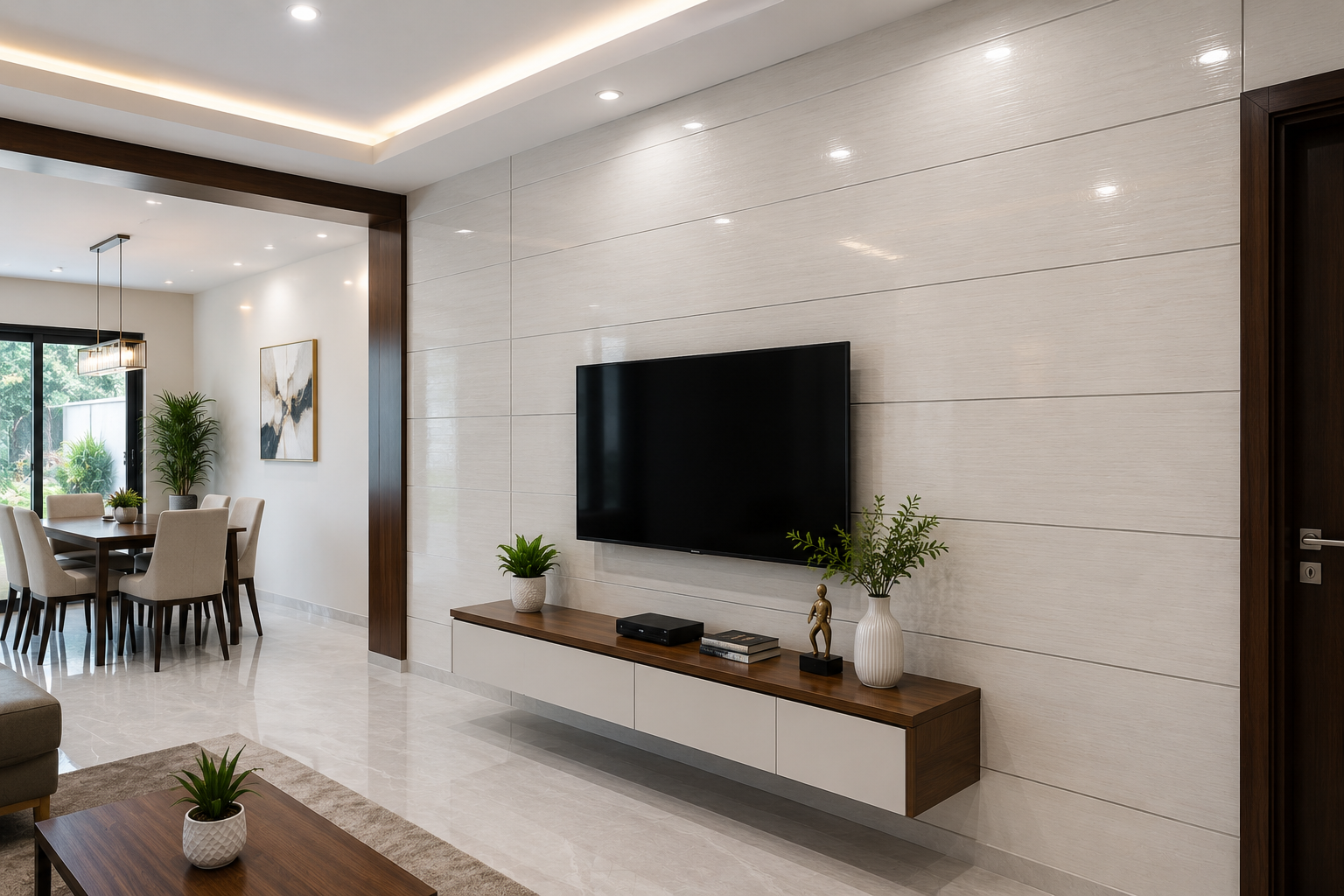
Walk into any restaurant kitchen or hospital hallway, and you’ll likely spot smooth, glossy wall panels that never seem to stain. That’s FRP in action. It’s one of those materials that quietly does its job. Yet millions of commercial and residential spaces across the United States depend on it every day.
So what are FRP panels, exactly? And why have contractors, facility managers, and DIY homeowners embraced them so heavily in 2026? Let’s break it down.
What Are FRP Panels, Exactly?
FRP stands for Fiberglass Reinforced Plastic. Manufacturers embed fiberglass strands into a resin base, usually polyester, to create rigid sheets. The result is lightweight yet remarkably tough. It also resists moisture and cleans easily.
Because of these qualities, builders often choose FRP panels over tile, drywall, or paint. This is especially true in spaces where hygiene matters most. You’ll typically find these panels in 4×8-foot or 4×10-foot sheets. However, most manufacturers also offer custom sizes.
Thickness usually ranges from 0.04 inches to 0.12 inches. Thicker panels handle more impact, which makes them ideal for busy commercial settings. Unlike drywall, FRP won’t absorb water. As a result, it won’t warp, rot, or grow mold. This single feature explains why FRP panels dominate food service and healthcare environments nationwide.
Why FRP Panels Are So Popular in the U.S. Right Now
Building codes have pushed FRP into the spotlight for years, and that trend hasn’t slowed heading into 2026. The FDA Food Code requires food prep areas to have smooth, nonabsorbent, and easily cleanable surfaces. Most state and local health departments adopt this code in some form. FRP checks every one of those boxes. Consequently, it’s practically mandatory in commercial kitchens across the country.
Meanwhile, rising construction costs have pushed many property owners toward low-maintenance materials. FRP panels rarely need repainting or replacement. Therefore, they tend to pay for themselves within five to ten years, especially in restaurants, schools, and multifamily housing.
Regional weather also plays a role. In humid climates like Florida, Texas, and the broader Gulf Coast, moisture-resistant walls prevent mold before it starts. Meanwhile, in colder Midwest and Northeast states, FRP holds up well against temperature swings and condensation. Traditional wall finishes often struggle through a harsh winter, but FRP doesn’t.
Common Uses for FRP Panels
FRP panels show up in more places than most people realize.
Commercial kitchens and restaurants rely on FRP constantly. Health inspectors love it because it meets sanitation codes and wipes clean in seconds. Most quick-service and full-service restaurants use it behind cooking lines and inside walk-in coolers.
Hospitals and healthcare facilities also depend on FRP heavily. Infection control matters enormously in these settings. So, facility managers install FRP in patient rooms, operating areas, and busy corridors.
Car washes and auto service bays benefit too. FRP resists chemical exposure, constant water spray, and general wear. Naturally, it fits high-moisture, high-impact environments perfectly.
Schools use FRP in cafeterias, gymnasiums, and locker rooms. These areas see heavy foot traffic and frequent cleaning, so durability counts.
Homeowners increasingly choose FRP too. It offers a budget-friendly, DIY-friendly alternative to tile. You’ll often see it in laundry rooms, basements, and shower surrounds.
Agricultural buildings round out the list. Barns, dairy facilities, and poultry houses need surfaces that resist ammonia and moisture. FRP handles these corrosive conditions well.
Key Benefits of FRP Panels
FRP has stuck around for decades, and it comes down to a handful of practical advantages.
Moisture resistance tops the list. Fiberglass and resin don’t absorb water, so these panels won’t swell or rot. Even in constantly damp spaces like showers or walk-in freezers, FRP performs reliably.
Durability matters just as much. FRP panels withstand impacts and scratches far better than drywall or standard paint. In fact, many manufacturers back their products with warranties ranging from ten to twenty-five years.
Cleaning stays simple too. A quick wipe with soap and water usually keeps FRP surfaces looking new. This saves real time for restaurants and hospitals juggling strict sanitation schedules.
Cost-effectiveness also stands out. Compared to ceramic tile, FRP installation typically costs 30 to 40 percent less. That’s a meaningful difference for property owners managing tight renovation budgets.
Fire safety deserves attention too. Most FRP panels sold in the U.S. carry a Class A or Class C fire rating. Many commercial building codes require this rating, so always confirm compliance before you buy.
Finally, FRP stays lightweight and easy to work with. You can cut it using standard tools, which makes it accessible for professionals and confident DIYers alike.
FRP Panels vs. Other Wall Materials
It helps to compare FRP against common alternatives before you commit.
Compared to ceramic tile, FRP installs faster and costs less upfront. It also has no grout lines, so bacteria and mildew have nowhere to hide. However, tile often delivers a more premium look and can last even longer in some applications.
Compared to PVC panels, FRP resists impact better and handles temperature extremes more effectively. On the other hand, PVC panels are lighter, and you can install many of them without adhesive.
Compared to painted drywall, there’s really no contest in wet or high-traffic areas. Drywall simply isn’t built to survive constant moisture, but FRP thrives there.
Types of FRP Panels Available in 2026
Manufacturers now offer several variations to match different project needs. Standard smooth panels remain the most common choice for kitchens and bathrooms. Textured panels, however, work better in agricultural and industrial buildings because they hide scratches more effectively.
Fire-rated panels are essential for any commercial building that must meet strict code requirements. Additionally, antimicrobial panels have grown increasingly common in healthcare and food service settings, since they inhibit bacterial growth.
Color options have expanded significantly too. White remains standard for hygiene-focused spaces. Still, gray, almond, and wood-look finishes now give homeowners more style options without sacrificing durability.
How Much Do FRP Panels Cost in 2026?
Pricing varies by thickness, brand, and region. That said, current industry estimates put material costs between $0.75 and $2.50 per square foot. Once you add labor, adhesive, trim, and fasteners, most projects run between $3.50 and $7.50 per square foot total.
For a modest 100-square-foot bathroom or kitchen wall, that typically translates to $400 to $750 total. Larger commercial installations often qualify for bulk pricing discounts, which helps offset costs. Prices tend to run higher in major coastal metro areas, while Midwest and Southern markets usually see more moderate labor rates.
FRP Panel Installation Guide: Step-by-Step
Ready to tackle an FRP installation yourself? Here’s a straightforward process that works for most residential and light commercial projects.
Step 1: Prepare the wall surface. First, make sure the wall is clean, dry, and free of debris. If you’re working over drywall, check for water damage and repair it first. Otherwise, you risk sealing moisture behind the new panel.
Step 2: Measure and cut your panels. Measure the wall carefully. Then, cut the FRP sheets using a fine-tooth circular saw blade or a utility knife with a straightedge. Always wear safety goggles and a dust mask, since cutting fiberglass releases fine particles.
Step 3: Apply adhesive. Spread FRP-specific adhesive evenly across the wall with a notched trowel. Follow the manufacturer’s open-time recommendations closely. Otherwise, the bond may weaken significantly.
Step 4: Position and press the panel. Start from the bottom corner. Press the panel firmly against the wall, then work your way up and across. A rubber mallet or roller helps eliminate air bubbles.
Step 5: Install trim and moldings. Once the panels set, add inside corner trim, outside corner trim, and division moldings. This covers seams and gives the wall a finished look.
Step 6: Seal the edges. Apply a moisture-resistant sealant along every seam and edge. This step matters most in wet areas like showers, where water can otherwise sneak behind the panels.
Step 7: Let it cure. Give the adhesive 24 to 48 hours to cure fully before you expose the panels to heavy moisture or cleaning chemicals.
If your project involves a commercial kitchen or healthcare facility, hire a licensed contractor. Local health departments often require documentation showing the work meets code. For more tips on prepping walls before any panel installation, check out our complete guide to bathroom wall panel materials.
Common Installation Mistakes to Avoid
Even experienced DIYers run into a few recurring problems. Skipping proper wall preparation ranks as the most common mistake, since adhesive won’t bond well to a dusty or uneven surface. Using the wrong adhesive causes trouble too. General-purpose construction adhesive simply doesn’t perform like FRP-specific products.
Cutting corners on trim and sealant also leads to headaches later. Without proper sealing, water can seep behind the panels and cause hidden damage. Finally, rushing the cure time often leads to bond failure, so patience really pays off here.
Maintenance Tips to Extend the Life of Your FRP Panels
Keeping FRP panels in good shape doesn’t take much effort. Wipe them down regularly with mild soap and water. Avoid abrasive scrubbers, since they can dull the surface finish over time.
In commercial kitchens, follow standard sanitation protocols and use approved cleaning chemicals. Some harsh industrial cleaners, however, can degrade certain resin formulations if used excessively. Inspect seams and trim periodically for separation or moisture intrusion, especially in humid environments. Catching small issues early prevents costly repairs down the road.
For general guidance on food-safe surface requirements, check the FDA Food Code. Most state health departments still use it as their primary reference when evaluating commercial kitchen surfaces.
Is FRP Right for Your Next Project?
FRP panels aren’t the flashiest building material, but they solve real problems every day. If moisture resistance, easy cleaning, and long-term durability matter for your space, FRP deserves a spot on your shortlist. On the other hand, if you’re chasing a high-end look in a low-moisture living area, tile or wood paneling might suit your goals better.
Ultimately, the right choice depends on how you’ll use the space day to day. For anything involving food prep, healthcare, or heavy moisture, FRP remains one of the smartest investments you can make in 2026.
Frequently Asked Questions
What does FRP stand for in wall panels? FRP stands for Fiberglass Reinforced Plastic. Manufacturers embed fiberglass strands in resin, usually polyester, to create a durable, moisture-resistant surface.
Are FRP panels waterproof? Yes, the panels themselves resist water completely. However, seams and edges still need proper sealant. Otherwise, water can get behind the panels and cause hidden damage.
Can I install FRP panels myself? Absolutely. Many homeowners install FRP successfully using basic tools like a saw, trowel, and adhesive. That said, commercial kitchens and healthcare facilities often require a licensed contractor to meet local code.
How long do FRP panels last? With proper installation and maintenance, FRP panels typically last 15 to 25 years. Many manufacturers back that up with warranties in a similar range.
Are FRP panels required by health codes in restaurants? Most state and local health departments require smooth, nonabsorbent, and easily cleanable surfaces in food prep areas. While the code doesn’t always name FRP specifically, it remains the most common material used to meet that standard.
What’s the difference between FRP and PVC panels? FRP panels resist impact better and handle temperature extremes more effectively. PVC panels, meanwhile, stay lighter and often skip the adhesive step entirely. Both resist moisture well.
How much does it cost to install FRP panels in 2026? Total installation costs, including materials and labor, typically range from $3.50 to $7.50 per square foot. Costs still vary based on region, panel thickness, and project complexity.
Can FRP panels be painted? Most FRP panels arrive pre-finished, so painting isn’t recommended. Paint often won’t adhere well to the glossy gel coat surface. If you can’t find your desired color from the manufacturer, sourcing a panel in that finish works better than painting an existing one.