

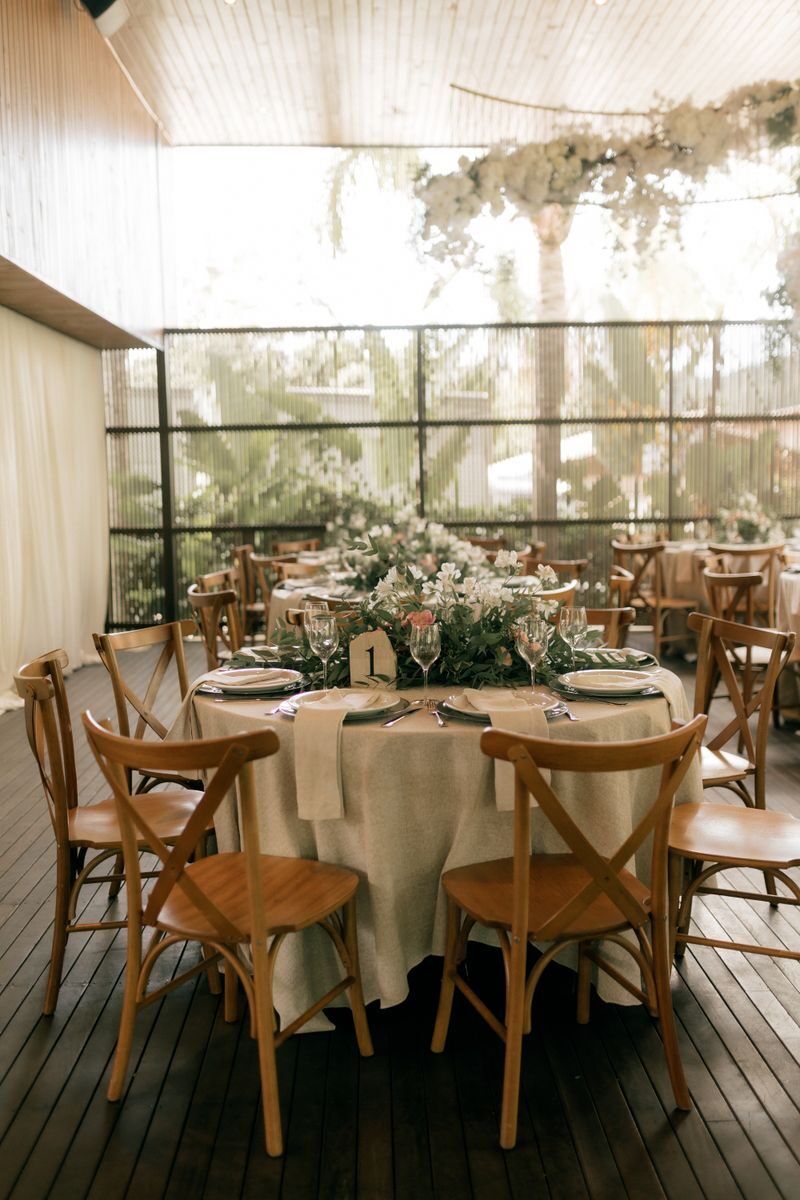
There is something deeply satisfying about sitting in a well-made wooden chair. It doesn’t wobble. It doesn’t feel hollow. And it certainly doesn’t look like it came out of a flat-pack box with twenty confusing steps.
A solid wood chair has weight — both literally and figuratively. It feels like it belongs in the room. More often than not, it ends up staying there for decades.
I’ve spent years helping people choose furniture for their homes. Wooden chairs come up in almost every conversation. Whether someone is furnishing a dining room in Denver, setting up a home office in Atlanta, or refreshing a front porch in Charleston, the question is almost always the same: “Which wooden chair is actually worth buying, and how do I care for it?”
In this guide, I’ll answer both questions thoroughly. First, I’ll walk you through the best wood types for chairs. Then, I’ll break down the most popular designs by room and style. After that, I’ll give you a clear buying guide. Finally, I’ll cover the care tips that will keep your wooden chairs looking beautiful for years — or even generations — to come.
Let’s get started.
Why Solid Wood Chairs Are Worth the Investment
Before diving into types and designs, it’s worth asking the obvious question: why choose solid wood over other materials in the first place?
The answer comes down to four things: durability, repairability, aesthetics, and long-term value.
Durability
A well-constructed solid hardwood chair can easily last 20, 30, or even 50 years in a family home. By contrast, particle board and MDF begin to show structural fatigue within just a few years of regular use — especially at the joints. Solid wood actually grows stronger in its joints over time as the wood settles. That’s a meaningful difference.
Repairability
Solid wood can be sanded, refinished, re-stained, and re-lacquered. A scratch on a solid oak dining chair is just a surface issue. It can be buffed out or touched up quickly. A scratch on a veneer or laminated chair, on the other hand, often exposes the base material underneath. That becomes a permanent blemish. This is precisely why solid wood furniture is still passed down as heirlooms through families.
Aesthetics
No two pieces of wood are exactly alike. Every solid wood chair carries a subtle uniqueness — a particular grain pattern, a slight variation in tone, a gentle knot that tells the story of the tree it came from. That natural character is something synthetic materials simply cannot replicate, no matter how advanced the printing technology gets.
Long-Term Value
According to a 2026 furniture trends report, 75% of consumers now prioritize eco-friendly materials when making furniture decisions. Solid wood — especially from sustainably managed forests — sits at the top of that list. Furthermore, well-made solid wood chairs hold their resale value far better than cheaper alternatives. In short, they’re an investment rather than just an expense.
The Best Wood Types for Chairs: A Practical Breakdown
Not all wood is created equal. The type of wood used in a chair makes an enormous difference in how it looks, how it performs, and how much maintenance it needs. Here’s what you need to know about the most commonly used woods for chairs in the United States.
Oak — The All-American Workhorse
Oak is the most widely used hardwood for furniture in the United States. It has earned that status for very good reasons.
Oak handles wear and tear with ease. It’s also highly resistant to moisture and decay. That’s why you’ll find oak chairs in everything from busy family dining rooms to commercial restaurant settings.
Oak comes in two primary varieties. Red oak has a slightly coarser grain and is typically more affordable. White oak, by contrast, has a tighter grain and is naturally more resistant to moisture. This makes white oak the better choice for chairs that might face spills or humidity. Craftsmen have relied on white oak for chair making for centuries — and for good reason.
In terms of style, oak works beautifully in traditional, farmhouse, Craftsman, and transitional interiors. Additionally, oak takes stain very well. It can be finished in everything from a natural honey tone to a rich espresso brown, giving you tremendous design flexibility.
Best for: Dining chairs, kitchen chairs, rocking chairs, and any high-traffic setting. Price range: Mid-range ($150–$600 per chair for quality solid oak).
Walnut — The Premium Choice for Modern Homes
If oak is the workhorse, walnut is the thoroughbred.
Walnut is known for its deep, dark colour and luxurious texture. Its naturally rich, dark brown tones — often with subtle hints of purple or chocolate — give rooms an immediate sense of warmth and refinement. If you want sophisticated, premium furniture, walnut delivers a finish that stands out instantly.
Beyond its appearance, walnut is also genuinely strong. It’s hard, dense, and resistant to warping. This makes it one of the most dimensionally stable woods for chair construction. That stability matters especially at the joints, where even slight movement over time can cause squeaking or loosening.
One thing to keep in mind, however, is that walnut is slightly softer than oak. It can develop small dents or dings more easily over time. That said, many walnut owners consider this part of the material’s character rather than a flaw. Minor marks can be buffed or oiled out easily — so it remains quite forgiving with basic maintenance.
Best for: Accent chairs, home office chairs, modern dining chairs, and statement pieces. Price range: Premium ($300–$1,200+ per chair for quality solid walnut).
Teak — The Gold Standard for Outdoor and Coastal Homes
When it comes to wooden chairs for outdoor use or humid environments, teak stands in a category of its own.
Teak is dense and rich in natural oils. Those oils make it highly resistant to water, decay, and insects. High-quality outdoor teak chairs can last more than 50 years — even in harsh coastal settings. If you live near the ocean in places like Miami, San Diego, or the Outer Banks of North Carolina, teak is almost certainly the wisest outdoor chair investment you can make.
Indoors, teak brings a warm, honey-to-golden-brown tone that works especially well in mid-century modern, coastal, and organic modern interior styles. If left untreated outdoors over time, teak naturally weathers to a beautiful silver-gray patina. Many homeowners actively love that look.
Best for: Outdoor patios, coastal homes, humid climates, and mid-century modern interiors. Price range: Premium ($400–$2,000+ per chair for quality solid teak).
Maple — The Hardest and Most Durable Option
Maple is one of the hardest domestic hardwoods available in North America. As a result, it’s exceptionally resistant to denting, scratching, and everyday wear.
It’s a favorite material for chairs in commercial settings — restaurants, schools, and offices — precisely because it holds up under very heavy use. Aesthetically, maple has a light, creamy color with a fine, even grain. That clean look gives it a fresh, contemporary feel. Because it takes paint and stain well, maple is often the choice when a chair needs to match a specific color scheme. Furthermore, its smooth surface wipes clean easily — a practical bonus for families with young children.
One consideration, however, is moisture sensitivity. Maple can swell if exposed to excess moisture. Therefore, it’s best suited to stable indoor environments rather than damp sunrooms or screened porches.
Best for: Contemporary chairs, painted chairs, home offices, and busy family dining areas. Price range: Mid-range ($200–$700 per chair for quality solid maple).
Ash — The Scandinavian Favorite
Ash wood has experienced a significant surge in popularity in recent years. The rise of Scandinavian and Japandi interior design trends across the United States has driven much of that growth.
Ash is prized for its pale cream color and visible grain. It works well in both traditional and modern interiors. What sets ash apart from other light-colored woods is its pronounced, open grain pattern — similar to oak, but lighter and more airy. This makes ash chairs feel effortlessly modern without being sterile.
In addition, ash is highly flexible and responds well to steam bending. That’s why it’s commonly used for chairs with curved backs and rounded design elements, which are hallmarks of Scandinavian and Shaker-style furniture.
Best for: Scandinavian-style dining chairs, minimalist interiors, and Japandi-inspired décor. Price range: Mid-range ($150–$500 per chair for quality solid ash).
Cherry — The Heirloom Wood
Cherry wood holds a special place in American furniture history. It’s the material that Colonial craftsmen favored for their finest pieces. Today, it remains closely associated with heirloom-quality furniture.
Cherry has a distinctive warm reddish-brown tone. Over time, it deepens and enriches naturally with light exposure — a process called photosensitivity. In other words, a cherry wood chair gets more beautiful as the years pass. That’s a rare quality in any material.
Cherry works best in chair designs with straighter lines rather than dramatically curved backs, since it has limited steam bendability. Its smooth, fine grain gives finished pieces an almost luminous quality. It photographs beautifully and looks stunning in both traditional and transitional interiors.
Best for: Formal dining rooms, traditional accent chairs, and heirloom pieces. Price range: Premium ($350–$1,000+ per chair for quality solid cherry).
Best Solid Wood Chair Designs by Room and Style
Now that you understand the wood types, let’s look at the most popular wooden chair designs available in 2026 — and which rooms and interior styles they suit best.
Shaker-Style Dining Chairs
Shaker furniture is rooted in the traditions of American Shaker communities of the 18th and 19th centuries. It remains one of the most enduringly popular design styles in American homes today.
Shaker chairs are defined by clean lines, tapered legs, ladder-back or slat-back designs, and a complete absence of unnecessary ornamentation. The beauty comes entirely from the craftsmanship and proportion — not from decoration.
In 2026, Shaker-style wooden dining chairs in oak, maple, and cherry continue to be bestsellers across the United States. They work particularly well in farmhouse, transitional, and Craftsman-style homes. They also pair effortlessly with both rustic and more refined dining tables. For buyers who want a chair that works across multiple homes and life changes, the Shaker design is almost always a safe and satisfying investment.
Mid-Century Modern Wooden Chairs
Mid-century modern design — inspired by the clean, optimistic aesthetic of the 1950s and 1960s — has never truly gone out of style. In 2026, it’s once again at the forefront of American interior trends.
Mid-century wooden chairs typically feature tapered legs, gently curved backs, organic shapes, and a combination of solid wood with upholstered elements. Walnut is by far the most popular wood choice for this style. Its rich, dark tones complement the warm, earthy palettes that define mid-century interiors perfectly.
These chairs work beautifully in living rooms, home offices, and dining rooms with modern or retro-inspired décor. The Eames lounge chair and ottoman, for example, still tops many wish lists and is consistently ranked the most popular vintage seating piece heading into 2026.
Windsor Chairs
The Windsor chair is one of the oldest and most recognizable wooden chair designs in the world. It’s also one of the most versatile.
Characterized by its spindle back, solid wood seat, and splayed legs, the Windsor has been a fixture in American homes since the Colonial era. George Washington reportedly owned Windsor chairs. Thomas Jefferson is said to have drafted the Declaration of Independence while sitting in one.
Today, Windsor chairs are enjoying a genuine design revival. They’re particularly popular in American farmhouse and cottage-style homes. They’re typically made from ash, oak, or a combination of woods — using different species for different structural components based on their individual properties. Their graceful, airy silhouette feels light in a space while remaining structurally very strong.
Scandinavian Solid Wood Dining Chairs
The Scandinavian design movement has had a profound influence on American home décor over the past decade. Scandinavian wooden chairs are defined by simplicity, functionality, and exceptional craftsmanship.
They typically feature clean lines, slight curves for ergonomic comfort, and light-colored wood. Ash and beech are the favorite species for this style. In 2026, Scandinavian wooden chairs have become especially popular in urban apartments across New York, Chicago, and Seattle. Smaller living spaces benefit from furniture with a visual lightness that doesn’t crowd the room.
Adirondack and Farmhouse Outdoor Chairs
For outdoor spaces, the Adirondack chair remains one of the most beloved American furniture designs ever created.
Originally designed in 1903 by Thomas Lee in New York’s Adirondack Mountains, this chair features a reclining seat, wide armrests, and a fanned back. It’s simultaneously comfortable and visually iconic. Traditionally made from cedar or pine, modern Adirondack chairs are increasingly being crafted from teak and ipe for greater weather resistance and longevity.
In addition to Adirondack chairs, farmhouse-style outdoor wooden chairs — typically featuring slatted backs and cross-brace legs — have surged in popularity for back porches, garden patios, and deck spaces across suburban America.
Wooden Accent and Lounge Chairs
Beyond dining and outdoor settings, wooden accent chairs are some of the most impactful design elements in a living room or bedroom.
In 2026, look for innovative designs where embroidery, weaving, or precision carving techniques migrate onto wooden surfaces. This gives mass-produced furniture a beautiful, handmade look. Wooden frames with upholstered seats in velvet, bouclé, or performance fabric are particularly trending. They combine the structural warmth of solid wood with the plush comfort of well-cushioned seating — the best of both worlds.
Wooden Chair Buying Guide: What to Look for Before You Buy
Walking into a furniture store — or browsing online — without knowing what makes a quality wooden chair is a recipe for disappointment. Here’s exactly what to evaluate before making a purchase.
Check the Joinery First
The joints are the most critical structural element of any wooden chair. A chair that looks beautiful but has poorly constructed joints will squeak, wobble, and ultimately fail within a few years of regular use.
When evaluating a wooden chair, look for these indicators of quality:
- Mortise and tenon joints are the gold standard. They’re incredibly strong when properly glued and fitted.
- Dowel joints are also acceptable when properly executed, though slightly less strong.
- Corner blocks on the underside of the seat add significant stability. Their presence signals careful construction.
- Avoid staples and nail guns. If you see staples or feel nail heads in the joinery, that’s a red flag for cheap construction.
As a quick in-store test, gently twist the chair diagonally from opposite corners. A well-built solid wood chair should feel completely rigid. Any flex or creaking at this stage will only get worse over time.
Confirm It’s Actually Solid Wood
This sounds obvious, but it’s surprisingly easy to be misled. Many chairs marketed as “wood” or “wooden” are actually made from MDF, particle board, or wood veneer over a synthetic core.
To confirm you’re looking at solid wood, check the following:
- Look at the end grain of any cut surface. Solid wood shows a consistent grain pattern all the way through.
- Check the product listing carefully for the specific phrase “solid wood” rather than “wood finish” or “wood-look.”
- Weight is also a reliable indicator. Solid hardwood chairs are noticeably heavier than particle board alternatives.
- When in doubt, ask the salesperson directly. Reputable retailers are always happy to confirm the materials used.
Check Weight Capacity and Ergonomics
A well-made solid wood chair should support at least 250–300 lbs comfortably. Many quality chairs are rated for 330 lbs or more. Always check the manufacturer’s stated weight capacity — especially when purchasing chairs for a household with a wide range of body types.
Ergonomically, the standard dining chair seat height in the United States is 17–19 inches from the floor. This is designed to work with standard dining tables measuring 28–30 inches in height. If you’re purchasing chairs for a counter-height or bar-height table, you’ll need chairs designed specifically for those measurements.
Also consider seat depth and back angle. A seat depth of 15–17 inches and a slightly reclined back angle is generally the most comfortable for extended dining and conversation.
Evaluate the Finish Quality
The finish on a wooden chair does two things: it protects the wood and determines how the chair looks. High-quality solid wood chairs typically use one of three finish types:
- Oil finish penetrates into the wood and enhances the natural grain. It gives the most natural look and feel. However, it requires periodic reapplication to maintain protection.
- Lacquer or polyurethane creates a harder surface coating. It offers stronger protection against spills and scratches — particularly practical for dining chairs.
- Wax finish provides a soft, matte sheen. It’s easy to touch up, though it needs more frequent maintenance than lacquer.
Whatever finish is used, the application quality matters enormously. Run your hand over the surface — it should feel smooth and consistent, with no rough patches or drips. Also check the undersides and backs of the chair. Quality manufacturers finish all surfaces, not just the visible ones.
Think About Sustainability and Sourcing
In 2026, responsible sourcing matters more than ever to American furniture buyers. A growing preference for eco-friendly materials is driving manufacturers to adopt sustainable practices. When shopping for wooden chairs, look for these certifications:
- FSC (Forest Stewardship Council) certification is the most widely recognized standard for responsibly sourced wood in the United States.
- Rainforest Alliance certification is another reliable indicator of sustainable forestry practices.
- Reclaimed wood is also an excellent choice. Chairs made from reclaimed barn wood or salvaged hardwoods are both environmentally responsible and deeply characterful.
For detailed guidance on sustainable wood furniture certifications, the Forest Stewardship Council at fsc.org provides up-to-date information on what to look for when buying certified wood furniture in the USA.
Set a Realistic Budget
Solid wood chairs exist at every price point. However, quality follows price more reliably in furniture than in almost any other category. Here’s a general framework:
| Budget Range | What to Expect |
|---|---|
| Under $100 | Likely particle board or MDF. Fine for temporary use, not a long-term investment. |
| $100–$250 | Entry-level solid wood, often pine or poplar. Adequate for light use. |
| $250–$500 | Good-quality solid hardwood (oak, ash, maple). Suitable for everyday family use. |
| $500–$1,000 | Premium solid hardwood (walnut, cherry, teak). Excellent joinery and long-term durability. |
| $1,000+ | Heirloom-quality handcrafted solid hardwood. Superior craftsmanship, designed for generations. |
If your budget is limited right now, it’s better to buy one or two high-quality solid wood chairs than to fill a room with six cheap ones that need replacing in three years.
Wooden Chair Care Tips: How to Keep Them Beautiful for Decades
Buying a quality solid wood chair is only half the equation. Taking care of it properly is what allows it to last — and what determines whether it becomes a cherished heirloom or ends up at a garage sale in a decade. The good news is that solid wood chair care is genuinely simple once you understand a few key principles.
Regular Cleaning — Simple and Consistent
For day-to-day maintenance, a dry or slightly damp cloth is almost always all you need. Gentle, consistent cleaning prevents dust and grime from building up in the grain and joinery over time.
For slightly deeper cleaning, use a mild soap solution applied with a soft cloth. Then wipe it dry immediately. Never saturate the wood with water. Never use harsh chemical cleaners. And never use abrasive scrubbing pads — all of these will damage the finish and potentially raise the grain of the wood.
For wooden chairs with upholstered seats, vacuum the fabric weekly. Address spills immediately. The longer a spill sits, the more likely it is to stain permanently.
Protecting the Finish
Think of the finish on your wooden chairs as their protective armor. Keeping that armor intact is the single most important thing you can do to extend the life of the wood underneath.
A few simple habits make a significant difference:
- Use felt pads on the chair feet. They prevent scratching both the chair’s finish and your floors.
- Avoid placing hot items directly on wooden chair surfaces. Heat can cause the finish to bubble or crack.
- Keep chairs away from direct sunlight when possible. Prolonged UV exposure fades most wood finishes. It can also cause the wood itself to dry out and crack over time.
- Maintain consistent indoor humidity between 35% and 55%. Wood expands and contracts with changes in moisture levels. In dry climates like Denver or Phoenix — or during winter heating season — a room humidifier helps prevent cracking and joint loosening.
Periodic Oiling and Refinishing
One of the greatest advantages of solid wood is the ability to refinish the surface when it begins to look tired or worn. That’s simply not possible with synthetic materials.
For oil-finished chairs, reapply a wood oil or conditioning product every 6–12 months. This keeps the surface nourished and protected with minimal effort. For lacquered or polyurethane-finished chairs, light sanding followed by a fresh coat of the same finish can restore the chair to near-original condition.
For teak chairs specifically, applying teak oil annually helps maintain the wood’s natural color. However, if you prefer the silver-gray patina that teak naturally develops over time, you can simply leave it untreated. It will remain structurally sound regardless.
Tightening Joints Over Time
Even the best-made solid wood chairs will occasionally develop slightly loose joints after years of daily use. This is completely normal and not a cause for concern.
When you notice a slight wobble or squeak, address it promptly rather than waiting. For most loose joints, the solution is simple. Apply a small amount of wood glue to the joint, press it firmly together, clamp if possible, and allow it to cure for 24 hours. If the joint is badly worn, a furniture repair professional can typically re-glue or replace the tenon. This costs far less than buying a new chair.
Seasonal Storage for Outdoor Chairs
If you have wooden chairs on an outdoor patio or deck, protecting them during harsh weather will dramatically extend their lifespan. Even teak — the most weather-resistant wood available — benefits from being covered or stored during extreme winter conditions in northern states like Minnesota, Michigan, and New York.
Invest in breathable furniture covers for outdoor wooden chairs. Breathable covers allow moisture to escape. They also prevent the mold and mildew that can develop under non-breathable plastic covers. Alternatively, move chairs to a covered porch, garage, or basement during winter months. A little seasonal effort goes a long way toward protecting a significant investment.
How to Choose the Right Wooden Chair for Each Room
Here’s a quick practical summary to help you match the right wooden chair to each space in your home.
Dining Room
Look for solid oak, ash, or walnut chairs with a seat height of 17–19 inches and sturdy mortise-and-tenon joinery. For families with young children, choose a lacquer or polyurethane finish for easy cleaning. A set of four to six matching chairs creates cohesion. Mixing two chair styles — a common host and hostess chair pairing — adds visual interest without sacrificing harmony.
Living Room
Wooden accent chairs in walnut or cherry work beautifully as statement pieces alongside sofas and sectionals. Look for designs with upholstered seats in performance fabric or velvet for maximum comfort during longer periods of sitting.
Home Office
Solid maple or oak desk chairs with lumbar support and a seat depth of at least 16 inches are ideal. If you work from home full-time, prioritize ergonomics over aesthetics. Your back will thank you after a few months.
Bedroom
A small wooden accent chair in a corner — perhaps a Windsor style in cherry or a Scandinavian-inspired ash design — adds warmth and functionality to a bedroom without overwhelming the space.
Outdoor Patio
Teak is the first choice for longevity and weather resistance. Cedar is a more budget-friendly alternative that performs well outdoors when properly maintained. For a quintessentially American outdoor experience, a pair of Adirondack chairs in teak or cedar on a front porch is hard to beat.
For more room-by-room furniture guidance, check out our guide to [the best furniture styles for every room in your home].
Frequently Asked Questions About Wooden Chairs
1. What is the most durable wood for chairs?
Among domestic hardwoods, hard maple is one of the most durable options for indoor chairs. It offers exceptional hardness and shock resistance. For outdoor chairs, however, teak is widely considered the gold standard. Its natural oil content makes it highly resistant to water, rot, and insects. Oak is also an excellent all-around choice for indoor dining chairs. It offers outstanding durability at a more accessible price point than walnut or teak.
2. How do I know if a chair is truly solid wood and not particle board?
The most reliable way to check is to look at the end grain of any cut surface. Solid wood shows a consistent grain pattern all the way through. Additionally, solid hardwood chairs feel noticeably heavier than particle board alternatives of the same size. Check the product listing for the phrase “solid wood” rather than “wood finish” or “manufactured wood.” When in doubt, simply ask the retailer directly.
3. How long do solid wood chairs last?
With proper care, a well-made solid hardwood chair can last 30, 50, or even 100+ years. Many dining chairs made from oak, cherry, or walnut in the mid-20th century are still in active daily use today. The key factors are joinery quality, finish maintenance, and keeping the chairs away from prolonged moisture exposure and extreme temperature changes.
4. What is the best finish for wooden dining chairs?
For dining chairs that face regular food and beverage exposure, polyurethane or lacquer is the most practical choice. It creates a hard, wipeable surface. However, if you prefer the warm, natural feel of the wood and don’t mind periodic maintenance, an oil finish is more beautiful and easier to touch up. Both are valid choices — it ultimately comes down to how much maintenance you want to do.
5. Can I use wooden chairs outdoors?
Yes, but the wood type and finish matter enormously. Teak, ipe, and cedar are the best choices for outdoor use because they’re naturally resistant to moisture, rot, and insects. Standard hardwoods like oak, walnut, and maple are not suitable for permanent outdoor use unless treated with an exterior-grade finish. Even then, bringing wooden chairs under cover during harsh weather will significantly extend their lifespan.
6. How do I fix a wobbly wooden chair?
First, identify which joint is loose by gently moving the chair. Then apply wood glue to the loose joint, press it firmly together, and clamp it tightly for at least 24 hours while the glue cures. Wipe away any excess glue immediately with a damp cloth. For badly worn joints, a furniture repair professional can re-glue or replace the tenon. Addressing wobbles promptly prevents further damage to the surrounding wood.
7. How often should I oil or refinish wooden chairs?
For oil-finished chairs, reapplying wood oil or conditioner every 6–12 months is generally sufficient. For lacquered or polyurethane-finished chairs, a light re-coat every 3–5 years is typically enough for indoor dining chairs. Outdoor teak chairs benefit from an annual cleaning and oiling if you want to maintain their honey-brown color. However, the wood remains structurally sound even if left to weather naturally.
8. Are wooden chairs safe for children?
Yes — solid wood chairs are often the safest choice for families with children. They don’t off-gas harmful chemicals the way some synthetic materials do. They’re also unlikely to splinter if properly finished. That said, choose a durable, easy-clean finish like lacquer or polyurethane. Avoid chairs with intricate carved details that are difficult to clean. Always check the weight capacity to ensure the chair is appropriate for older children and teenagers as well.
Final Thoughts
Solid wood chairs are one of those purchases that reward you for decades after the initial decision. When you choose the right wood and the right design — and when you take basic care of what you’ve bought — a wooden chair stops being just furniture. It becomes part of the fabric of your home.
Whether you’re drawn to the rustic warmth of an oak farmhouse dining chair, the refined elegance of a walnut mid-century accent chair, or the enduring American charm of a teak Adirondack on your back porch, there is a solid wood chair that’s exactly right for your space, your lifestyle, and your budget.
Take your time with this decision. Sit in the chair before you buy it if you can. Run your hand along the grain. Check the joinery. And when you find the one that feels right — invest in it, care for it, and enjoy it. Chances are, it will outlast almost everything else in your home.