

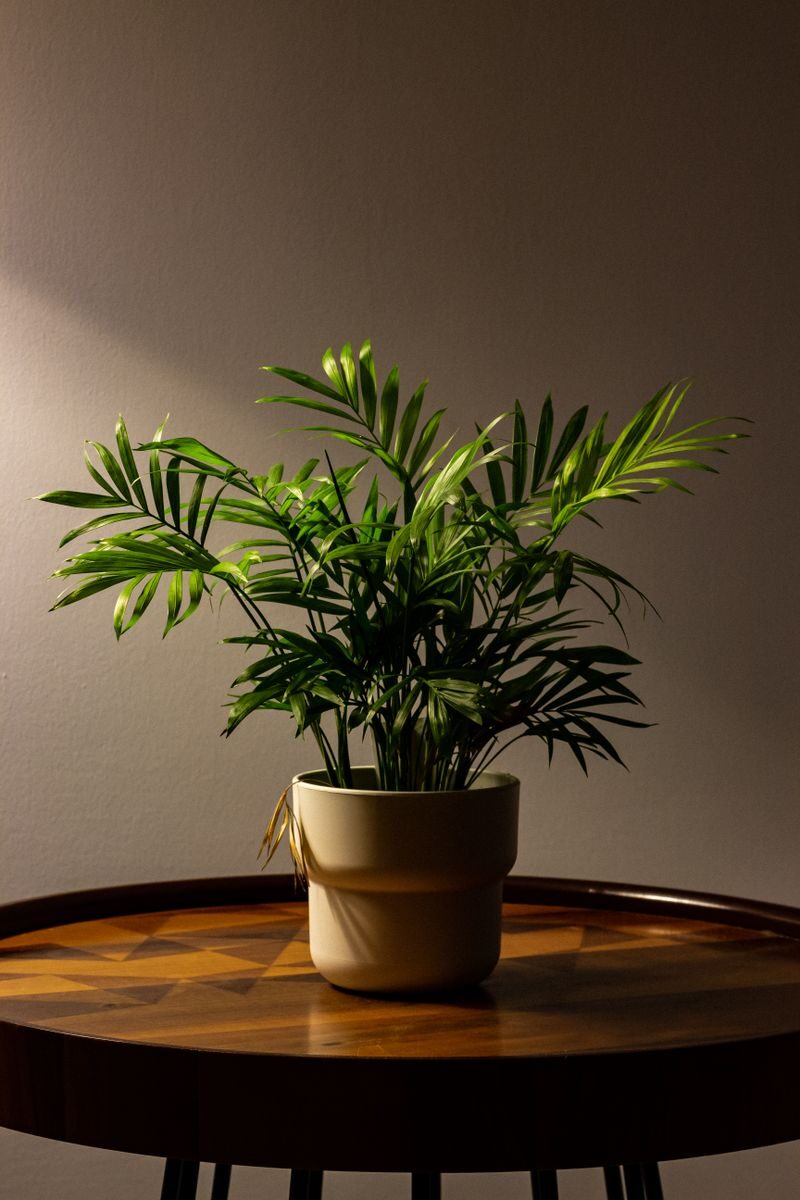
Few houseplants command a room quite like the Areca Palm. Its tall, arching fronds. Its feathery, tropical silhouette and its ability to transform a bare corner into something that looks genuinely alive and breathing. It’s no surprise that the Areca Palm has become one of the most popular indoor plants across American homes in 2026.
But here’s the thing — a lot of people buy one, bring it home, and then watch it slowly decline. Brown tips appear. Fronds turn yellow. The whole plant starts looking sad within a few months. And the frustrating part is that none of that has to happen.
The Areca Palm is not a difficult plant. It just has a few specific preferences that, once you understand them, are genuinely easy to meet. This complete care guide covers everything — light, water, soil, humidity, fertilizing, repotting, pests, and common problems — so your palm doesn’t just survive indoors. It thrives.
Quick Reference: Areca Palm Care at a Glance
Before diving into the detail, here’s everything summarized in one place:
| Care Factor | Requirement |
|---|---|
| Scientific Name | Dypsis lutescens |
| Common Names | Areca Palm, Butterfly Palm, Golden Cane Palm, Bamboo Palm |
| Origin | Madagascar |
| Light | Bright, indirect light |
| Water | When top 1–2 inches of soil are dry |
| Soil | Well-draining, peat-free mix with perlite |
| Temperature | 65–80°F (18–27°C) |
| Humidity | 50–60% preferred |
| Fertilizer | Monthly in spring and summer |
| Repotting | Every 2–3 years |
| Indoor Height | 6–8 feet |
| Pet Safe? | Yes — non-toxic to cats and dogs (ASPCA) |
| Toxicity | Non-toxic to humans |
| USDA Hardiness | Zones 10–11 outdoors |
What Is the Areca Palm? Origins and Overview
The Areca Palm (Dypsis lutescens) is a tropical palm native to Madagascar. In the wild, it grows in humid, forest-floor conditions where dappled light filters through a canopy above. Despite being critically endangered in its native habitat due to deforestation, it has become one of the most widely cultivated indoor plants on the planet.
Indoors, it grows as a clumping plant — meaning multiple canes emerge from a single root system, creating that lush, full appearance that makes it so visually striking. Each cane is topped with long, arching fronds made up of dozens of narrow, paired leaflets. The overall effect is soft, feathery, and unmistakably tropical.
As an indoor plant, a mature Areca Palm typically reaches 6 to 8 feet tall and 4 to 6 feet wide. Growth is moderate rather than fast — so don’t expect it to shoot up overnight. However, given the right conditions, it puts out new fronds consistently and remains attractive for many years. Areca palms can eventually reach a height of about six or seven feet indoors and have a lifespan of up to 10 years.
Furthermore, this plant goes by several names depending on where you shop. You may see it labeled as the Butterfly Palm, Golden Cane Palm, or Bamboo Palm. All of these refer to the same plant — Dypsis lutescens.
Areca Palm Benefits: Why It’s Worth Having in Your Home
Beyond its looks, the Areca Palm brings several genuine benefits that make it more than just a decorative purchase.
Natural Air Purifier
In the landmark NASA Clean Air Study, the Areca Palm was identified as one of the most effective plants at removing common indoor air pollutants, including formaldehyde — found in furniture, flooring, and building materials — xylene, present in paints and varnishes, and toluene, found in cleaning products.
That said, it’s worth being honest here. In real homes, the air-cleaning effect is minimal compared to what was observed in sealed lab conditions. Ventilation and air filtration have a much greater impact on indoor air quality than houseplants. So treat the air-purifying benefit as a pleasant bonus — not the primary reason to own one.
Natural Humidifier
This is the benefit that actually makes a meaningful difference in everyday life. The Areca Palm acts as a natural humidifier and targets airborne toxins. Its feathery, tropical fronds make it a statement piece in living rooms, and its size means more leaf surface area actively interacting with the surrounding air throughout the day. For homes with dry air — especially during winter heating seasons across the US Midwest, Northeast, and Mountain West — this is a genuinely valuable quality.
Completely Pet Safe
The Areca Palm is non-toxic to cats and dogs according to the ASPCA — making it one of the best large tropical houseplants for pet-friendly homes. It’s also non-toxic to humans. So if you have curious cats, clumsy dogs, or young children, you can place this plant without worry.
Striking Visual Impact
Few indoor plants at this price point deliver the same visual impact as a mature Areca Palm. It fills vertical space beautifully. It adds instant tropical warmth to living rooms, home offices, entryways, and bedrooms. And unlike many large houseplants that look interesting but sparse, the Areca’s multi-cane, multi-frond structure looks genuinely lush at every stage of growth.
Light Requirements: Getting This Right Is Everything
Light is the single most important factor in keeping an Areca Palm healthy indoors. Get this wrong, and nothing else you do will fully compensate.
Areca palms thrive in bright, indirect light. While they can tolerate some direct sunlight, prolonged exposure may scorch their delicate leaves. Ideally, place your plant near a south- or southwest-facing window with sheer curtains to filter harsh sunlight.
In practical terms for US homes, here’s what that means:
Best positions:
- 3 to 5 feet from a south-facing window with sheer curtains
- Directly in front of an east-facing window (gentle morning sun is fine)
- Near a west-facing window, pulled slightly back from direct afternoon rays
Positions to avoid:
- Direct south or west window without any filtering — afternoon sun will scorch the fronds
- Dark corners with no natural light — growth will stall and fronds will pale
- Near air conditioning or heating vents — temperature fluctuations stress the plant significantly
If your home doesn’t have a bright window available, consider supplementing with a full-spectrum LED grow light placed 12–24 inches above the plant. Run it for 12–14 hours per day to simulate bright indirect daylight. This works particularly well in apartments in cities like Chicago, Seattle, or New York where natural light can be limited during winter months.
One small habit that makes a big difference: Rotate your pot a quarter turn once a month. This ensures all sides of the plant receive equal light exposure. Without rotation, the plant grows lopsidedly toward the brightest light source.
Watering: The Biggest Mistake Most People Make
Overwatering is the number one reason Areca Palms decline indoors. It’s more damaging than underwatering. And it’s more common than most owners realize.
Water when the top 1–2 inches of soil feel dry. In most homes, this means about once a week during warmer months. In winter, reduce that frequency significantly — the soil stays moist for longer when growth slows and temperatures drop.
Rather than watering on a fixed schedule, check the soil first every time. Push your finger about two inches into the soil. If it feels dry at that depth, water thoroughly. If it still feels damp, wait another two to three days and check again.
How to water correctly:
- Water slowly and evenly until water flows freely from the drainage holes
- Empty the saucer beneath the pot within 15 minutes — never let the plant sit in standing water
- Use room-temperature water whenever possible
- Allow the top layer of soil to dry before watering again
Water quality matters more than most people expect. Brown tips are usually caused by low humidity, underwatering, or chemical-heavy tap water. Specifically, fluoride and chlorine in municipal tap water are common culprits for browning tips in Areca Palms. The fix is simple. Use filtered water, let tap water sit in an open container overnight before using it, or switch to distilled water if tip browning is persistent.
Seasonal adjustments are essential:
- Spring and summer: Water more frequently as growth accelerates and soil dries faster
- Fall: Begin reducing frequency as growth slows
- Winter: Water minimally — just enough to prevent the root ball from drying out completely. Overwatering in winter is particularly damaging because cool temperatures slow evaporation significantly
Soil: The Foundation of a Healthy Root System
Areca palms prefer a well-draining, peat-based potting mix with slight acidity (pH 6.0–6.5). You can enhance drainage by adding perlite, sand, or orchid bark to your mix, ensuring the roots stay aerated and avoid waterlogging.
However, in 2026 many experienced growers recommend moving away from peat entirely for sustainability reasons. A good mix is light, airy, and fast-draining. Skip peat — it holds too much moisture and breaks down quickly. The goal is a soil that mimics the natural, loose rainforest floor.
A practical DIY soil mix that works well:
- 50% quality indoor potting mix (peat-free if possible)
- 30% perlite for drainage and aeration
- 20% coarse orchid bark or coconut coir
This combination retains just enough moisture between waterings while draining quickly enough to prevent root rot. Avoid regular garden soil entirely — it compacts in containers and suffocates the roots.
Also, avoid pots without drainage holes. No matter how careful you are with watering, a pot without drainage will eventually cause root rot. Always use a container with at least one drainage hole, and pair it with a saucer that you empty after each watering.
Temperature and Humidity: Recreating the Tropics
The Areca Palm comes from Madagascar — a warm, humid tropical environment. Recreating those conditions indoors is the key to keeping it consistently healthy.
Temperature: Areca Palm plants prefer warm and humid conditions when grown indoors. They thrive in temperatures between 65–75°F (18–24°C) during the day and around 60–65°F (15–18°C) at night. These plants are sensitive to temperature changes and drafts, so it’s important to avoid placing them near windows, doors, or air conditioning vents that can cause sudden temperature changes.
In most US homes, maintaining the right temperature indoors is straightforward. However, watch out for cold drafts near exterior windows in winter — particularly in colder states like Minnesota, Wisconsin, and Montana — and keep the plant away from heating vents that blast dry, hot air directly onto the fronds.
Humidity: This is where many US homes fall short. Most American homes run at 30–40% indoor humidity — especially during winter when central heating dries the air considerably. Areca Palms prefer 50–60%.
Practical ways to increase humidity:
- Pebble tray method: Fill a shallow tray with pebbles and water, then set the pot on top. As the water evaporates, it raises humidity around the plant
- Group plants together: Plants naturally release moisture through transpiration. Grouping your Areca with other tropical plants creates a localized humidity microclimate
- Room humidifier: The most effective solution. A small humidifier placed nearby provides consistent moisture without requiring daily attention
- Occasional misting: Helpful but inconsistent — mist the fronds in the morning so they dry completely before nightfall to prevent fungal issues
Fertilizing: Feed It Right, Don’t Overdo It
The Areca Palm is a moderate feeder. It needs nutrients during its active growing season — spring and summer — and very little during the cooler months when growth slows.
Feed your Areca palm with a balanced, water-soluble fertilizer diluted to half the recommended strength. Apply the fertilizer every two months during the growing season (spring and summer). Reduce fertilization in the winter when the plant’s growth slows down.
Many experienced growers prefer a palm-specific fertilizer that includes magnesium and potassium — both nutrients that palms are particularly prone to deficiency in. Yellowing on older fronds is often the first visible sign of a magnesium or potassium deficiency rather than a watering problem.
Two important rules:
- Never fertilize a dry plant — always water first, then fertilize to avoid burning the roots
- Flush the soil with plain water every few months to remove excess fertilizer salt buildup. Salt accumulation in the soil causes brown tips and root damage over time
Repotting: Less Often Than You Think
One of the most common mistakes with Areca Palms is repotting too frequently. Repotting too often causes areca palms to stall or drop fronds. Repot every 2–3 years and only go up one pot size so the plant stays stable.
The Areca Palm actually prefers being slightly snug in its pot. A pot that’s too large holds excess soil moisture that the roots can’t absorb quickly — which leads to root rot. Go up only one pot size (1–2 inches in diameter) each time you repot.
Signs it’s time to repot:
- Roots growing through drainage holes
- Roots visibly circling the surface of the soil
- The plant drying out much faster than usual between waterings
- Significantly slowed growth despite good light and watering
Best time to repot: Spring — when the plant is entering its active growth phase. This gives it the best chance to recover quickly and establish in its new container.
How to repot step by step:
- Choose a pot 1–2 inches larger in diameter with drainage holes
- Prepare fresh potting mix using the formula above
- Water the plant thoroughly 24 hours before repotting to reduce stress
- Gently remove the plant and loosen compacted root ball without breaking the brittle roots
- Place in the new pot, fill with fresh mix, and firm gently
- Water thoroughly and place in bright indirect light
- Avoid fertilizing for 4–6 weeks after repotting — the plant needs time to settle
Pruning: Keep It Simple
Areca Palms don’t require heavy pruning. In fact, less is more with this plant. The main reason to prune is to remove brown, yellowing, or dead fronds that detract from the plant’s appearance.
Always use clean, sharp pruning shears. Cut fronds as close to the base cane as possible. Never cut green fronds unless absolutely necessary — removing healthy fronds reduces the plant’s ability to photosynthesize and can set back growth significantly.
Avoid trimming just the brown tips of fronds. While it’s tempting to snip off browned ends for a tidier appearance, cutting into a green frond causes the cut edge to brown further. It’s better to remove the entire frond if it’s significantly damaged, and address the underlying cause (usually low humidity or water quality) rather than trimming repeatedly.
Common Problems and How to Fix Them
Brown Tips
This is the most common complaint from Areca Palm owners across the US. The causes are almost always one of four things: low humidity, fluoride or chlorine in tap water, over-fertilization, or cold drafts.
Fix: Increase humidity, switch to filtered water, flush the soil to remove fertilizer salts, and move the plant away from drafts or vents.
Yellow Fronds
Overwatering is the most likely cause — yellow fronds are the first sign the roots are sitting in too much moisture. Let the soil dry out slightly between waterings, check the pot is draining fully, and if the yellowing is widespread, pull the plant out and inspect the roots for rot. If watering seems fine, nutrient deficiency is the next thing to check — magnesium and potassium deficiency both show up as yellowing on older fronds first.
Drooping or Wilting Fronds
Drooping typically signals either underwatering or heat stress. Check the soil moisture first. If it’s dry, water thoroughly. If the soil is already moist and the plant is drooping, check whether it’s positioned near a heating vent or in intense afternoon sun and move it if so.
Pale or Washed-Out Fronds
Pale, bleached fronds usually mean too much direct sunlight. Move the plant further from the window or add a sheer curtain to filter the light. Conversely, if fronds are pale and the plant is in a dark location, it needs more light.
Slow or No Growth
Slow growth during spring and summer usually indicates insufficient light, lack of nutrients, or a pot that’s become severely root-bound. Check all three and address accordingly.
Pests: What to Watch For
Areca Palms are generally resilient, but they can attract common houseplant pests — particularly in dry indoor conditions.
Spider mites are the most common culprit. They thrive in low-humidity environments and appear as tiny dots on the undersides of fronds, often with fine webbing. Treat with neem oil spray or insecticidal soap applied to all frond surfaces. Increase humidity simultaneously, as spider mites struggle in moist conditions.
Scale insects appear as small brown bumps along the stems and frond bases. Remove them manually with a cotton swab dipped in rubbing alcohol, then follow up with neem oil.
Mealybugs show up as white, cottony clusters at leaf joints. Treat the same way as scale — manual removal followed by neem oil.
Prevention tip: Wipe the fronds with a damp cloth once a month. This removes dust that blocks photosynthesis and makes the plant far less hospitable to pests. Spider mites try to return in spring, so mist-wipe fronds weekly during that season.
Seasonal Care Calendar
The Areca Palm’s needs shift noticeably across the year. Here’s a practical seasonal guide tailored for US homeowners.
Spring (March–May): Begin increasing watering frequency as growth resumes. Start monthly fertilizing. This is the best time to repot if needed. Watch for spider mites as temperatures rise.
Summer (June–August): This is the plant’s fastest growth period. Water more frequently but always check soil first. Keep the plant slightly back from south and west windows to avoid intense afternoon sun. Run a fan nearby during heat waves to keep air circulating.
Fall (September–November): Begin reducing watering as growth slows. Stop fertilizing by October. Move the plant closer to your brightest window as natural light hours decrease.
Winter (December–February): Growth almost stops, and the plant becomes sensitive to everything — drafts, overwatering, heater blasts. Water lightly and infrequently, just enough to keep the root ball from drying out completely. Move it closer to a bright window but out of the path of radiator heat, which crisps tips within days. Brown tips are common in winter — manage them with a humidity tray rather than misting, which can encourage fungal issues in cooler temperatures.
Where to Buy an Areca Palm in the USA
In 2026, Areca Palms are widely available across the US. Here’s where to find them:
- Home Depot and Lowe’s carry small to medium-sized specimens year-round, typically priced between $15–$50 depending on size. These are widely available in garden centers across all US states.
- IKEA often stocks Areca Palms seasonally at very competitive prices — typically $15–$25 for a medium plant.
- Local nurseries and garden centers are the best source for larger, more mature specimens. Staff at independent nurseries can also advise on the specific growing conditions in your local climate zone.
- Online retailers such as The Sill, Bloomscape, and Costa Farms ship Areca Palms directly to your door across most US states. This is particularly useful if you’re looking for a specific size or can’t find one locally.
- Trader Joe’s frequently carries small Areca Palms at remarkably low prices — worth checking if there’s a location near you.
When buying, choose a plant with bright green, undamaged fronds. Avoid plants with yellow or brown fronds, visible pest damage, or roots visibly escaping from the pot bottom — these are signs the plant has already been stressed before you even bring it home.
For expert guidance on fertilizing and feeding indoor tropical plants, the ASPCA’s complete plant toxicity database is also a trustworthy resource for confirming pet-safe plant choices alongside your Areca Palm.
If you’re also building out your indoor plant collection, check out our complete guide to the best pothos varieties — another low-maintenance tropical that pairs beautifully with an Areca Palm in bright indoor spaces.
Areca Palm Indoors vs. Outdoors: Can It Grow Outside?
In most parts of the US, the Areca Palm is an indoor-only plant. It is hardy outdoors only in USDA Zones 10 and 11 — which covers South Florida, Hawaii, and parts of Southern California and South Texas.
In these warm zones, Areca Palms can be spectacular landscape plants. They grow significantly larger outdoors — up to 20 feet tall — and spread into lush, multi-stem clumps that work beautifully as privacy screens or tropical garden anchors.
If you live in zones 9 or below, you can move your Areca Palm outdoors for the summer months in a sheltered, partially shaded spot. However, bring it back indoors before temperatures drop below 50°F (10°C) in fall. Cold damage to Areca Palms is often irreversible.
Pros and Cons of the Areca Palm as an Indoor Plant
Pros:
- Stunning, large-scale tropical visual impact
- Non-toxic to cats, dogs, and humans — ASPCA confirmed
- Acts as a natural humidifier in dry indoor environments
- Relatively forgiving once you understand its watering preferences
- Available at most US garden centers and home improvement stores
- Excellent for living rooms, home offices, entryways, and bedrooms
- Pairs well with other tropical houseplants for a cohesive indoor garden
Cons:
- Brown tips are almost inevitable in average US indoor humidity
- Sensitive to tap water fluoride and chlorine — filtered water preferred
- Slow grower — patience required for a large, mature specimen
- Brittle roots make repotting tricky
- Cannot tolerate cold drafts or temperatures below 50°F
- Requires consistent bright indirect light — dark rooms will cause decline
- Larger specimens can be expensive at specialty nurseries
The Verdict: Is the Areca Palm the Right Plant for You?
Absolutely — with one honest caveat.
The Areca Palm is not a “set it and forget it” plant. It won’t thrive on neglect the way a snake plant or ZZ plant might. However, it’s genuinely not difficult either. The key requirements are consistent: bright indirect light, filtered water, well-draining soil, and enough humidity to prevent chronic tip browning.
Get those four things right — and the Areca Palm will reward you with years of lush, tropical growth that few other houseplants can match at any price point. It’s a statement plant that earns its space. A natural humidifier. A pet-safe tropical that works in nearly any bright indoor room.
For homeowners and apartment dwellers across the US who want to bring genuine tropical warmth into their living spaces without the complexity of high-maintenance exotics, the Areca Palm remains one of the best choices available in 2026.
Frequently Asked Questions (FAQ)
Q: How often should I water my Areca Palm? Water your Areca Palm when the top 1–2 inches of soil feel dry to the touch. In most US homes during spring and summer, this works out to approximately once a week. However, in winter or in cooler rooms, the soil stays moist much longer — so always check before watering rather than following a fixed schedule. Overwatering is far more damaging than underwatering for this plant.
Q: Why does my Areca Palm have brown tips? Brown tips are the most common issue with indoor Areca Palms, and they almost always trace back to one of four causes: low indoor humidity, fluoride or chlorine in tap water, excess fertilizer salt buildup in the soil, or cold drafts from vents or windows. Start by switching to filtered water and increasing humidity with a pebble tray or humidifier. If the browning continues, flush the soil thoroughly with clean water to remove accumulated fertilizer salts.
Q: Is the Areca Palm safe for cats and dogs? Yes. The Areca Palm is confirmed non-toxic to cats, dogs, and humans by the ASPCA. This makes it one of the best large tropical houseplants for pet-friendly homes. However, while the plant won’t harm pets if chewed, ingesting large amounts of any plant material can cause mild digestive upset — so it’s still worth discouraging pets from chewing on the fronds.
Q: How much light does an Areca Palm need indoors? Areca Palms need bright, indirect light to thrive. Place them near a south or east-facing window with a sheer curtain to filter direct sun. Avoid dark corners — insufficient light causes pale, weakened fronds and very slow growth. If natural light is limited, supplement with a full-spectrum LED grow light running 12–14 hours per day.
Q: Why are my Areca Palm leaves turning yellow? Yellow leaves most commonly signal overwatering. Check that the soil is not staying consistently wet, that the pot has functional drainage holes, and that the saucer isn’t holding standing water beneath the pot. If the soil seems fine, check for nutrient deficiency — magnesium and potassium deficiency both appear as yellowing on older fronds first. A palm-specific fertilizer applied monthly during spring and summer typically resolves this.
Q: How tall does an Areca Palm grow indoors? Indoors, Areca Palms typically reach 6 to 8 feet tall over several years, with fronds spreading 4 to 6 feet wide. Growth is moderate — not fast. The plant’s size is also naturally limited by pot size. Keeping it in the same container for longer between repottings will slow growth, which can be useful if you want to control the plant’s ultimate size.
Q: How do I increase humidity for my Areca Palm? The most effective options are: a room humidifier placed nearby, a pebble tray filled with water beneath the pot, or grouping your Areca with other tropical houseplants to create a shared humidity microclimate. Occasional misting helps but isn’t consistent enough on its own — especially during dry winter months in most US states.
Q: Can I put my Areca Palm outside in summer? Yes, if temperatures are consistently above 60°F (15°C). Place it in a sheltered spot with bright indirect light — not direct afternoon sun, which will scorch the fronds. Acclimate it gradually by starting it in a shaded outdoor spot for a week before moving to brighter conditions. Bring it back indoors well before nighttime temperatures drop below 50°F in fall. Never expose it to frost or freezing temperatures.