

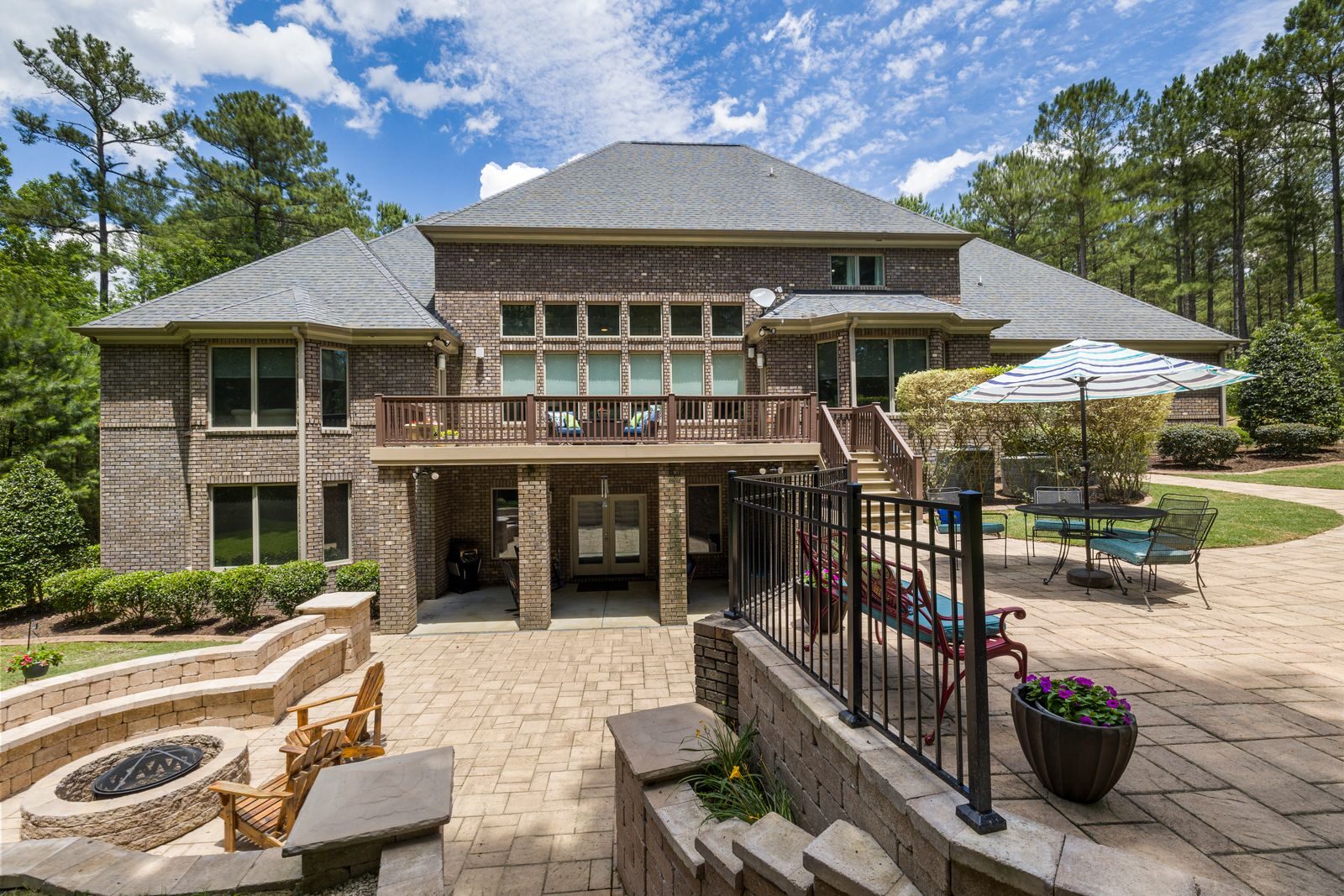
Finding the right home takes time. It should. Whether you’re relocating for a job, upsizing for a growing family, or hunting for a smart investment property, the process deserves a team that knows the local streets, school zones, and neighborhood quirks. That’s where Davidsons West Real Estate comes in. We help buyers and sellers move through the market with clear guidance, current listings, and honest advice. As a result, you can make a confident decision instead of a rushed one.
This guide covers what today’s buyers and sellers need to know. We’ll look at current mortgage conditions first. Then we’ll walk through practical tips for touring homes, negotiating offers, and closing without stress. Finally, we’ll answer the questions we hear most often from clients.
Why Local Expertise Matters More Than Ever
Real estate is local by nature. However, national headlines about home prices rarely explain what’s happening on one specific street. Similarly, they miss the details inside a single subdivision. That gap is exactly why local knowledge matters so much, especially in a market that shifts from one zip code to the next.
Our agents at Davidsons West Real Estate track pending sales every day. In addition, we watch price reductions and new listings closely. Consequently, we can tell you what a home is likely to sell for, not just what it’s listed for. Therefore, this helps buyers avoid overpaying. It also helps sellers price competitively from day one, instead of chasing the market down with repeated cuts.
Local knowledge goes beyond pricing, too. For instance, some streets flood during heavy rain. Meanwhile, some school districts are rezoning soon. Elsewhere, other neighborhoods have new commercial development on the way. Because of this, our team brings this context to every conversation. That way, clients look at more than just square footage and bedroom counts.
The Current State of the Housing Market
As of early July 2026, mortgage rates remain a central factor for most buyers. According to Bankrate’s mortgage rate tracker, the average rate on a 30-year fixed mortgage stood at 6.54% on July 6, 2026. That’s a real shift from the ultra-low rates of the early 2020s. Naturally, it continues to shape how much home buyers can comfortably afford.
Rates have stayed fairly steady this year. Most weeks land somewhere in the mid-6% range, rather than swinging wildly. Therefore, that stability is good news for planning. As a result, buyers can budget with more confidence now. Sellers, meanwhile, can set realistic price expectations without fearing a sudden rate spike.
Affordability still varies a lot by region, though. Indeed, home prices differ widely across the country. Likewise, so do property taxes and insurance costs. Overall, a national average only tells part of the story. This is another reason local guidance matters so much right now. After all, we translate national trends into what they actually mean for your budget and your target neighborhood.
What This Means for Buyers
Higher rates mean bigger monthly payments for the same loan amount. As a result, many buyers are adjusting their search. For example, some choose a slightly smaller home. Others, instead, pick a different neighborhood to stay within budget. Many are also asking sellers for rate buydowns or closing cost credits. In fact, these tools have become far more common lately.
If you’re house hunting right now, get pre-approved early. After all, it’s one of the smartest first moves you can make. A pre-approval letter shows sellers you’re serious. It also gives you a realistic number before you fall for a home outside your range.
What This Means for Sellers
Sellers should expect a calmer pace than the bidding wars of 2021. Homes are still selling well. However, buyers are doing more homework and negotiating harder than before. Presentation matters because of this. Consequently, clean, well-staged, and competitively priced homes still draw strong interest. Overpriced or neglected listings, on the other hand, tend to sit for much longer.
Overall, both sides benefit from patience right now. Buyers gain more time to compare homes carefully. Sellers, meanwhile, gain a chance to prepare their property properly before listing. Either way, working with an agent who understands these shifting dynamics makes the entire process smoother.
What to Expect When Buying a Home Right Now
Buying a home involves several distinct stages. Therefore, understanding them early reduces stress a lot. Here’s a practical breakdown our team walks clients through, step by step.
Get pre-approved first. Talk to a lender before you start browsing listings. Pre-approval shows your realistic price range. It also strengthens any offer you eventually make.
Define your must-haves. Sort these from your nice-to-haves early on. Commute distance matters to some buyers. School district matters to others. Yard size and garage space matter too. Sorting these out first saves real time during showings.
Tour homes with a critical eye. Photos can be deceiving. Visiting in person still matters most. Watch for things photos often hide, like street noise, water stains, or an uneven foundation.
Make a competitive offer. Your agent should walk you through recent comparable sales. That way, your offer reflects real market value, not just a guess.
Schedule an inspection. Don’t skip this step, even in a strong market. An inspection can reveal issues that affect your negotiating position. It can also reveal costs you’d otherwise face later.
Close and move in. Final walkthroughs come next, followed by closing paperwork and the key handoff. A good agent, however, stays available long after closing day.
What to Expect When Selling Your Home
Selling in 2026 takes more strategy than it did a few years ago. Buyers compare listings carefully now. They notice small details too.
Start with pricing first. Specifically, an agent who pulls accurate comparable sales will give you a far more realistic number than an automated valuation tool. Overpricing almost always backfires, too. Homes that sit too long often end up selling for less than they would have with correct pricing from the start.
Next, focus on presentation. Decluttering helps quite a bit. So do minor repairs, fresh paint, and professional photography. Otherwise, skipping these steps to save money rarely pays off. Buyers form impressions within seconds of walking through the door. Therefore, first impressions genuinely shape final offers.
Finally, prepare to negotiate. Many buyers ask for concessions now, like closing cost help or repair credits. Decide in advance what you’re willing to offer. That way, you can respond quickly when offers come in, rather than scrambling under pressure.
Local Market Context Across the U.S.
Housing conditions vary widely by location. Therefore, it’s worth understanding this before you set expectations. Generally, suburban markets near major metro areas have seen steadier demand than remote or rural markets. Partly, hybrid work arrangements play a role here, letting buyers trade a shorter commute for more space.
Inventory has also improved gradually this year. Specifically, more sellers are listing homes than during the tight markets of 2022 and 2023. As a result, this gives buyers a bit more breathing room. It also creates more negotiating leverage than during the pandemic-era rush. Even so, desirable neighborhoods still move fast. After all, strong schools, walkable downtowns, and easy highway access continue to attract quick offers.
If you’re relocating from another state, do your homework first. Research property tax rates. Check homeowners insurance costs too. Look into local utility expenses before setting your budget. These costs vary enormously across states. They can change your true monthly housing expense well beyond the mortgage payment alone. Our team regularly helps relocating buyers understand these local factors, so there are no surprises after closing.
How Davidsons West Real Estate Supports You
Buying or selling a home involves dozens of small decisions. Having a knowledgeable partner throughout the process makes a real difference. Our approach centers on three things: honest pricing guidance, responsive communication, and genuine local knowledge.
We update our property listings regularly. This way, you always see current, accurate information instead of stale data. Take a look at our current homes for sale and property listings if you’d like to browse what’s active in your target area right now.
We also believe in transparency, even when the news isn’t what a client hopes to hear. If a home is overpriced, we’ll say so directly. If a neighborhood has flood risk or an upcoming zoning change, we’ll flag it before you make an offer, not after. This honesty builds long-term trust. Many of our clients return for their next move or refer friends and family.
Actionable Tips Before You Start Your Search
A few practical steps can save you real time and money. Consider these before you begin touring homes.
Get your finances organized first. Check your credit report early. Gather documentation for pre-approval too. Know your realistic budget before you start touring homes.
Research neighborhoods thoroughly, not just individual listings. Drive through potential areas at different times of day. Check school ratings as well. Look into planned developments nearby.
Don’t skip the inspection, even on a home that seems perfect. It’s a small cost compared to discovering major issues after closing.
Ask about closing costs early on. These typically run between 2% and 5% of the purchase price. Knowing this number ahead of time prevents last-minute budget stress.
Work with an agent who communicates clearly and quickly. Real estate moves fast. A slow response time can cost you a home you love.
Frequently Asked Questions
What is the average mortgage rate right now in 2026? As of early July 2026, the average 30-year fixed mortgage rate sits around 6.5%. This is based on data from Bankrate and Freddie Mac. Rates have stayed fairly steady in the mid-6% range for most of the year. Your personal rate will still depend on your credit score, down payment, and loan type.
How much should I save for a down payment? Down payment requirements vary by loan type. Conventional loans often require just 3% to 5% down. FHA loans can go as low as 3.5%. Putting down 20%, however, helps you avoid private mortgage insurance. It also results in a lower monthly payment overall.
Is now a good time to buy a home? It depends more on your situation than the broader market. If you’ve found a home you love and can afford the payment, waiting for rates to drop isn’t guaranteed to pay off. Home prices could rise in the meantime. A local agent can help you weigh your specific circumstances.
How long does it typically take to close on a home? Most closings take between 30 and 45 days after an accepted offer. This can vary depending on your lender. It also depends on the complexity of the transaction and whether inspection issues need resolving along the way.
Should I sell my current home before buying a new one? This depends on your financial flexibility. Selling first gives you a clear budget. It also avoids carrying two mortgages at once. However, it may mean temporary housing if your next home isn’t ready yet. Buying first offers more convenience, but it requires careful planning, sometimes including a bridge loan.
What’s the difference between pre-qualification and pre-approval? Pre-qualification is a quick estimate based on self-reported information. Pre-approval is different. It involves a lender verifying your income, assets, and credit directly. As a result, it carries far more weight with sellers.
How do I know if a home is priced fairly? Your agent should provide a comparative market analysis. This looks at recently sold homes similar in size, condition, and location. It gives you a realistic benchmark, rather than relying only on the seller’s asking price.
Can I negotiate closing costs with the seller? Yes, and it’s increasingly common now. Buyers can ask sellers to cover part of the closing costs. This happens often when a seller is motivated or a home has sat on the market for a while.
Final Thoughts
The housing market in 2026 rewards preparation. Buyers who get pre-approved early tend to find better homes at fairer prices. The same goes for those who research neighborhoods carefully and work with knowledgeable local agents. Sellers who price realistically and present their homes well continue to attract strong offers. This holds true even in a market that moves slower than the frenzy of a few years ago.
Whether you’re just starting to browse listings or ready to make an offer this week, Davidsons West Real Estate is here to help. We’ll guide you through every step along the way. Reach out to our team today. Let’s find the home that actually fits your life, not just your search filters.