

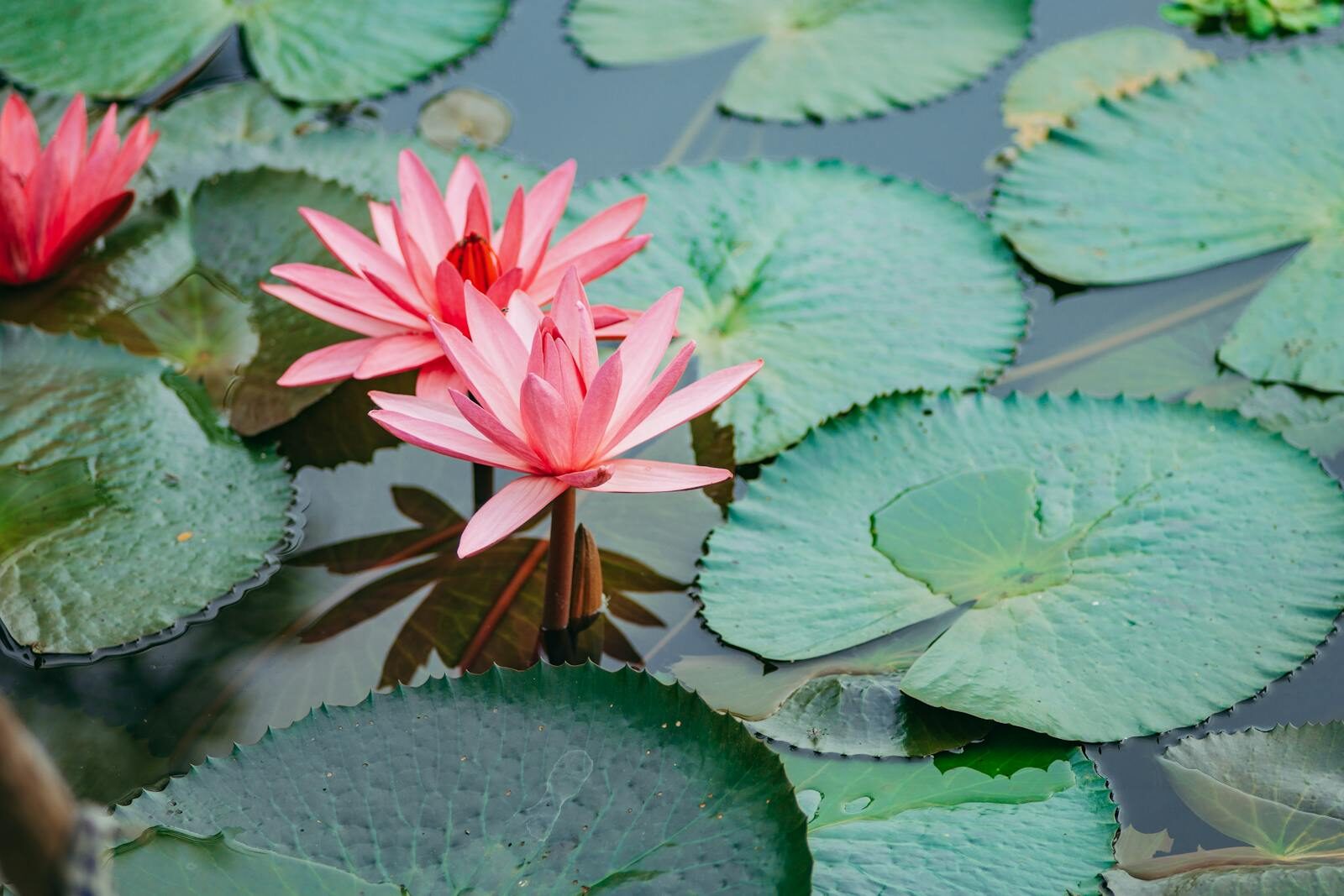
Most gardeners spend their energy fighting wet soil — redirecting water, improving drainage, raising beds, trying to make plants survive conditions they were never meant to thrive in. But there’s another approach entirely, one that works with the landscape rather than against it. And it produces some of the most breathtaking garden spaces in America.
Wetland gardening — designing with plants that genuinely love boggy, saturated, or periodically flooded ground — is gaining serious momentum among homeowners, landscape designers, and native plant enthusiasts across the USA. And the flowers at the heart of it are extraordinary. Far from the muddy, gloomy image that the word “swamp” tends to conjure, swamp-loving plants produce blooms of remarkable beauty: electric blue irises, towering pink hibiscus, ghostly white calla lilies, and delicate jewel-bright pitcher plants that look like they were designed by a fantasy illustrator.
If you have a consistently wet corner of your yard in Louisiana, a rain garden that holds water too long in Ohio, a low-lying property near a creek in North Carolina, or a boggy stretch of lawn in Washington State, this guide is for you. The right plants don’t just tolerate these conditions — they celebrate them.
Why Grow a Wetland Garden?
Before diving into the plants themselves, it’s worth understanding why wetland gardening is worth pursuing intentionally — not just as a workaround for problem areas, but as a deliberate design choice.
Ecological value is exceptional. Wetland habitats are among the most biodiverse ecosystems on earth. A well-planted wetland garden supports frogs, salamanders, dragonflies, native bees, hummingbirds, and dozens of bird species. In an era when natural wetlands in the USA have been dramatically reduced by development, a backyard bog garden is a genuine act of ecological stewardship.
They require less maintenance than traditional gardens. Once established, wetland plants are extraordinary survivors. They evolved in challenging, fluctuating environments — they don’t need pampering, irrigation systems, or constant soil amendment. Nature essentially does the watering for you.
They solve real landscape problems. Standing water, soggy turf, perpetually muddy areas — these aren’t failures of your yard. They’re invitations. Converting a problem wet area into a thriving wetland garden eliminates the frustration and produces something genuinely beautiful in its place.
They’re deeply regionally authentic. Native swamp flowers aren’t just adapted to wet conditions — they’re part of the living heritage of American landscapes. Planting them connects your garden to the ecological story of the land you live on.
According to the Lady Bird Johnson Wildflower Center at the University of Texas at Austin — one of the most authoritative resources on native plants in the USA — native wetland plants are among the most valuable choices for supporting regional biodiversity and creating resilient, low-maintenance garden ecosystems. Explore their native plant database and wetland plant resources at wildflower.org.
Understanding Wetland Conditions: What “Swamp Plants” Actually Need
The term “swamp plant” covers a surprisingly wide range of moisture preferences. Before selecting plants, it helps to understand the specific conditions you’re working with.
Saturated bog conditions — soil that is permanently or near-permanently wet, often with low oxygen content and high acidity. Classic bog plants like pitcher plants and sundews evolved here.
Seasonally flooded areas — low-lying ground that floods during heavy rain or snowmelt but dries somewhat between events. Many of the most showy native wildflowers thrive here.
Pond and stream margins — the transitional zones between open water and dry land, where moisture is consistently high but not necessarily stagnant.
Rain gardens and bioswales — designed landscape features that collect and temporarily hold stormwater runoff. These mimic natural wetland conditions and are ideal for many swamp-tolerant flowering plants.
Most of the plants covered in this guide are adaptable across more than one of these conditions. When a specific preference applies, it’s noted in the plant profile.
Beautiful Flowers That Grow in Swamps Across the USA
1. Blue Flag Iris (Iris versicolor and Iris virginica)
If there is a single flower that most completely captures the wild beauty of American swamps and wetlands, it may well be the blue flag iris. Native across a huge swath of the eastern USA — from Maine to Florida, and west to Minnesota — this elegant iris produces blooms in stunning shades of violet, blue-purple, and lavender with delicate yellow and white veining at the throat of each petal.
It blooms in late spring to early summer and reaches 2–3 feet in height, forming graceful clumps that spread slowly over time. Unlike many garden irises, blue flag is a true wetland plant — it grows naturally along stream banks, in marshes, pond margins, and swampy meadows, and it performs equally well in deliberately designed bog gardens and rain gardens.
Growing conditions: Full sun to partial shade; consistently moist to wet soil; tolerates shallow standing water. USDA Zones: 3–9 depending on species. Design use: Mass plant along the edges of a rain garden or water feature for a sweeping ribbon of violet color in late spring. Stunning paired with yellow flag iris for a two-tone effect — though note that yellow flag (Iris pseudacorus) is invasive in many U.S. states and should be used with caution or replaced with the native yellow iris alternatives.
2. Rose Mallow / Swamp Hibiscus (Hibiscus moscheutos)
If you want drama, nothing in the wetland garden world delivers it quite like swamp hibiscus. The flowers are genuinely enormous — dinner-plate sized blooms up to 12 inches across in shades of white, pink, red, and deep crimson, often with a contrasting dark center. On a mature plant surrounded by lush, tropical-looking foliage, they create a display that stops people mid-conversation.
Native to the eastern and central USA, rose mallow grows naturally in marshes, swampy thickets, and tidal wetlands from New England to the Gulf Coast. It’s a herbaceous perennial — dying back to the ground each winter and re-emerging with gusto in late spring — and it performs reliably in wet to moist garden conditions.
Growing conditions: Full sun preferred; consistently moist to wet soil; tolerates seasonal flooding. USDA Zones: 4–9. Design use: Use as a bold back-of-border specimen in a rain garden or along a pond edge. In Southern gardens from Georgia through Texas, it blooms from midsummer into fall and provides some of the most impressive color available in a wet-tolerant plant. Pair with blue flag iris and native ferns for a layered, naturalistic composition.
3. Cardinal Flower (Lobelia cardinalis)
The cardinal flower is one of the most electrically vivid wildflowers in all of North America. Its blooms are an almost impossibly saturated scarlet-red — a color so intense it seems to glow from within — produced on tall spikes that rise 3–4 feet above deeply green foliage from midsummer into early fall.
It is also among the most important nectar sources for ruby-throated hummingbirds during their late-summer migration, making it both a visual and ecological treasure in any wetland garden. Native across most of the eastern USA and into parts of the Southwest, it grows naturally along stream banks, in swampy meadows, and at the edges of wooded wetlands.
Growing conditions: Full sun to partial shade; consistently moist to wet, fertile soil. USDA Zones: 2–9. Design use: The cardinal flower is most effective in drifts of three to five plants, planted where their brilliant color can be appreciated against a contrasting backdrop — a dark green hedge, a stone wall, or a body of water. In Pacific Northwest gardens and throughout the Southeast, it self-seeds reliably, naturalizing beautifully over time.
4. Swamp Rose (Rosa palustris)
The swamp rose is the native rose of American wetlands — and it is genuinely lovely. Producing fragrant, clear pink blooms in early to midsummer on arching canes that reach 4–7 feet, it offers all the romanticism of a garden rose with none of the fussiness. It grows naturally in swamps, bogs, marshland edges, and along stream banks throughout the eastern USA.
Unlike its cultivated garden cousins, swamp rose thrives in wet, poorly drained soil where most roses would rot. And it requires no fungicide spraying, minimal pruning, and virtually no supplemental care once established.
Growing conditions: Full sun to light shade; consistently moist to wet soil; tolerates seasonal flooding. USDA Zones: 3–9. Design use: Use as a naturalizing shrub along a rain garden berm or at the margins of a pond or stream. In fall, its bright red hips persist on the canes and provide important food for overwintering birds — an ecological bonus that extends the plant’s value well beyond its bloom season.
5. Pitcher Plant (Sarracenia spp.)
Few plants anywhere in the botanical world are as visually extraordinary as native American pitcher plants. Their modified leaves form upright, tubular pitchers in patterns of green, yellow, red, and deep burgundy. Architectural forms that look more like art installations than plant life.
Native pitcher plants grow naturally in the acidic bogs and seepage wetlands of the eastern USA. Particularly in the Southeastern coastal plain from Virginia through Florida and Mississippi. And in northern bog environments from the Great Lakes through New England.
Growing conditions: Full sun; consistently wet, nutrient-poor, acidic soil (pH 4.5–5.5); does not tolerate fertilizer or tap water high in minerals — use rainwater or distilled water. USDA Zones: Varies by species; most eastern natives in zones 4–9. Design use: Pitcher plants are most effectively grown in dedicated bog garden containers or constructed bog beds where soil conditions can be precisely controlled. A collection of several Sarracenia species planted together creates a genuinely spectacular display that prompts conversation from every visitor. Pair with sphagnum moss and native sundews for an authentic bog garden composition.
6. Swamp Milkweed (Asclepias incarnata)
Swamp milkweed is among the most ecologically important flowering plants a gardener in the USA can grow. As a native milkweed species, it is a critical host plant for monarch butterfly caterpillars. The monarch’s dramatic population decline over recent decades makes every milkweed plant genuinely meaningful.
Beyond its ecological role, it’s a beautiful garden plant in its own right. Clusters of fragrant, rosy-pink to mauve flowers bloom from midsummer into early fall on upright stems reaching 3–5 feet, attracting a constant procession of butterflies, native bees, and other pollinators. It thrives in wet meadows, stream banks, and swampy areas throughout most of the USA.
Growing conditions: Full sun; consistently moist to wet soil; adaptable to average garden soil with adequate moisture. USDA Zones: 3–9. Design use: One of the most versatile wetland wildflowers for designed rain gardens and bioswales. It combines beautifully with blue flag iris, cardinal flower, and native Joe Pye weed for a midsummer wildflower garden that buzzes with pollinator activity. Essential planting for any gardener in Texas, California, Florida, or the Midwest seeking to support monarch butterfly populations.
7. Calla Lily (Zantedeschia aethiopica)
Calla lilies occupy a unique space in the wetland garden. Technically not true lilies, and not native to the USA but so consistently beautiful and so well-suited to wet garden conditions that they deserve inclusion in any discussion of swamp-garden flowers.
Their blooms are among the most architecturally pure in the plant world: a single, smooth, curving spathe of pure white (or in cultivated varieties, yellow, pink, burgundy, or deep purple) surrounding an upright golden spadix. They emerge from lush, arrow-shaped, glossy foliage and create an effect that feels simultaneously wild and sophisticated.
Growing conditions: Full sun to partial shade; consistently moist to wet soil; tolerates shallow standing water. USDA Zones: 8–10 as perennials; grown as annuals or container plants in colder zones. Design use: In California, Oregon, and other mild-climate western states, calla lilies naturalize in moist roadside ditches and boggy meadows and can be used freely in wetland garden designs. In colder climates, grow in large containers that can be overwintered indoors, or treat as a seasonal perennial that dies back and resprouts reliably in warmer USDA zones.
8. Yellow Monkey Flower (Mimulus guttatus)
The yellow monkey flower is a cheerful, prolific native wildflower of western North American streams, seeps, and boggy meadows — and one of the most rewarding plants for wet garden conditions in the Pacific Northwest, Rocky Mountain West, and California.
It produces bright golden-yellow blooms spotted with red at the throat from spring through summer, on spreading plants that form cheerful groundcover-style mats in consistently wet conditions. In stream bank plantings and rain gardens in Seattle, WA, Portland, OR, and throughout Northern California, it naturalizes beautifully.
Growing conditions: Full sun to partial shade; consistently wet soil or shallow water; cool to moderate temperatures. USDA Zones: 3–9. Design use: Use as a groundcover along the margins of a water feature or stream-edge planting. Combines beautifully with native sedges, blue flag iris, and cardinal flower in a mixed wetland wildflower planting.
9. Joe Pye Weed (Eutrochium purpureum)
Joe Pye weed is the gentle giant of the American wetland wildflower world. Reaching 5–7 feet tall with massive, domed flower heads in dusty mauve-pink and rose purple, it commands the back of any planting with authority. Blooming from late summer into fall, it arrives just as many garden flowers are fading — and it arrives with an abundance that is almost theatrical.
Native to moist woodland edges, stream banks, and wet meadows throughout the eastern USA. It’s a keystone plant for late-season pollinators. Monarch butterflies, tiger swallowtails, bumble bees, and dozens of native bee species depend on its nectar during the critical pre-migration and pre-hibernation period of late summer and fall.
Growing conditions: Full sun to partial shade; consistently moist to wet, fertile soil. USDA Zones: 3–8. Design use: Joe Pye weed is best used at the back of a rain garden or wetland border where its towering height works as architecture rather than obstruction. Pair with swamp milkweed, cardinal flower, and native grasses for a naturalistic late-summer meadow that peaks when most conventional gardens are going quiet.
10. Virginia Bluebells (Mertensia virginica)
Virginia bluebells offer something different from the bold summer bloomers that dominate many wetland gardens. They offer the delicacy and ephemeral beauty of early spring. Their nodding clusters of sky-blue tubular flowers bloom in March and April along floodplain forests.
They are spring ephemerals. They emerge, bloom brilliantly, set seed, and disappear entirely by early summer, going completely dormant until the following spring. This characteristic makes them ideal companions for later-emerging wetland plants that will fill the space they leave behind.
Growing conditions: Partial to full shade; consistently moist, rich, humus-rich soil; tolerates seasonal flooding. USDA Zones: 3–8. Design use: Plant in drifts under deciduous trees near a rain garden or stream bank. In Mid-Atlantic and Midwest gardens, naturalized stands of Virginia bluebells along a wooded stream are one of spring’s most achingly beautiful sights. Combine with native ferns, Jack-in-the-pulpit, and marsh marigold for a layered spring woodland floor.
Designing Your Wetland Garden: Key Principles
Understanding the plants is essential, but how you arrange and design with them determines whether your wetland garden reads as a thoughtful, beautiful space or simply a collection of soggy plants.
Layer by Height and Bloom Season
The best wetland gardens work in vertical layers. Tall background plants (Joe Pye weed, swamp hibiscus), mid-height bloomers (blue flag iris, swamp milkweed, cardinal flower), and low groundcover plants (monkey flower, bog moss, native sedges) — while also sequencing bloom times so that something is always contributing color and interest from early spring through late fall.
Embrace Natural Informality
Wetland plants evolved in environments shaped by flooding, wind, and natural disturbance. They’re not meant to be stiffly formal. Allow them to intermingle, self-seed, and spread naturally. The goal is an abundant, layered, naturalistic tapestry — not rigid rows or geometric blocks.
Work With Your Existing Water Flow
The most successful wetland gardens are designed in alignment with how water actually moves across your property. Observe where water pools after rain, where it flows, and where it lingers. Plant the most flood-tolerant species (blue flag iris, swamp hibiscus, cardinal flower) in the wettest spots, and transition to moisture-tolerant but not fully aquatic species (Joe Pye weed, swamp milkweed, Virginia bluebells) at the edges.
Incorporate Native Grasses and Sedges
Flowering wetland plants are most beautiful when woven through a matrix of native grasses and sedges that provide textural contrast and structural continuity throughout the year. Blue-gray sedge (Carex flacca), tussock sedge (Carex stricta), and soft rush (Juncus effusus) are outstanding companions that fill space between flowering plants and give the planting a coherent, naturalistic quality.
Add a Water Feature if Possible
Even a simple naturalistic pond — a lined excavation planted at its margins with native aquatic and wetland species — dramatically expands the palette of plants you can grow and transforms a wet garden area into a genuine ecological destination. Frogs, dragonflies, and songbirds will find it within a single season.
Related: How to Build a Rain Garden That Helps the Environment and Looks Beautiful
Building a Simple Bog Garden: A Step-by-Step Overview
You don’t need a natural wetland on your property to grow most of the plants in this guide. A constructed bog garden — essentially a lined, permanently moist raised or in-ground bed — replicates the conditions swamp flowers need and can be built in an afternoon.
Basic approach:
- Excavate a bed 18–24 inches deep in your chosen location.
- Line it with a heavy-duty pond liner, punctured with a few small holes every 3–4 feet to allow very slow drainage (prevents true stagnation while maintaining consistent moisture).
- Fill it with a mixture of peat moss, composted bark, and sharp sand — or a commercially available bog mix if you’re growing acid-loving plants like pitcher plants.
- Plant your chosen wetland flowers, water in thoroughly, and allow the liner to maintain consistent moisture.
- Mulch lightly with shredded bark or pine needles to help retain moisture and moderate soil temperature.
With proper construction, a bog garden requires minimal supplemental watering even in dry summers, and it provides a permanent home for the most rewarding and unusual plants in this guide.
Actionable Tips for Success With Swamp and Wetland Flowers
- Know your wetness level — there’s an important difference between “consistently moist” and “standing water tolerant.” Match each plant’s specific moisture preference to your site conditions for the best results.
- Go native whenever possible — native wetland flowers have co-evolved with local soils, climate, and wildlife for thousands of years. They establish more reliably, require less care, and deliver far greater ecological value than exotic alternatives.
- Source plants from reputable native plant nurseries — many wetland wildflowers, particularly pitcher plants and other bog species, are threatened in the wild. Always purchase nursery-propagated plants, never wild-collected specimens. The Lady Bird Johnson Wildflower Center’s native plant suppliers list is an excellent resource for finding trustworthy sources in your region.
- Be patient with establishment — most wetland perennials follow the classic pattern: sleep, creep, leap. Year one, they establish roots. Year two, they begin to grow in earnest. Year three, they deliver their full potential. Don’t judge a bog garden by its first summer.
- Limit fertilization — wetland plants adapted to nutrient-poor, boggy conditions — pitcher plants especially — are actively harmed by conventional fertilizers. Let the natural organic matter in your bog mix provide what nutrients they need.
- Design for wildlife from day one — include host plants for caterpillars (swamp milkweed for monarchs), nectar-rich species for pollinators (cardinal flower for hummingbirds, Joe Pye weed for butterflies), and berry-producing plants (swamp rose, buttonbush) for overwintering birds.
Final Thoughts
There is a particular kind of beauty that belongs to wetland flowers — something rawer, wilder, and more elemental than what you find in a conventional perennial border. A swamp hibiscus bloom the size of a dinner plate. A stand of blue flag iris reflected in still, dark water. The alien geometry of a pitcher plant catching morning light. A hummingbird hovering at a cardinal flower spike in the heat of August.
These aren’t consolation-prize plants for gardeners stuck with difficult, soggy ground. They’re some of the most extraordinary flowering plants on the planet — and they’ve been waiting patiently in American wetlands for gardeners to notice.
If your yard holds water, stop fighting it. Plant into it instead. You may discover that the soggiest corner of your property becomes its most beautiful — and most alive — square foot.