

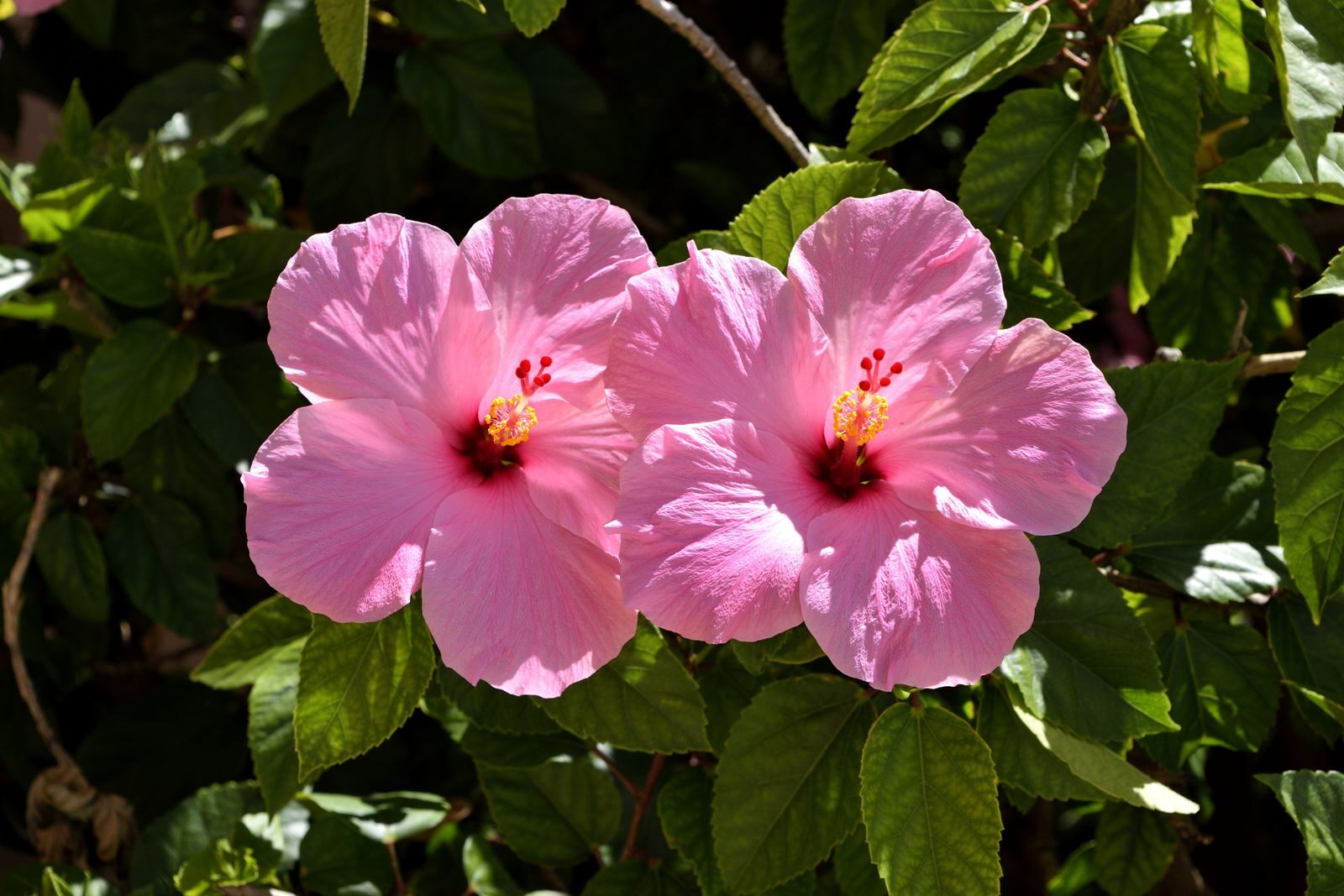
If you have ever walked past a pink hibiscus in full bloom, you know why gardeners across the United States fall in love with this plant every summer. The flowers are huge, silky, and almost tropical in feel, even if you live somewhere far from the coast. However, a lot of new gardeners buy one, watch it thrive for a few weeks, and then wonder why the blooms disappear or the leaves start yellowing. I have grown hibiscus in containers on a windy porch and in the ground in a warmer zone, and the truth is that most problems come down to just a handful of care habits. This guide walks through everything you need, from sunlight and watering to winter care and common pests, so your pink hibiscus keeps producing those show-stopping blooms season after season.
Why Pink Hibiscus Deserves a Spot in Your Garden
Pink hibiscus, most often a variety of Hibiscus rosa-sinensis, is prized for its large trumpet-shaped flowers that can stretch four to six inches across. Each bloom typically lasts only a day or two, but a healthy plant produces new flowers constantly throughout the warm months. That means from late spring through early fall, you can expect an almost nonstop show.
Beyond the visual appeal, hibiscus also brings pollinators to your yard. Hummingbirds and butterflies are drawn to the bright color and nectar-rich blooms, so planting one is a small but meaningful way to support your local ecosystem. Meanwhile, the plant itself is relatively low-maintenance once it is established, which makes it a great option for gardeners who want big impact without constant fuss.
Understanding Your USDA Hardiness Zone First
Before you plant anything, it helps to know your growing zone. The USDA Plant Hardiness Zone Map divides the country into thirteen zones based on the average annual extreme minimum winter temperature, and gardeners can use it to figure out which plants will reliably survive winter outdoors in their specific area. Tropical hibiscus varieties, including most pink hibiscus, generally thrive outdoors year-round in zones 9 through 11, which covers much of Florida, southern Texas, Southern California, and Hawaii.
If you live in a cooler region, such as the Midwest, Northeast, or Pacific Northwest, you can still grow pink hibiscus successfully. You will simply treat it as a container plant that spends summer outside and winter indoors near a bright window. This approach is common and works well, so do not let your zip code discourage you from trying.
Choosing the Right Spot for Sunlight
Pink hibiscus is a sun lover through and through. For the best blooms, aim for at least six hours of direct sunlight every day. Morning sun paired with light afternoon shade tends to work particularly well in especially hot climates like Arizona or inland Southern California, since intense afternoon heat can sometimes stress the plant and cause leaf scorch.
If you are growing your hibiscus in a container, place it in the sunniest spot on your patio or balcony, and rotate the pot occasionally so the whole plant gets even light exposure. Without enough sun, the plant will grow leggy, produce fewer flowers, and generally look unhappy no matter how well you water or feed it.
Soil and Planting Basics
Hibiscus prefers rich, well-draining soil with a slightly acidic to neutral pH, somewhere between 6.0 and 6.5. If your native soil is heavy clay, amend it generously with compost before planting, or simply grow your hibiscus in a large container filled with quality potting mix instead.
When planting in the ground, dig a hole twice as wide as the root ball but no deeper, since planting too deep is one of the most common mistakes gardeners make. Backfill with a mix of native soil and compost, then water thoroughly to settle the roots. For container growing, choose a pot with drainage holes that is at least two inches wider than the current root ball, and size up every year or two as the plant grows.
Watering Pink Hibiscus the Right Way
Consistent moisture is key to healthy hibiscus growth. During the active growing season, water deeply whenever the top inch of soil feels dry to the touch. In hot summer climates, that often means watering container plants daily, while in-ground plants may only need watering two or three times a week.
That said, hibiscus does not like soggy roots any more than it likes drought. Overwatering is actually one of the fastest ways to cause root rot, so always make sure excess water can drain away freely. As a simple rule of thumb, stick your finger into the soil before watering; if it still feels moist an inch down, hold off for another day.
Fertilizing for Bigger, Brighter Blooms
Because hibiscus blooms so heavily, it burns through nutrients quickly. A balanced, water-soluble fertilizer formulated for flowering plants, applied every two to four weeks during the growing season, keeps the plant fueled for continuous flowering. Many experienced growers specifically look for a fertilizer with higher potassium and lower phosphorus, since this ratio tends to encourage more blooms rather than excess leaf growth.
Slow-release granular fertilizer is another solid option if you prefer a lower-maintenance routine, since it feeds the plant gradually over several months. Whichever product you choose, always follow the label instructions closely, since over-fertilizing can scorch the roots and actually reduce flowering rather than improve it.
Pruning and Deadheading Tips
Regular pruning keeps your pink hibiscus full, compact, and productive rather than tall and sparse. Early spring, just before new growth kicks in, is the ideal time for a more significant trim. Cut back about one-third of the plant’s growth, focusing on removing dead, damaged, or crossing branches.
Throughout the growing season, light pruning and deadheading spent blooms encourage the plant to redirect its energy into producing new flowers instead of seed pods. This is a quick five-minute task you can fold into your regular garden walk-through, and it makes a noticeable difference over the course of a summer.
Common Pests and Problems to Watch For
Even a well-cared-for hibiscus can attract a few unwanted visitors. Aphids, whiteflies, and spider mites are the most frequent culprits, typically showing up on new growth or the undersides of leaves. A strong blast of water from the hose, followed by an application of insecticidal soap or neem oil, usually clears up minor infestations without harsh chemicals.
Yellowing leaves are another common concern, and they can mean several different things depending on the pattern. Overwatering, nutrient deficiency, and sudden temperature swings are all typical causes, so rather than panicking, check your recent watering schedule and recent weather first before assuming disease is the culprit. Bud drop, where flower buds fall off before opening, is often linked to inconsistent watering, sudden moves, or drafts, especially for plants that have recently been relocated indoors or outdoors.
Overwintering Hibiscus in Cooler Climates
If you live somewhere with cold winters, your pink hibiscus will need to come inside before the first frost. Bring container plants indoors once nighttime temperatures start dipping into the 50s Fahrenheit, and place them near your brightest window, ideally one that faces south.
Indoors, growth naturally slows down, so cut back on watering and stop fertilizing until spring. Do not be alarmed if the plant drops some leaves during this transition; that is a normal stress response, and new growth should return once you move it back outside after the last frost. Gradually reintroduce it to outdoor sun over a week or two rather than moving it directly into full sun, since a sudden change can shock the leaves.
Local Considerations Across the United States
Growing conditions vary widely depending on where you live, so it helps to think regionally. In humid Gulf Coast states like Louisiana and Florida, good air circulation and careful pest monitoring matter more, since fungal issues and pests thrive in that moisture. In drier Southwestern climates such as Arizona and Nevada, afternoon shade and more frequent watering help protect plants from leaf scorch. Meanwhile, gardeners in the Midwest and Northeast should plan on container growing from the start, treating hibiscus as a seasonal patio plant that migrates indoors each fall.
For a deeper look at how regional climate patterns shape your broader garden plan, our guide on tropical plant care for indoor and outdoor spaces walks through additional strategies for matching plants to your specific region.
Bringing It All Together
Growing a pink hibiscus that blooms beautifully all season really comes down to a few consistent habits: plenty of sun, steady but not excessive water, regular feeding, and a bit of seasonal awareness. Once you get the rhythm down, this plant rewards you generously, often producing dozens of blooms across a single summer. It is one of those plants that feels a little indulgent to grow, yet it asks for surprisingly little in return once it is settled into the right spot.
Frequently Asked Questions
How often should I water my pink hibiscus?
Water whenever the top inch of soil feels dry, which usually means daily for container plants in summer heat and a few times a week for in-ground plants. Always allow excess water to drain away so the roots are not sitting in standing water.
Why is my pink hibiscus not blooming?
Insufficient sunlight is the most common reason, so check that your plant gets at least six hours of direct sun daily. Underfeeding, root-bound containers, and recent stress from transplanting or temperature swings can also delay blooming.
Can pink hibiscus survive winter outdoors?
It depends on your climate. According to USDA hardiness zone data, tropical hibiscus generally survives winter outdoors only in zones 9 through 11; in cooler zones, you will need to bring it indoors before frost arrives.
What is the best fertilizer for hibiscus blooms?
A balanced, water-soluble fertilizer with higher potassium and lower phosphorus, applied every two to four weeks during the growing season, tends to encourage the strongest and most frequent blooms.
Why are the leaves on my hibiscus turning yellow?
Yellowing leaves are usually tied to overwatering, nutrient deficiencies, or sudden temperature changes rather than disease. Reviewing your recent watering habits and local weather is a good first troubleshooting step.
How big does a pink hibiscus plant get?
Depending on the variety and growing conditions, pink hibiscus can reach four to ten feet tall when grown in the ground, while container plants are usually kept smaller through regular pruning.
Is pink hibiscus toxic to pets?
Hibiscus is generally considered non-toxic to cats and dogs, though it is always wise to discourage pets from chewing on any houseplant and to consult your veterinarian if you notice unusual symptoms.
When is the best time to repot a pink hibiscus?
Early spring, right before the growing season begins, is the ideal window to repot, since it gives the plant time to establish new roots before the heaviest blooming period starts.