

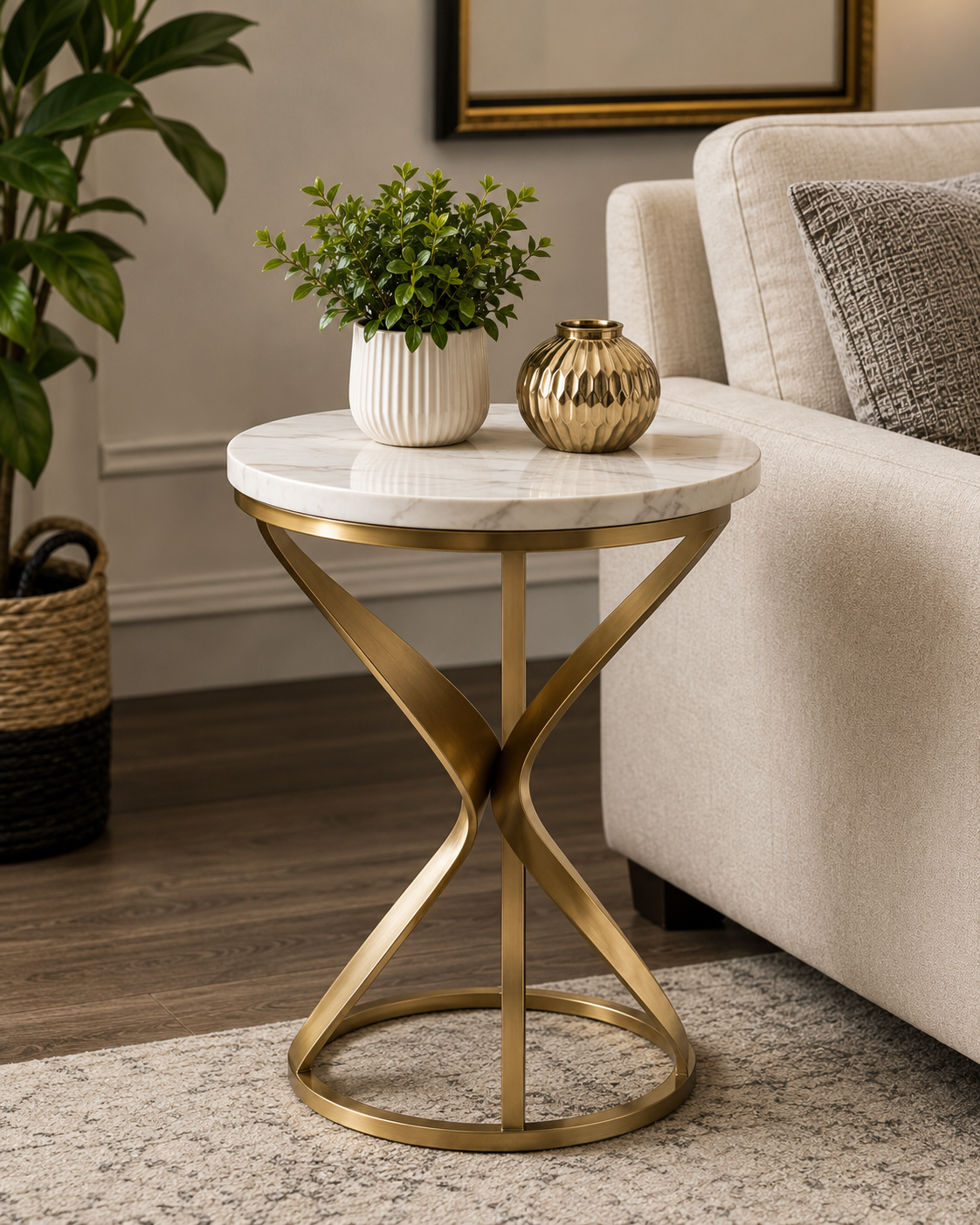
Have you ever stood in the middle of a living room and felt like something small was missing? There is a good chance that “something” was an accent table. These little pieces do a lot of quiet work. They hold your coffee, your reading glasses, and your favorite candle. Somehow, they also pull an entire room together. However, choosing the right one is not always as simple as picking whatever looks nice in a store display.
This guide walks through everything you need to know before buying an accent table in 2026. That includes materials, sizing, room-by-room recommendations, and current design trends across the United States. Maybe you are furnishing a first apartment in Austin. Or perhaps you are refreshing a family room in the suburbs of Ohio. Either way, the tips below are meant to be practical, not just pretty.
What Exactly Is an Accent Table, Anyway?
An accent table is any small table used to complement the main furniture in a room. Unlike a dining table, it is not meant to be the centerpiece. Instead, it supports daily life in smaller ways. Think of side tables next to a sofa. Or picture nightstands in a bedroom, or a narrow console table tucked behind a couch.
Because these tables are so versatile, they show up in nearly every room of the house. That said, not every accent table works everywhere. A table that looks perfect in a bedroom might feel out of place in an entryway. So, it helps to think about function first and style second.
Why the Right Accent Table Matters More Than You Think
Furniture shopping often centers on big-ticket items. As a result, accent tables get treated as an afterthought. That is a mistake for a few reasons. First, a well-placed accent table adds visual balance to a room. This is especially true when it is paired with larger furniture, like a sofa or bed. Second, it solves everyday problems. For example, you might need a surface for a lamp, or a place to set down your keys near the front door.
According to Homes & Gardens, 2026 furniture trends are moving away from matching sets. Instead, they are moving toward pieces that look collected over time. The focus is on character and craftsmanship rather than uniformity. This shift is good news if you are shopping for accent tables. It means mixing materials, finishes, and even eras is not just acceptable. In fact, it is encouraged.
Key Factors to Consider Before You Buy
Before you fall in love with a specific style, think through a few practical details first. Skipping this step is a common mistake. Often, it leads to a table that either does not fit the space or does not serve its purpose.
1. Room Function and Foot Traffic
Start by asking what the table actually needs to do. A side table next to a recliner should be sturdy. It needs to hold a drink and a stack of books without wobbling. A table near an entryway faces different demands. It needs to survive bumps from bags, shoes, and the occasional pet.
2. Size and Proportion
As a general rule, the top of a side table should sit level with the arm of a nearby sofa or chair. It can also sit slightly below it. Too tall, and it feels awkward to reach. Too short, and it disappears visually. Measure your space before you shop. Always account for walking room around the table, too.
3. Material and Durability
Materials matter more than most shoppers expect. Solid wood tables tend to last for decades. They can also be refinished if they get scratched over time. Engineered wood options are lighter on the wallet. However, they may not hold up as well to humidity or heavy use. Metal and glass accent tables feel more modern. They are also easier to clean, though glass needs a bit more upkeep to stay smudge-free.
4. Style Cohesion
Your accent table does not need to match your other furniture exactly. Still, it should feel like it belongs in the same conversation. Say your home leans traditional. In that case, a sleek acrylic cube table might feel jarring, unless you use it intentionally as a contrast piece.
5. Budget and Longevity
Because accent tables are smaller, it can be tempting to buy the cheapest option available. In many cases, though, spending a little more upfront pays off. Solid materials tend to save you money down the road. Otherwise, you may end up replacing a flimsy table every couple of years.
Accent Table Trends to Know in 2026
Interior design trends shift every year. In 2026, the direction feels noticeably warmer and more textured. This is a shift from the minimalist looks that dominated recent years. Here is what is showing up most often in showrooms and designer portfolios across the country right now.
Rich, darker wood tones. For years, pale oak and blonde wood dominated living rooms. Now, 2026 is leaning into deeper walnut, mahogany, and burl finishes. These tones add visual weight. They also pair well with the layered, collected-over-time look many designers are embracing this year.
Sculptural and organic shapes. Rounded edges and curved silhouettes are replacing sharp, boxy designs. So are asymmetrical bases. Many tables now have a slightly artistic, hand-crafted feel. This is especially popular in living rooms, where the piece can double as a small design statement.
Metallic accents. Brushed brass, aged bronze, and even chrome detailing are appearing on table legs, edges, and hardware. These metallic touches add a subtle shine. Yet they stop short of full glam territory.
Sustainable and natural materials. More shoppers are asking where their furniture comes from. In response, manufacturers are turning to FSC-certified wood, bamboo, and reclaimed materials. This is not just a trend for eco-conscious buyers. It also tends to signal better craftsmanship overall.
Mixed materials. Stone tops are showing up paired with wood or metal bases. So is woven rattan combined with iron frames. This mixed-material approach fits the broader 2026 push toward personality over predictability.
Best Accent Tables by Room
Every room asks something a little different of its furniture. So, let’s break this down space by space.
Living Room
In the living room, accent tables usually take the form of side tables or end tables. They sit next to a sofa or armchair. Nesting tables are a smart choice here, since they offer flexibility. You can pull the smaller table out for extra guests or a game night. Then, tuck it away again when you need floor space. For 2026, consider a round wood side table with a slightly organic, hand-carved look. It fits neatly into the warmer, textured trend dominating living rooms this year.
Maybe your living room already has a lot going on visually, like a patterned rug or bold artwork. If so, keep the accent table simple. A single walnut side table with clean lines can act as a visual resting point.
Bedroom
Nightstands are technically accent tables. They deserve just as much thought as any other piece in the bedroom. Consider drawer storage if you need somewhere to tuck away chargers, glasses, or a journal. A slightly taller nightstand helps, too. Aim for one that is roughly level with the top of your mattress. That way, it is easier to reach your phone or a glass of water without leaning too far.
Do you have a smaller bedroom? A wall-mounted floating nightstand can free up floor space. At the same time, it still gives you a functional surface.
Entryway
An entryway table, sometimes called a console table, sets the tone the moment someone walks through your front door. This area gets heavy daily use. So, durability should be a top priority. A narrow console with a drawer works well in tighter hallways. It can hold mail or keys. A wider table with open shelving underneath suits larger foyers better.
Home Office
Home offices often overlook accent tables. Yet a small side table next to your desk can hold a lamp, a plant, or a printer. This keeps your main workspace from feeling cluttered. Look for something at desk height, or slightly lower. That way, it will not compete visually with your primary work surface.
Outdoor Spaces
Weather-resistant accent tables have become increasingly popular. More homeowners are investing in patios, balconies, and backyard seating areas. Teak, powder-coated aluminum, and all-weather wicker are reliable choices. They hold up against sun exposure and rain. This matters a great deal depending on your region. Think humid summers in the Southeast versus dry heat in the Southwest.
Regional Considerations Across the U.S.
Climate and lifestyle both play a role in choosing the right accent table. This looks different depending on where you live. Take humid states like Florida or Louisiana, for example. Solid wood tables there need proper sealing to prevent warping. Metal and glass options tend to hold up better against moisture in these climates. Meanwhile, drier climates like Arizona or Nevada present a different challenge. Without occasional conditioning, wood can crack over time. So, a finish with some flexibility is worth the investment.
Homeowners in colder regions, including the Midwest and Northeast, face their own concerns. Dry indoor heat during winter months can affect solid wood furniture. A humidifier in the room helps. So does a quality wood conditioner; together, they extend the life of the piece. In coastal areas, salt air can accelerate corrosion on metal tables. Therefore, a rust-resistant coating is a smart addition. This is especially true if the table sits near an open window or porch.
How to Style an Accent Table Like a Pro
Buying the table is only half the job. Styling it well makes the real difference. It separates a table that looks like an afterthought from one that looks intentional.
Start with the rule of three. Grouping objects in odd numbers, typically three, tends to look more natural than pairs. A small stack of books works well here. Add a candle and a single plant, and you have a simple combination that suits almost any room.
Vary the height of your objects, too. If everything on the table sits at the same level, the arrangement can look flat. Try adding one taller item, like a small vase or lamp. Then, pair it with shorter pieces to create visual interest.
Leave some empty space. Not every inch of the surface needs to be filled. A little breathing room actually makes the styled items stand out more.
Rotate your styling seasonally. Swap out a few small pieces throughout the year. Try a bowl of pinecones in winter or fresh flowers in spring. This keeps the space feeling current without requiring a full redecorate. Are you also updating your living room’s centerpiece? Our guide to choosing the right coffee table covers similar sizing and material tips that pair well with the advice above.
Common Mistakes to Avoid
Even with good intentions, it is easy to make a few avoidable errors. One frequent mistake is buying a table that is too small for its role. This often leaves guests balancing plates or drinks awkwardly. Another mistake is ignoring the finish’s compatibility with your climate. This can lead to premature wear. Finally, some buyers choose a table based purely on trend photos. Without considering daily function, this often results in a piece that looks nice but gets little practical use.
Where to Shop and What to Expect to Pay
Prices for accent tables vary widely, depending on material and craftsmanship. Budget-friendly options made from engineered wood or metal typically range from 50 to 150 dollars. These work well for renters or first apartments. Mid-range solid wood tables generally fall between 150 and 400 dollars. This range offers a solid balance of durability and style. Higher-end designer or handcrafted pieces can run 400 dollars and up. This is especially true for solid walnut, live-edge, or artisanal designs, which are trending heavily this year.
Shopping in person has its advantages. You can check the weight, joinery, and finish quality before buying. This matters especially for wood furniture. Online retailers, meanwhile, often offer a wider selection. They also provide detailed dimension charts. So, measuring your space in advance becomes even more important.
Final Thoughts
Choosing the right accent table comes down to balancing function, proportion, and personal style. None of those elements should be sacrificed for the sake of trends alone. In 2026, the push is toward warmer wood tones, sculptural shapes, and mixed materials. So, there has never been a better time to add character to your home through smaller, thoughtful pieces. Take your measurements. Consider your climate. And do not be afraid to mix styles a little. After all, the goal is a table that works as hard as it looks good.
Frequently Asked Questions
What is the standard height for a side table next to a sofa? Most side tables range between 24 and 28 inches. Ideally, the top should sit level with, or slightly below, the sofa’s armrest. This makes it easy to set down drinks or reach for your phone without straining.
Can accent tables be used outdoors? Yes, as long as they are made from weather-resistant materials. Teak, powder-coated aluminum, and all-weather wicker are good options. Regular wood or metal tables, on the other hand, will likely warp or rust if left outside.
How many accent tables does a living room typically need? Most living rooms benefit from two to three accent tables. Usually, that means one on each side of the sofa, plus possibly one behind it. The right number depends on your room’s overall size and layout.
Are nesting tables a good option for small spaces? Yes, nesting tables are one of the most practical choices for smaller apartments or rooms. They offer extra surface area when you need it. Then, you can tuck them together to save space the rest of the time.
What material holds up best in humid climates? Sealed hardwood, metal, and glass all perform well in humid environments. Untreated wood, on the other hand, can warp or swell as moisture levels rise.
How do I match an accent table to existing furniture without it looking too matchy? Focus on a shared undertone instead of an exact match. Warm wood tones or cool metals work well as a common thread. This creates cohesion while still letting each piece stand on its own.
Is it worth investing in a solid wood accent table over a cheaper alternative? For most households, yes. Solid wood tables tend to last significantly longer. They can also be refinished or repaired over time. Cheaper engineered wood options, by contrast, usually need replacing within a few years of regular use.
What accent table trends are most popular for 2026? Darker wood tones are leading the way this year. Sculptural or organic shapes follow close behind. Mixed materials, like stone and metal, are also popular. So are sustainably sourced pieces, which continue to shape accent table design in 2026.
[…] means the manufacturer paid attention to the details throughout. Once your surfaces are set, our accent tables guide covers styling ideas for the dresser top and any extra surface […]