

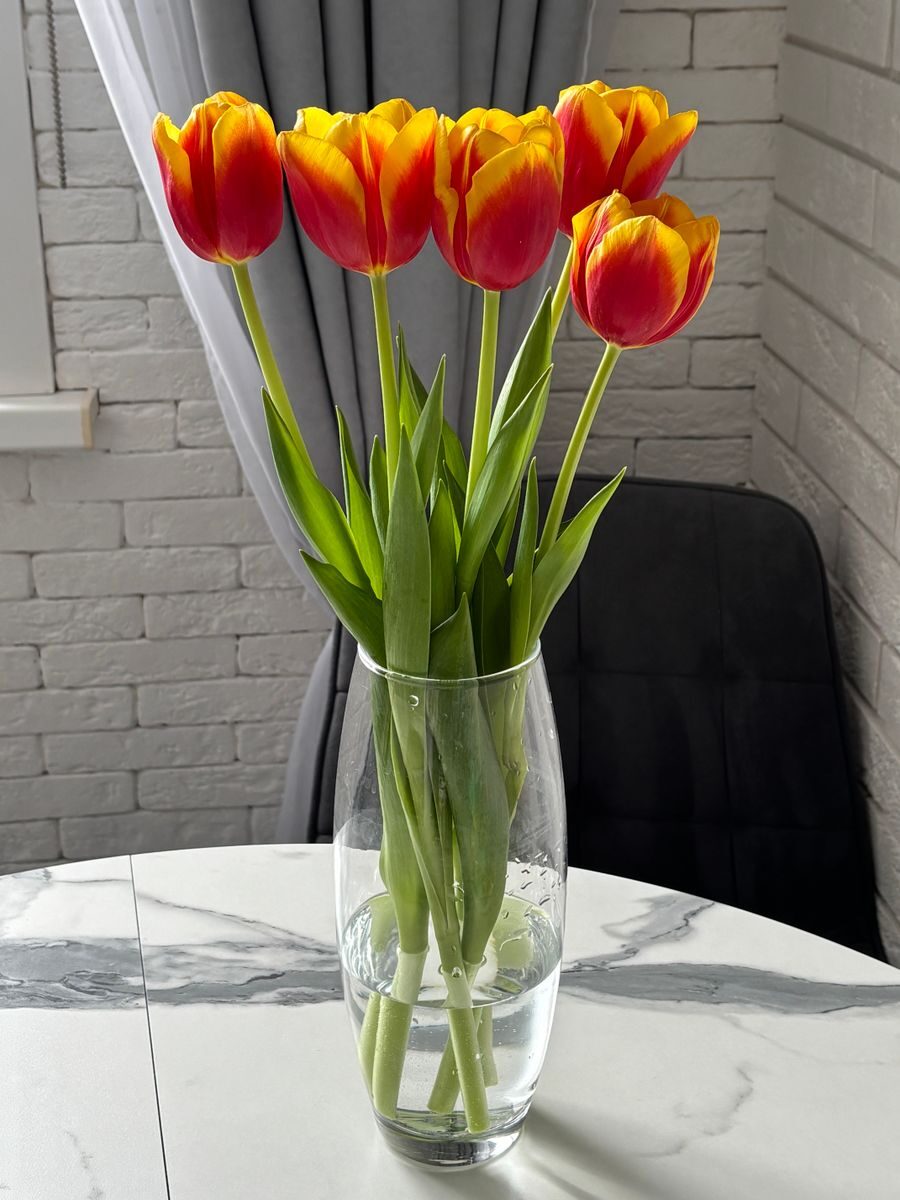
Tulips are one of the most beloved spring flowers in the USA. They are also one of the most misunderstood when it comes to feeding and care.
Most people pop tulips into a vase and fill it with tap water. Others plant bulbs in fall and wonder why their blooms shrink or vanish the following year. In both cases, the problem is usually the same. The tulips are not getting the right nutrients at the right time.
The good news? Feeding tulips is simpler than it sounds. You just need to know what to use, when to use it, and why it matters. This guide covers it all — the best flower food for cut tulips, the top fertilizers for garden tulips, a practical feeding schedule, and expert care tips for bigger, longer-lasting blooms.
Why Tulips Need Flower Food in the First Place
Before jumping into product picks, it helps to understand what flower food actually does. Tulips have some unique traits that set them apart from other flowers.
Tulips Keep Growing After They Are Cut
This surprises a lot of people. Unlike most cut flowers, tulips continue to grow after cutting. Floral designer Jill Wiles explains it well: tulips change direction and height in the vase as the days go by. That ongoing growth means they keep drawing nutrients from the water. As a result, the quality of that water matters more than most people realize.
Garden Tulip Bulbs Need Recharging
For garden tulips, the bulb acts as a nutrient storage system. It contains enough reserves for the first growing season. However, once those reserves run out, the flowering power drops fast. Long-lived tulip varieties should therefore be fertilized regularly. This allows the bulb to store enough energy for the following season’s blooms.
In short, the right nutrition determines how long tulips bloom, how vivid the color stays, and how well they return year after year.
Flower Food for Cut Tulips: Best Options for the Vase
Cut tulip care starts the moment you bring them home. Using a flower food solution makes a real difference. A study in the Journal of Applied Horticulture found that any of ten different preservatives kept cut flowers lasting longer than plain water alone. The science is clear on this one.
Here are the best options available in the USA right now.
| Product | Best For |
|---|---|
| Chrysal Clear Tulipa | Specialist formula made specifically for tulips |
| FloraLife Crystal Clear | Mixed bouquets, professional-grade results |
| FloraLife Fresh-Cut Sachets | Convenient, pre-measured dosing |
| Chrysal Flower Boost Packets | Odorless, pet- and child-friendly homes |
| DIY Flower Food | Budget-conscious, organic, or in a pinch |
Chrysal Clear Tulipa — Best Flower Food Specifically for Tulips
Chrysal Clear Tulipa is the top pick for cut tulips. It is specifically formulated for the tulip family. Most general flower foods work adequately. However, Chrysal Clear Tulipa goes further. It addresses the specific challenges tulips face in a vase. Those include stem bending, rapid growth, and leaf yellowing.
Used correctly, it keeps leaves firm and green. It also helps flowers hold their color longer. Chrysal’s formula is designed to extend vase life by up to 60% compared with plain water. Their bio-based range uses plant-based ingredients and recyclable packaging. That makes it a strong choice for eco-conscious buyers too.
Best for: Anyone who wants a specialist product made precisely for tulips and bulb flowers.
FloraLife Crystal Clear — Best for Mixed Bouquets
FloraLife Crystal Clear is the professional florist’s go-to formula. This 10-ounce liquid is built for full flower development and extended vase life. It enhances color intensity and keeps petals vibrant for longer.
One key advantage is its performance across different water types. This matters in many US cities where tap water is hard or heavily chlorinated. Florists use it to preserve delicate varieties while keeping them looking natural. It also works beautifully when tulips are mixed with other spring blooms.
Best for: Mixed bouquets with tulips, or anyone who wants a trusted professional-grade formula.
FloraLife Fresh-Cut Flower Food Sachets — Most Convenient Option
FloraLife’s sachet format removes all the guesswork. Each 5-gram sachet makes one pint of solution. That means consistent dosing every time — no overfeeding or underfeeding. The formulation is claimed at 97% naturally derived. It supports vibrant blooms from the first day through the last.
Best for: Home buyers who want a simple, no-measuring option for everyday use.
Chrysal Flower Boost Packets — Best for Sensitive Spaces
Chrysal Flower Boost has one standout quality: it is completely odorless. That might sound minor. But if you have pets, young children, or prefer a scent-neutral home, it matters more than you think. The formula supports bud and bloom development. It also keeps leaves firm and green — all with no noticeable smell.
Best for: Households with pets, children, or scent sensitivities.
DIY Flower Food — The Homemade Option That Works
Prefer a natural approach? You can make a reliable flower food at home. Combine one teaspoon of sugar with one teaspoon of white vinegar or lemon juice. Add a very small pinch of bleach or a crushed aspirin. Mix into one quart of cool water.
The sugar feeds the bloom. The acid lowers the water’s pH and slows bacterial growth. The bleach acts as a mild antibacterial agent. Research published in Contemporary Agriculture backs this up. Solutions containing citric acid (found in lemon juice) extended cut tulip vase life to up to 13.34 days. That is significantly longer than plain water alone.
Best for: Budget-conscious buyers, organic enthusiasts, or anyone who runs out of commercial flower food unexpectedly.
Fertilizer for Garden Tulips: Best Products for Your Bulbs
For garden tulips, the approach is different. Here you are feeding the bulb in the soil — not preserving a cut stem in water. The focus shifts to soil nutrients and release timing.
What NPK Ratio Do Tulips Need?
Every fertilizer label shows three numbers: nitrogen (N), phosphorus (P), and potassium (K). For tulips, a balanced ratio works best. A 10-10-10 fertilizer is a reliable starting point for most American gardens. However, bulb-specific blends work even better. Look for ratios that lean slightly higher on phosphorus and potassium — like 5-10-10 or 7-8-5. These support root development and flower production more effectively.
Osmocote Smart-Release Plant Food Plus — Best Overall Garden Fertilizer
Osmocote Smart-Release Plant Food Plus has a 15-9-12 NPK ratio. Its six-month controlled release is what makes it ideal for tulips. The slow, steady nutrient delivery matches the tulip’s long growing period. It feeds from root establishment in fall all the way through spring flowering. It also prevents nutrient burn — a common problem with fast-release alternatives.
Best for: Gardeners who want a set-it-and-forget-it product that feeds through the full season.
Espoma Organic Bulb-Tone — Best Organic Option
Espoma Organic Bulb-Tone has a 3-5-3 NPK formula. It is the top pick for organic gardeners. Rather than a concentrated chemical feed, it builds soil health naturally. It supports the soil biology that makes nutrients more available to the bulb over time.
Mix it into the planting hole each fall. Apply it again in early spring when leaves first emerge. It is especially good for gardeners growing species tulips as long-term perennials.
Best for: Organic gardeners who want to build lasting soil fertility.
Miracle-Gro Shake ‘n Feed Rose & Bloom — Best Post-Bloom Fertilizer
This product serves a different purpose from the others. It is not applied at planting or during bloom. Instead, it is applied after the flowers fade. Scotts Miracle-Gro explains that feeding after bloom promotes leaf growth. That leaf growth allows the bulb to store energy for the next season.
Most American gardeners skip this step entirely. As a result, hybrid tulips often fail to return strongly in subsequent years. This post-bloom application is one of the most impactful things you can do for perennial tulips.
Best for: Gardeners who want tulips to return bigger and stronger each year.
Burpee Bone Meal — Best for Planting Time
Bone meal is a slow-release, high-phosphorus amendment. Gardeners have used it for generations. Phosphorus supports strong root development and flower production. Mixing bone meal into the bottom of the planting hole gives each bulb a strong start.
Apply it again in spring when leaves emerge. This two-phase approach — fall planting and spring top-dressing — covers both root establishment and bloom support.
Best for: Fall planting prep and giving bulbs the strongest possible start.
When to Feed Tulips: A Complete Feeding Schedule
Timing matters just as much as the product you choose. Here is a practical schedule for both garden tulips and cut tulips.
Feeding Schedule for Garden Tulips
At planting — September to November
Mix bone meal or a slow-release bulb fertilizer into the planting hole. This supports root establishment through winter. Some gardeners also add compost at this stage. It improves drainage and adds organic matter to the soil. This is also a good time to tackle other fall garden tasks — see our garden winterizing guide for the full checklist.
Early spring — when foliage first appears
Apply the same bone meal or bulb food as a top dressing. Sprinkle it around the emerging shoots. Water well afterward to help nutrients reach the root zone.
During bloom — April to May
Do not fertilize during active blooming. The bulb draws on its own stored reserves at this point. Over-fertilizing now pushes growth toward foliage instead of flowers. Hold off and let the blooms do their thing.
After bloom — May to June
This is the most important feeding window. Most gardeners miss it entirely. Apply a post-bloom fertilizer like Miracle-Gro Shake ‘n Feed after the flowers fade. This supports leaf growth. That leaf growth, in turn, allows the bulb to recharge for next year.
Important: do not remove the leaves after blooming. Let the foliage die back naturally — about six weeks after flowering. The leaves gather energy for the bulb. Once the foliage turns yellow, it can be pruned off.
Feeding Schedule for Cut Tulips
At purchase or first cutting
Add flower food to the vase water right away. Do not wait to see whether plain water will do. Starting with flower food from day one makes a clear difference to overall vase life.
Every one to two days
Change the water and refresh the flower food whenever it turns murky. Bacterial buildup in vase water is one of the main reasons cut tulips wilt too soon. Fresh water keeps them going significantly longer.
How to Care for Tulips in a Vase: 7 Tips for Longer Blooms
Flower food is essential. But several simple care steps also make a big difference to how long cut tulips last.
1. Re-Cut the Stems at a 45-Degree Angle
Re-cut the stems as soon as you get home. Cut about 2 to 3 centimeters from the bottom at a diagonal angle. This removes the sealed end and opens the water-absorbing channels. FLOWERBX confirms it encourages water absorption and extends vase life noticeably.
2. Use Cool Water — Not Warm
Tulips prefer cool water. It slows their metabolism and extends display life. Warm water has the opposite effect — it speeds up blooming and aging. On hot days, some growers add a few ice cubes to the vase to keep the temperature down.
3. Remove Leaves Below the Waterline
Strip away any foliage that would sit below the water surface. Submerged leaves break down quickly. They create bacterial buildup that shortens vase life. This takes thirty seconds. It makes a noticeable difference.
4. Keep Tulips Away from Direct Sun and Heat
Tulips are phototropic — they follow the light. This creates a naturally shifting arrangement over time. However, direct sunlight and heat cause them to mature too quickly. Keep them in a cool, well-lit spot away from heating vents and sunny windowsills.
5. Try the Penny Trick or Pinhole Technique
Drop a copper penny into the vase. It acts as a mild antibacterial agent and reduces bacterial growth in the water. Alternatively, press a small pinhole through the stem just below the flower head. This prevents air pockets from forming, which is a common cause of drooping.
6. Keep Water Levels Lower Than You Think
Less is more with cut tulips and water. Fill the vase to about one-third of its height — not to the top. Tulips absorb water efficiently through their stems. Lower water levels encourage active uptake rather than passive sitting, which reduces the risk of stem rot.
7. Change the Water Every One to Two Days
This is the single most effective habit for extending cut tulip life. Every time the water turns cloudy or develops an odor, change it completely. Re-trim the stems by a centimeter each time. Add a fresh dose of flower food before replacing the tulips.
Common Tulip Feeding Mistakes to Avoid
Even experienced gardeners make these errors. Knowing what not to do is just as important as knowing what to do.
Mistake 1: Over-Fertilizing During Bloom
Adding fertilizer while tulips are actively flowering is counterproductive. It pushes the plant toward foliage rather than flowers. Hold off during peak bloom. Focus feeding on the post-bloom window instead — that is where the real impact happens.
Mistake 2: Removing Leaves Too Early
This is the most common reason perennial tulips stop returning. The leaves are the bulb’s energy source. Removing them before they yellow naturally cuts off the bulb’s recharging process. Let the foliage die back on its own, even if it looks untidy for a few weeks.
Mistake 3: Using Warm Water in the Vase
Warm water speeds up the metabolism of cut tulips. They bloom faster and fade faster as a result. Always use cool or cold water. Keep the arrangement away from warm spots in the home.
Mistake 4: Skipping the Stem Re-Cut
Placing tulips directly into water without re-cutting the stems is an easy mistake. The stem end seals over after the initial cut. That seal blocks water absorption. A fresh diagonal cut — even just one centimeter — makes a real difference to hydration.
Mistake 5: Relying on Generic Supermarket Flower Food Packets
Many standard packets from retailers are not designed to nourish flowers at home. As Flower Boosters notes, their purpose is to keep flowers in a holding state during transit and display. They are not formulated for home bloom development. A specialist product like Chrysal Clear Tulipa or FloraLife Crystal Clear will give noticeably better results.
Where to Buy Tulip Flower Food in the USA
Most products in this guide are easy to find. Chrysal Clear Tulipa and FloraLife are widely stocked at floral supply shops, garden centers, and on Amazon. Osmocote and Espoma Bulb-Tone are available at Home Depot, Lowe’s, and Walmart.
For trusted, region-specific advice on growing tulips, the Old Farmer’s Almanac Tulip Growing Guide is updated regularly and covers planting timelines across all US growing zones.
If you’re deciding which tulip variety to plant in the first place, our Lily-Flowered Tulips growing guide covers planting depth, timing, and care specifics.
Frequently Asked Questions
Do tulips need flower food in the vase?
Yes — and the science backs it up. A study in the Journal of Applied Horticulture found that ten different preservatives each kept cut flowers longer than plain water. Using a specialist flower food like Chrysal Clear Tulipa or FloraLife Crystal Clear extends vase life noticeably. It also maintains color and keeps stems healthier throughout.
What is the best homemade flower food for tulips?
Mix one teaspoon of sugar, one teaspoon of white vinegar or lemon juice, and a small pinch of bleach into one quart of cool water. The sugar feeds the bloom. The acid slows bacterial growth. The bleach keeps the water cleaner for longer. Change this solution every one to two days.
How often should you fertilize tulip bulbs in the garden?
Feed at planting time in fall. Feed again in early spring when foliage appears. Add a third application after the flowers fade to support bulb recharging. Avoid feeding during active bloom — it can push growth toward foliage at the expense of flowers.
Why do my tulips droop in the vase?
Drooping is usually caused by air pockets in the stem, bacterial buildup in the water, or heat exposure. Re-cut the stems at a 45-degree angle. Change the water with fresh flower food. Move the arrangement to a cooler spot away from heating vents and direct sunlight. The penny or pinhole trick also helps prevent drooping.
Can I use regular plant fertilizer on tulips?
Yes, with caution. A balanced 10-10-10 NPK fertilizer works well in early spring. However, high-nitrogen fertilizers promote leafy growth at the expense of blooms. Bulb-specific formulas like Espoma Bulb-Tone are a better fit. They are balanced for the specific nutritional needs of flowering bulbs.
How long do tulips last with flower food?
With quality flower food and proper care, cut tulips typically last seven to fourteen days. Without flower food, most last only four to seven days. Chrysal research suggests their bio-based formula extends vase life by up to 60% compared to plain water.
Should I feed tulips before or after they bloom?
For garden tulips, feed at planting time and again in early spring before bloom. Avoid feeding during active flowering. The most valuable window is after the flowers fade. That post-bloom application helps the bulb recharge for a stronger display next year.
What is the best flower food for tulips in a vase?
Chrysal Clear Tulipa is the best specialist option. It is formulated specifically for tulips and bulb flowers. For a broader all-purpose formula, FloraLife Crystal Clear is the professional standard. It performs reliably across different water types and room conditions.
Last updated: May 2026. Product availability subject to change. Always follow dosing instructions on flower food packaging for best results.